Power bank
9 products
Showing 1 - 9 of 9 products
Powerbank for outdoor use at Survivalstore
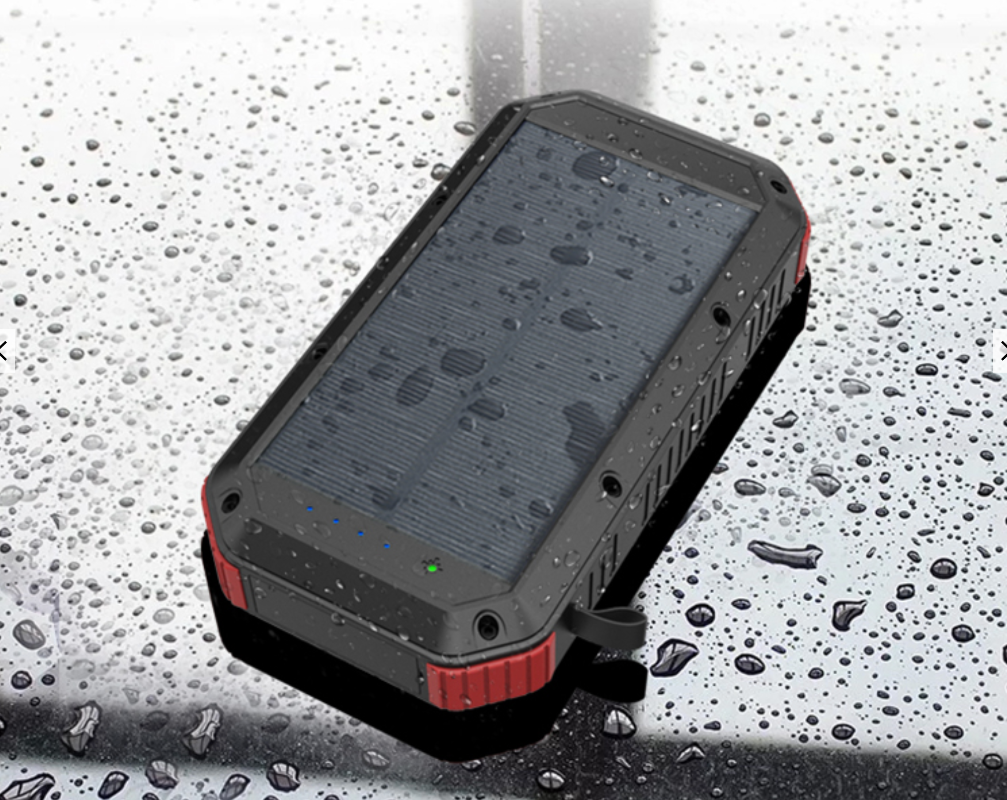
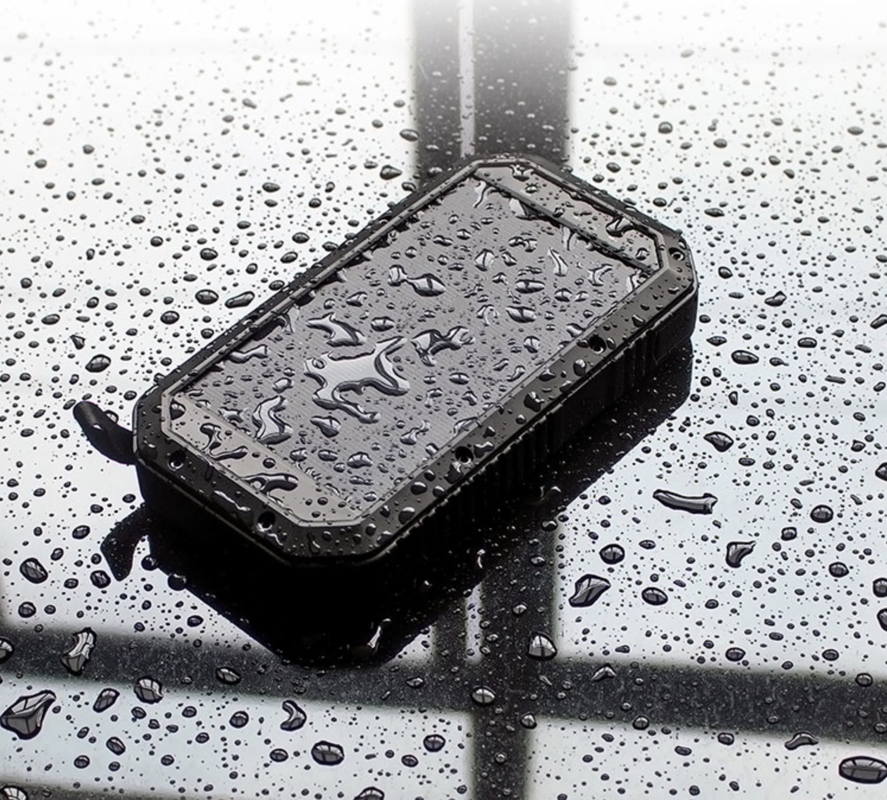
Our powerbanks are handpicked for outdoor use. They can be taken on trips without worrying about whether your powerbank will get wet or withstand harsh environments. All our powerbanks can handle heavy rain showers and very demanding conditions without you needing to worry.
All our powerbanks are stress tested for 72 hours on all parameters such as (battery, electrical circuit, waterproofing to name some of the important ones.
Solar cells in your powerbank
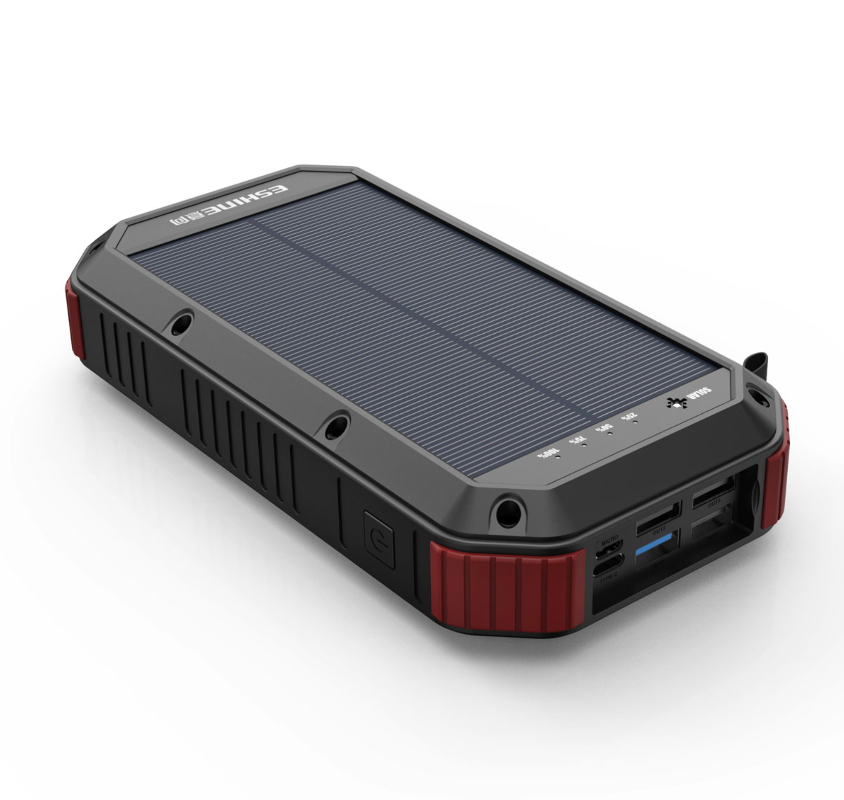
All our powerbanks have built-in solar cells so you have the option to charge your powerbank on the go, but note that since our powerbanks have very large battery capacity, it takes some time to charge them with pure solar power :-) But it is extremely useful when you are out on a trip.
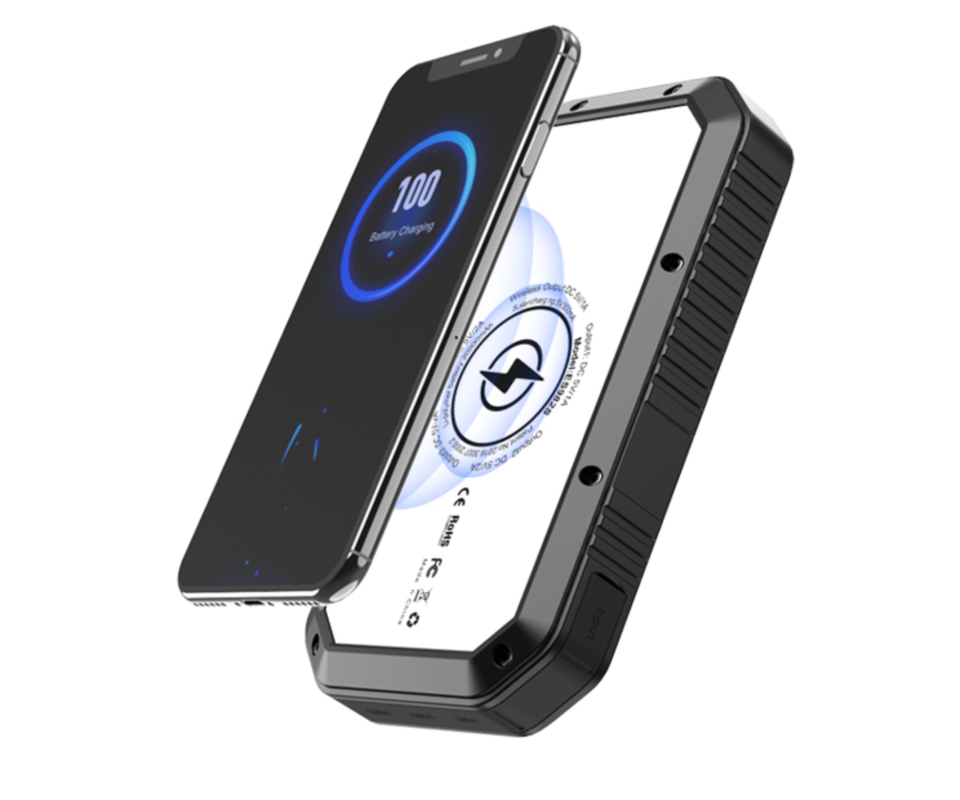
Powerbank with wireless charging
Most phones can charge wirelessly today, which makes it a perfect match with a powerbank where you can charge wirelessly. So if you happen to have forgotten the charging cable for your phone, watch, or other device, it’s no problem if you have a powerbank from Survivalstore.
All powerbanks we stock have wireless charging, which makes everything much easier.
Flashlight that can shine for many hours
Light is important when you are out, especially in the evening and at night if you need to step away for nature’s sake or just want cozy light in the evening. All our powerbanks have built-in lights. Our 30,000 mAh can shine for up to 30 hours and our 20,000 mAh has a specially built LED panel that can shine for up to 70 hours
What exactly is a Powerbank?
Most people probably know what a powerbank is used for, but what is it really?
It’s quite simple and most already know: it’s just a battery that ensures you never run out of power if you use it correctly.
But if we want to geek out a bit, it depends on what kind of battery is inside the powerbank. There are many different types of batteries, and it’s not irrelevant when we talk about the environments the powerbank will be used in, as this can reduce the number of recharge cycles.
All powerbanks we offer are equipped with lithium batteries, which ensure high output for fast charging and a long lifespan.
What is mAh? And how does it relate?
mAh stands for milliampere hours and simply describes how much energy you have over a certain time with a certain output.
But to make it a bit more tangible, it can be described like this – If you have 2 cars each with a 100-liter fuel tank, but one car has a bigger engine/more power than the other and therefore uses its 100 liters faster than the other.
If we then replace cars with smartphones and use some of the terms to measure power/energy, it’s exactly the same thing happening.
Remember different smartphones and devices generally use more or less power and have different capacities.
The greater the consumption/watt used, the faster your mAh/capacity is “drained”.
Do I have enough capacity/mAh for the trip?
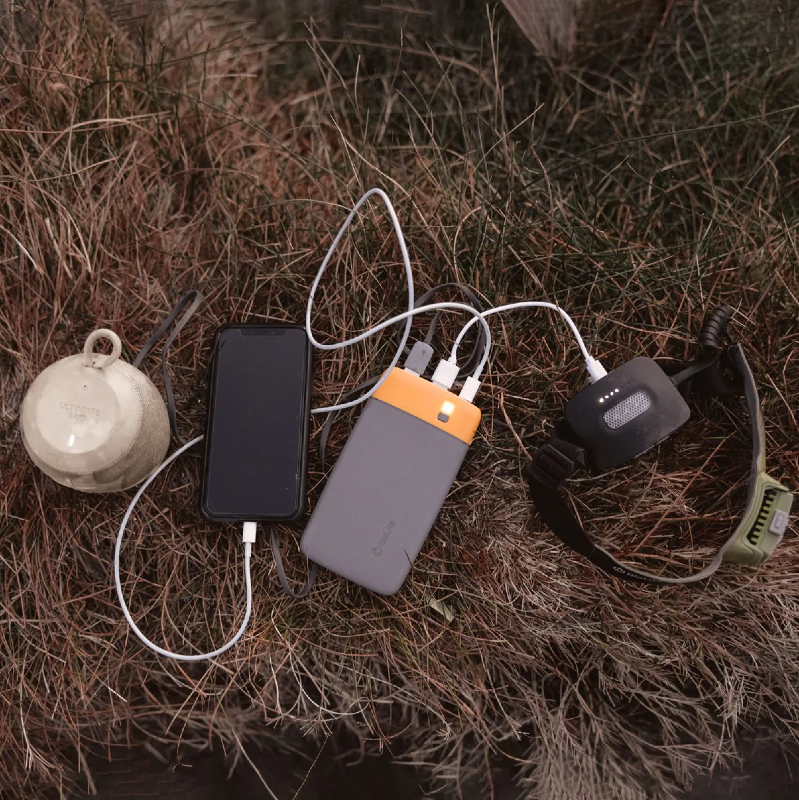
Yes, first of all, it depends on how long you will be away, how many devices you need to charge, how demanding they are, and the season.
Powerbanks and cold - heat
Batteries work and store best at temperatures below 20 degrees Celsius, preferably around 15 degrees. When temperatures drop below freezing point 0 - 20 degrees Celsius, the battery loses up to 45% of its capacity. The same applies in heat if you store your powerbank in high temperatures.
So it’s important to consider all these factors when buying a powerbank; better to buy one a bit too large so you’re on the safe side.
So what do my mAh mean for me? Calculate your capacity/mAh
Depending on which electronic devices you need to charge, they have a capacity that must be deducted from your powerbank for each charge. So it’s always about your needs; if you need to keep your smartphone running for a week without access to a power outlet but only using a carried powerbank, you need to find out the size of your phone’s battery. Normally it’s around 2500 to 3500 mAh, with the few largest having a capacity of 4500 mAh, and an iPad 10.2 has a battery capacity of 8827 mAh.
In principle, you can divide the capacity/mAh of your powerbank by the capacity/mAh of your device to find out how many charges you can get from that powerbank.
But unfortunately, it’s not that simple, as this is a calculation in a perfect world. This is especially important for those of us who use our devices outdoors.
The reality is that there will always be energy loss when charging your devices, but another and more significant factor is temperature. Batteries lose some of their ability to hold energy, as you probably read about earlier.
Powerbank for outdoor life and outdoor activities
Our powerbanks are handpicked for outdoor use. They can be taken on trips without worrying about whether your powerbank will get wet or withstand harsh environments. All our powerbanks can handle heavy rain showers and very demanding conditions without you needing to worry.
All our powerbanks are stress tested for 72 hours on all parameters such as (battery, electrical circuit, waterproofing to name some of the important ones.
Solar cells in your powerbank
All our powerbanks have built-in solar cells so you have the option to charge your powerbank on the go, but note that since our powerbanks have very large battery capacity, it takes some time to charge them with pure solar power :-) But it is extremely useful when you are out on a trip.
Powerbank with wireless charging
Most phones can charge wirelessly today, which makes it a perfect match with a powerbank where you can charge wirelessly. So if you happen to have forgotten the charging cable for your phone, watch, or other device, it’s no problem if you have a powerbank from Survivalstore.
All powerbanks we stock have wireless charging, which makes everything much easier.
Flashlight that can shine for many hours
Light is important when you are out, especially in the evening and at night if you need to step away for nature’s sake or just want cozy light in the evening. All our powerbanks have built-in lights. Our 30,000 mAh can shine for up to 30 hours and our 20,000 mAh has a specially built LED panel that can shine for up to 70 hours
What exactly is a Powerbank?
Most people probably know what a powerbank is used for, but what is it really?
It’s quite simple and most already know: it’s just a battery that ensures you never run out of power if you use it correctly.
But if we want to geek out a bit, it depends on what kind of battery is inside the powerbank. There are many different types of batteries, and it’s not irrelevant when we talk about the environments the powerbank will be used in, as this can reduce the number of recharge cycles.
All powerbanks we offer are equipped with lithium batteries, which ensure high output for fast charging and a long lifespan.
What is mAh? And how does it relate?
mAh stands for milliampere hours and simply describes how much energy you have over a certain time with a certain output.
But to make it a bit more tangible, it can be described like this – If you have 2 cars each with a 100-liter fuel tank, but one car has a bigger engine/more power than the other and therefore uses its 100 liters faster than the other.
If we then replace cars with smartphones and use some of the terms to measure power/energy, it’s exactly the same thing happening.
Remember different smartphones and devices generally use more or less power and have different capacities.
The greater the consumption/watt used, the faster your mAh/capacity is “drained”.
Do I have enough capacity/mAh for the trip?
Yes, first of all, it depends on how long you will be away, how many devices you need to charge, how demanding they are, and the season.
Powerbanks and cold - heat
Batteries work and store best at temperatures below 20 degrees Celsius, preferably around 15 degrees. When temperatures drop below freezing point 0 - 20 degrees Celsius, the battery loses up to 45% of its capacity. The same applies in heat if you store your powerbank in high temperatures.
So it’s important to consider all these factors when buying a powerbank; better to buy one a bit too large so you’re on the safe side.
So what do my mAh mean for me? Calculate your capacity/mAh
Depending on which electronic devices you need to charge, they have a capacity that must be deducted from your powerbank for each charge. So it’s always about your needs; if you need to keep your smartphone running for a week without access to a power outlet but only using a carried powerbank, you need to find out the size of your phone’s battery. Normally it’s around 2500 to 3500 mAh, with the few largest having a capacity of 4500 mAh, and an iPad 10.2 has a battery capacity of 8827 mAh.
In principle, you can divide the capacity/mAh of your powerbank by the capacity/mAh of your device to find out how many charges you can get from that powerbank.
But unfortunately, it’s not that simple, as this is a calculation in a perfect world. This is especially important for those of us who use our devices outdoors.
The reality is that there will always be energy loss when charging your devices, but another and more significant factor is temperature. Batteries lose some of their ability to hold energy, as you probably read about earlier.
Powerbank for outdoor life and outdoor activities
Showing 1 - 9 of 9 products
Display
View
Save 35%


Survivalstore.dk
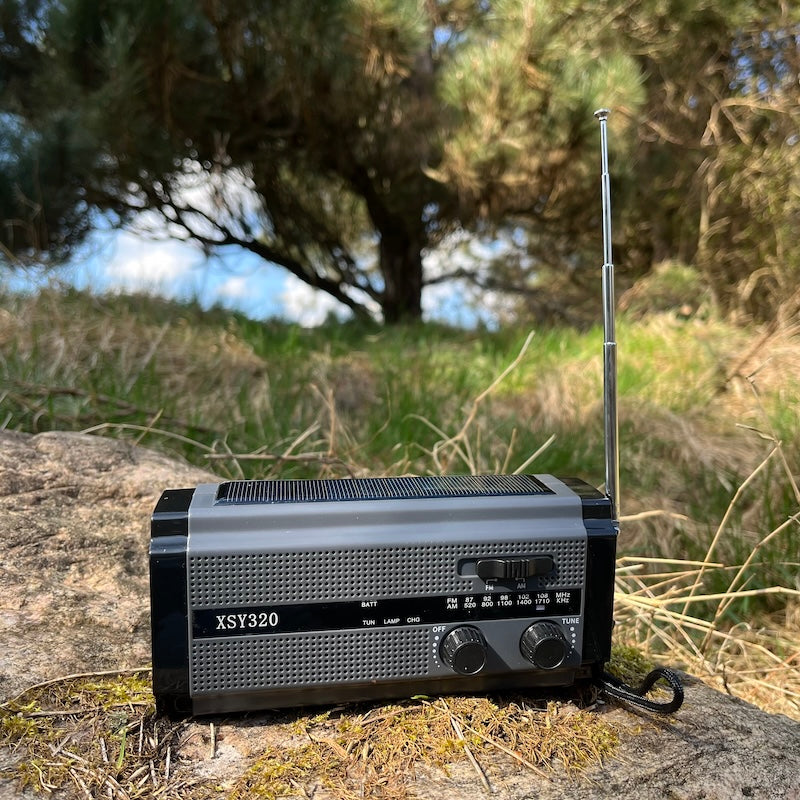
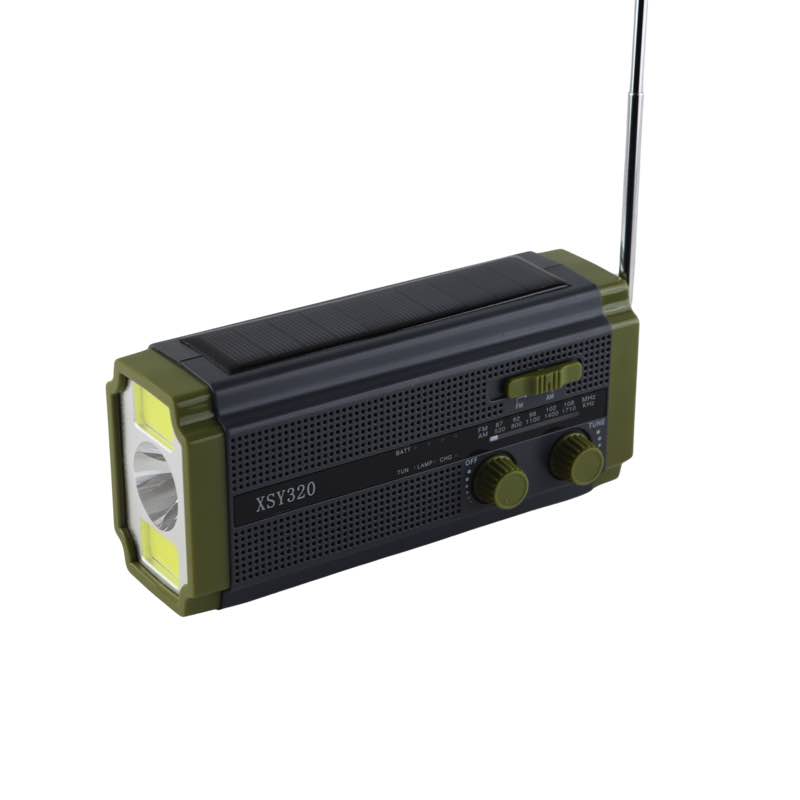
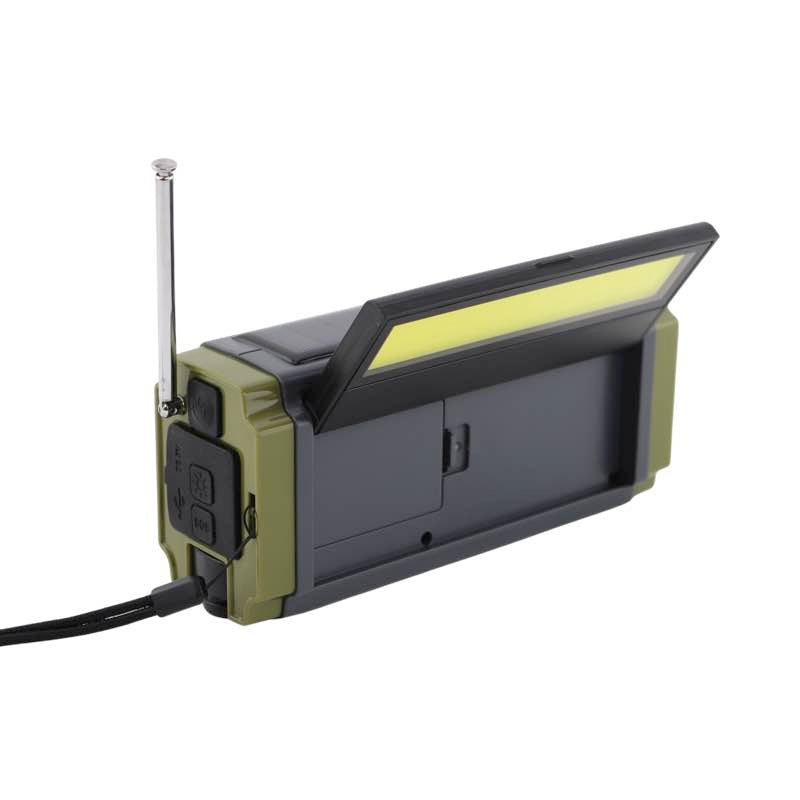
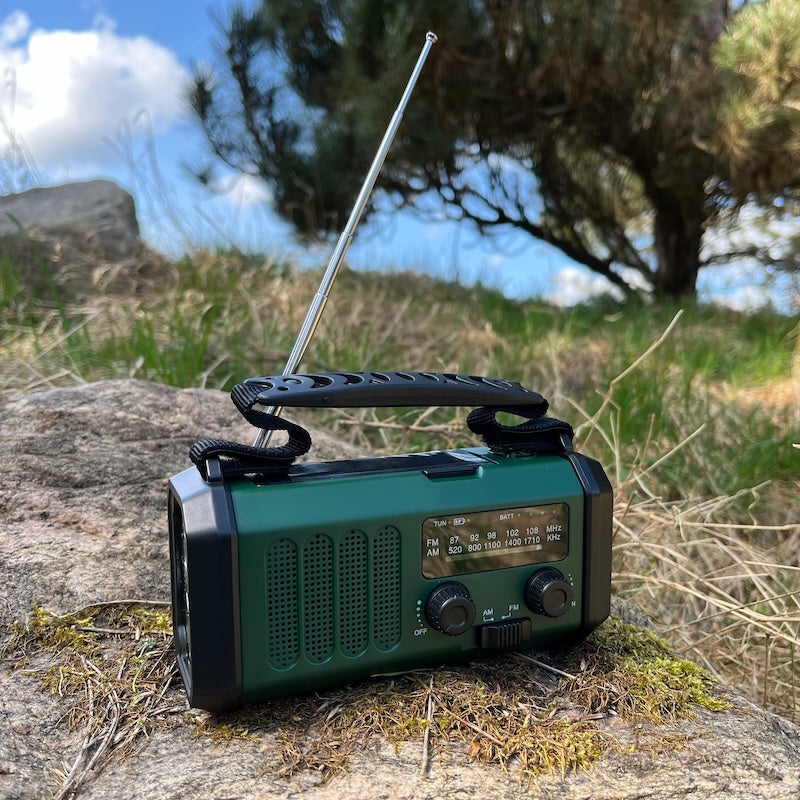
Emergency Radio - With Power Bank (10,000 mAh), Solar Panel, AM/FM and Light.
Sale price449,00 kr
Regular price695,00 kr
Save 27%

Survivalstore.dk
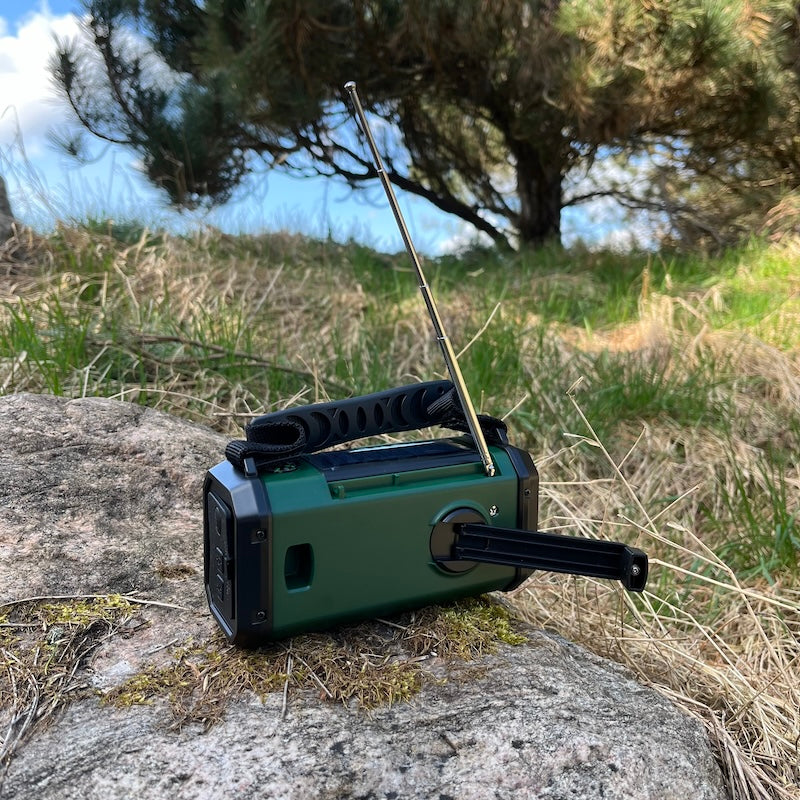
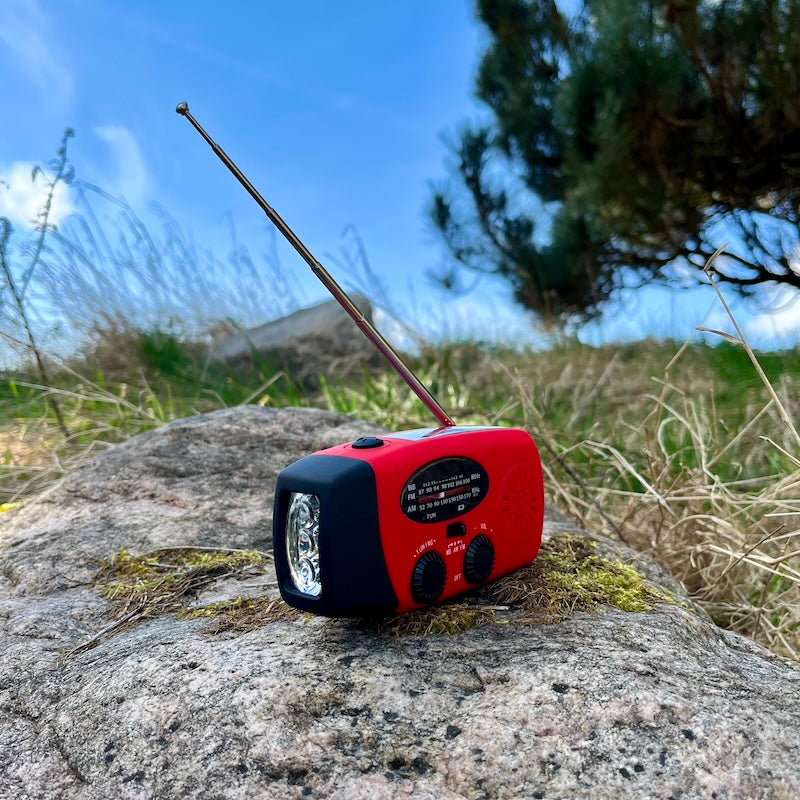
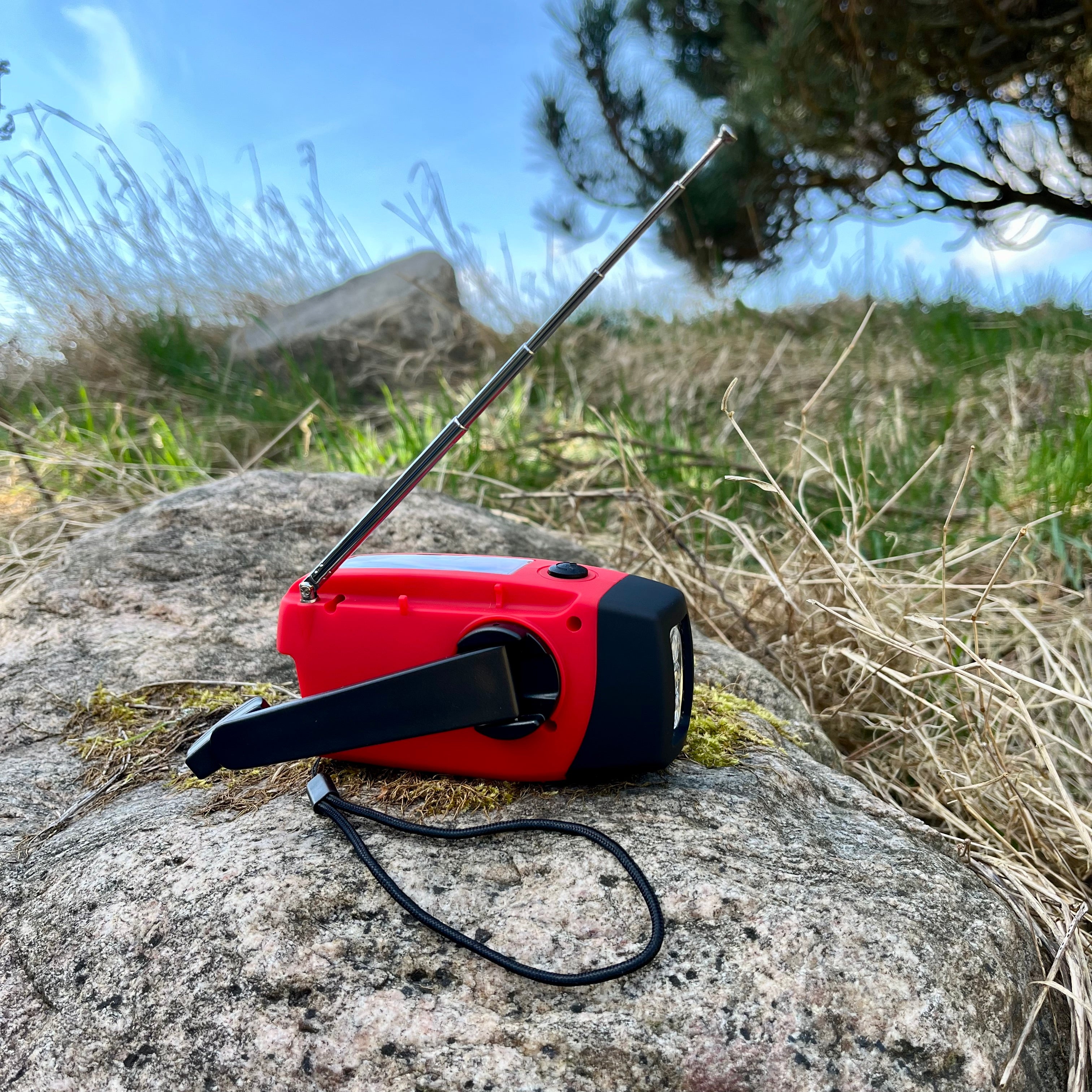
Emergency Radio - With Power Bank (5,000 mAh), Solar Panel, Hand Crank, AM/FM, Light and SOS
Sale price429,00 kr
Regular price589,00 kr
Save 27%


Survivalstore.dk
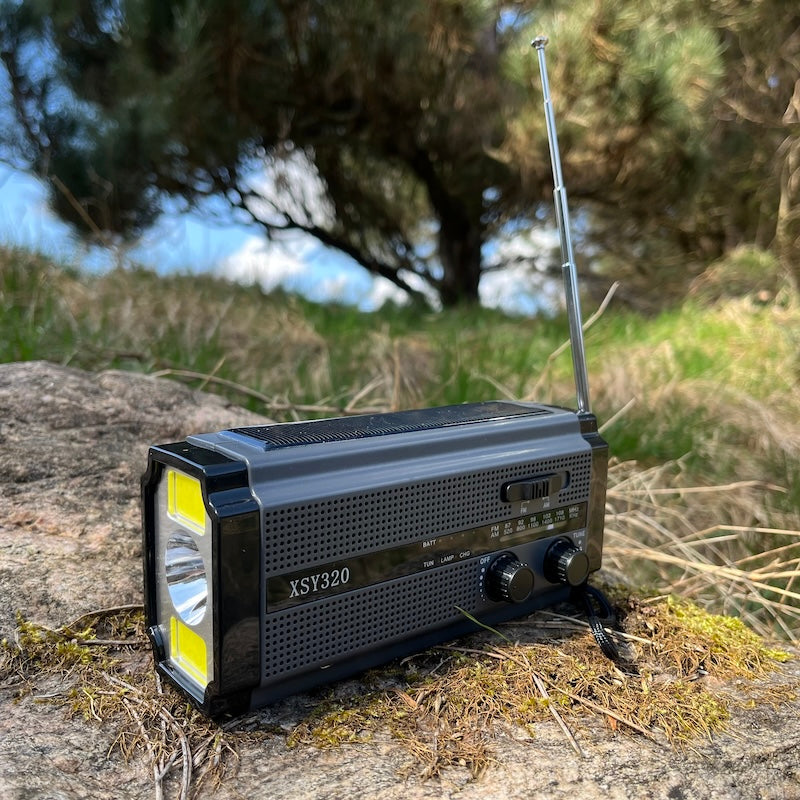
Emergency Radio with power bank (5,000 mAh), hand crank, solar panel, flashlight, SOS, AM/FM.
Sale price429,00 kr
Regular price589,00 kr
BioLite
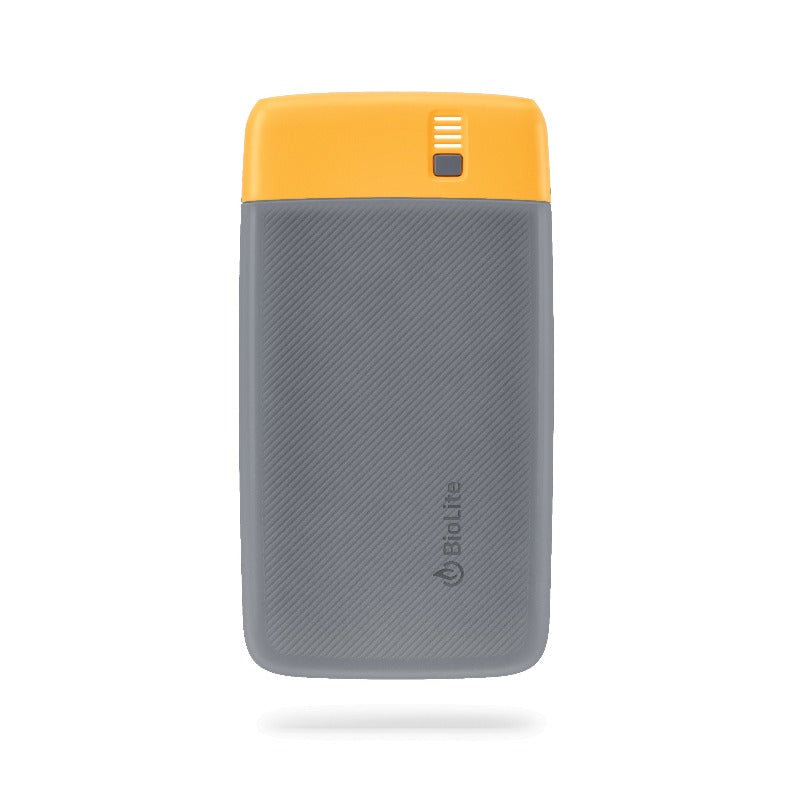
BioLite Light Chain with Solar Panel and Power Bank - 13 meters - Warm White
Sale price699,00 kr
Filters (0)