Waterproofing is a necessity, but fortunately, it’s easy to do. Take good care of your gear, and it will take good care of you when you’re out on a trip. After long use, sweat, dirt, and grime buildup, as well as wear on the material, will reduce the water-repellent effect and the garment’s breathability will disappear. Therefore, it’s important to maintain your gear regularly. This is best done by keeping it clean, caring for it, and waterproofing the equipment regularly. This way, your expensive clothing and shoes will perform better and last longer, you save money, and you also reduce the environmental impact caused by extra production.
Your outdoor products consist of many different materials, and it’s important to choose the right waterproofing solution for the product you want to treat. For example, your leather boots need to be treated differently than your clothing or your tent, or if you have shoes made of other materials. Most waterproof and water-repellent outdoor gear is waterproofed at the factory, but sometimes it’s a good idea to waterproof, for example, shoes and boots before you start using them.
Waterproofing Shoes and Boots
Shoes and boots are made from many different materials that require very different care. To keep your shoes and boots water-repellent and breathable, they need to be cleaned and waterproofed regularly. This is time well spent, as there’s nothing better than dry and warm feet when the weather turns wet and dry socks are far away. It can also be quite satisfying to give your good old hiking boots new life with a cleaning and leather wax treatment.
Leather, Suede, Nubuck…
Shoes and boots come in many materials that require different treatments. However, some steps are common for leather boots.
Start by removing the laces and the sole/insole from the boot and let the boots dry if they are wet. You can put newspaper inside the boot and turn them upside down so the moisture can escape. DO NOT place the boot on a radiator or in direct sunlight, as this can dry out and stiffen the leather. The boot does not need to be completely dry before you continue. Shake and tap the shoe to remove all dirt and small stones. Small stones can, in the worst case, damage the lining. Now you are ready to waterproof your boots. Boots made of pure leather will never be 100% waterproof but are very breathable. Remember to clean your leather boots regularly, as dirt, grime, and salt will dry into the leather and significantly reduce the boot’s lifespan.
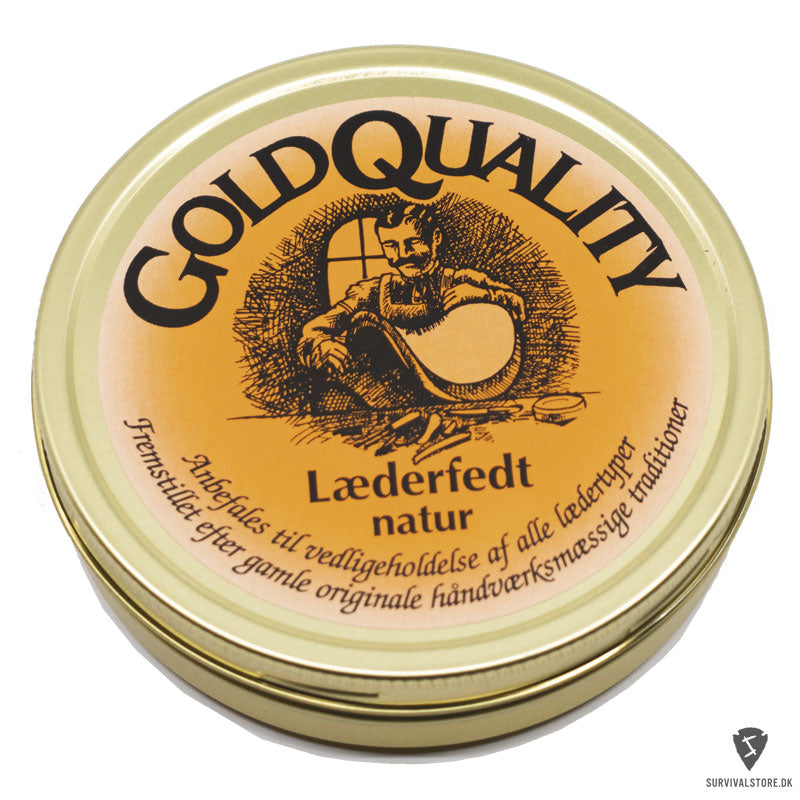
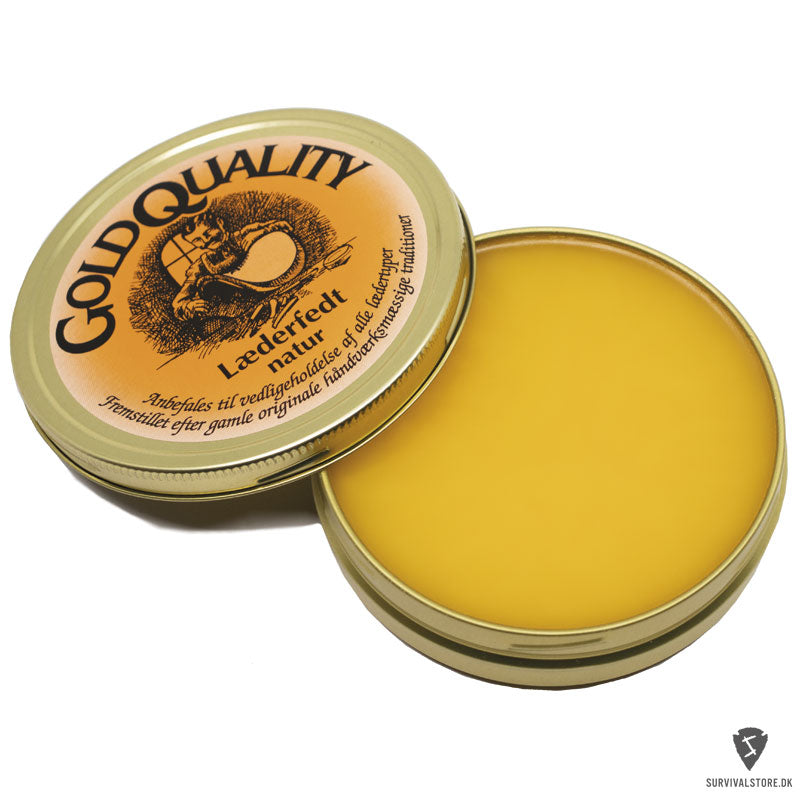
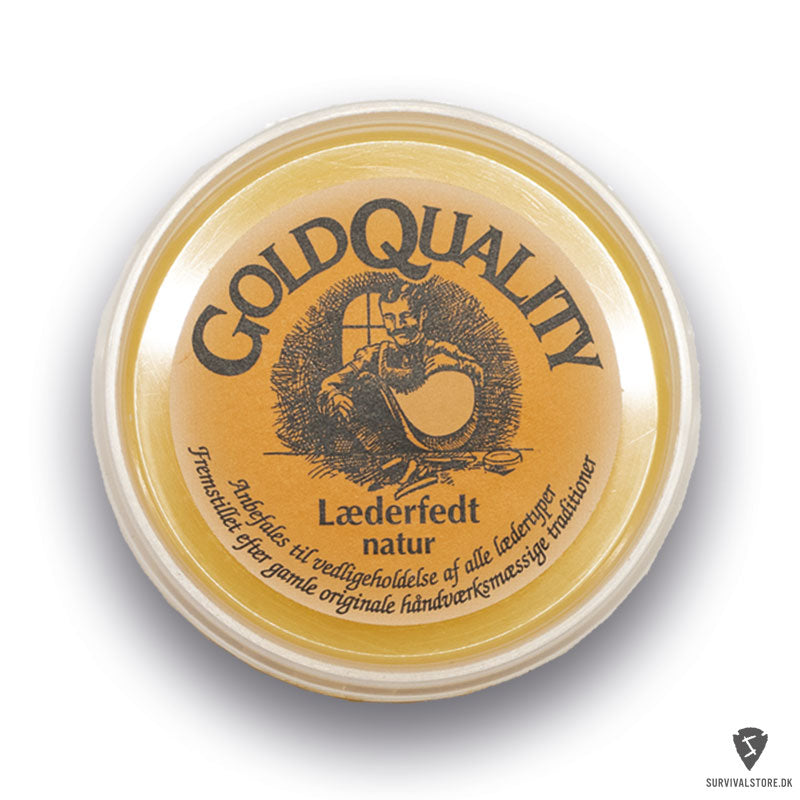
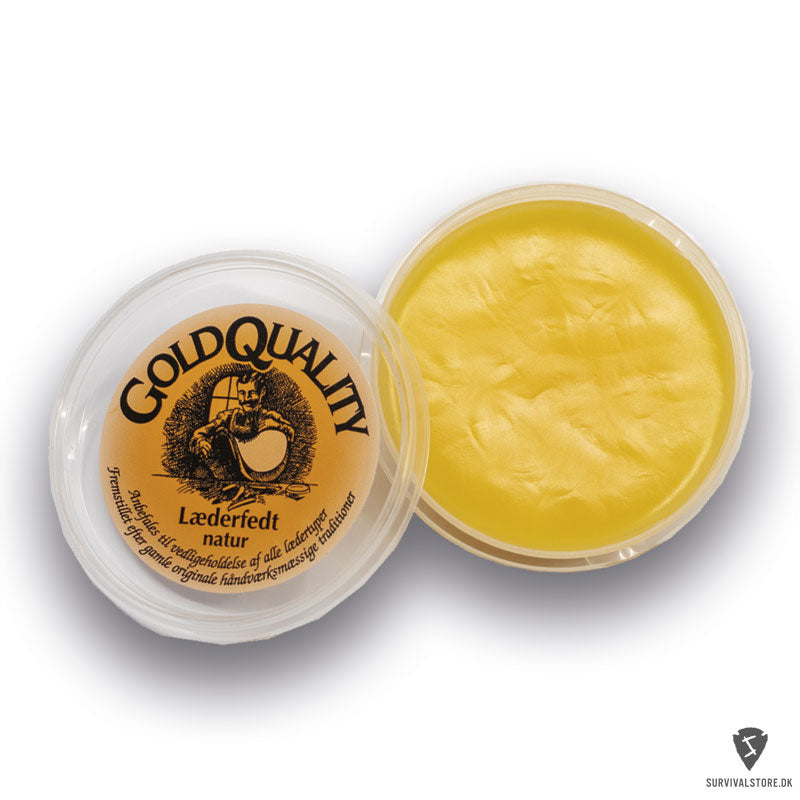
Waterproofing with Leather Wax
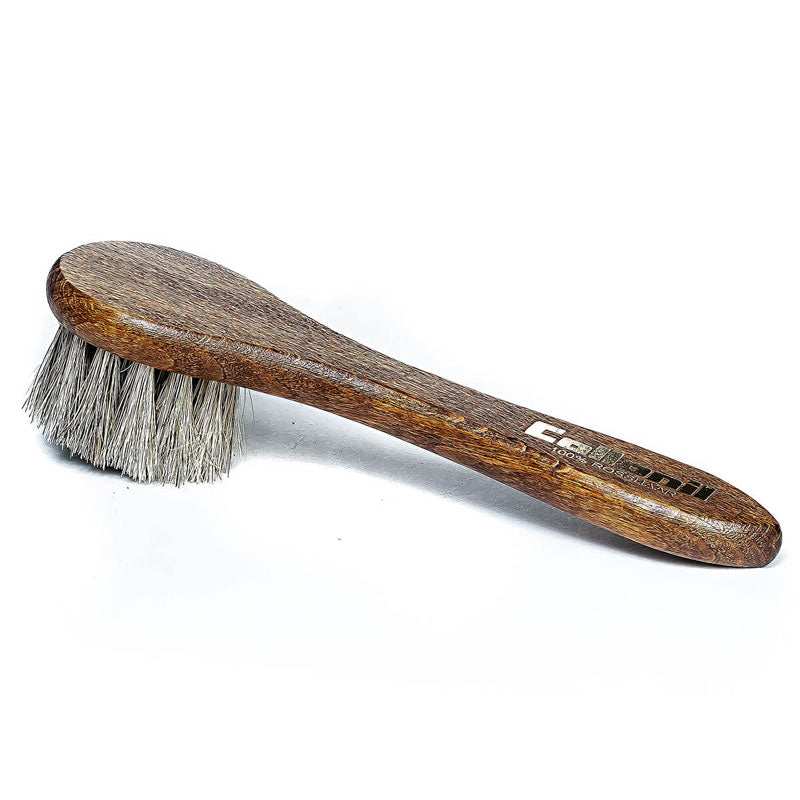
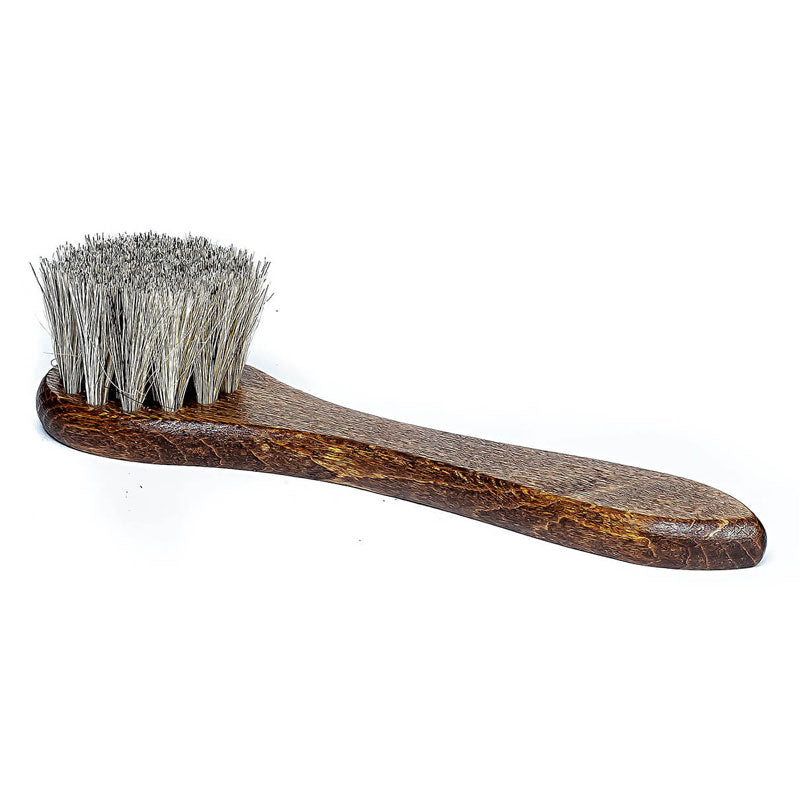
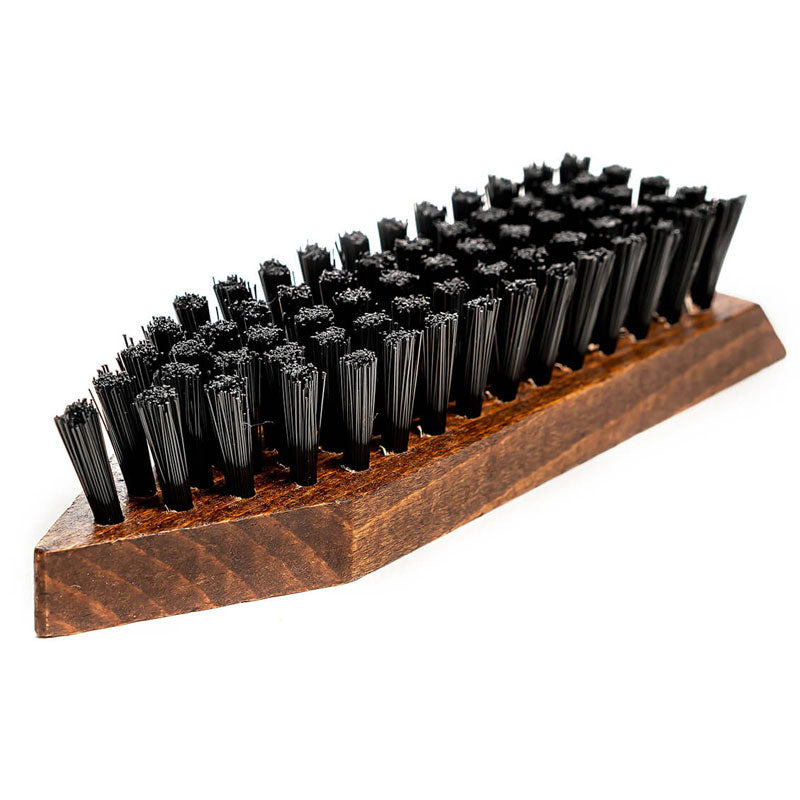
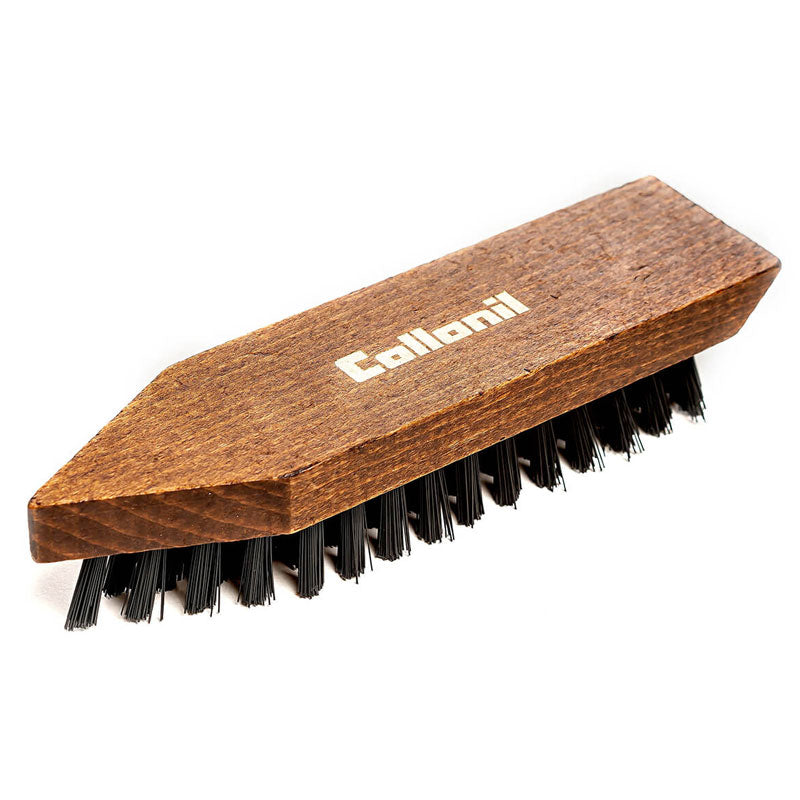
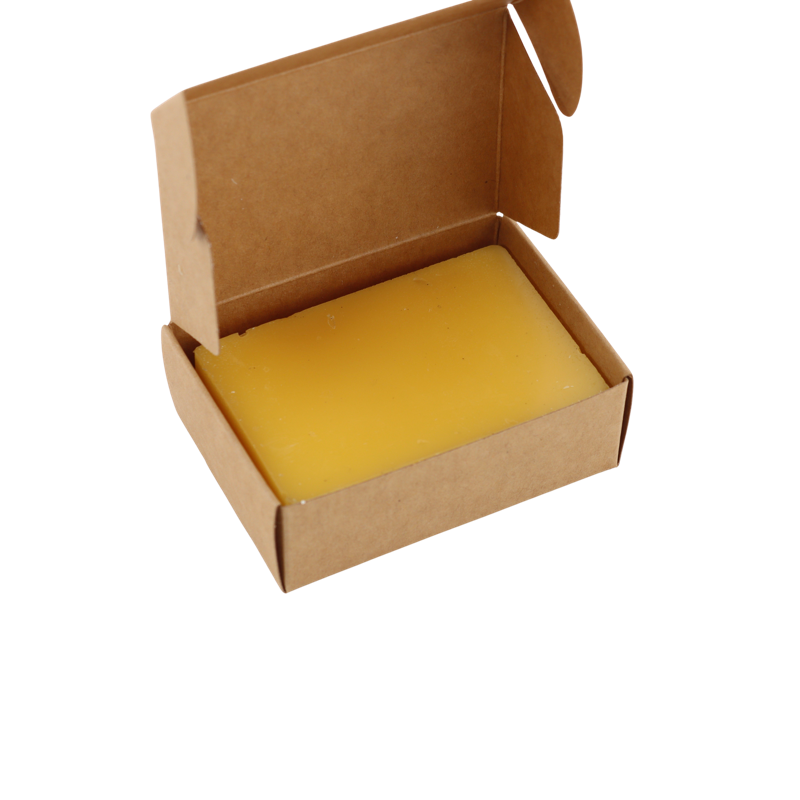
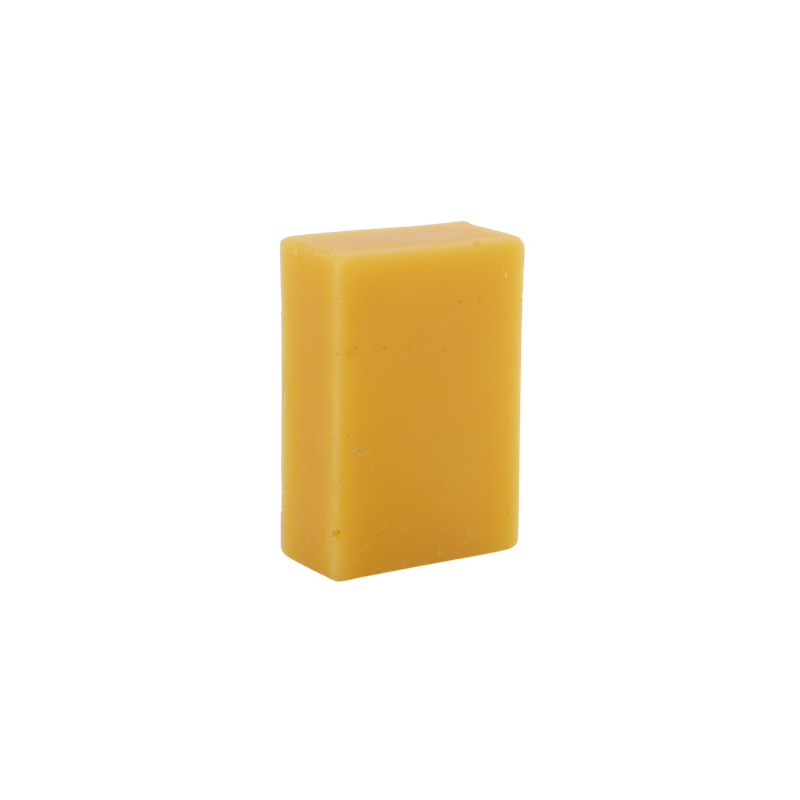
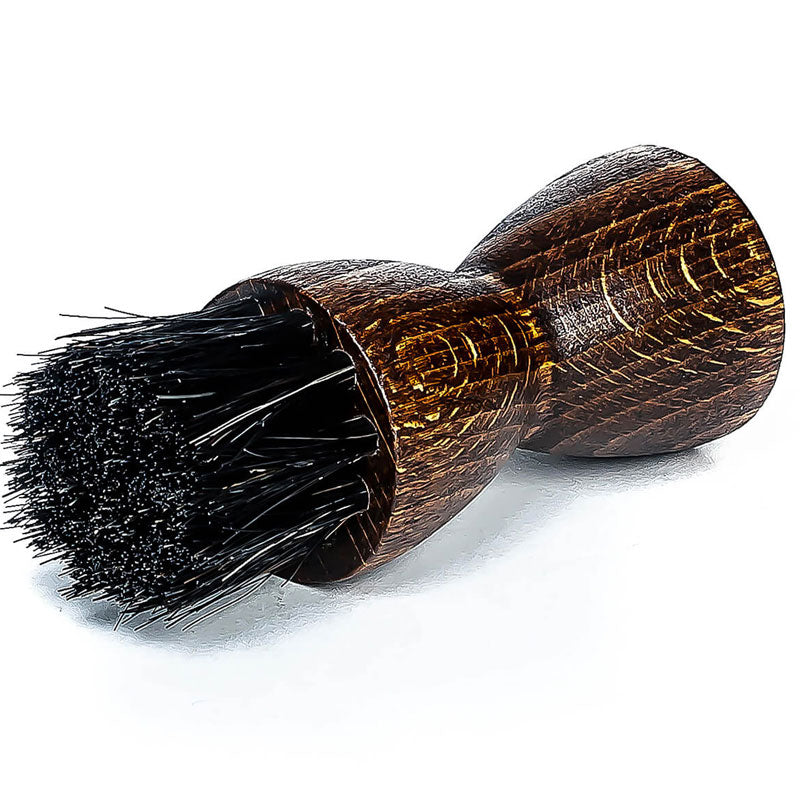
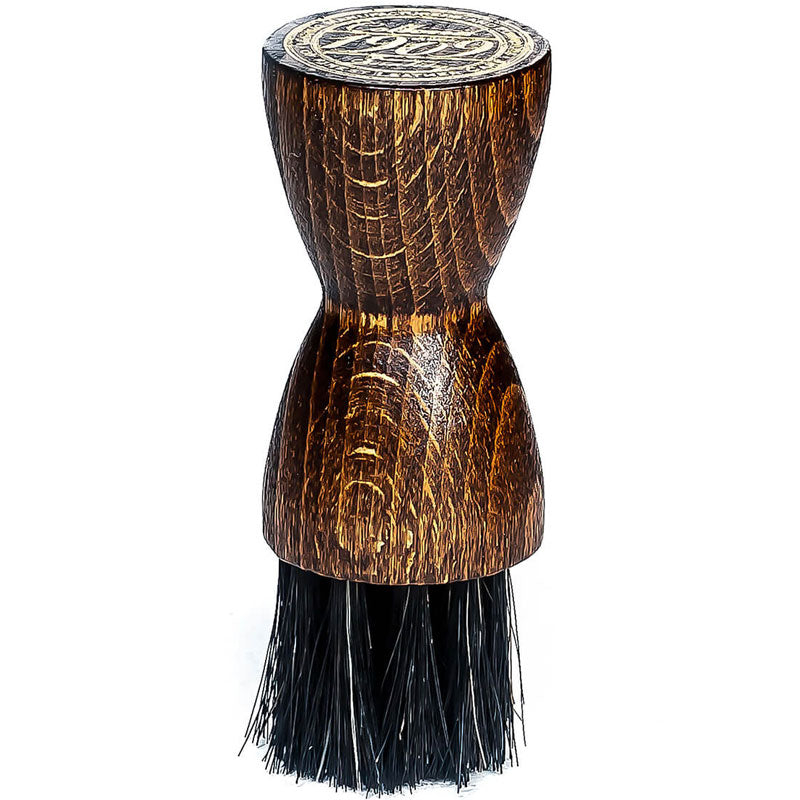
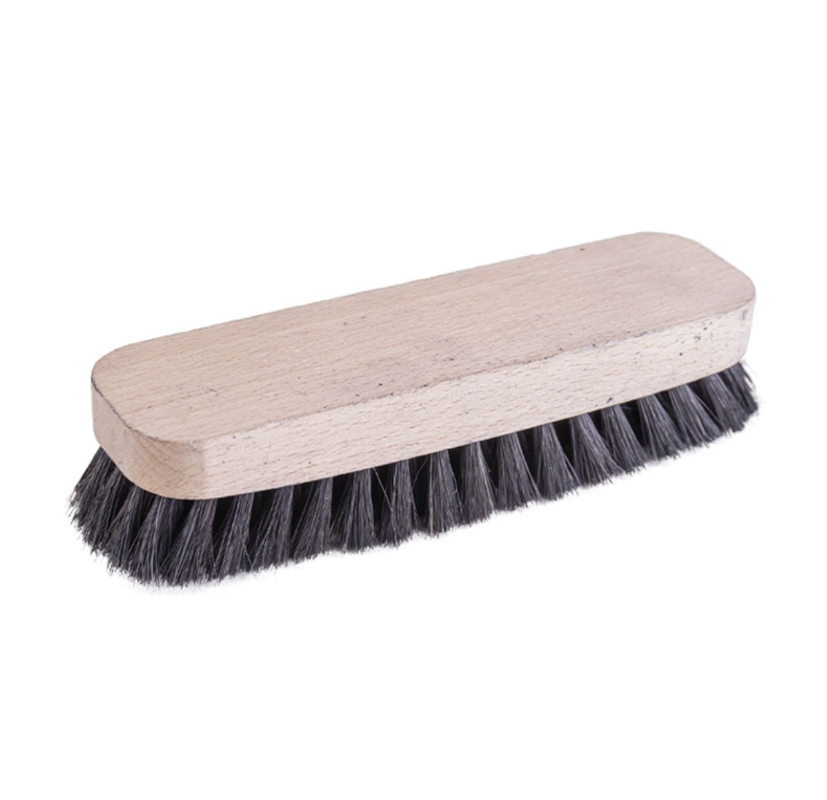
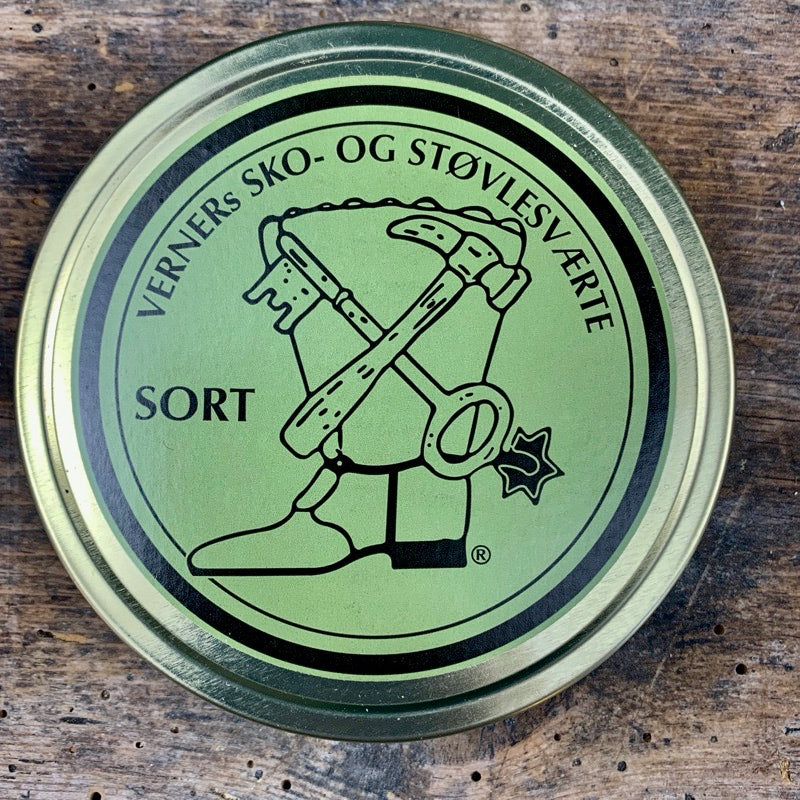
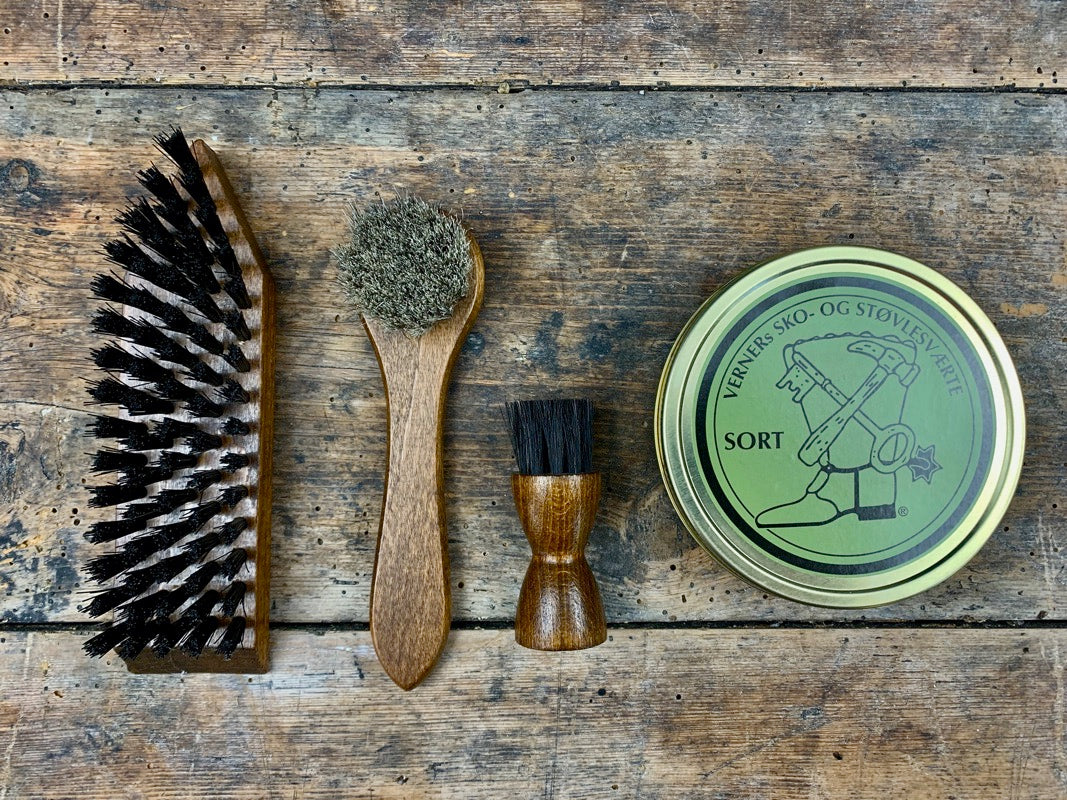
Start by applying wax around the seams, the heel, and the ankle, where there is a lot of movement in the leather. You can use a brush designed for this purpose, a cloth, or your bare fingers to apply the wax. Continue on the toe of the shoe, which also moves a lot during use. Make sure all seams get a good layer of wax, then continue on the rest of the boot. If you have a shoe brush, you can “buff” the wax well into the leather. This won’t give a shiny look but ensures the wax penetrates well into the leather.
You can also apply wax to your laces. The wax makes them more durable and actually gives them more grip so they don’t come undone as easily. Let the wax absorb into the boot (for about a day) before you use them again. Also, remember to check if the sole needs replacing.
Besides leather wax, you can also use a leather balm, which provides a more breathable but less water-repellent finish. It’s also worth noting that leather wax can darken the color of the shoe or boot.
Waterproofing Suede
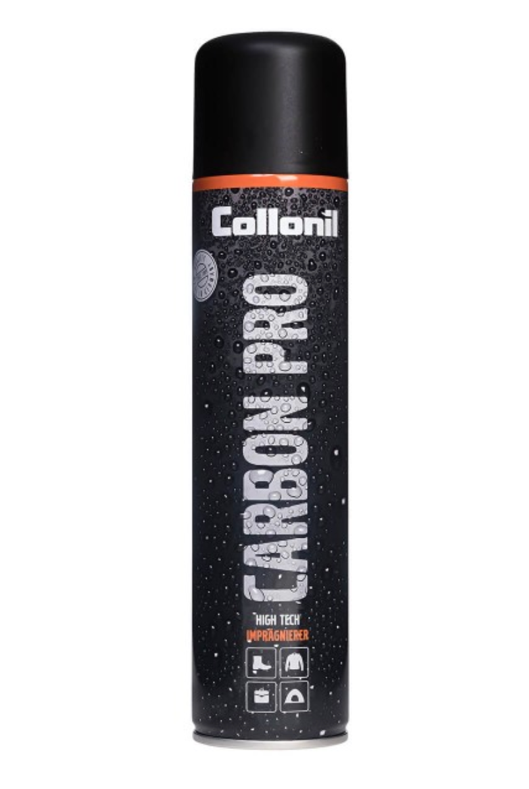
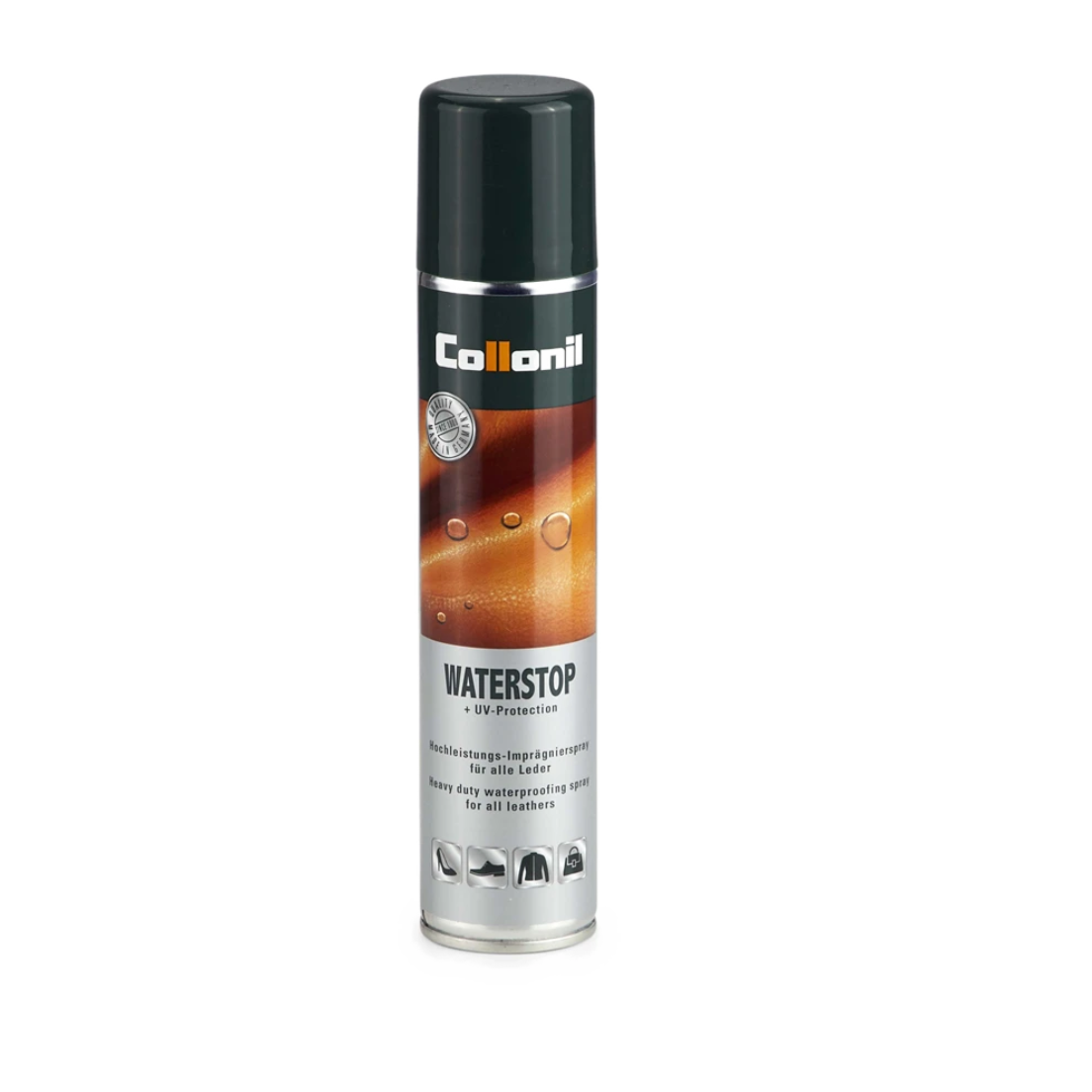
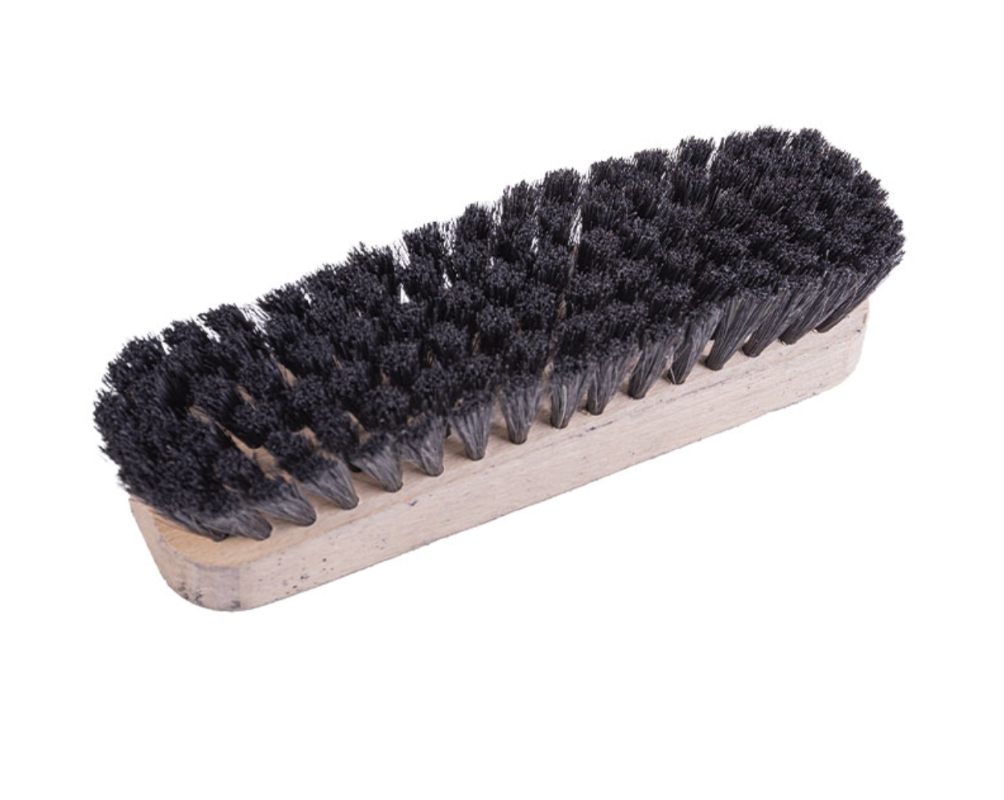
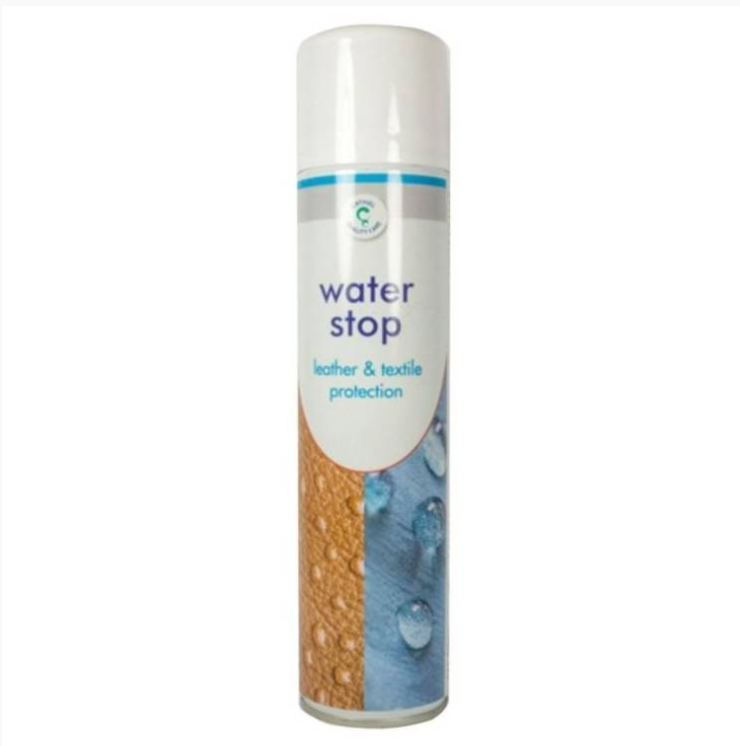
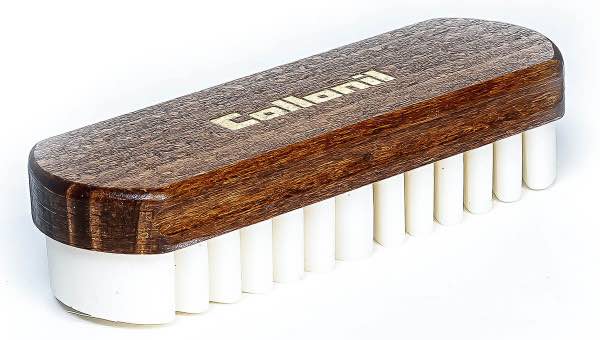
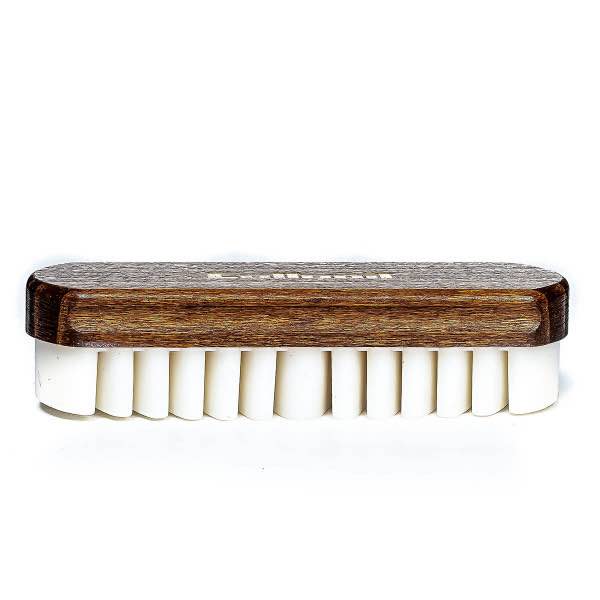
Suede boots need to be treated differently than classic leather boots. When drying, suede should dry slowly and without too much heat, as otherwise the material may shrink. Make sure to brush out all dirt and sand from the boot. Use a suede brush to brush the leather in one direction, which also gives a nice finish. Then waterproof the boot evenly with a waterproofing spray designed for suede. As with leather boots, pay extra attention to high-wear areas such as the heel, toe, and seams. You can also spray the laces.
Waterproofing Nubuck Leather
Nubuck leather can be described as a hybrid between classic leather boots and suede boots – more breathable than leather boots but more water-resistant than suede boots. Nubuck boots can therefore be treated with either of the two methods described above. If you waterproof the boots with spray, you preserve the boot’s breathability. If you apply wax, the boots become more water-repellent but lose some breathability. However, it’s important to mention that once you have waxed your nubuck boots, you cannot go back to waterproofing them with spray. The boots may also get a darker and shinier finish if waxed.
If your boots have rubber soles, these should be treated with waterproofing designed for rubber.
Textiles
Outdoor textiles vary widely and require different treatments. Some clothing can be waterproofed easily by spraying with a waterproofing spray, while others need to be treated with wax that must be melted into the fabric. For example, if your shell jacket needs waterproofing, it’s first and foremost important that it is clean and dry. It’s easiest to hang the jacket on a hanger in a well-ventilated place, then spray the jacket evenly. Pay special attention to seams and shoulders, which are particularly exposed to rain.
For some outdoor textiles used for jackets and pants, a wax-based waterproofing solution is used. This wax is specifically designed for this purpose. The wax is rubbed into the fabric, which is then heated so the wax melts into the fabric and forms a water-repellent layer. This can be done with an iron, but a good tip is to use a hairdryer, which gives a more even and neat finish. One advantage of jackets with wax waterproofing is that you can choose how breathable, windproof, and water-repellent the jacket should be, allowing you to adjust the waterproofing according to conditions.
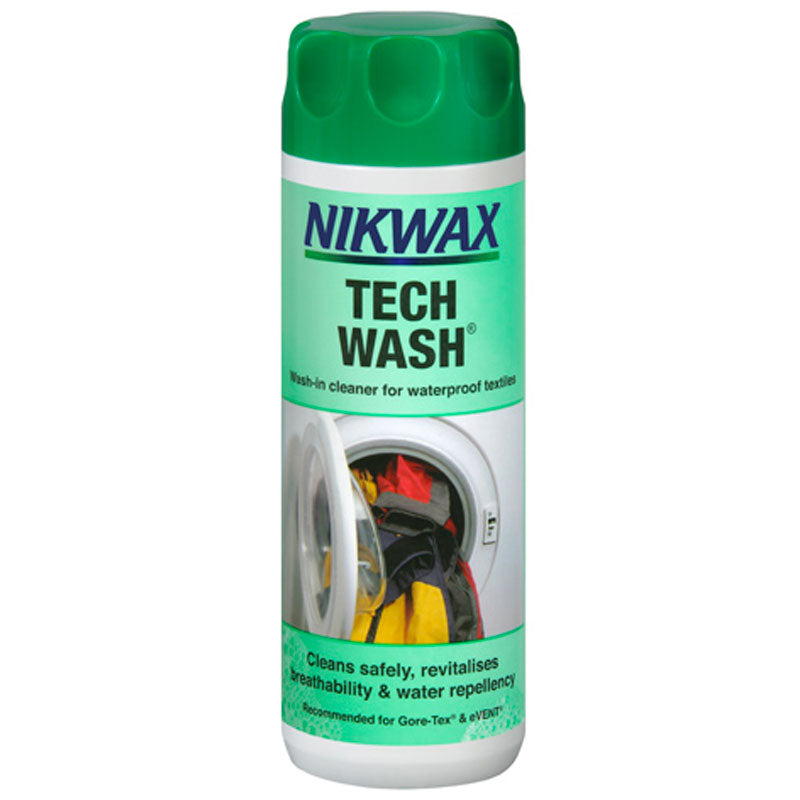
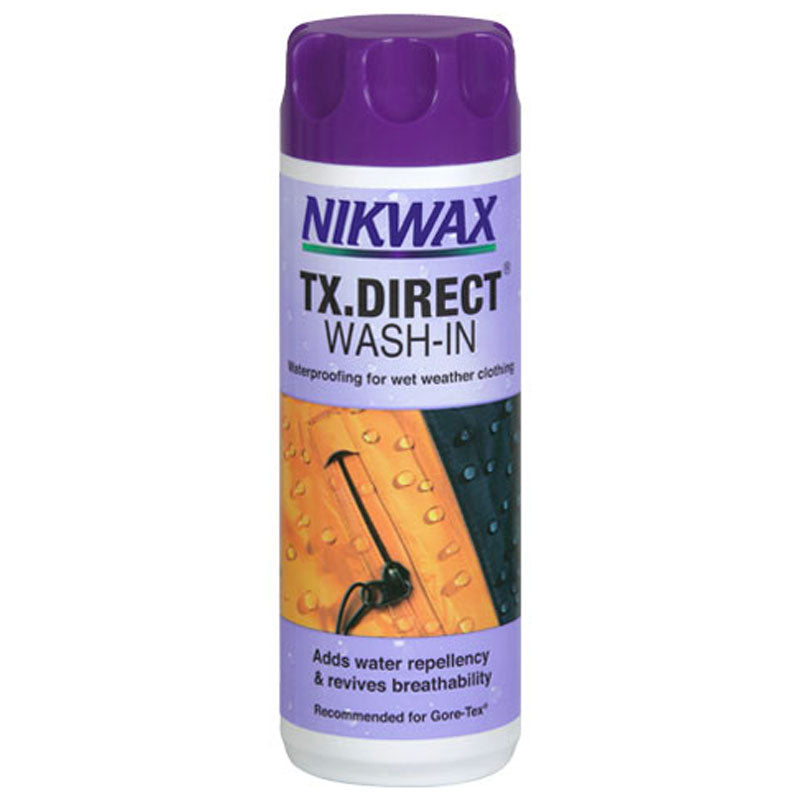
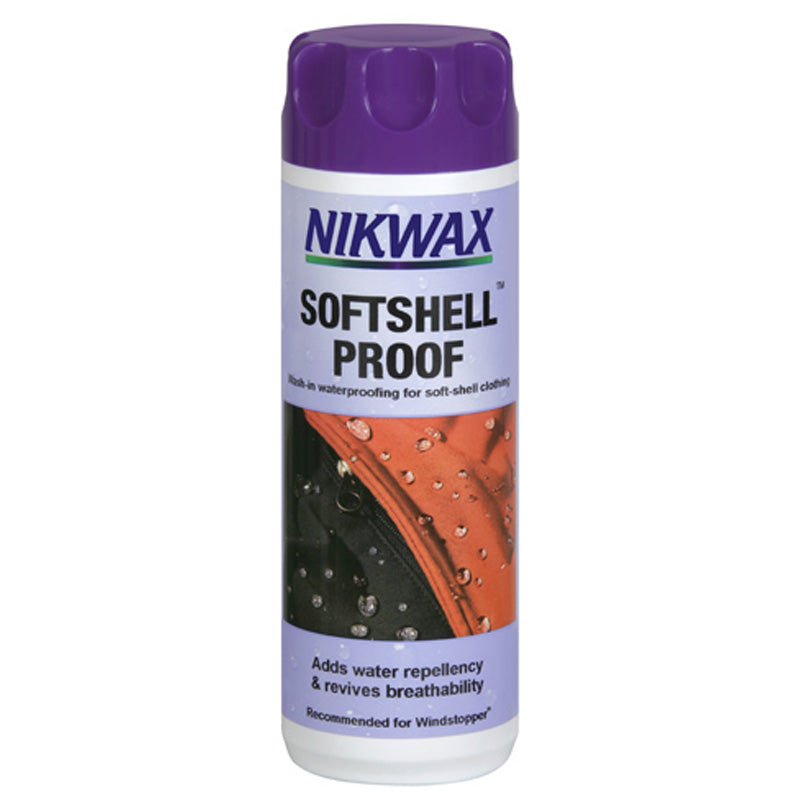
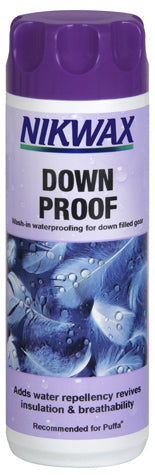
Besides wax and spray, there are also waterproofing products that need to be washed into the fabric.
In the webshop, you will find the waterproofing solution that fits exactly the material you need to waterproof. Finally, it should be mentioned that you should always follow the instructions that come with your product, and it’s also worth reading the label on the waterproofing container. You should also always follow the washing instructions on your outdoor clothing.
Remember to waterproof your gear so it lasts longer and protects you better against wind, water, and weather!