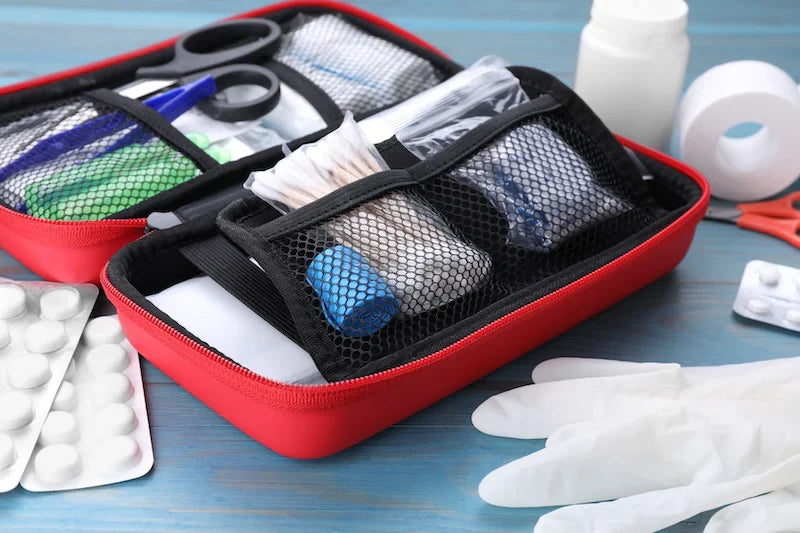
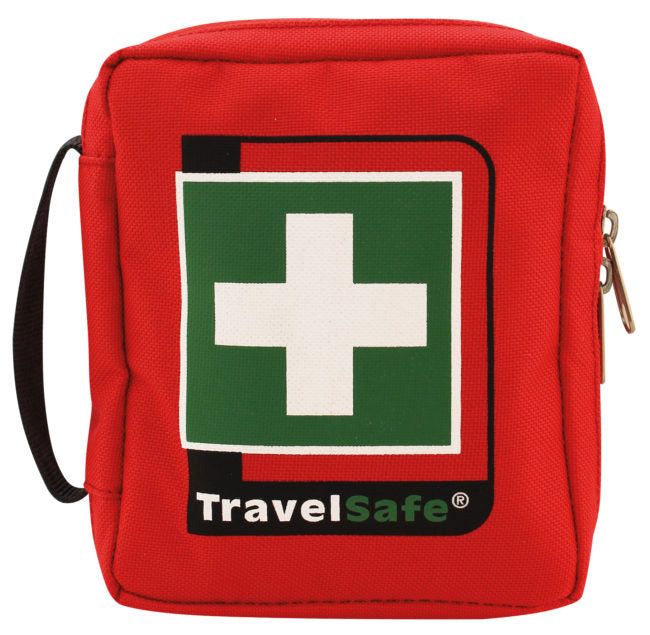
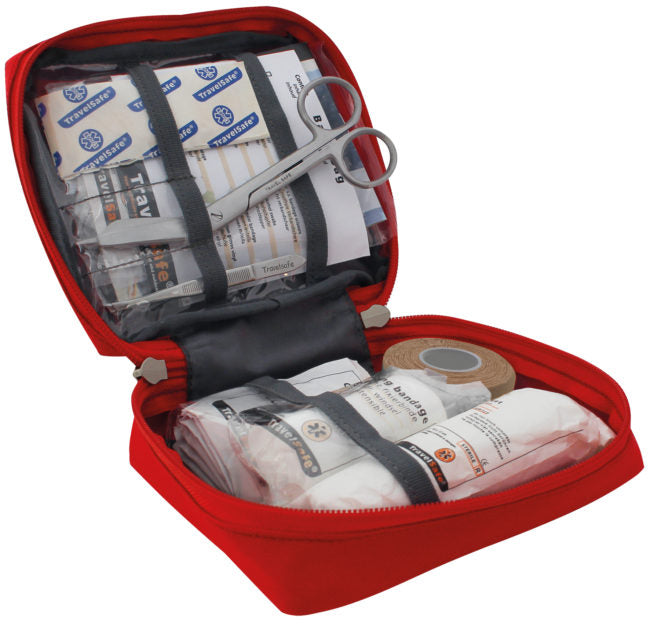
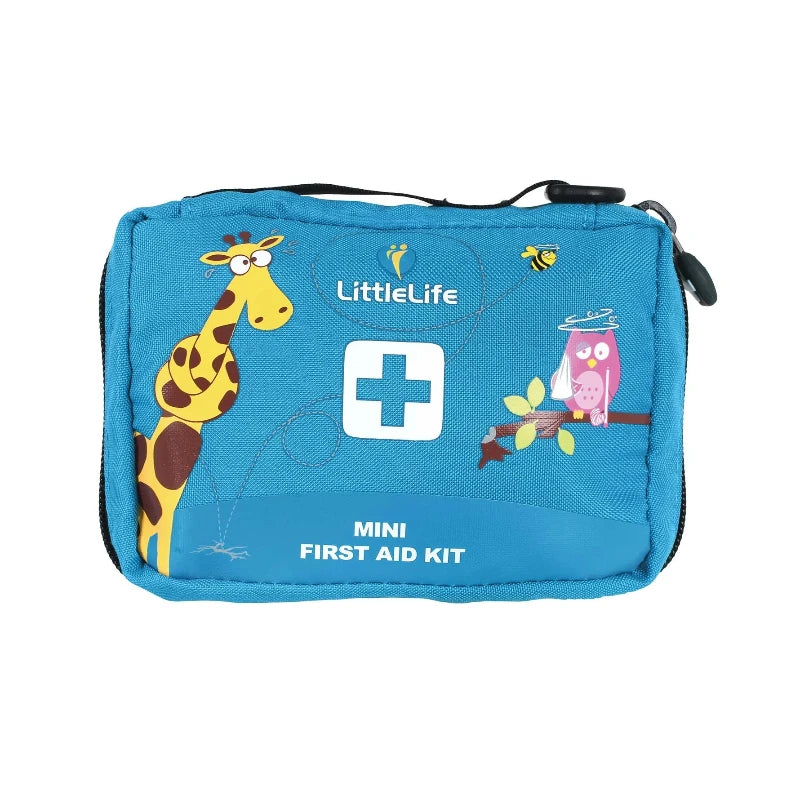
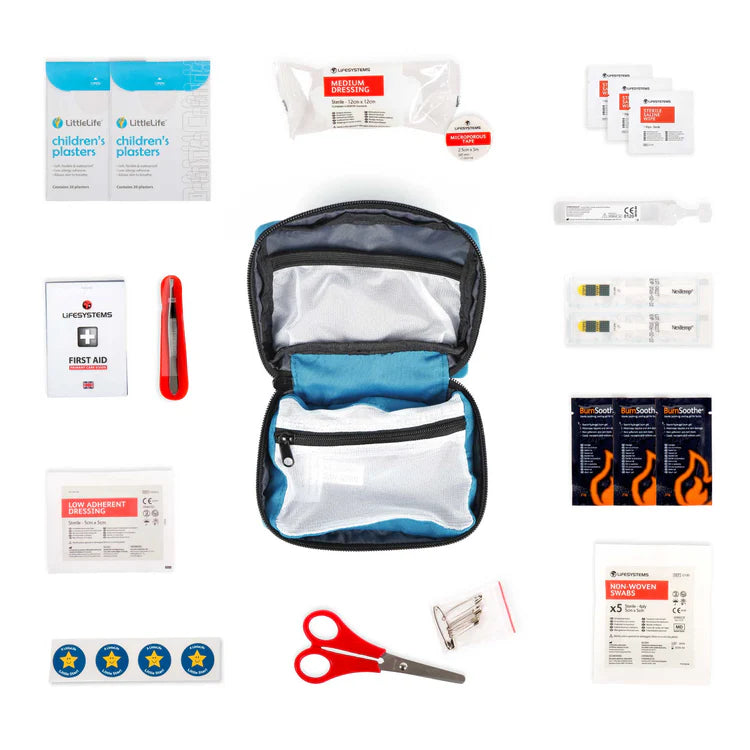
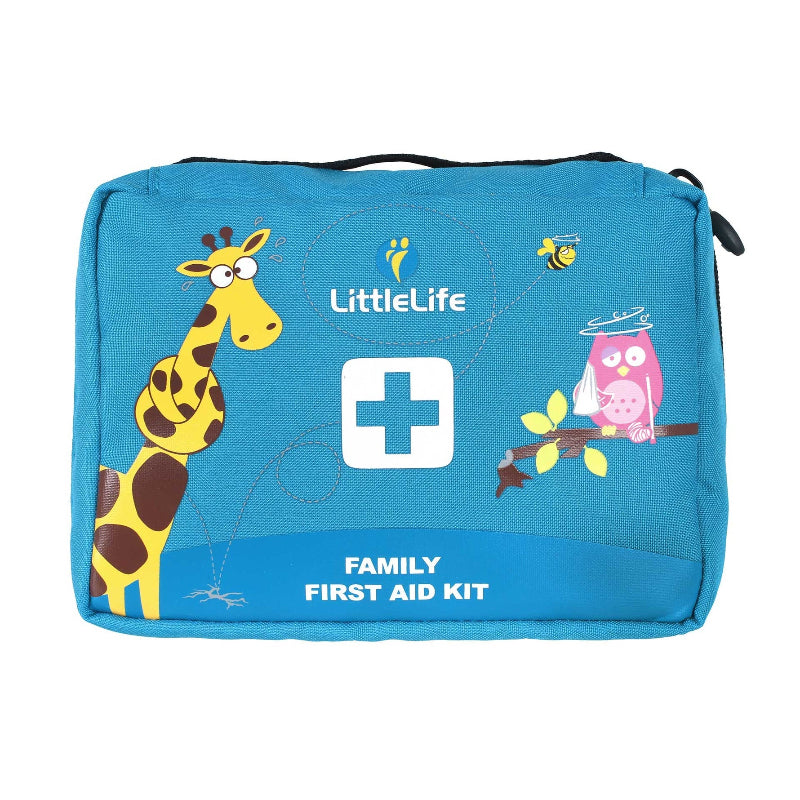
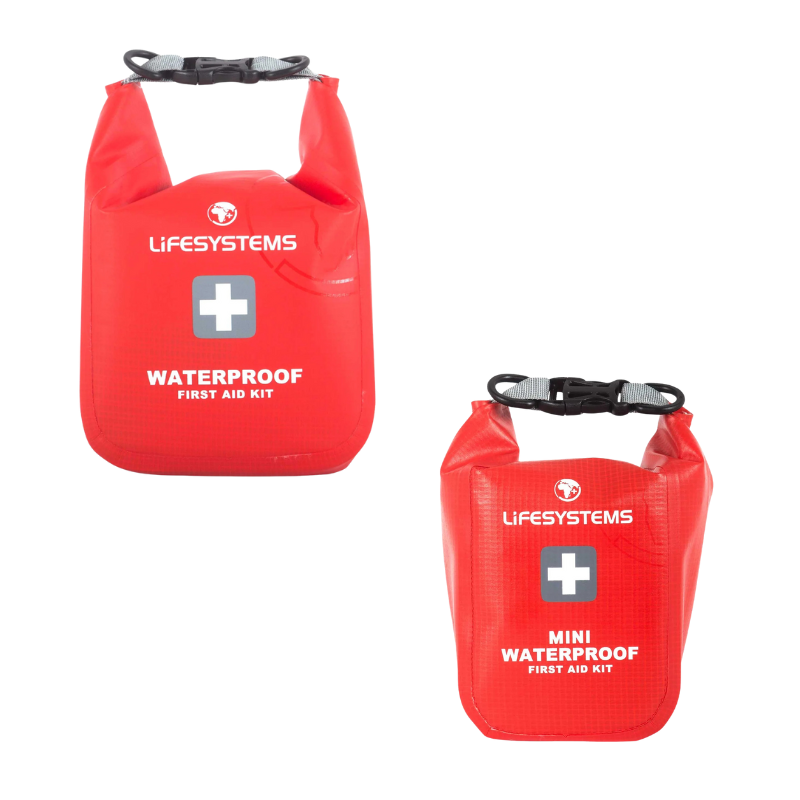
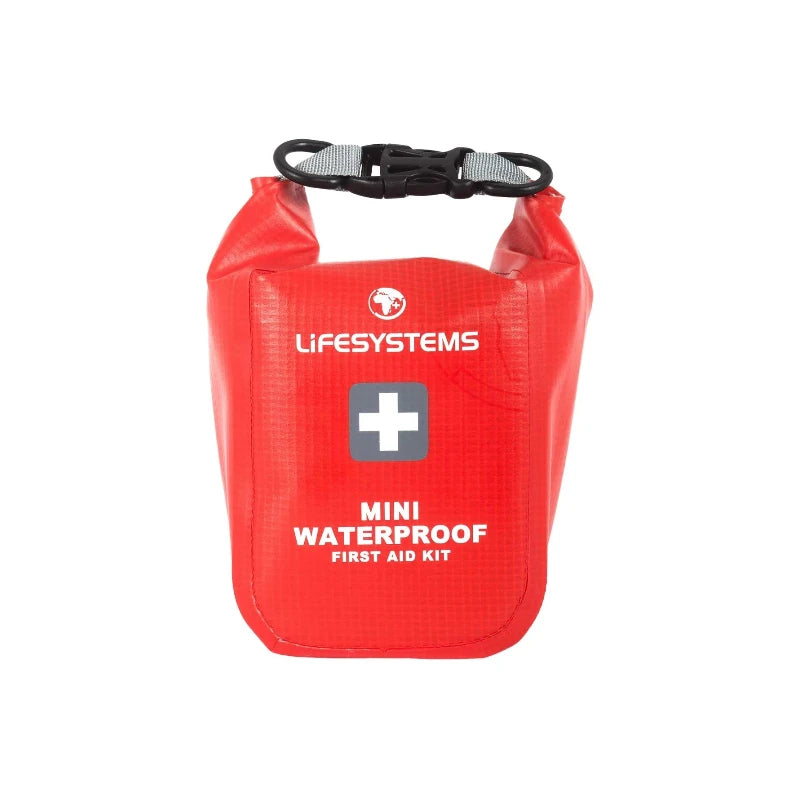
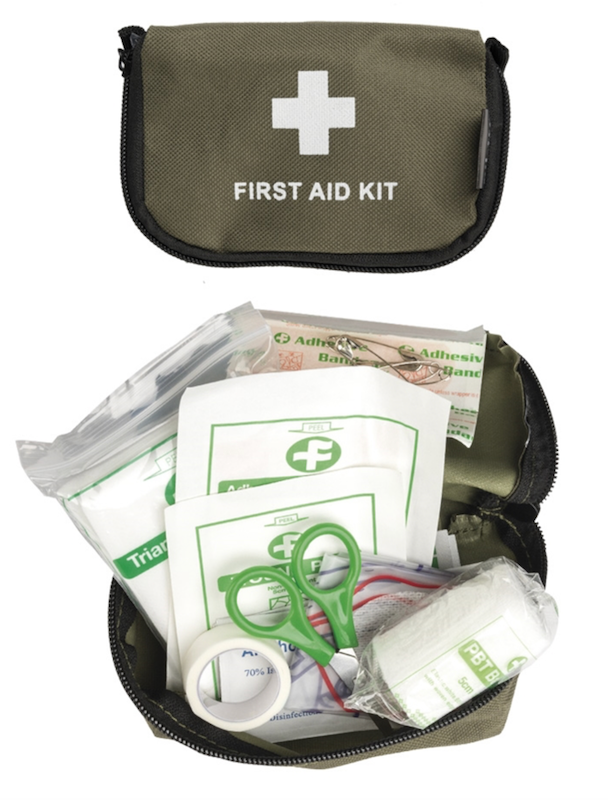
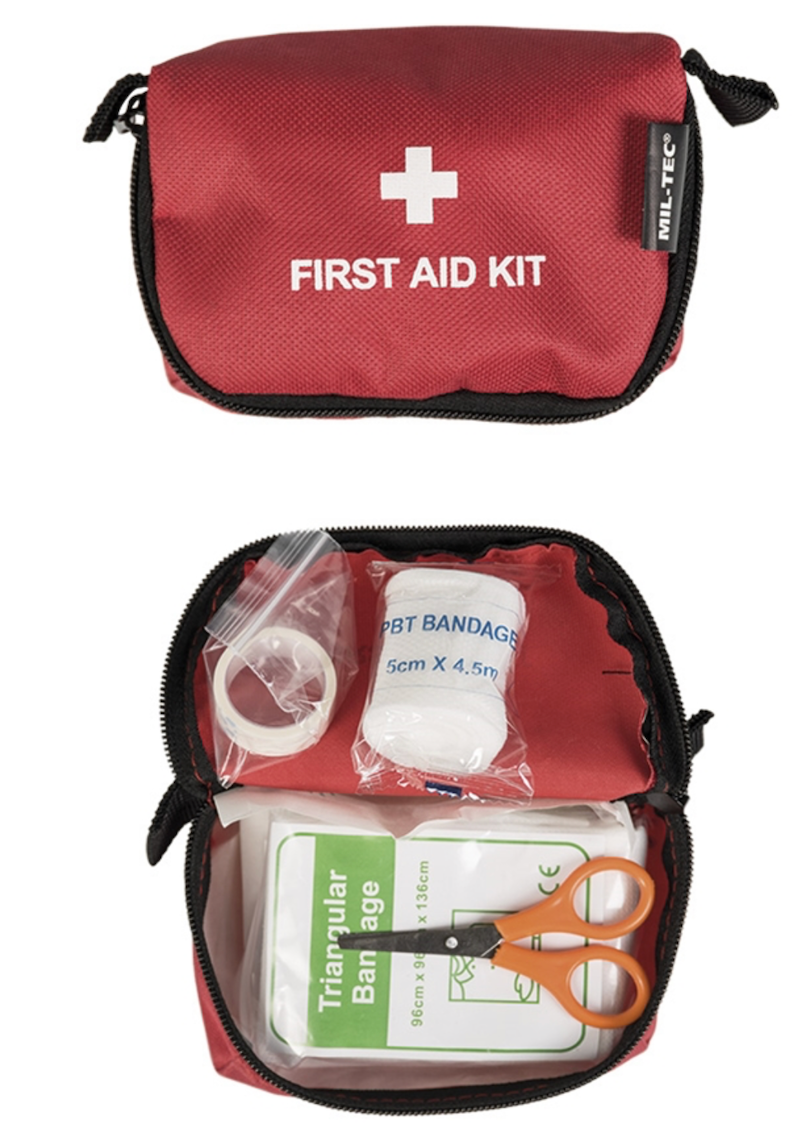
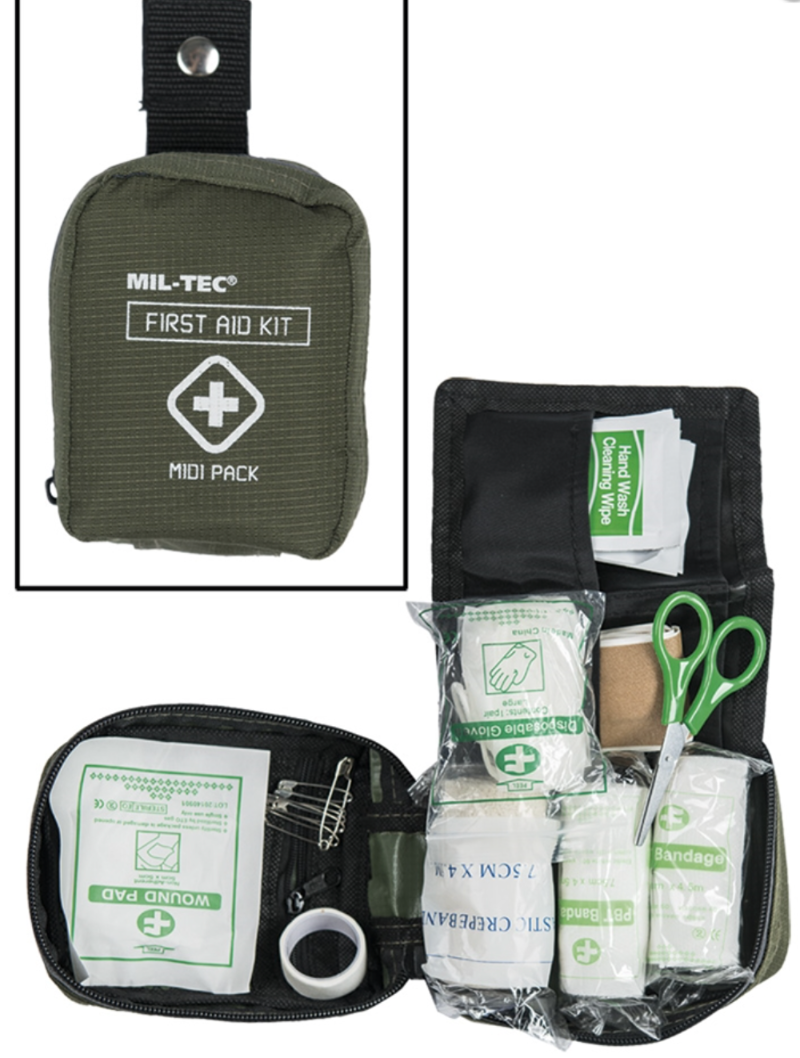
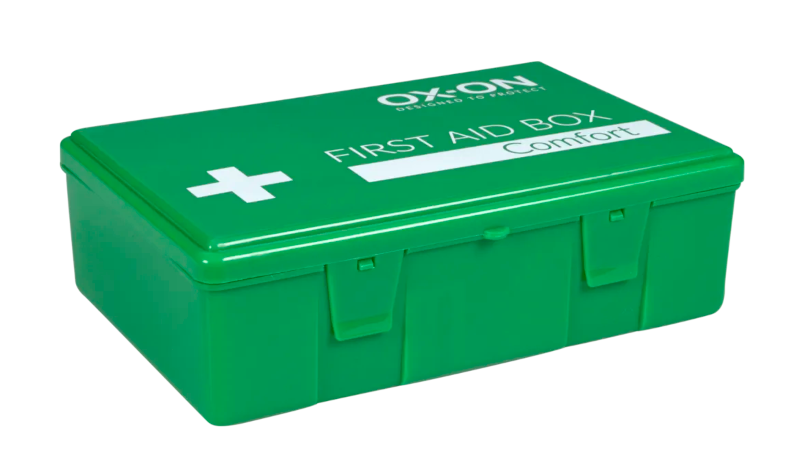
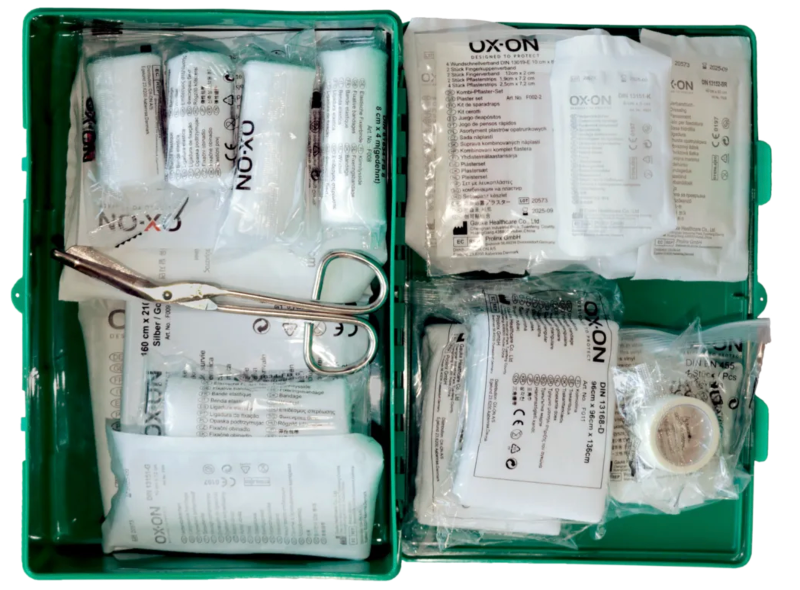
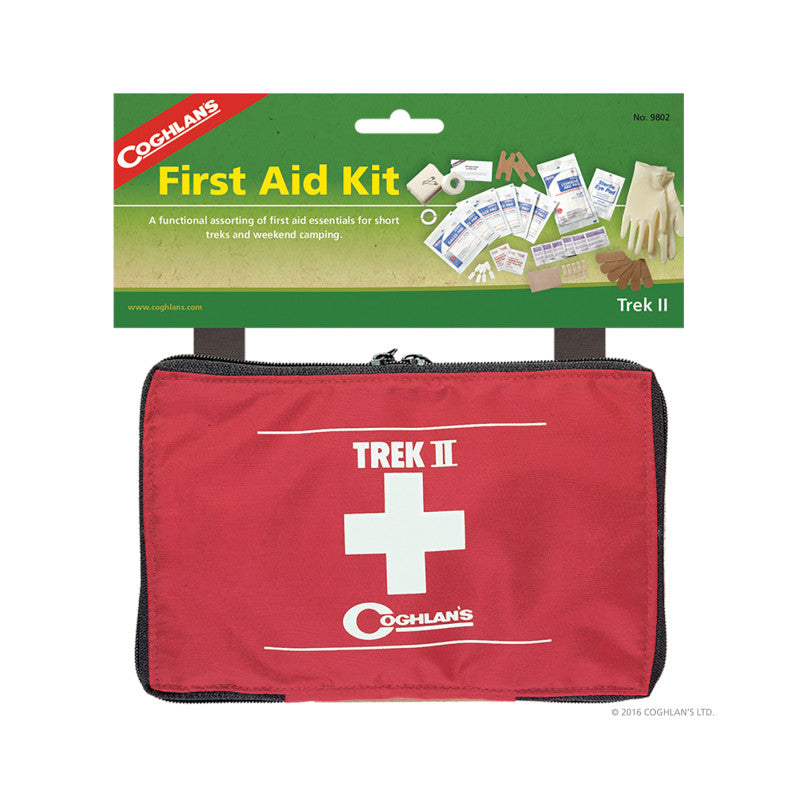
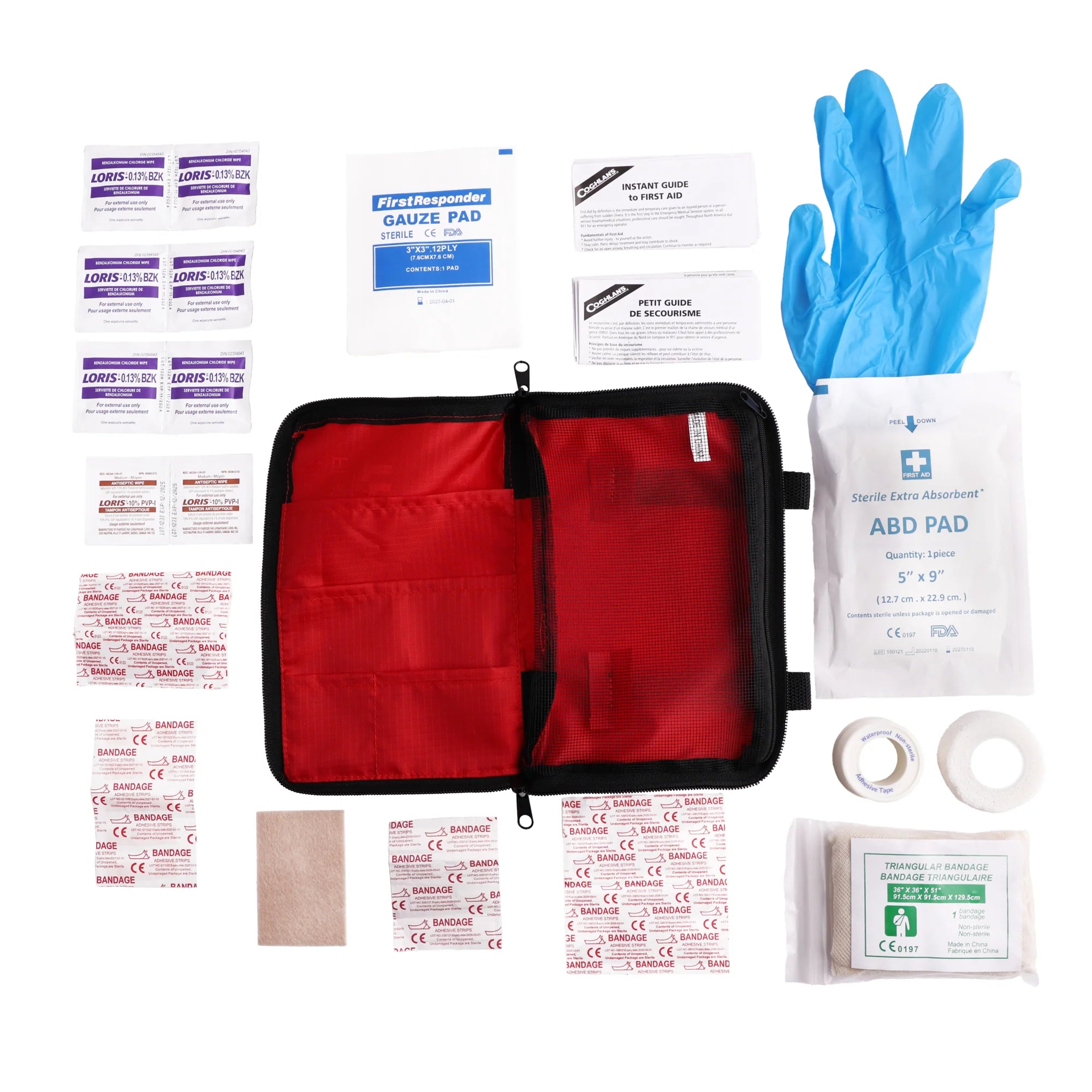
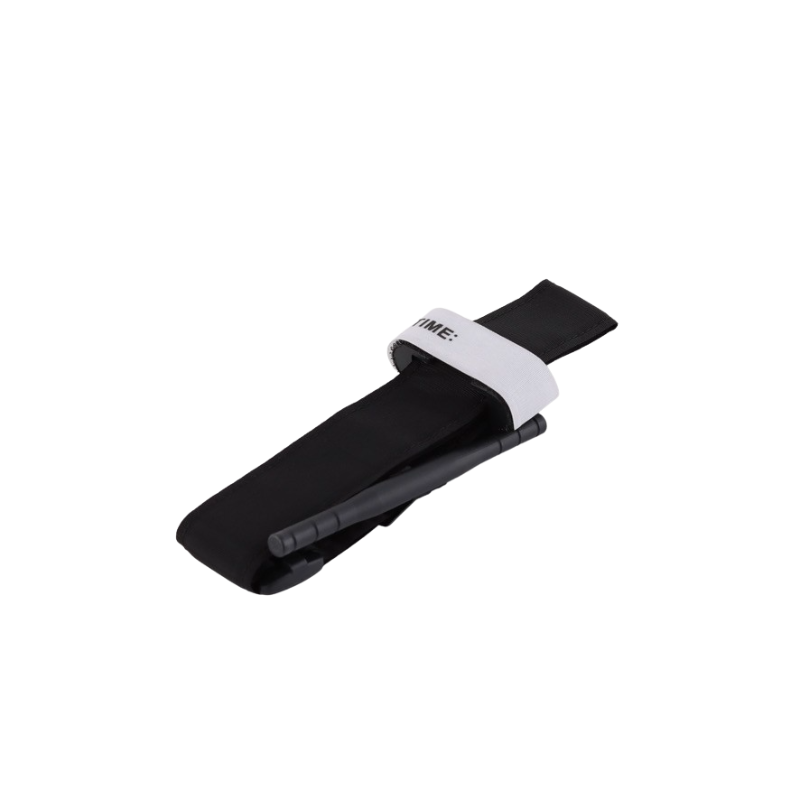
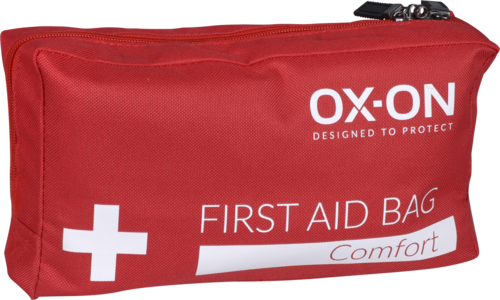
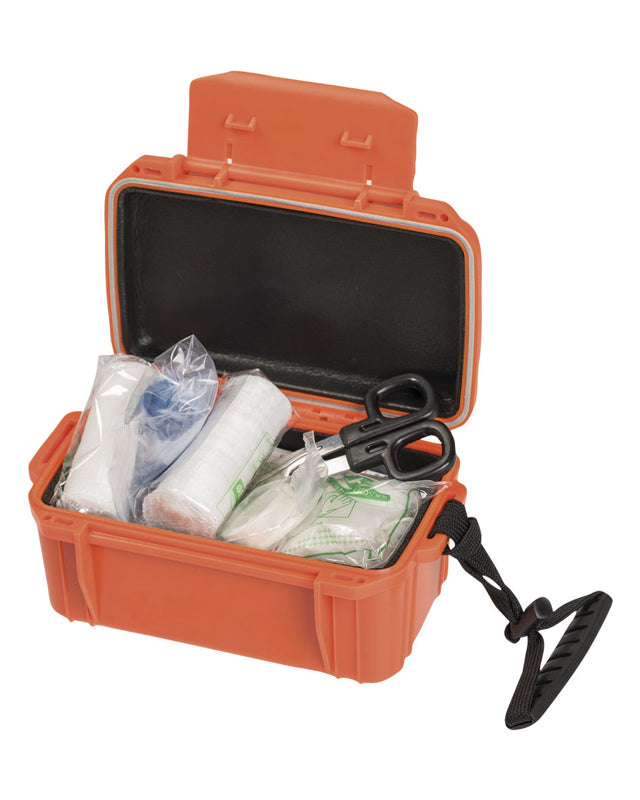
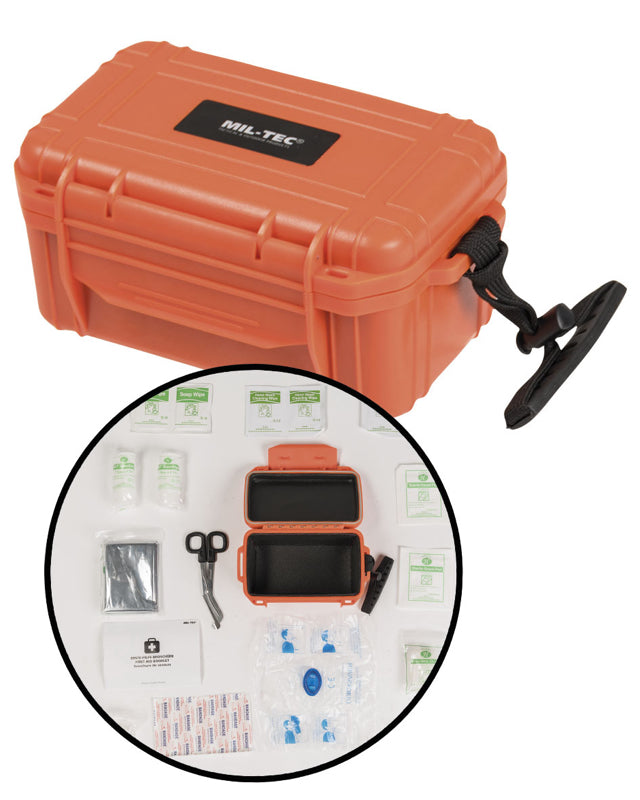
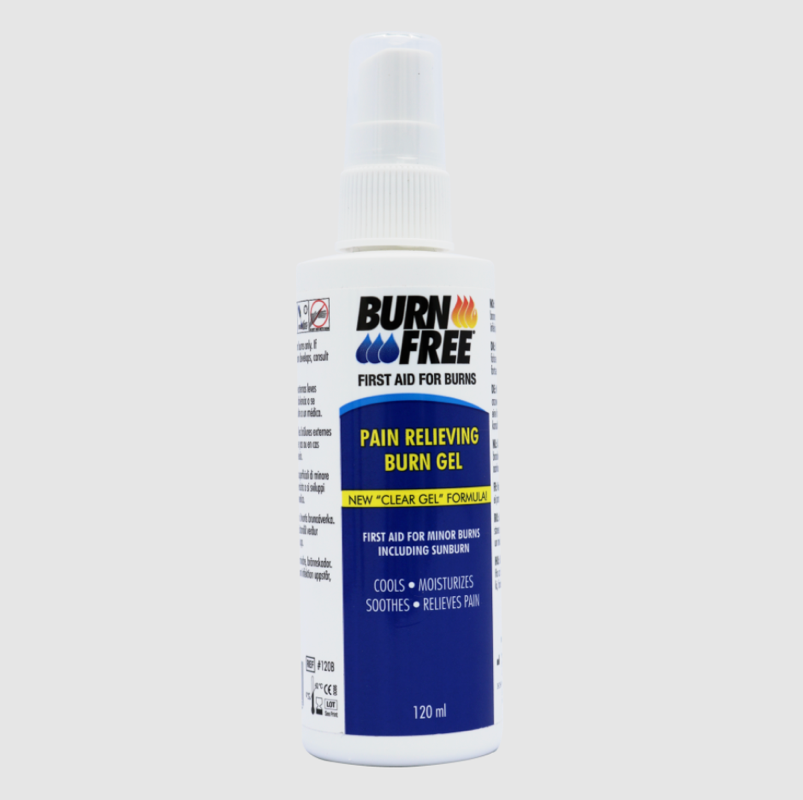
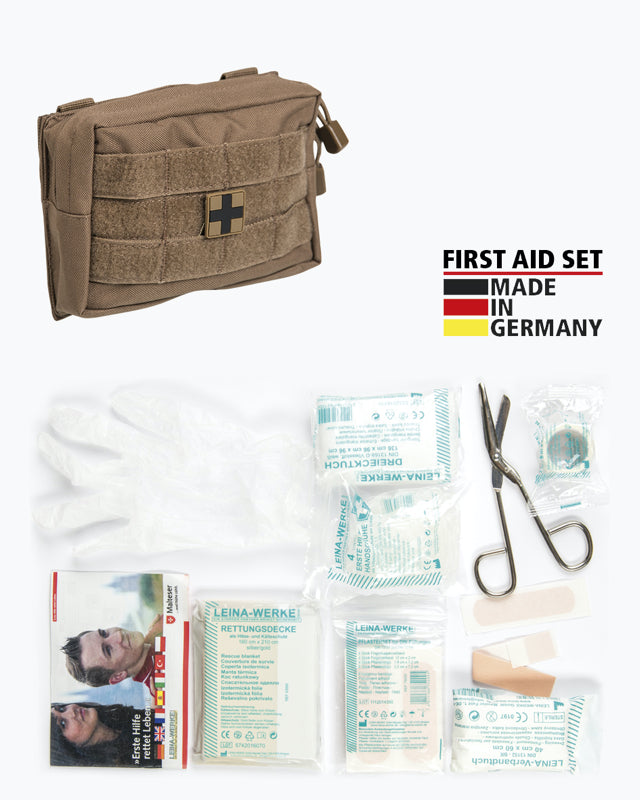
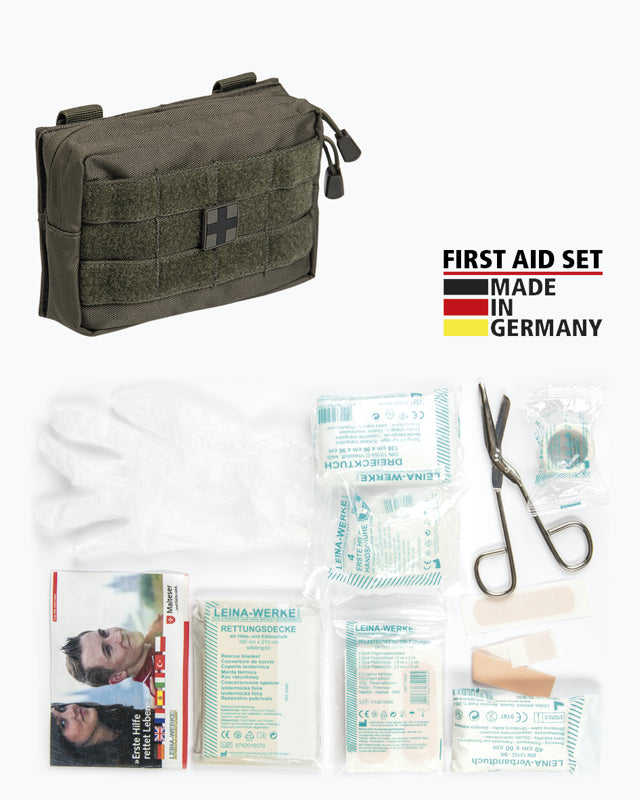
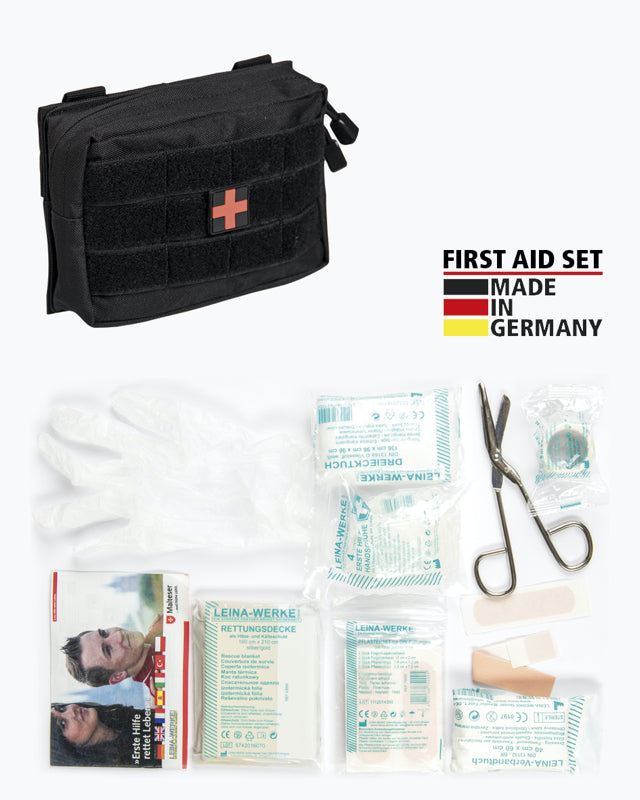
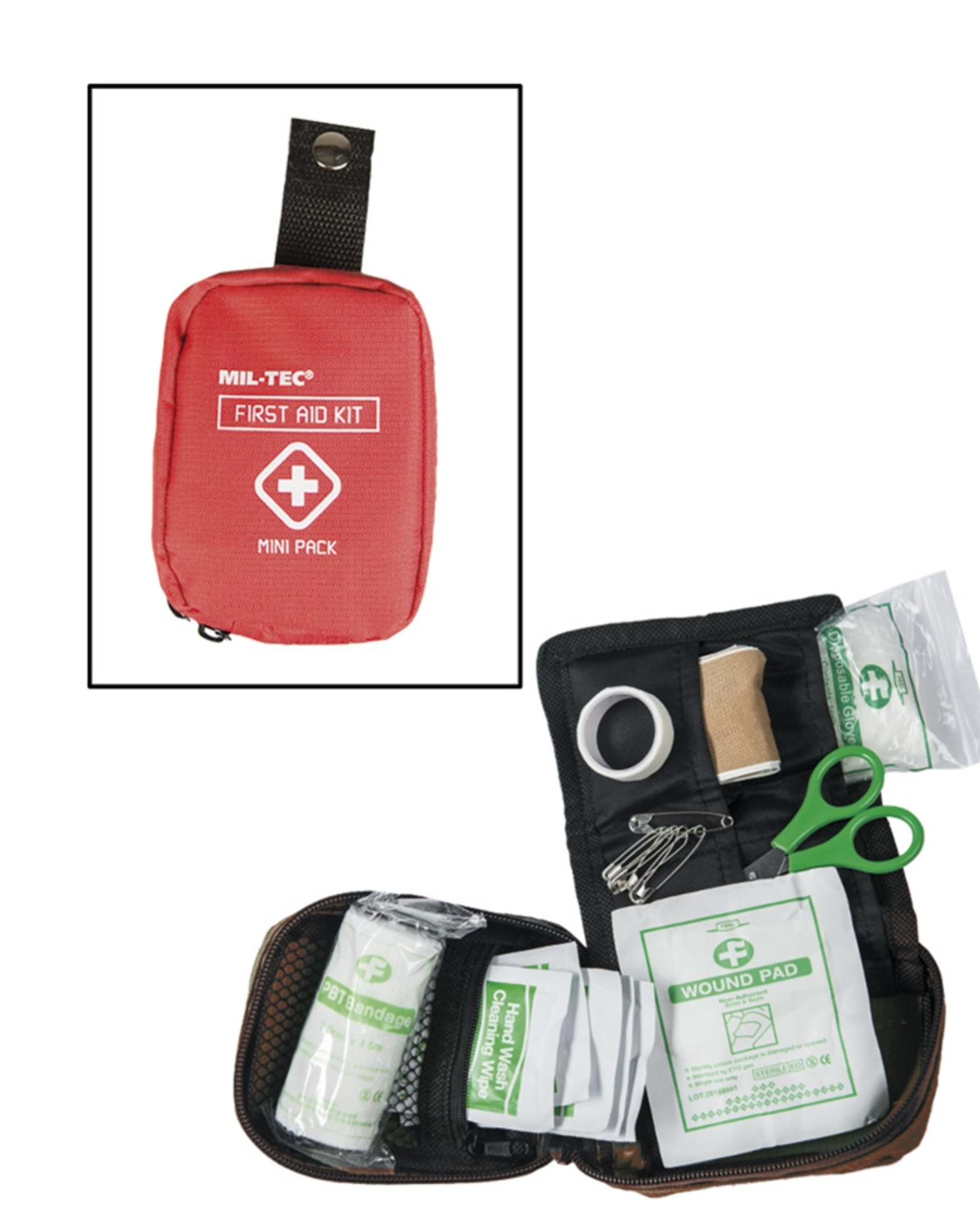
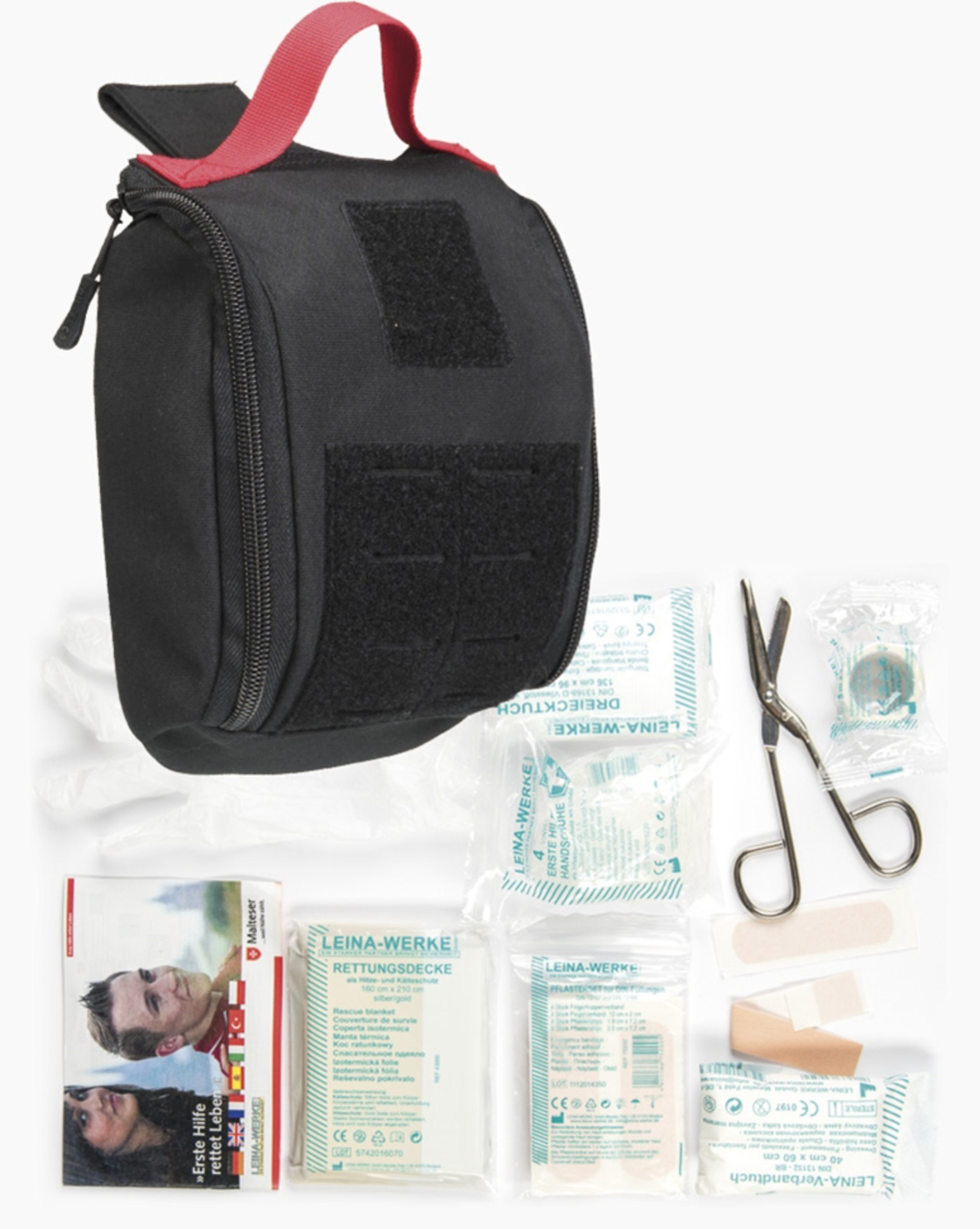
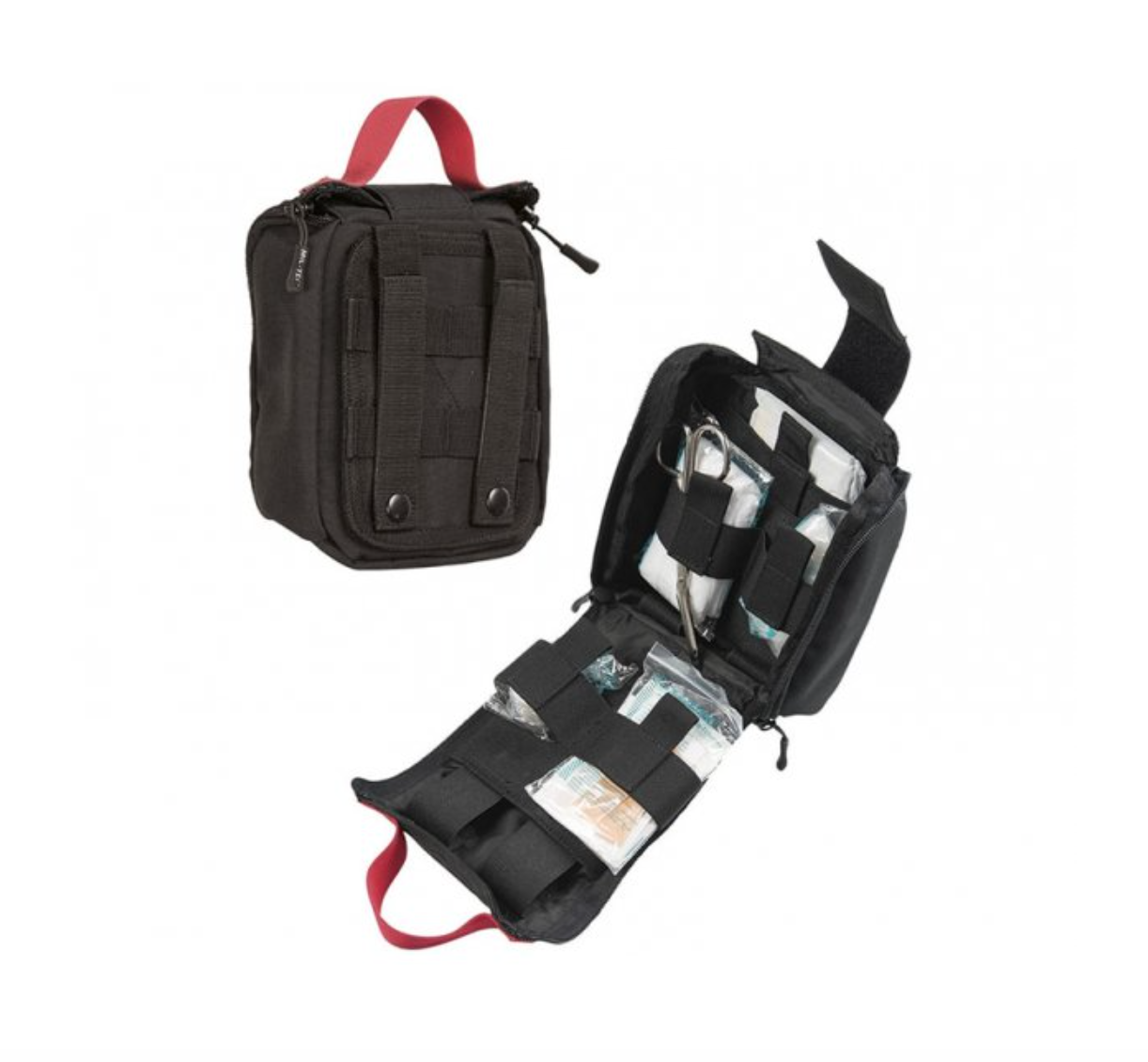
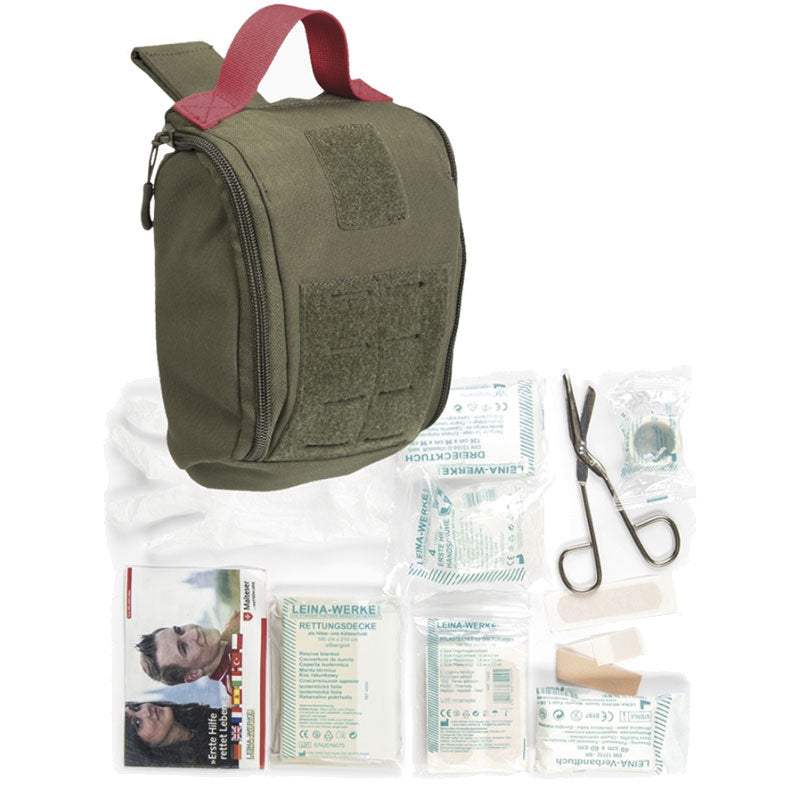
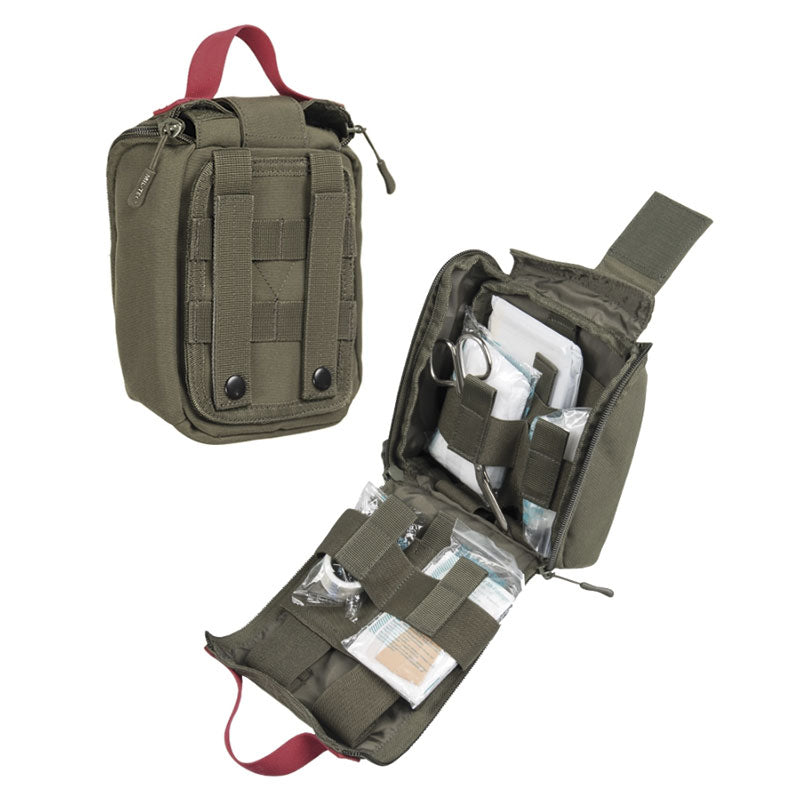
When you venture into nature, first aid is one of the most important things to have under control. Accidents happen no matter how careful you are, and in the outdoors, small injuries can quickly become big problems if you are not prepared. A well-equipped first aid kit ensures that you can handle everything from blisters and small cuts to more serious injuries until professional help arrives.
Why is first aid important when you are outdoors?
Nature is unpredictable. The weather changes, the terrain is uneven, and even the most experienced outdoor enthusiast can get into trouble. Having the right first aid equipment with you can make a world of difference if you or a travel companion need it. With a good first aid kit, you can:
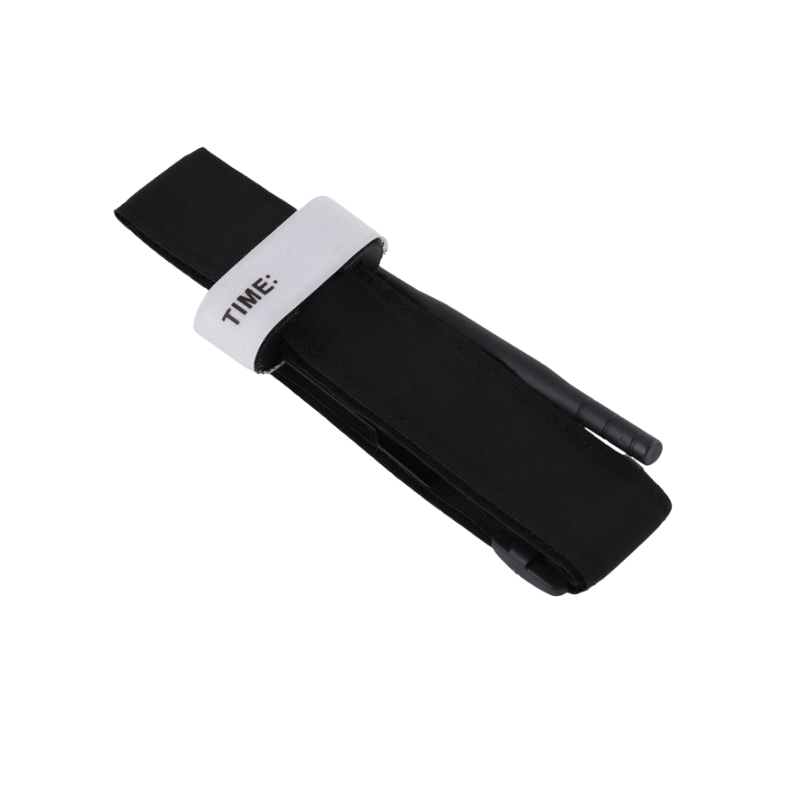
Stop bleeding and treat wounds
Prevent and relieve blisters
Alleviate insect bites and allergic reactions
Stabilize an injury until help is available
Keep warm with emergency gear like foil blankets
First aid is not about fear but about being responsible and ready to handle unforeseen situations. When you pack a first aid kit, you are not only packing for yourself but also for your travel companions. With the right preparation, you can enjoy nature with peace of mind and focus on what matters most – the adventure outdoors.
Whether you are going on a short day trip or a longer expedition, you will find the necessary first aid supplies here.
A first aid box is also practical to have in your home emergency kit or crisis preparedness kit, with basic medical supplies and tools to treat minor injuries or illnesses during emergencies. It can also be a good idea to bring first aid equipment on trips and vacations to protect yourself and your loved ones with the most common first aid remedies.
Tips and good advice about first aid
There are some things and equipment that are good to keep in mind when it comes to first aid. Below you will find a small list of our recommendations.
Water:
It goes without saying, but it can hardly be said often enough: It is really important to maintain your fluid balance. And on longer trips, it is important to plan your route so you ensure you don’t run out of water. With us, you can find both purification tablets or water purification systems and water filters, so you can turn the water you find in nature into clean drinking water. And it’s also about having a good, leak-proof water bottle with you, which you can of course also find with us here.
Over-the-counter painkillers and antihistamines:
It is always a good idea to have Panadol, Ibuprofen, or whatever light painkillers you prefer in your bag. Antihistamines are also available over the counter and can be very useful as part of your first aid supplies because they reduce allergic reactions. They can therefore be helpful even if you don’t suffer from hay fever or similar, as they also reduce skin reactions from insect bites or stings, for example from mosquitoes, bees, or wasps.
Emergency signaling:
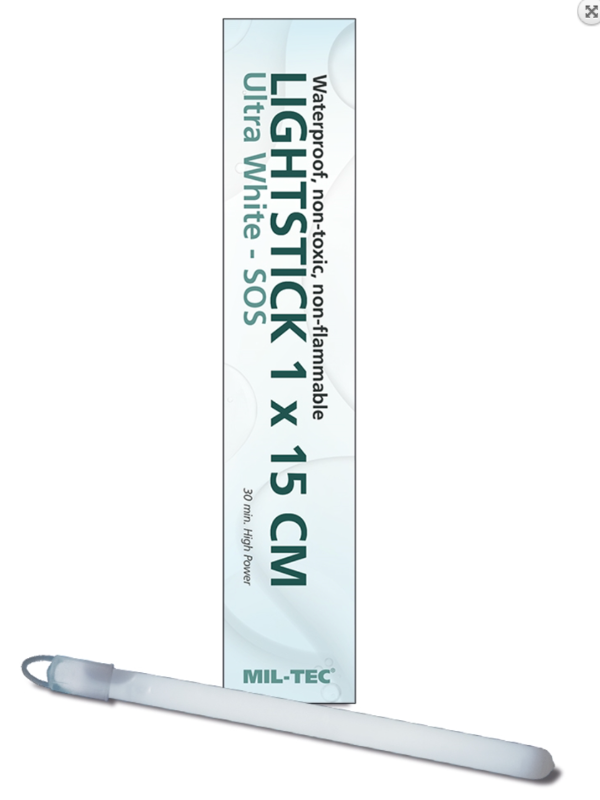
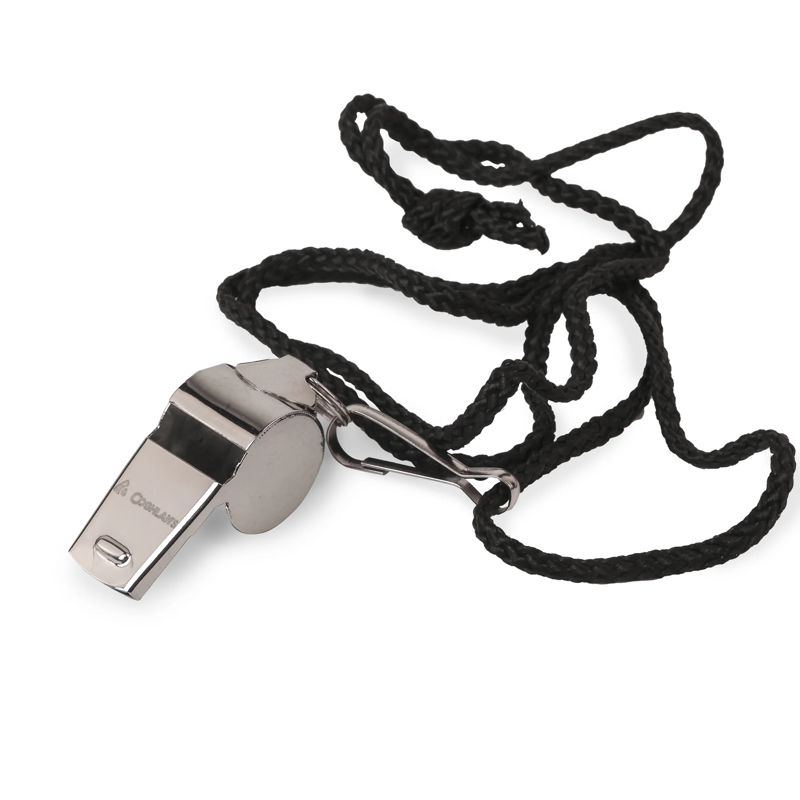
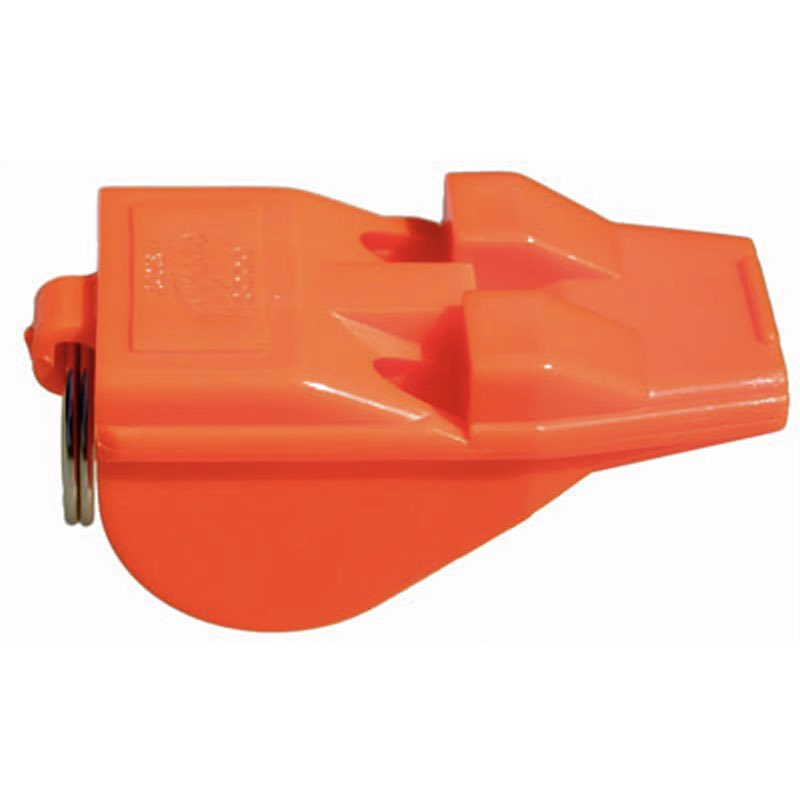
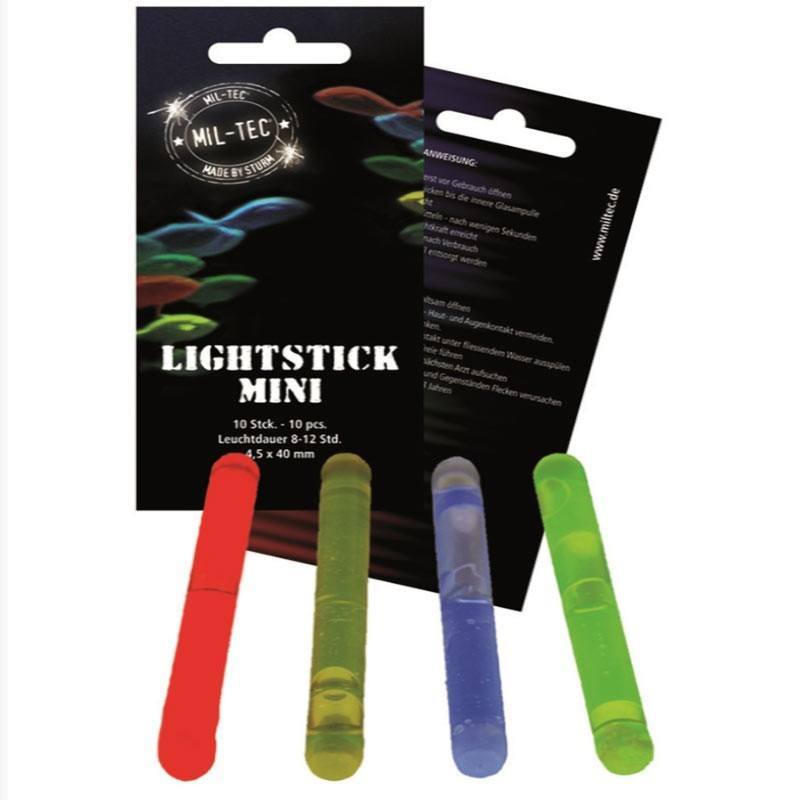
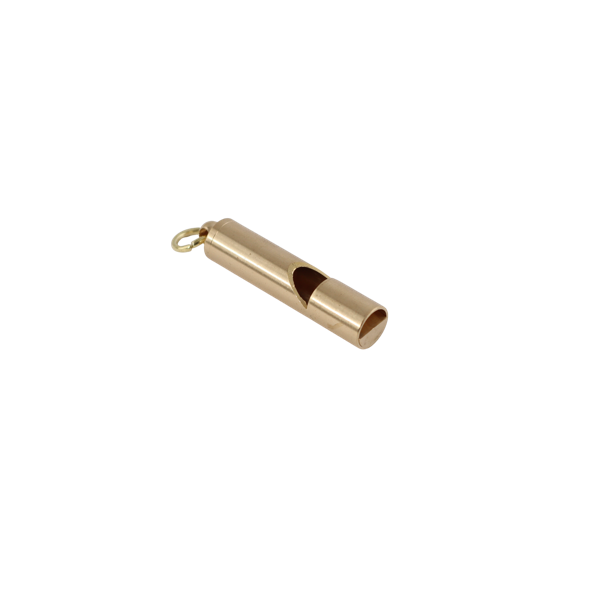
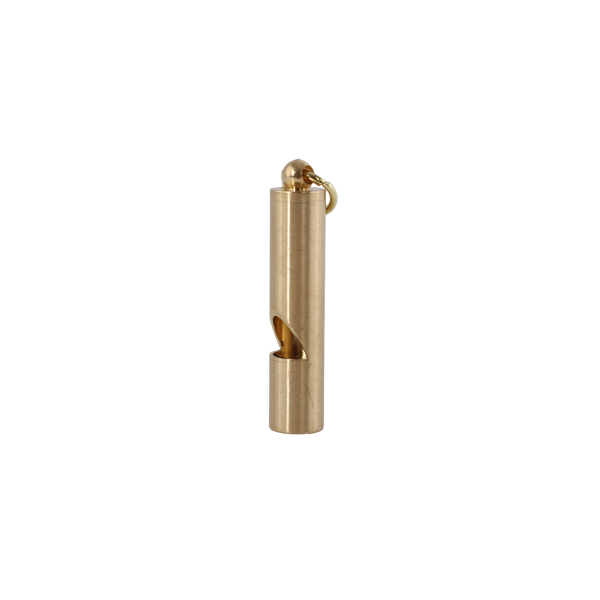
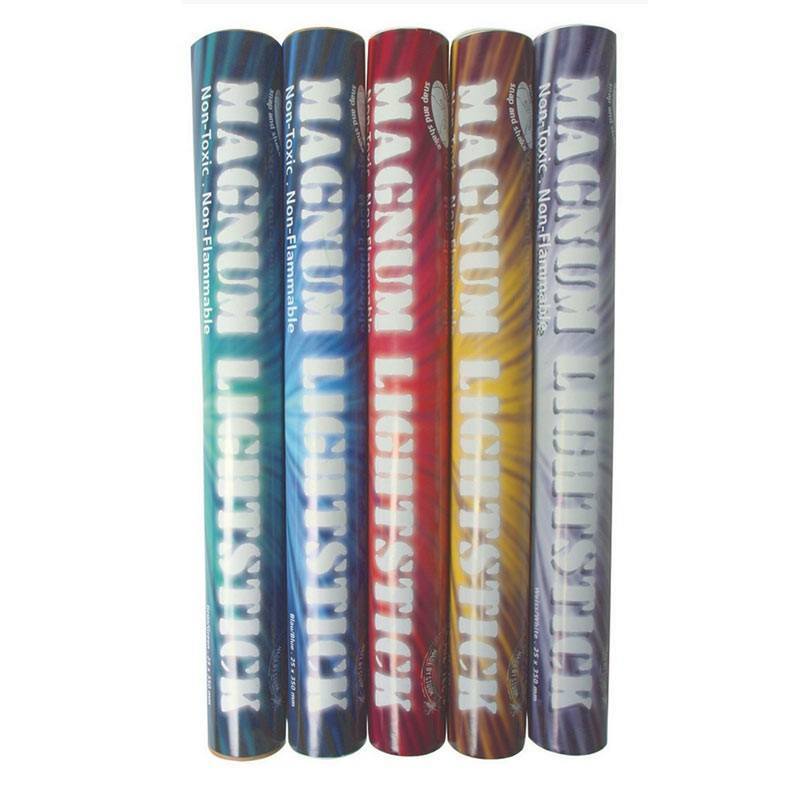
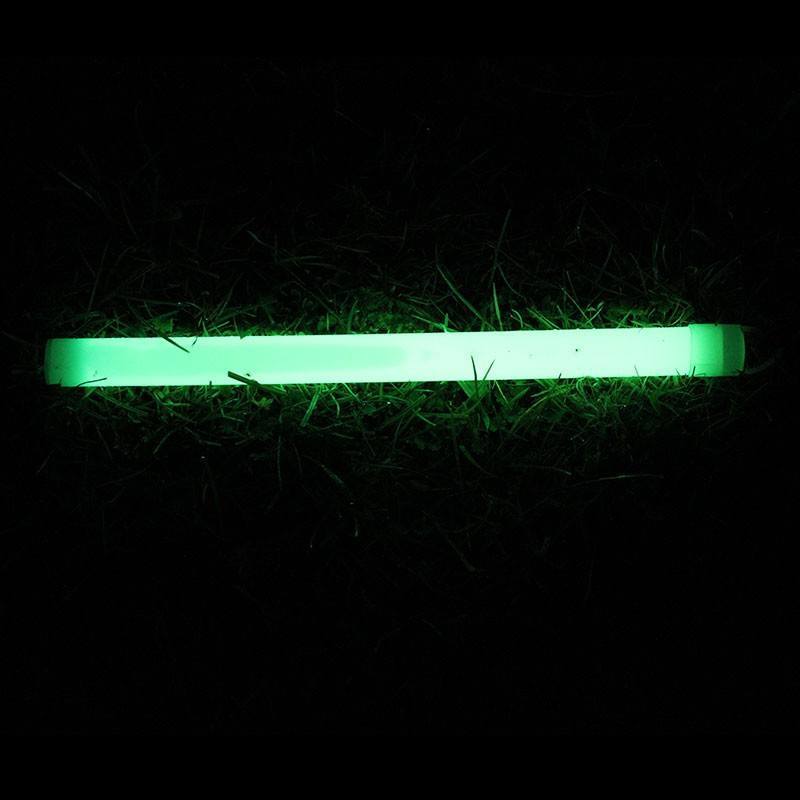
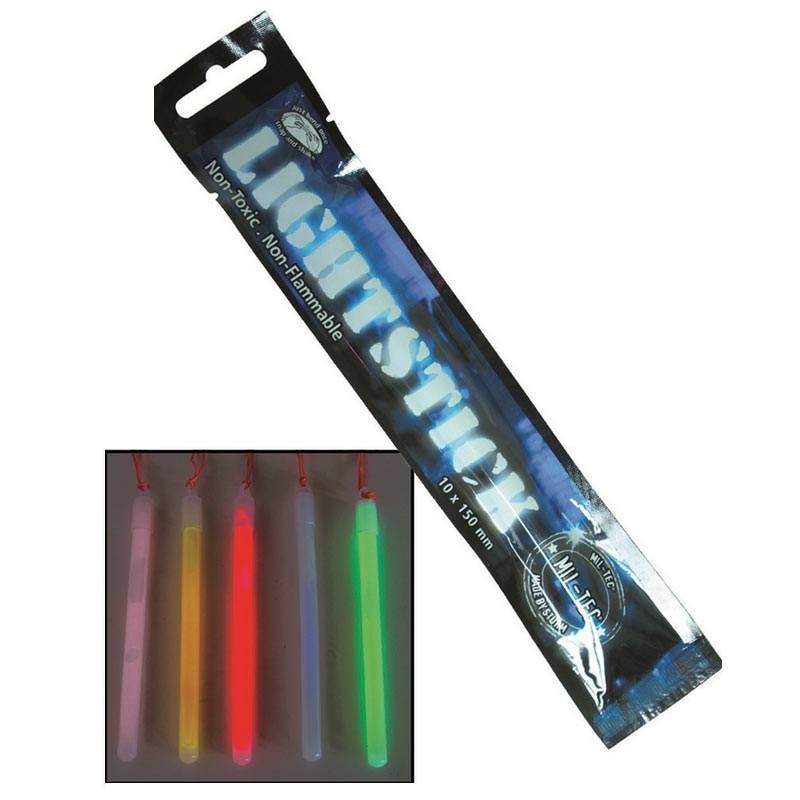
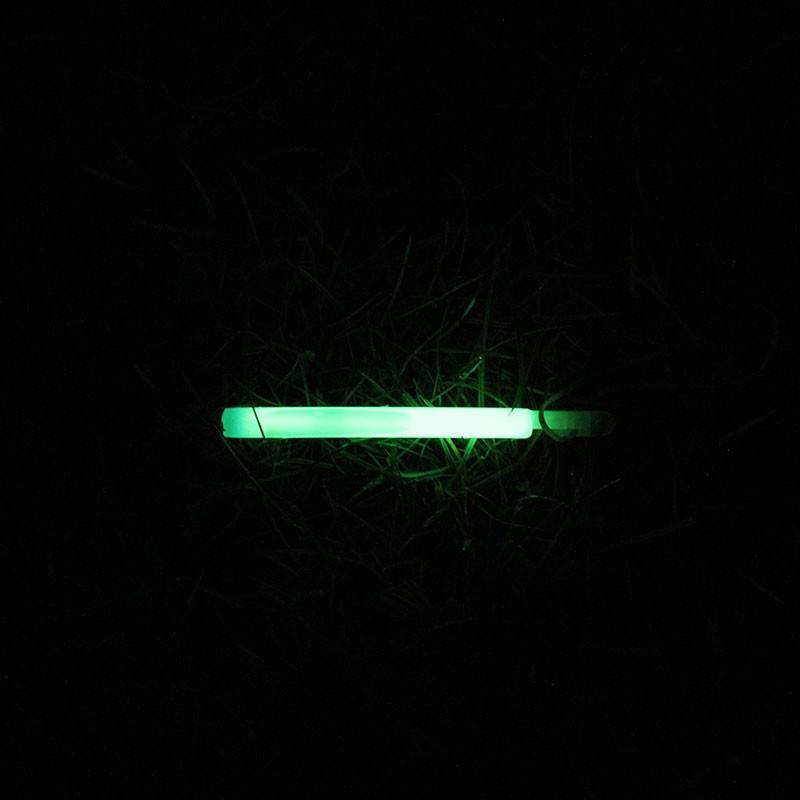
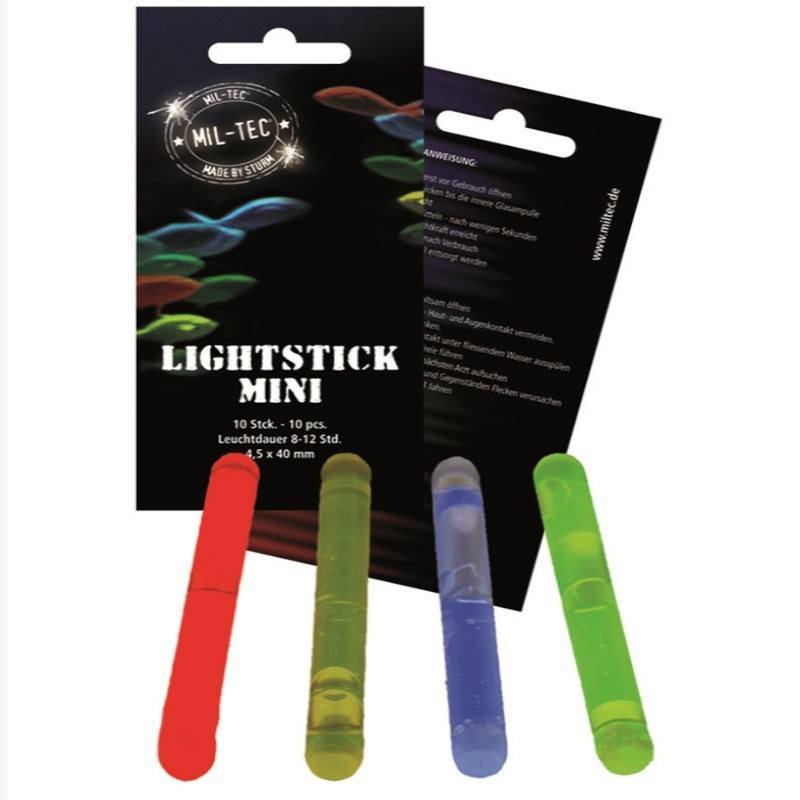
If things have gone completely wrong, you have given the first aid you can, and you are now waiting for someone to come and get you, it is important to be able to send some kind of emergency signal so the rescue team can find you faster. Especially on longer trips, it is recommended to bring a small whistle. It takes up very little space, weighs very little, and can be really good for sounding an alarm. You can also bring glow sticks, as they are incredibly useful in many situations and can also be used effectively for emergency signaling. A foil blanket reflects light and can also be used as an emergency signal. The reflective material of the foil blanket also helps reduce heat loss by reflecting up to 90% of body heat back to the person. This can be crucial in cold environments or in cases of hypothermia. A foil blanket also acts as an effective barrier against wind, rain, and cold, making it useful if you suddenly face bad weather.
Additionally, there are several small items you probably already have at home that you might not necessarily think of as first aid but that still fall under being well prepared for your trip:
Tweezers and tick remover: For the smallest but probably also the most frequent "injuries".
Safety pins: They are surprisingly often useful, for everything from securing bandages to keeping rolled-up sleeves from falling down.
Blister plasters: To prevent a potentially unbearable hike.
Cleaning wipes and hand sanitizer: Yes, that goes almost without saying.
Sunscreen: Also remember sunscreen in winter, especially if you are going to higher altitudes or through snowy landscapes. We have all probably seen examples of what it looks like when someone has been on a ski trip without sunscreen, with the completely white ski goggle eyes and sunburned nose serving as a very tangible reminder that the sun’s rays do hit us even when we don’t think about it.
Lip balm and a small hand cream: Especially in colder weather. The skin on your face and hands is most exposed when you are outdoors, and once the skin is very dry or even cracked, it is very hard to fix again.
Most of all, it’s all about feeling safe and secure in nature and taking care of yourself and those around you, so that nature experiences, more than anything else, become a source of adventure and great memories.