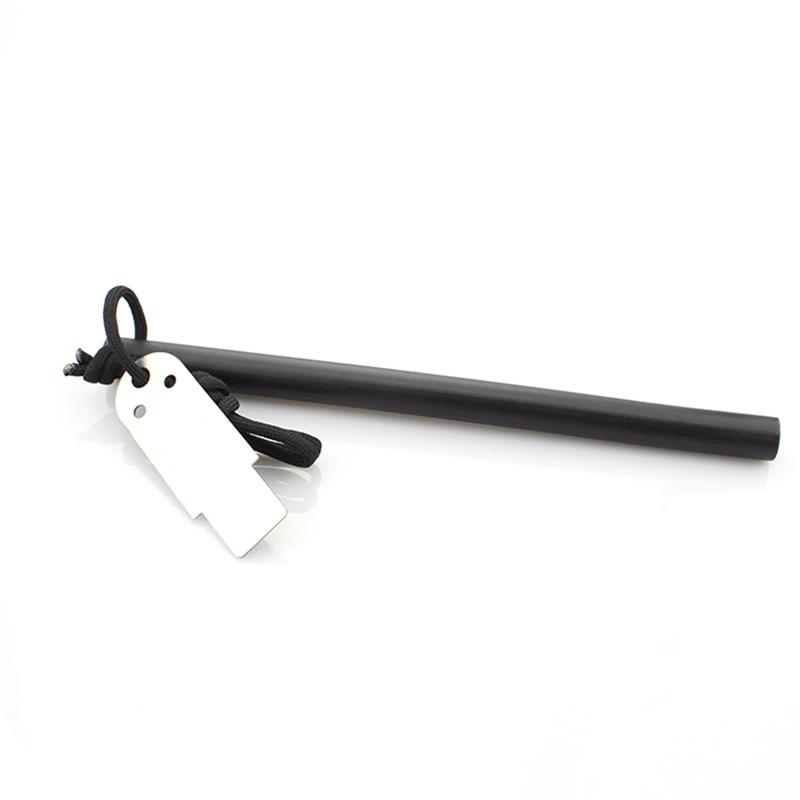
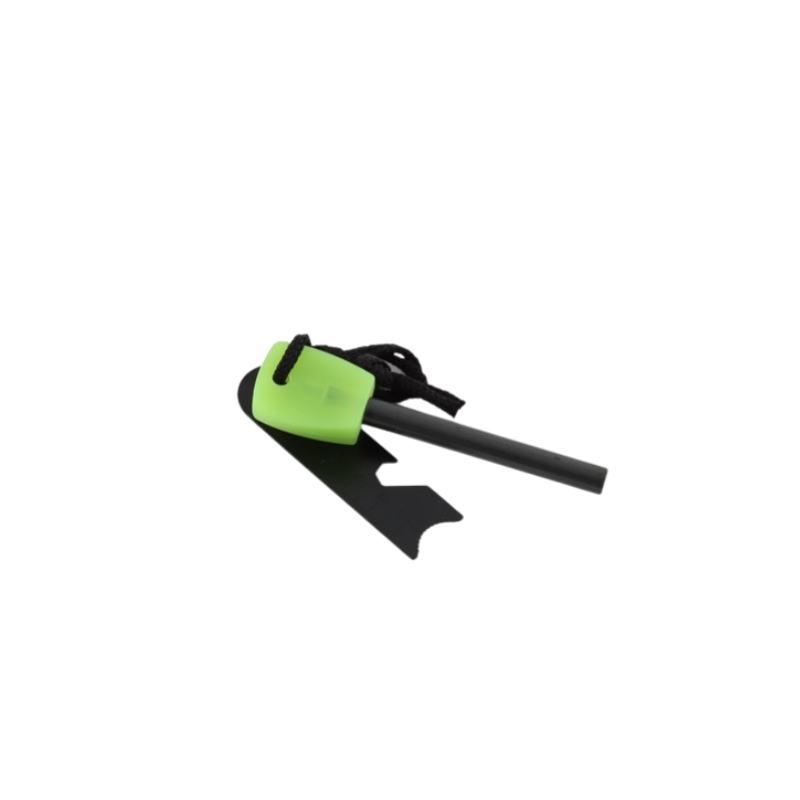
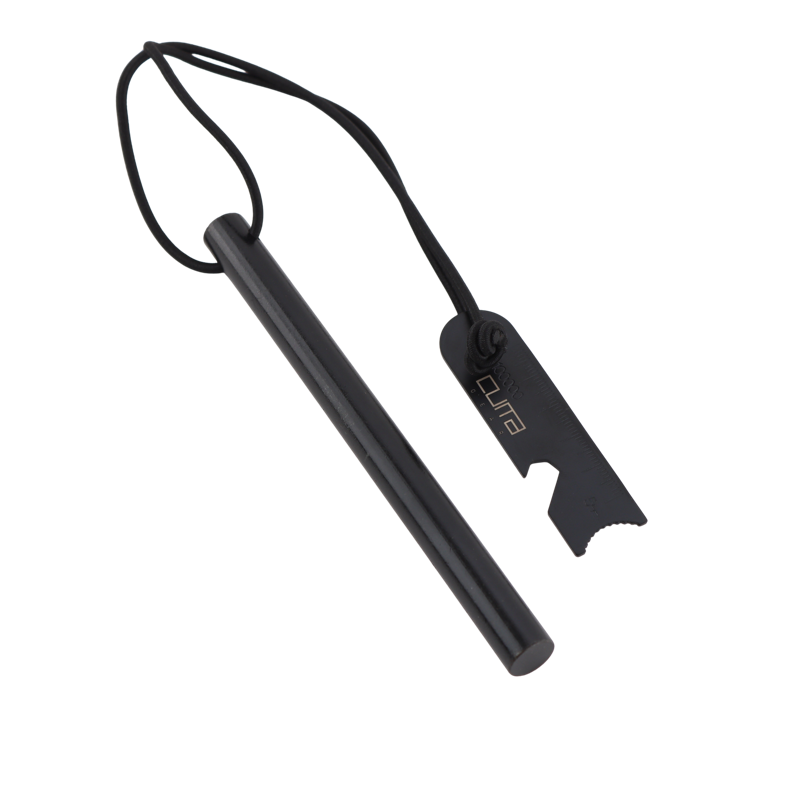
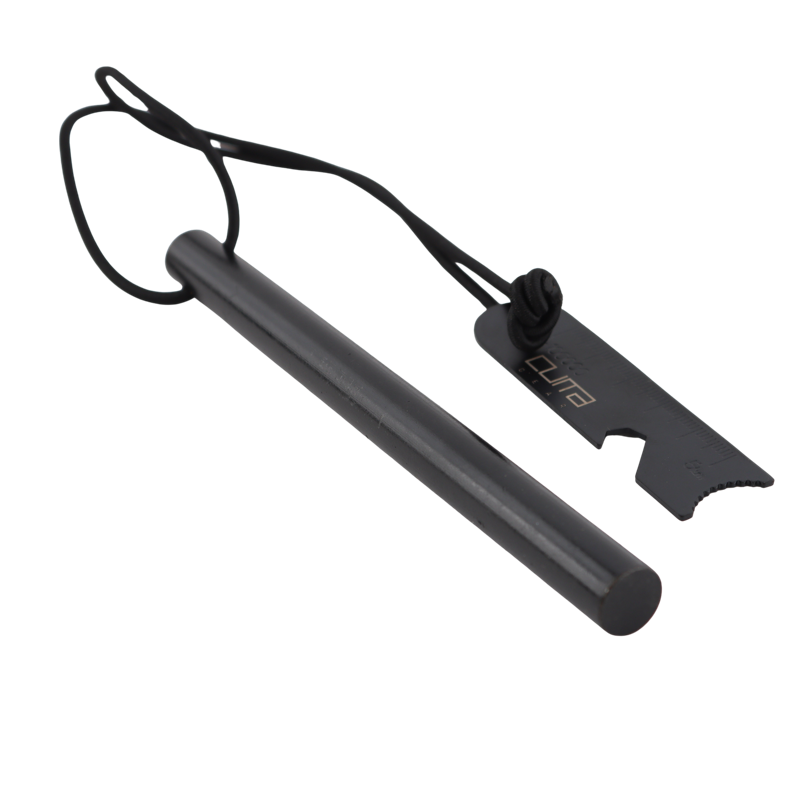
Firesteel & Fire Starters for the Outdoor Enthusiast!
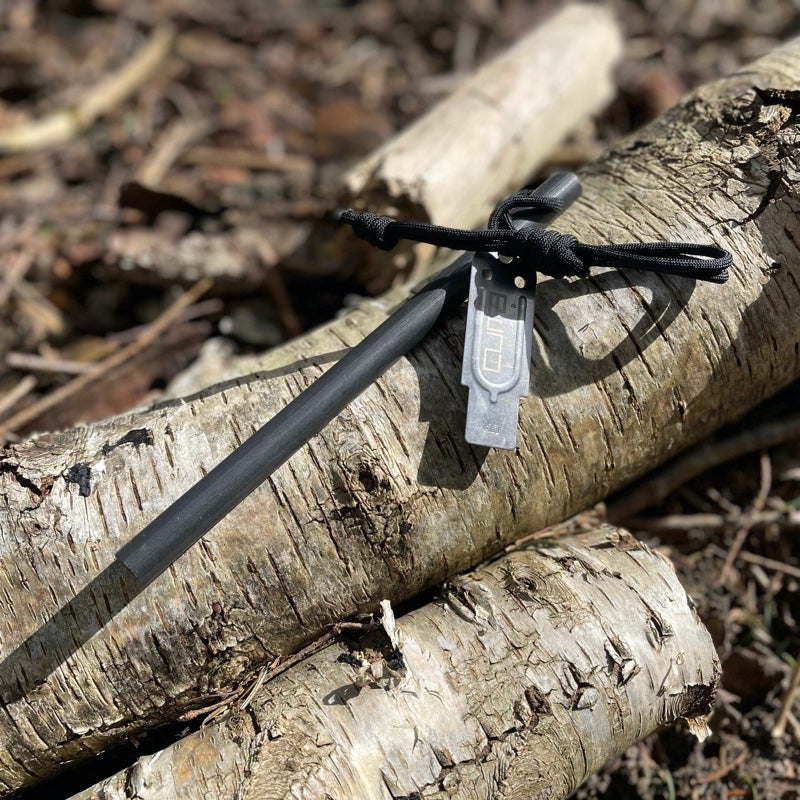
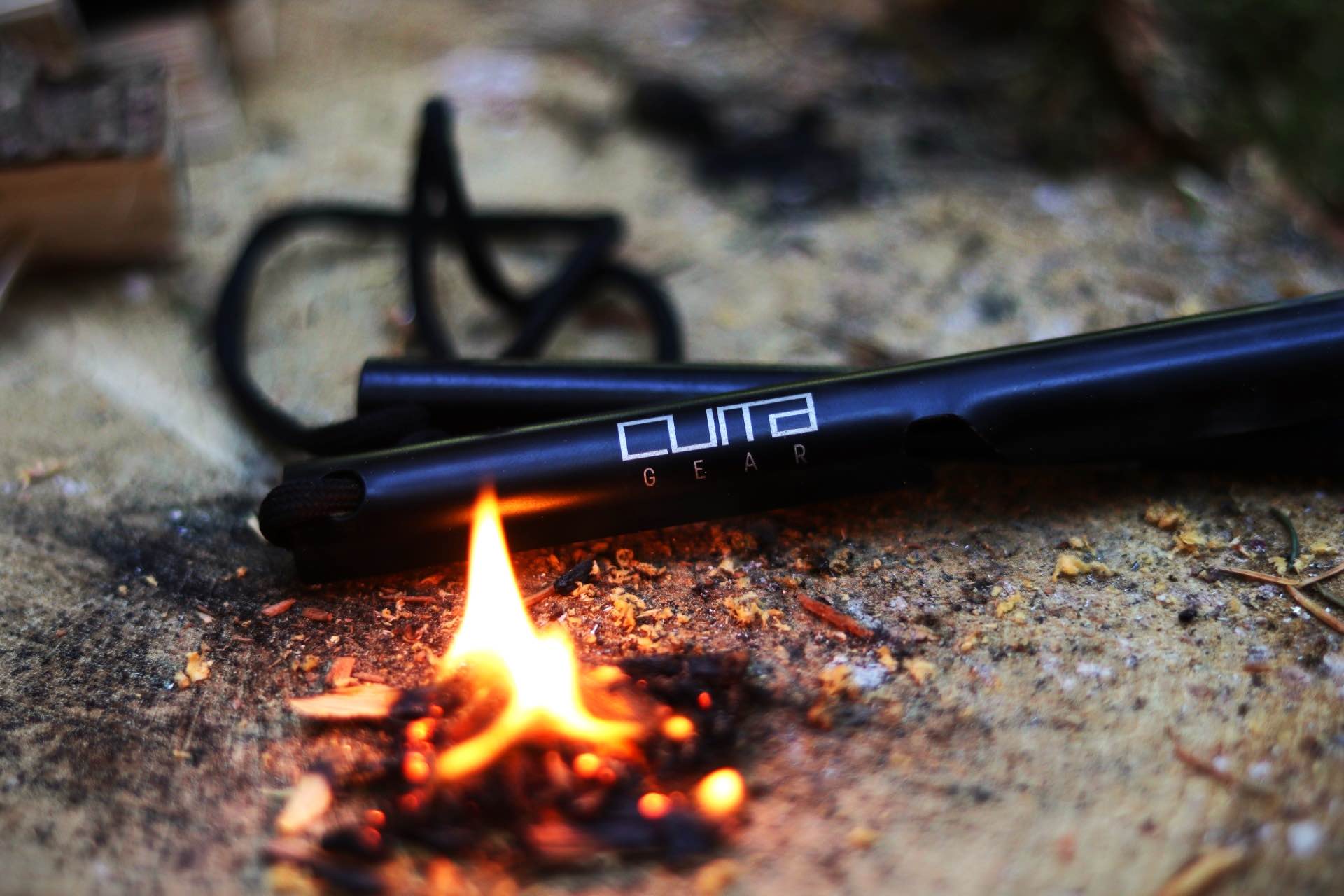
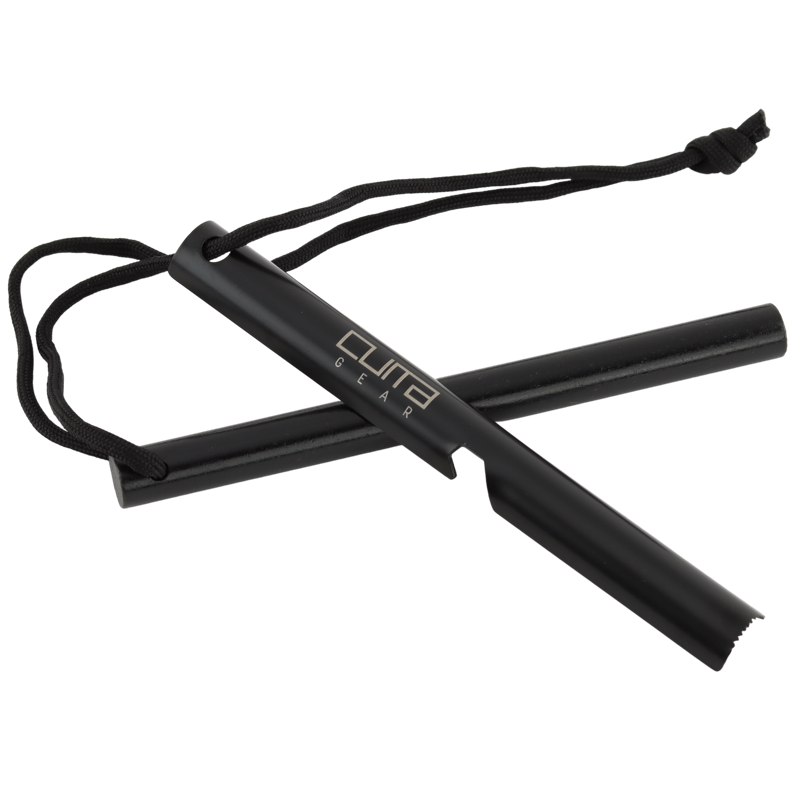
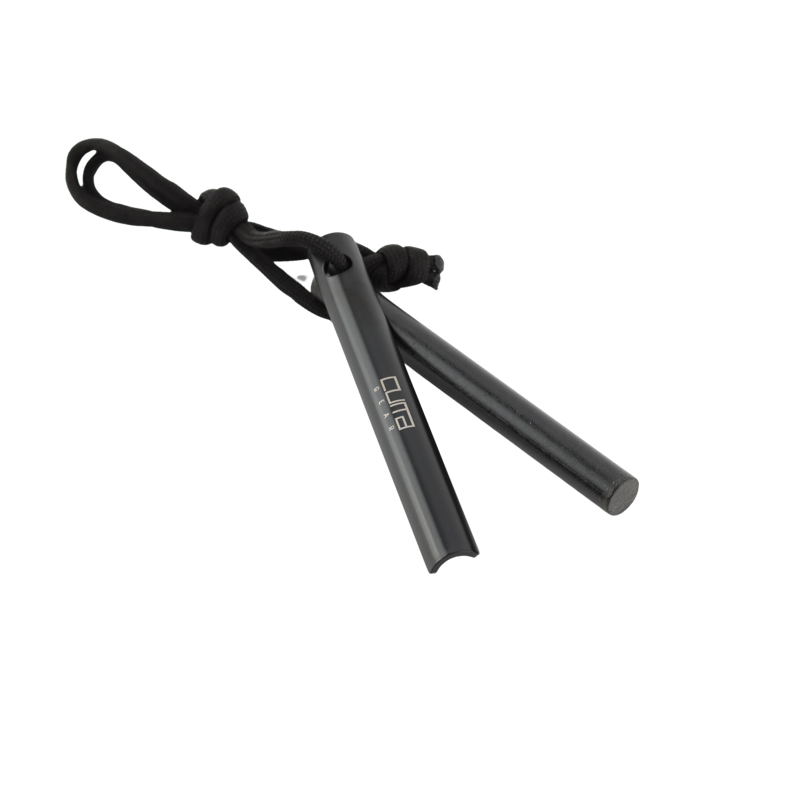
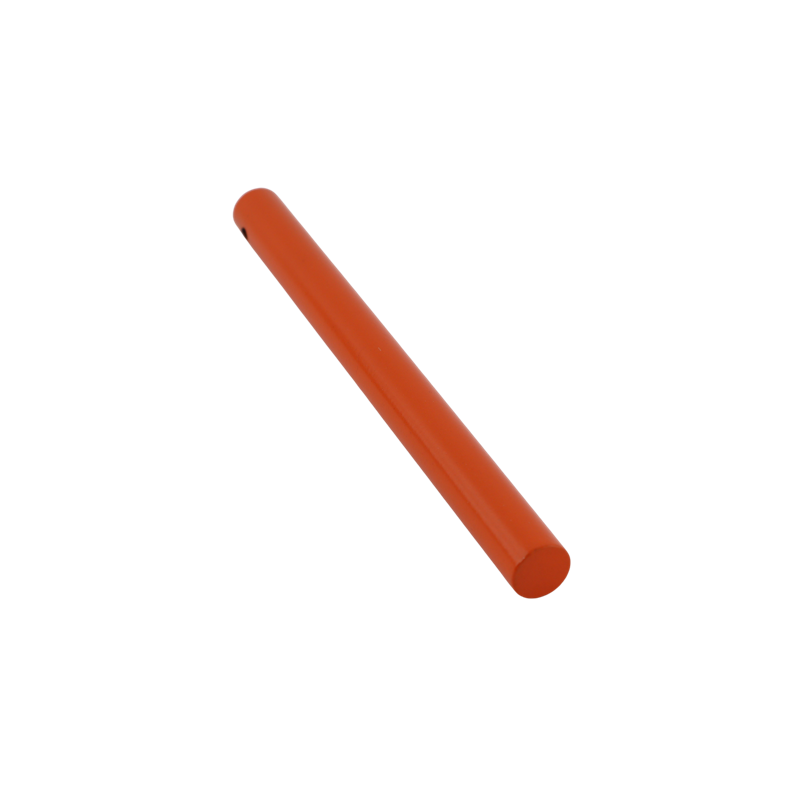
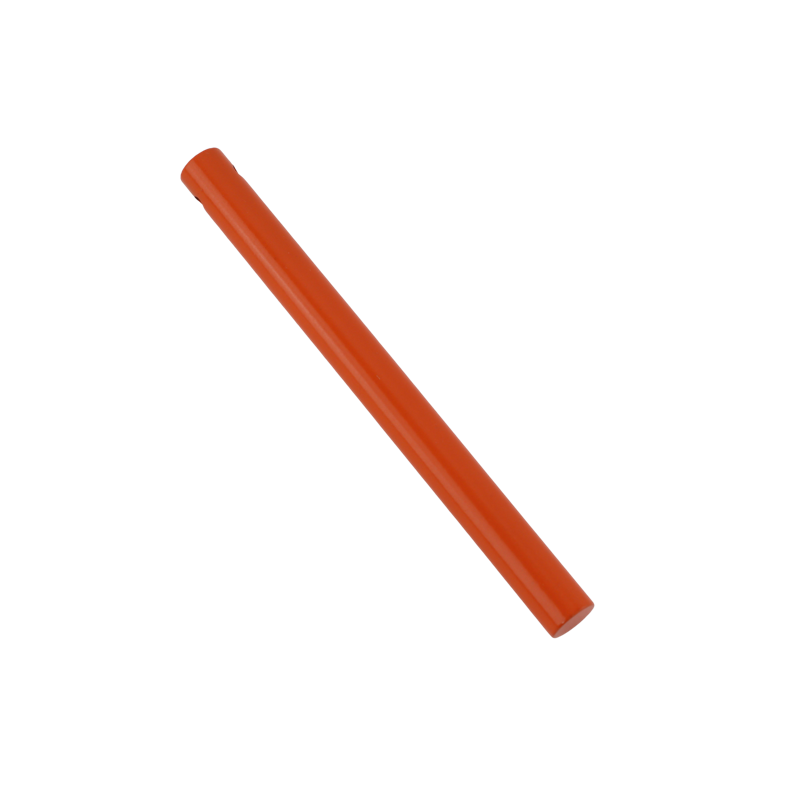
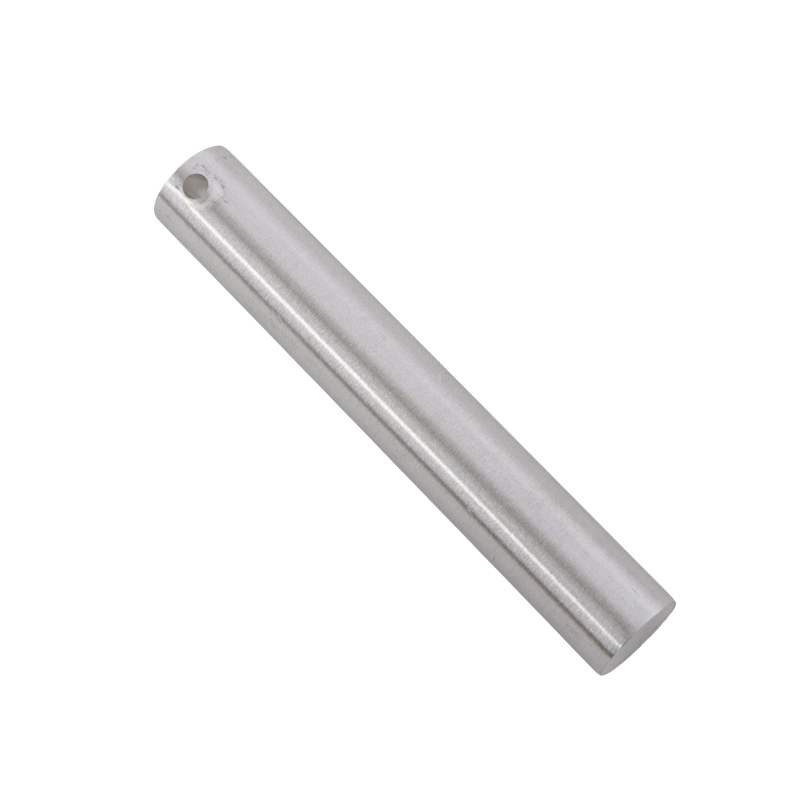
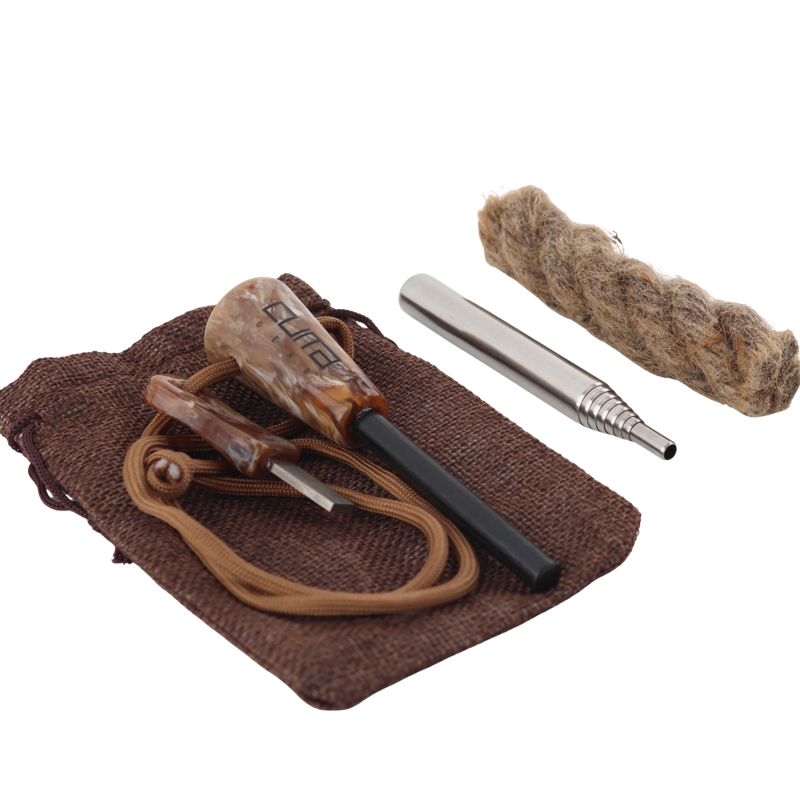
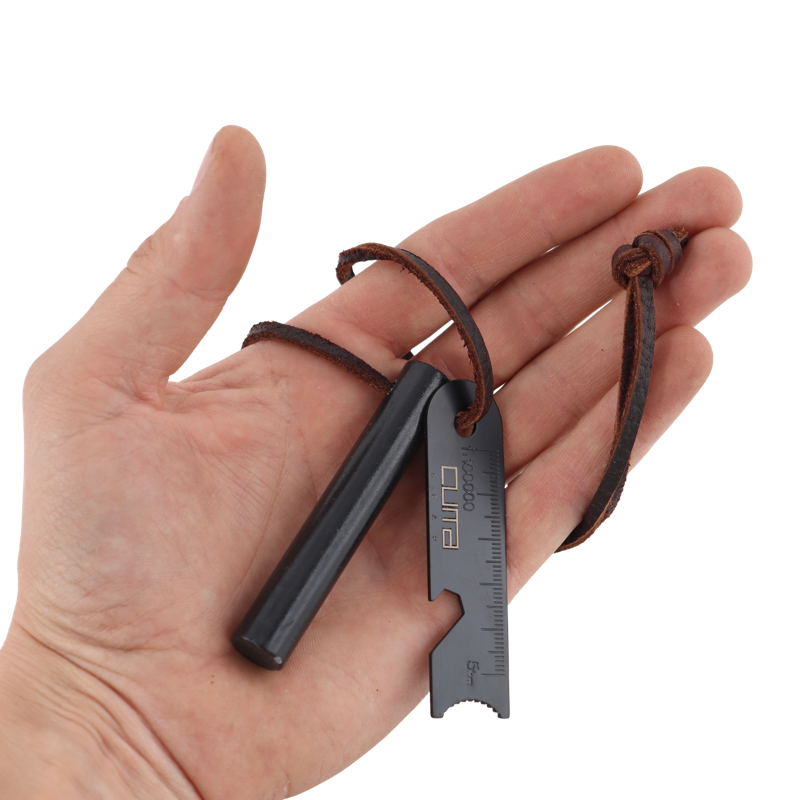
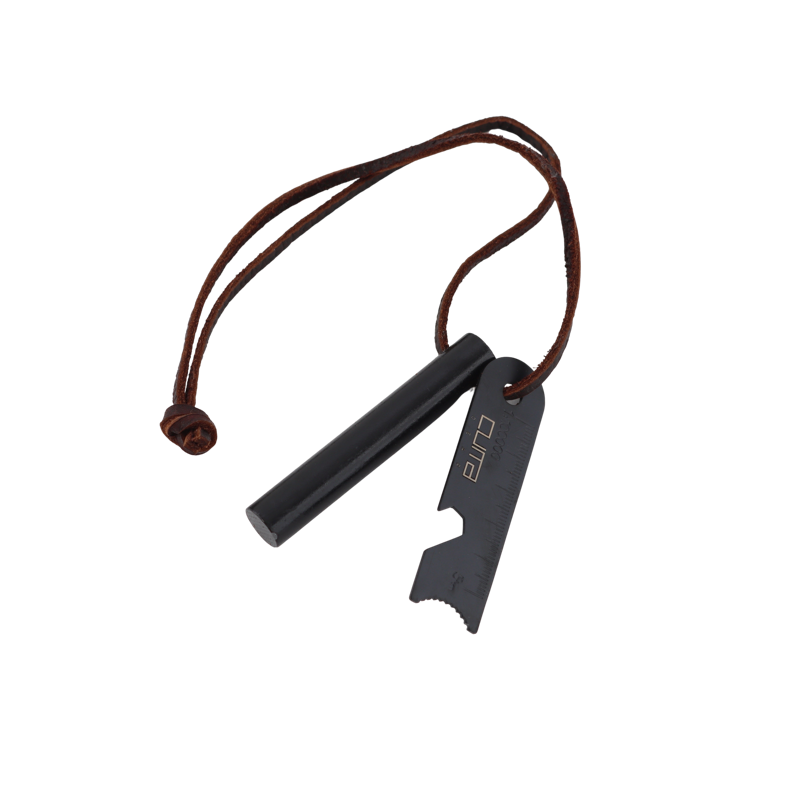
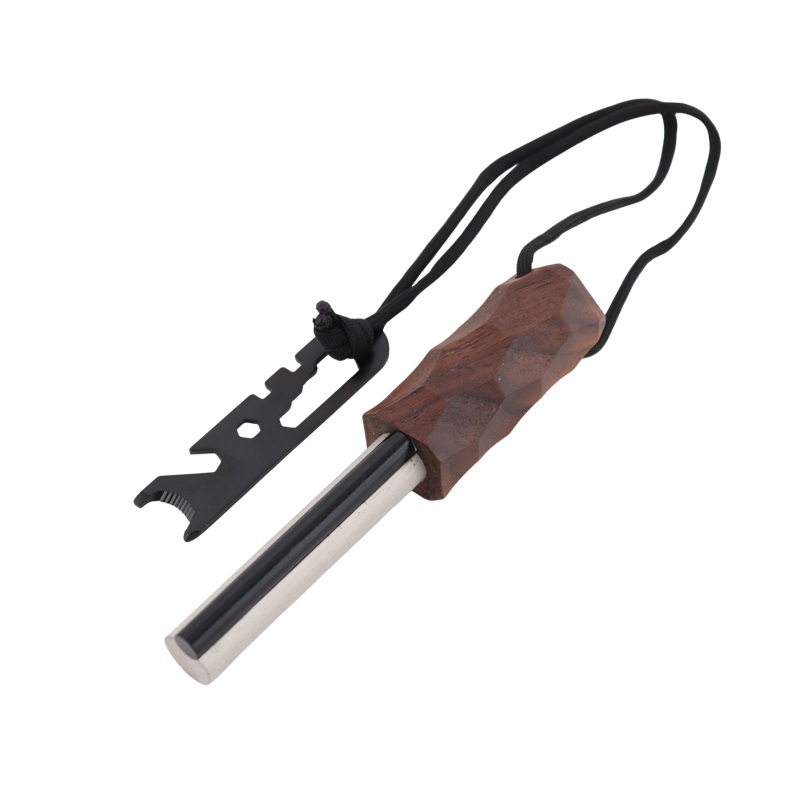
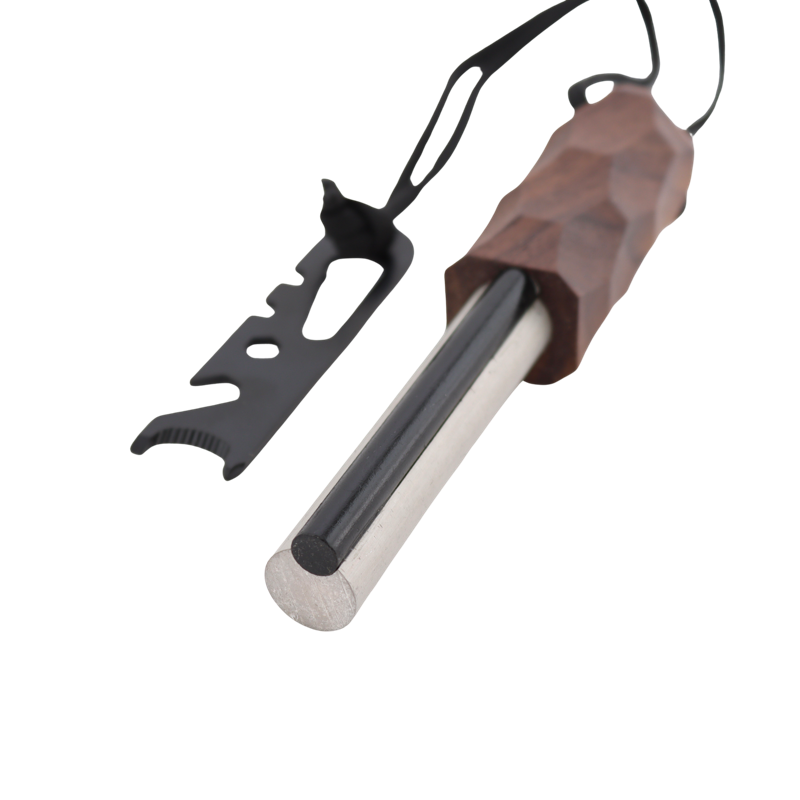
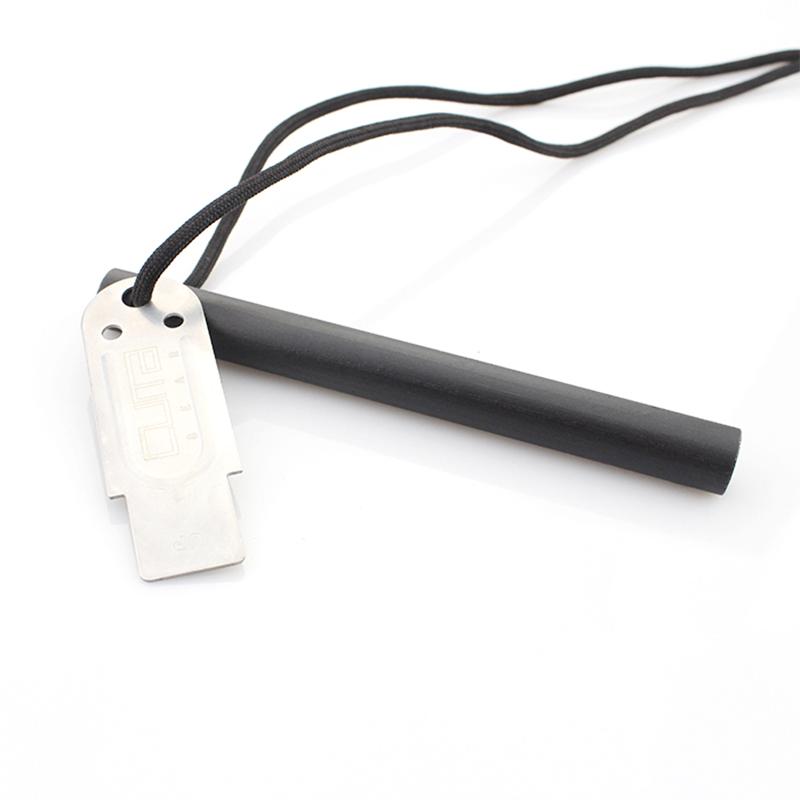
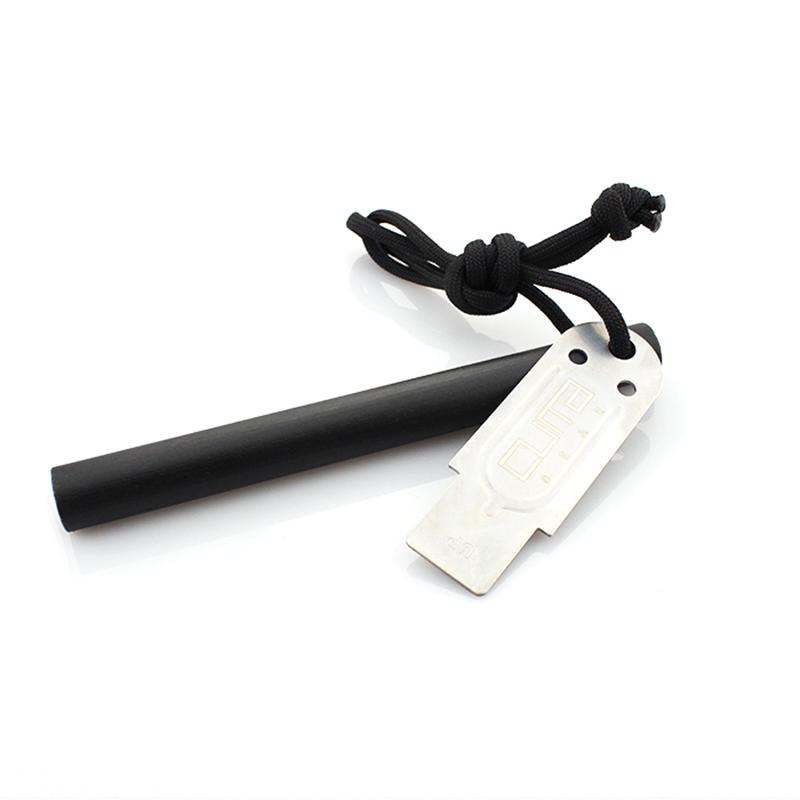
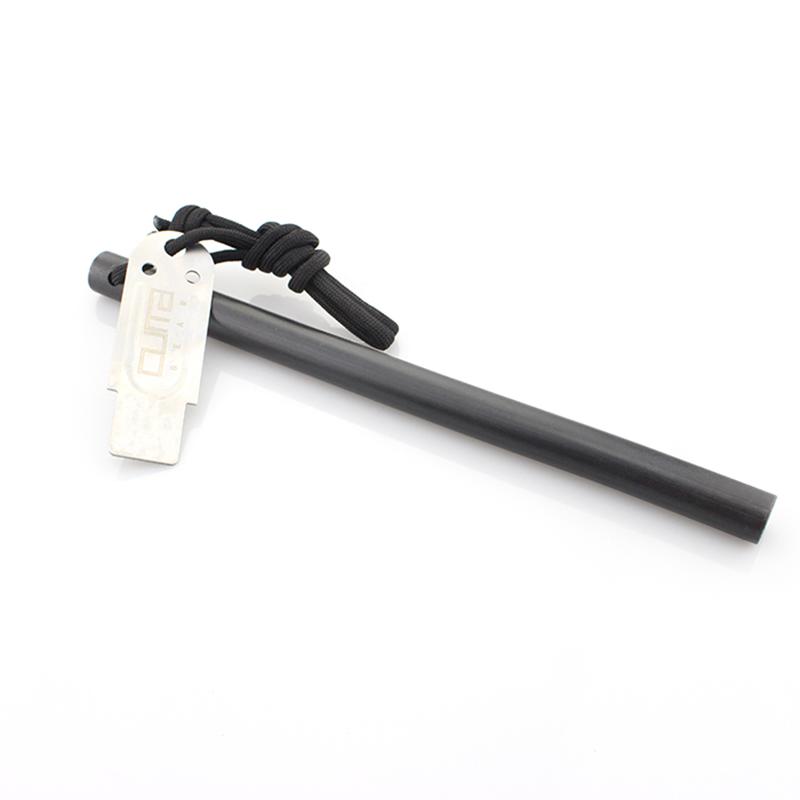
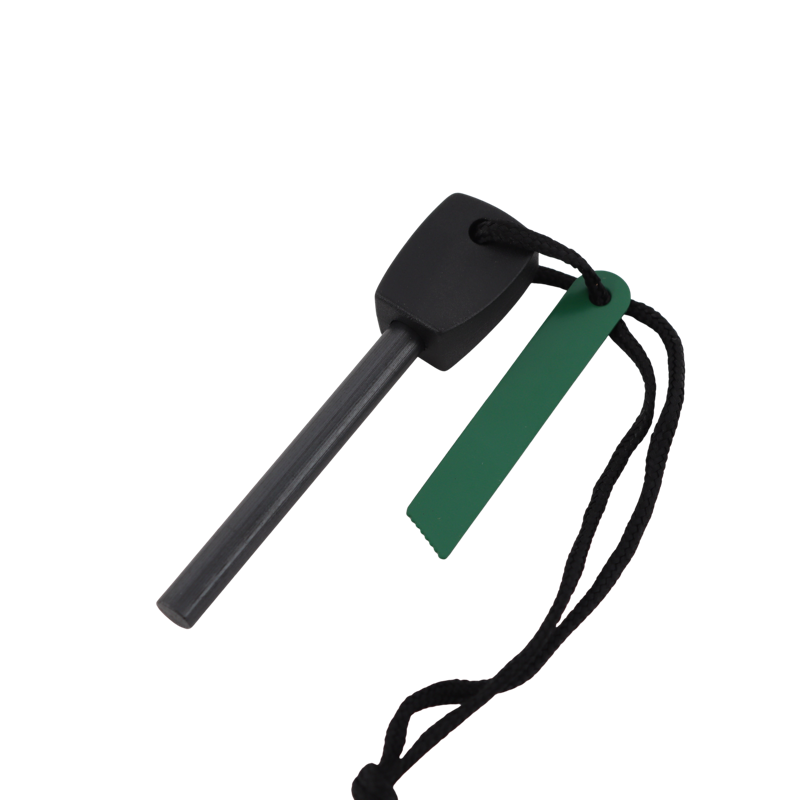
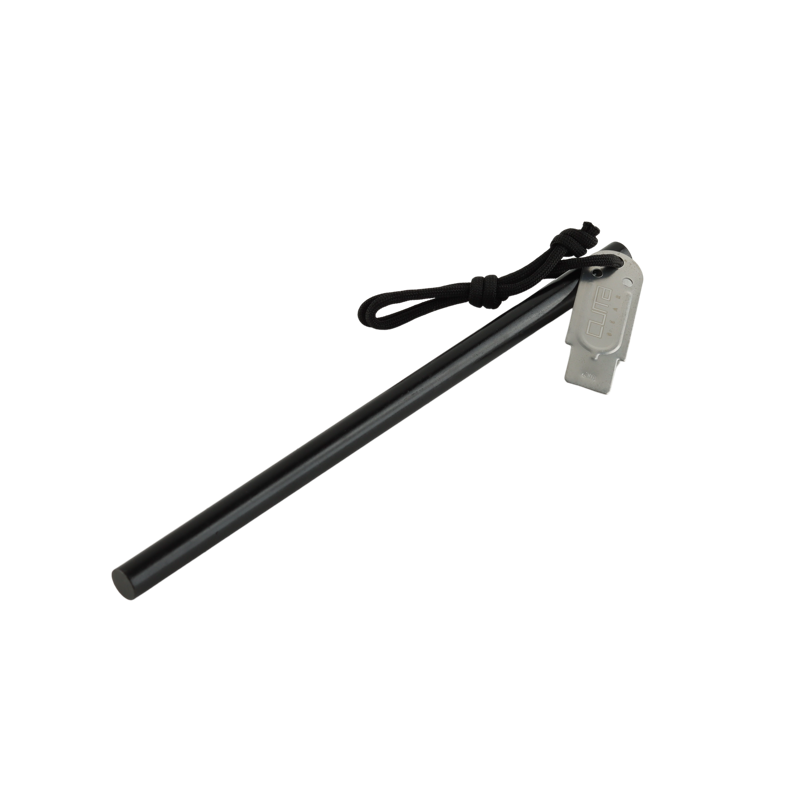
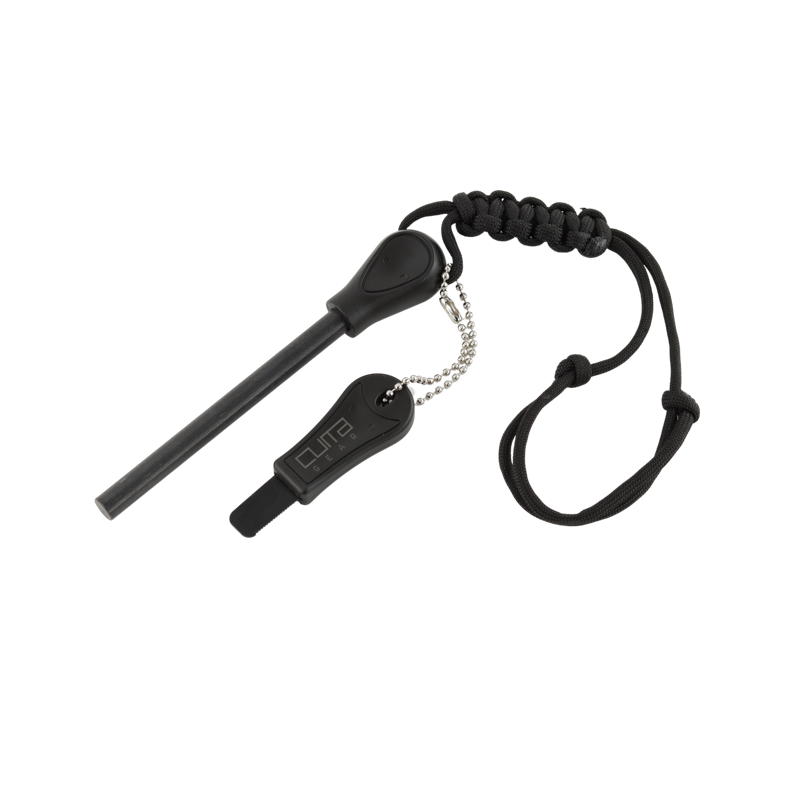
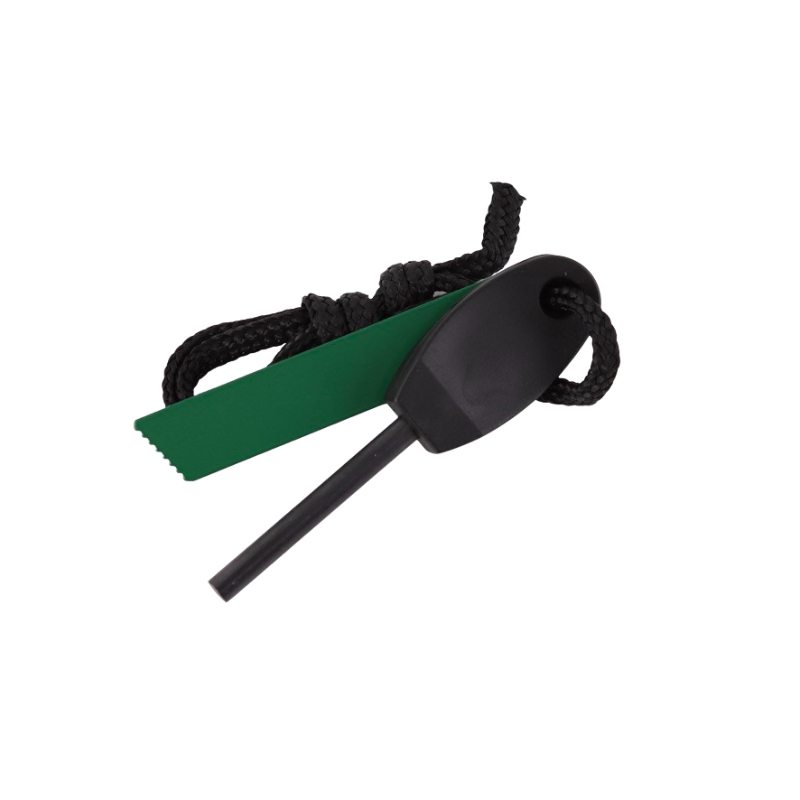
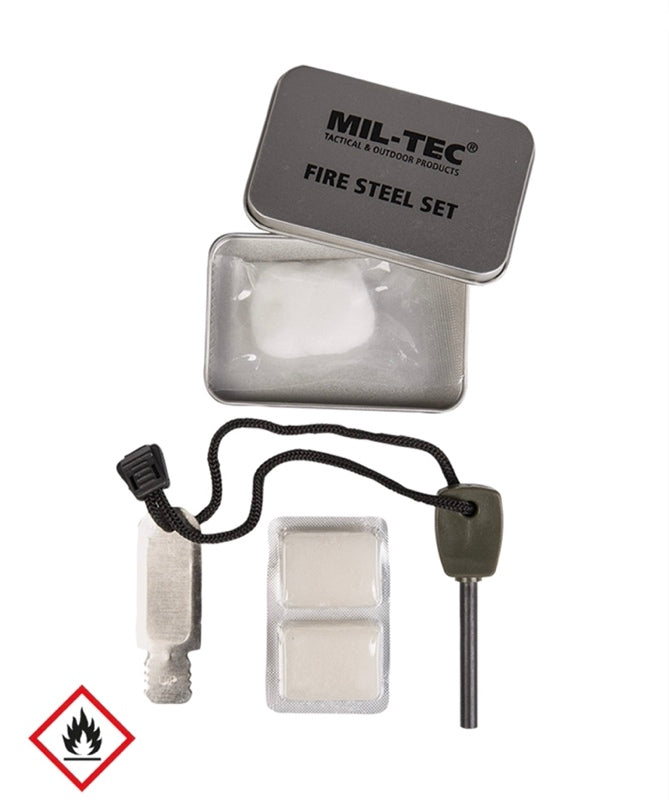
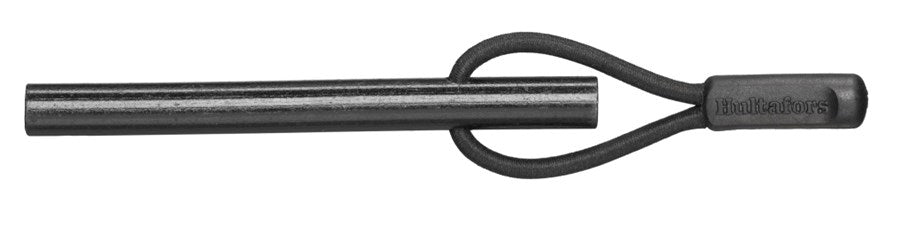
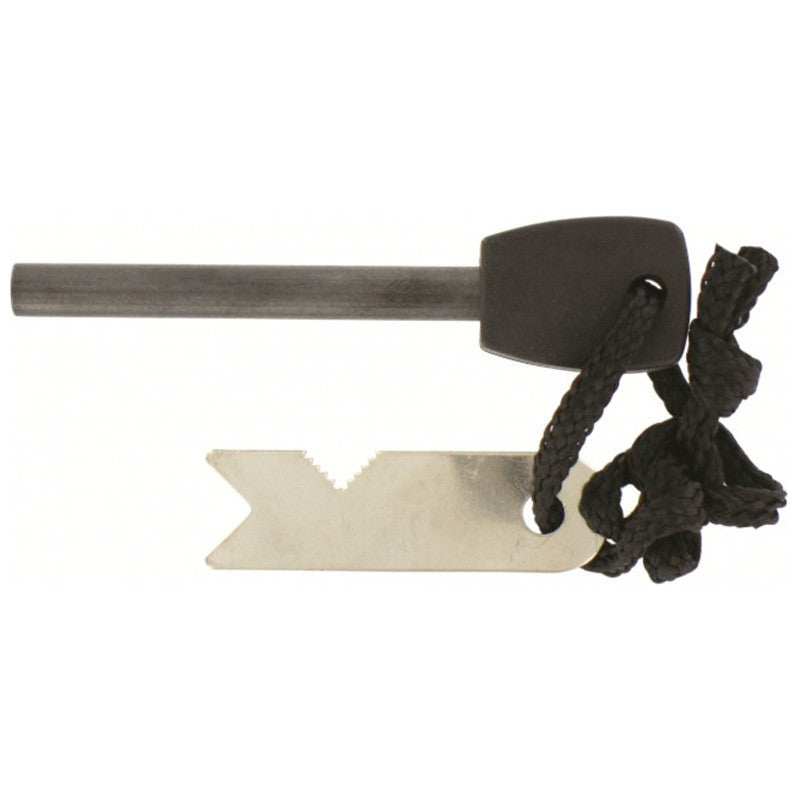
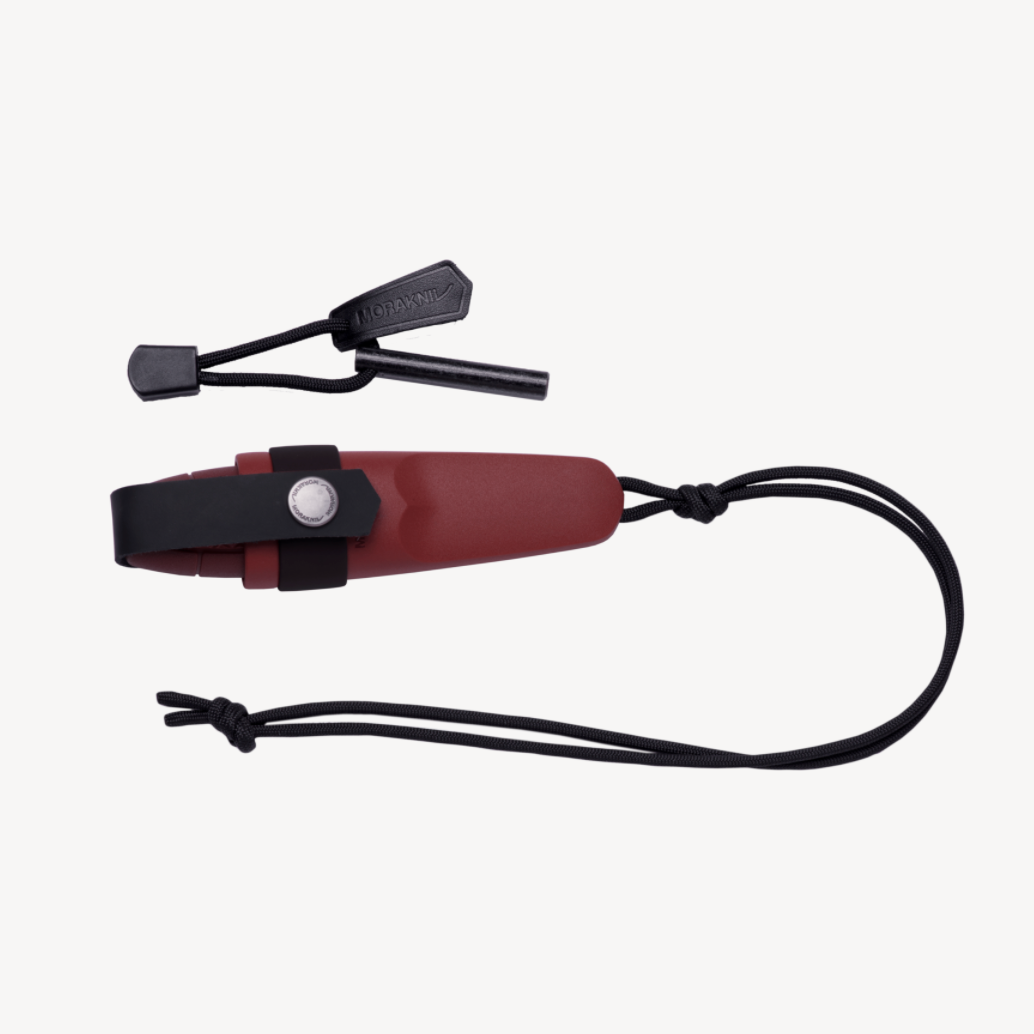
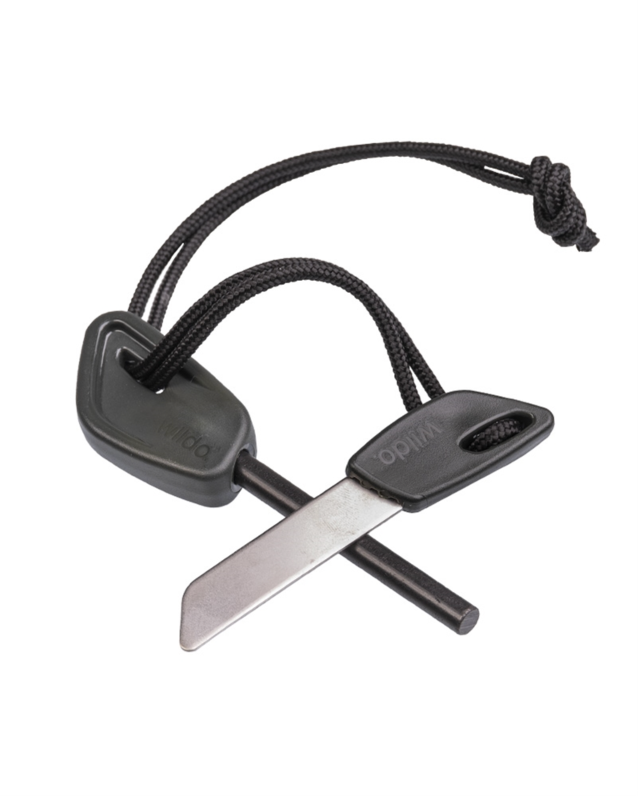
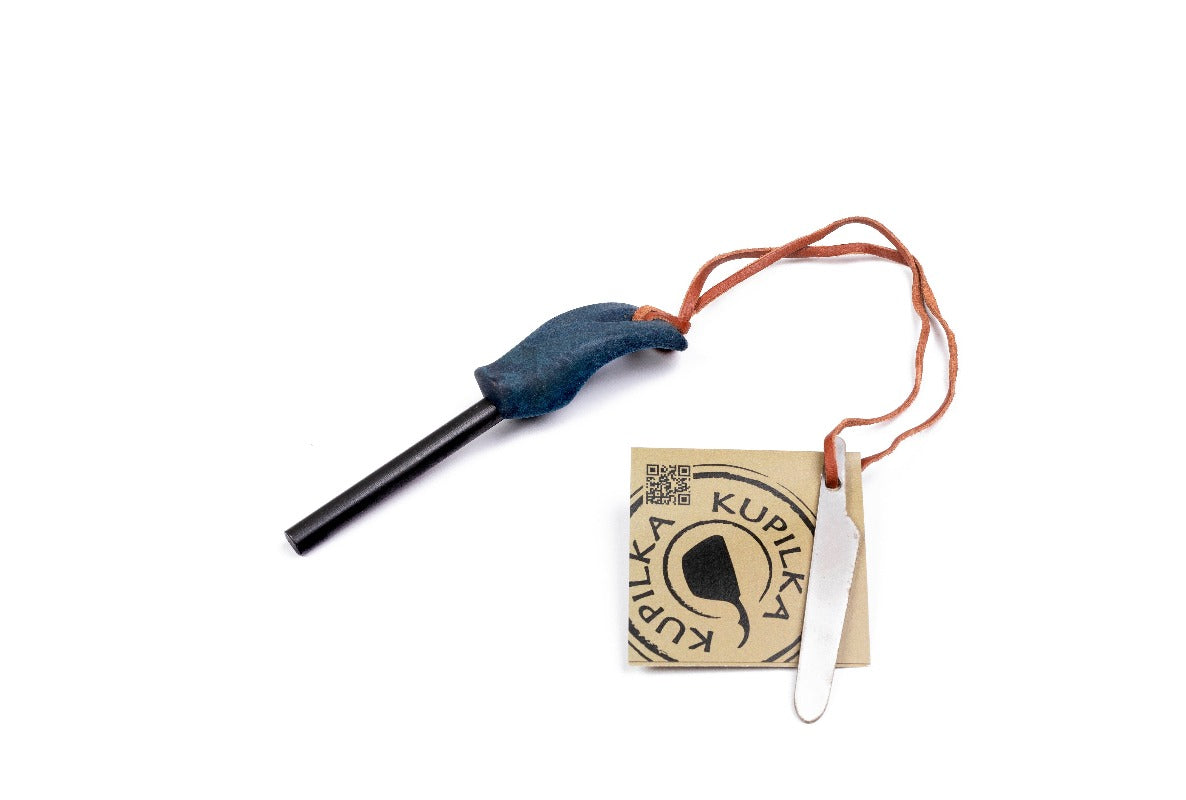
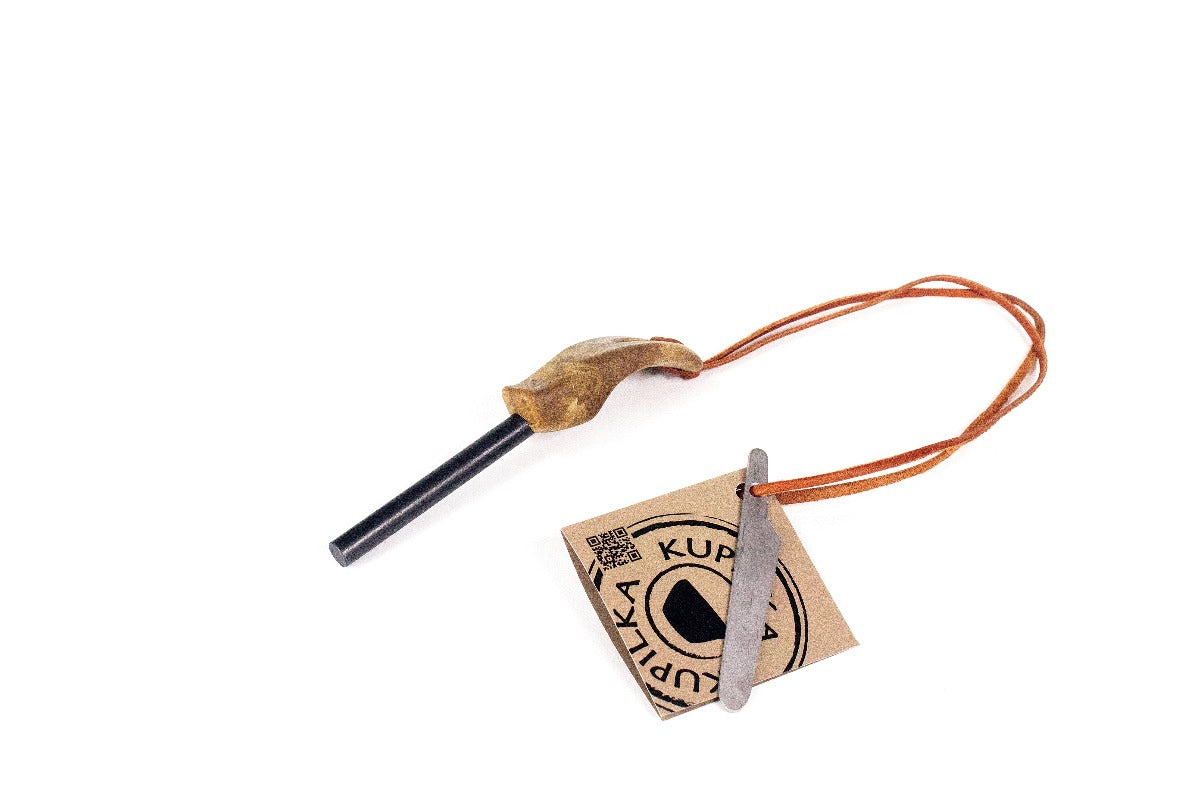
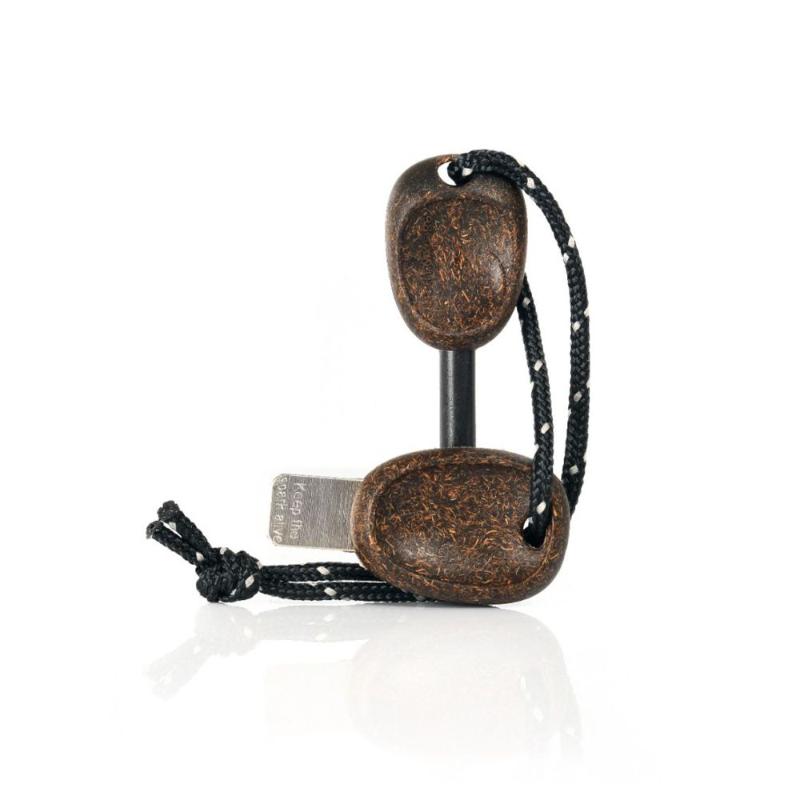
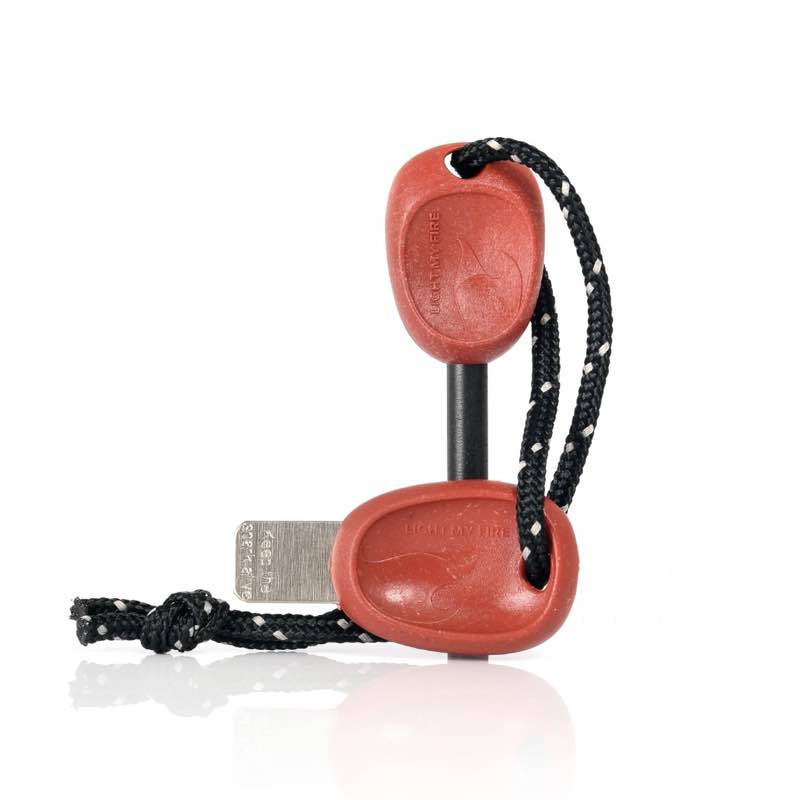
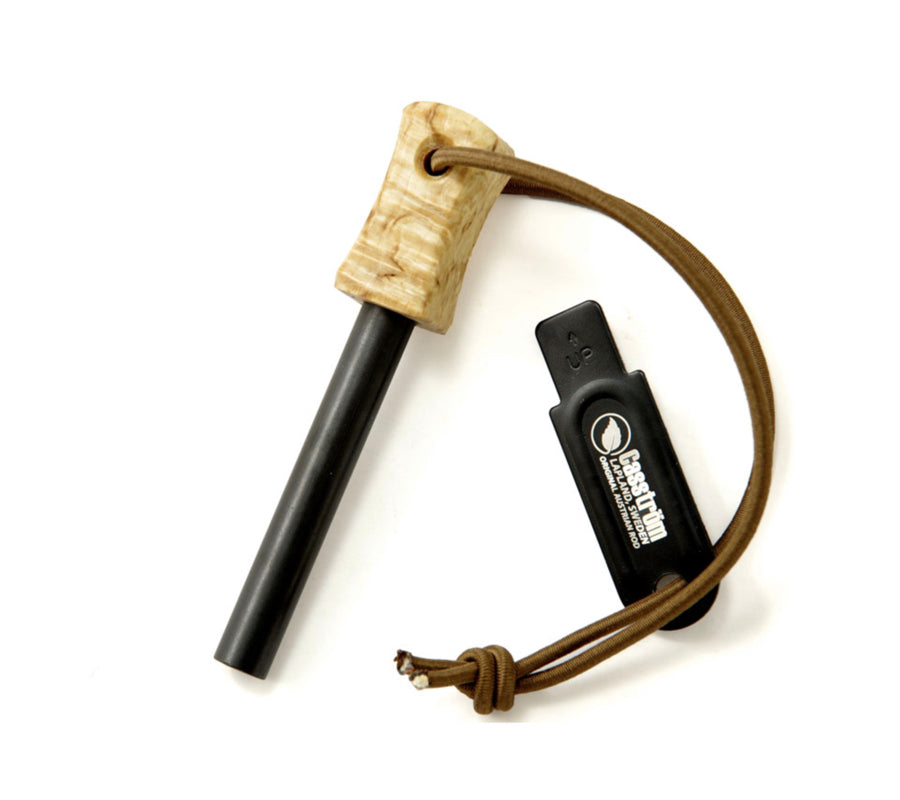
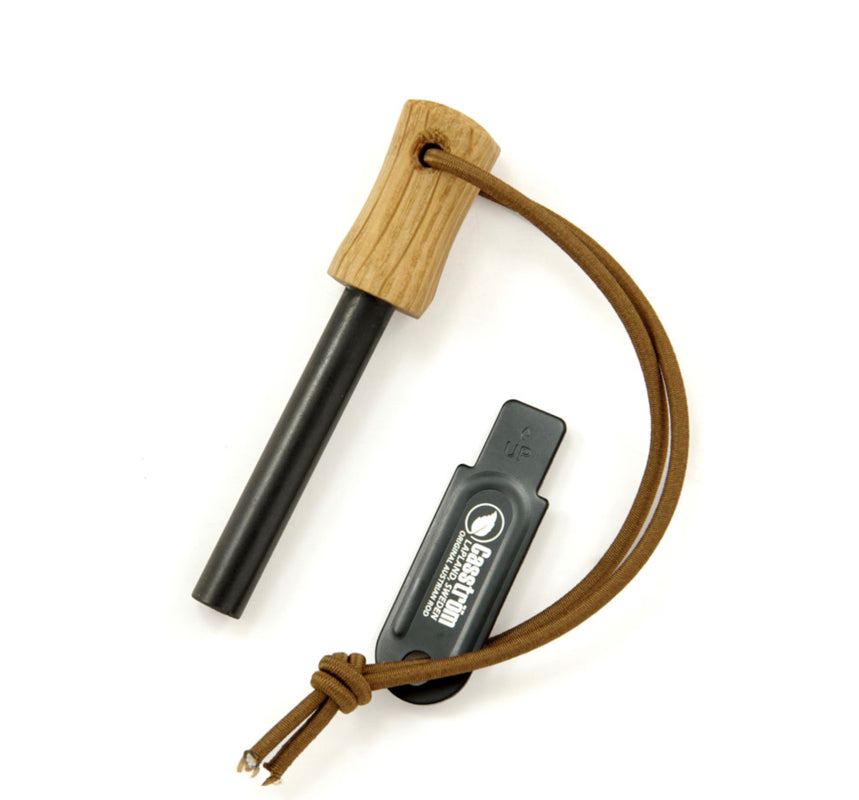
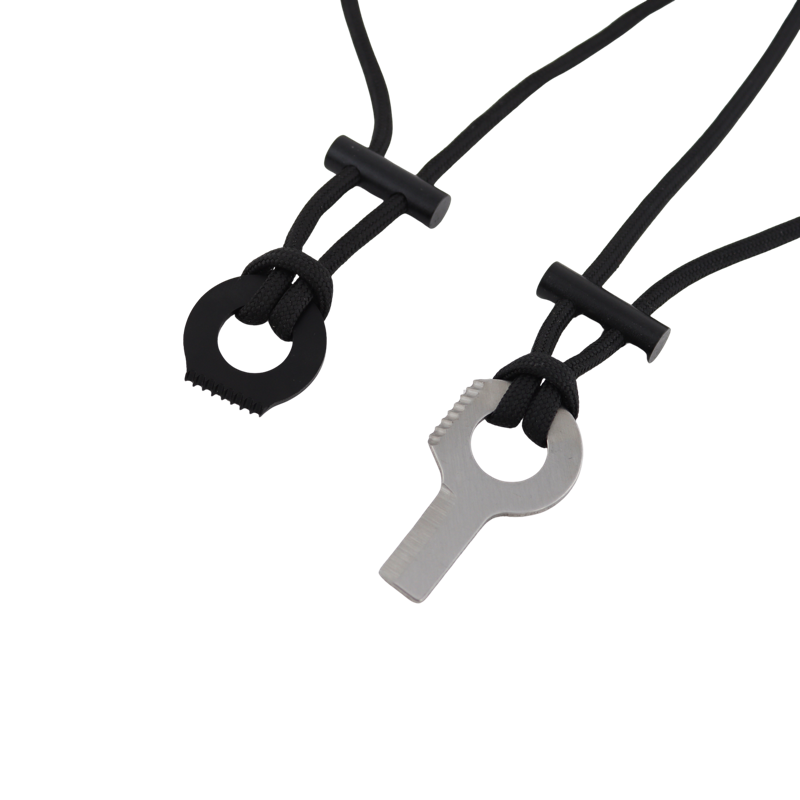
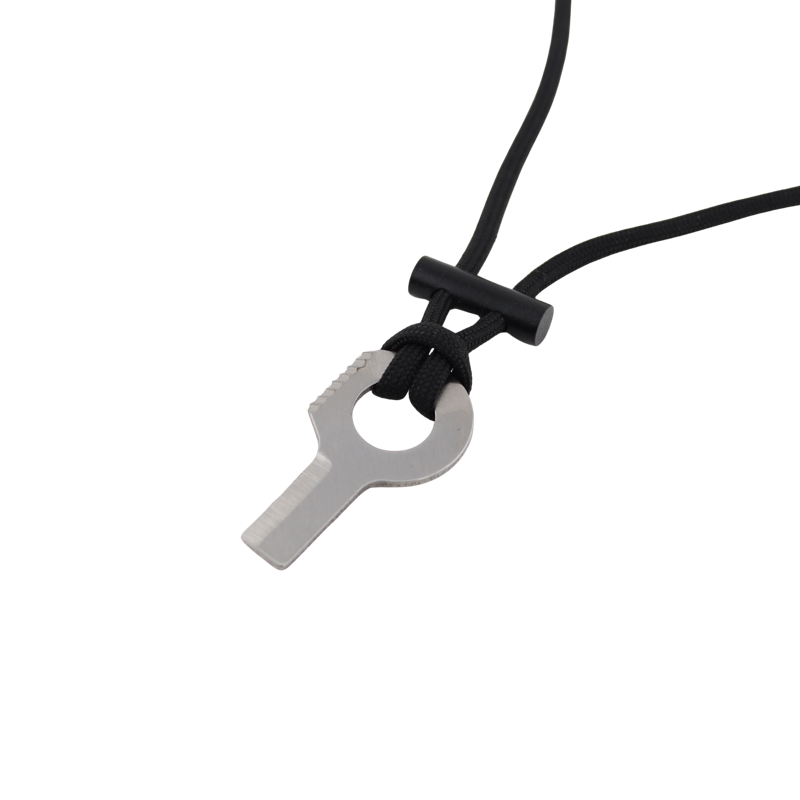
Being able to use a firesteel / fire starter is a fundamental skill when spending time in nature, whether you’re into Bushcraft, Survival, or general Outdoor life. We have a large selection of fire-starting gear here in the shop, including the market’s largest from CUMA GEAR.
To make a fire, it’s a great idea to understand how a firesteel / fire starter works. Whether it’s just on your usual forest trips, if you practice bushcraft, survival, or are simply an outdoor enthusiast, you should be able to use a firesteel/fire starter.
What is the difference between a firesteel and a fire starter?
There are many different terms for fire starters. Whether you call it a firesteel, fire starter, Firesteel, ferro rod, or something else, it’s not that important. What matters is whether you can use it.
How does a firesteel work?
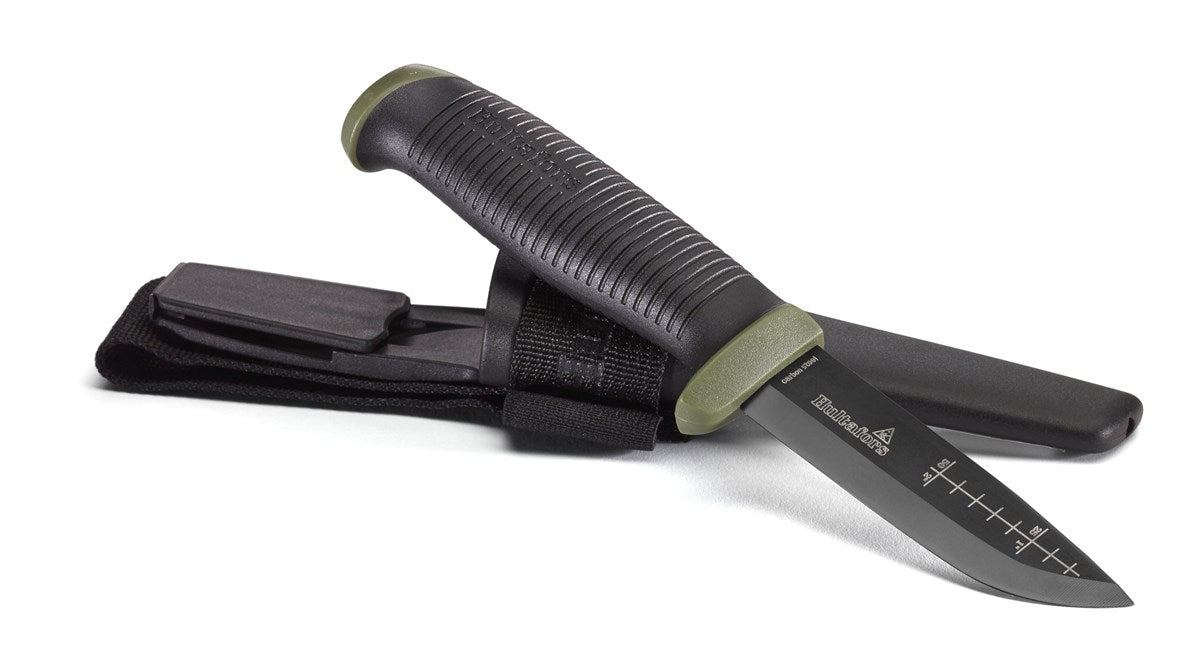
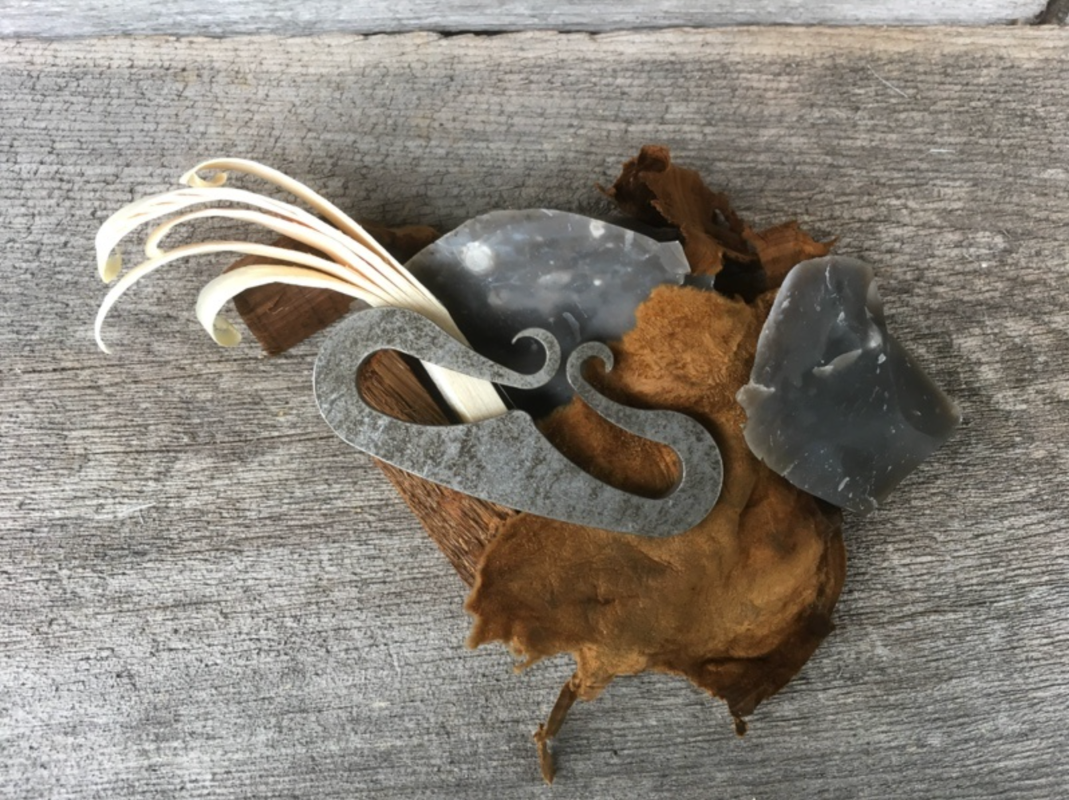
You can use a firesteel with all kinds of things that have a sharp edge. Whether you use a flint stone, axe, or knife with it is not crucial. However, you need to be able to scrape the material off relatively quickly and with a firm pull. Only then does the firesteel work as it should.
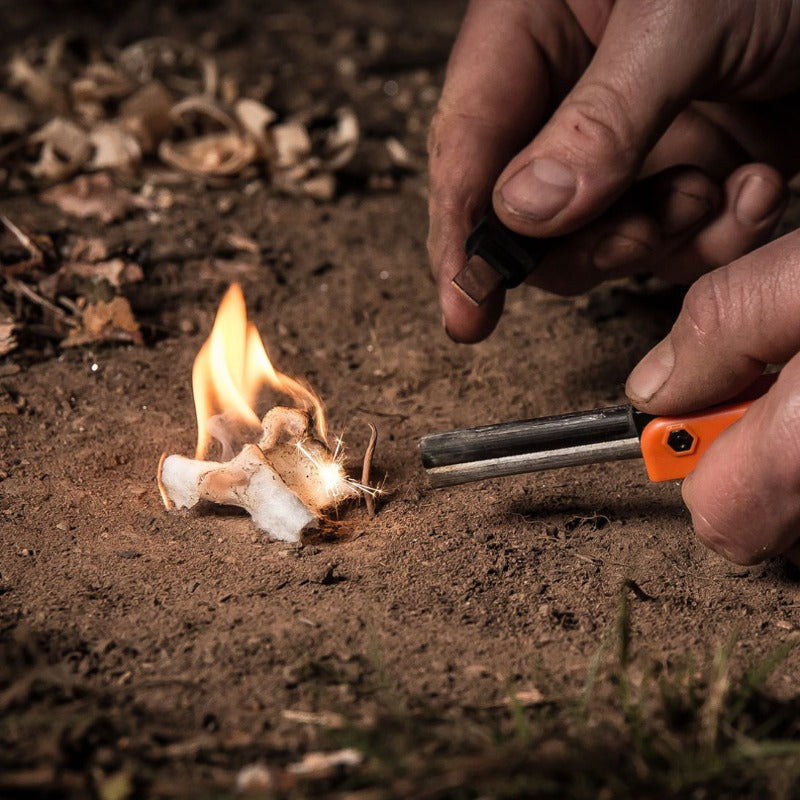
Firesteel works due to a mechanical and chemical reaction. That’s what produces the hot sparks
Ferrocerium is the active component in firesteel / fire starters. Cerium has a low ignition temperature between 150-180 degrees Celsius. Therefore, a quick scrape with a sharp edge can easily reach this temperature. The small flakes scraped off ignite as a result.
How to easily make a fire with firesteel and cotton pads
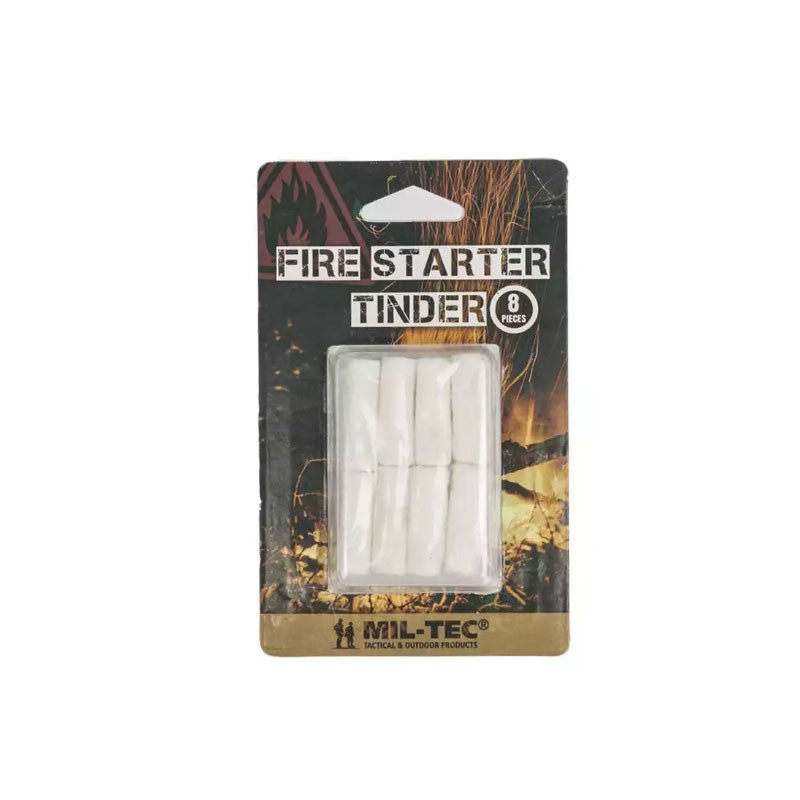
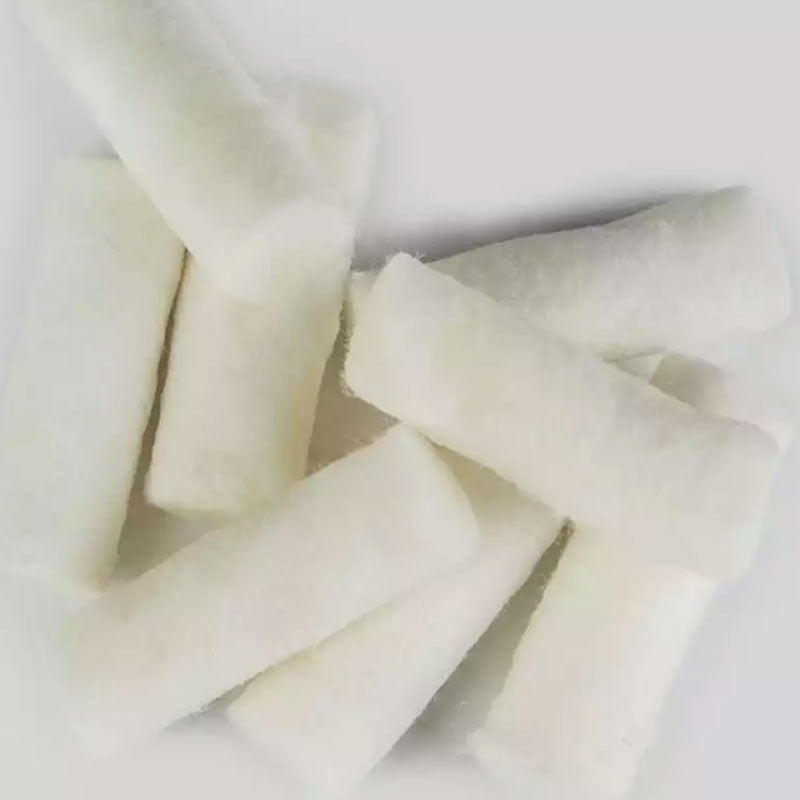
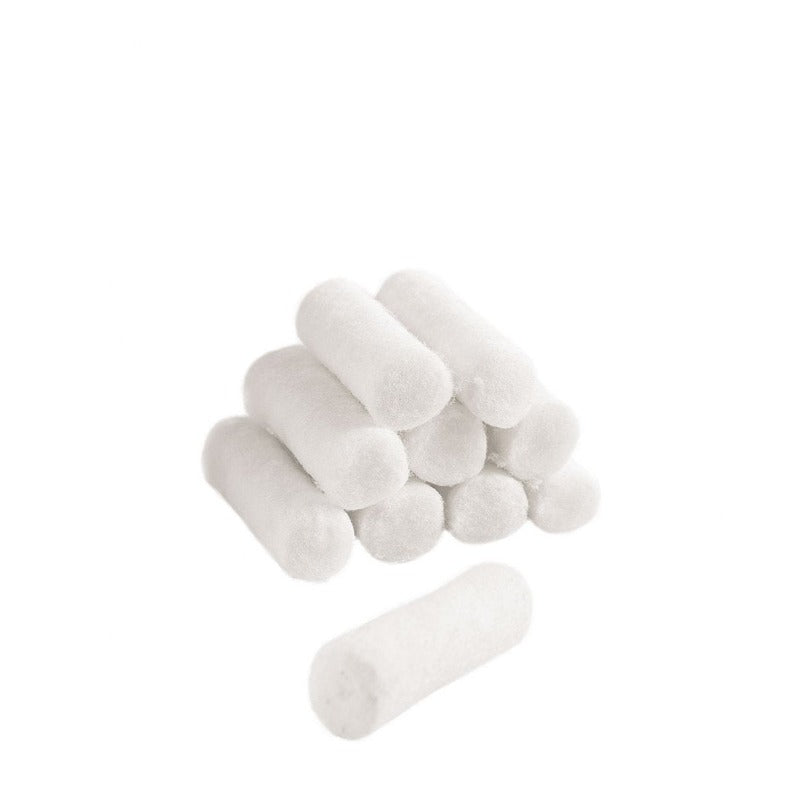
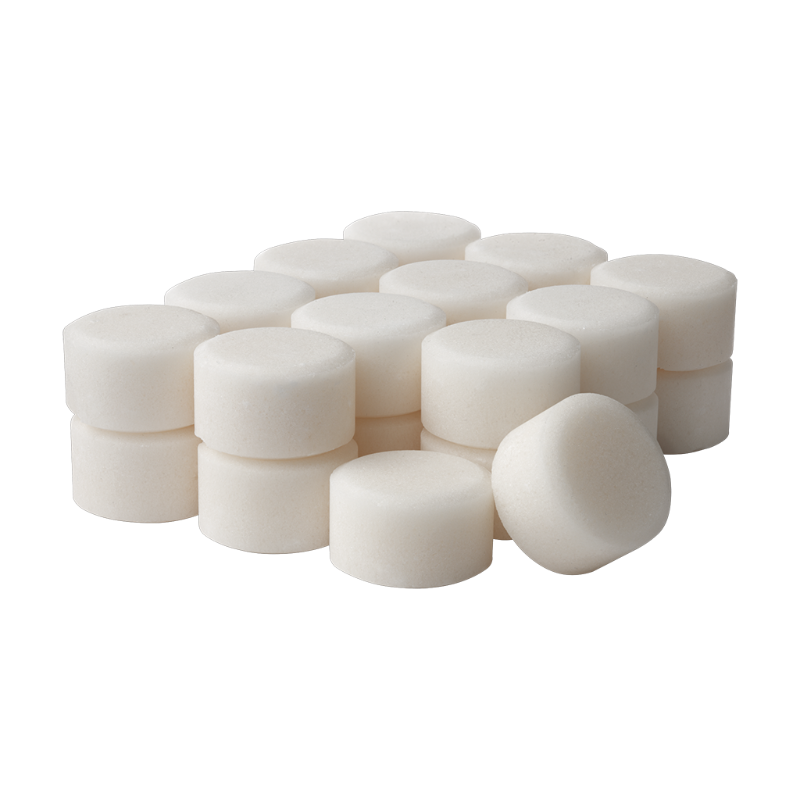
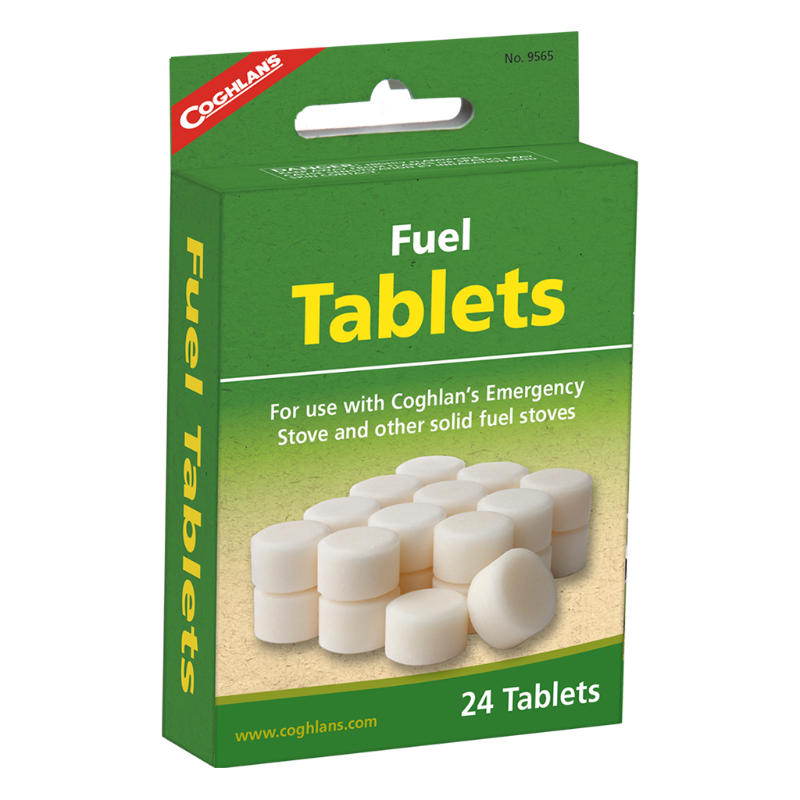
This trick works almost always and in all weather conditions. Take a handful of cotton pads and dip them in melted paraffin. You can use tealight candles melted in a pot. Place the cotton pads on a piece of baking paper after they’ve been in the pot. Once dry, they are ready to use.
Cotton pads dipped in paraffin and a firesteel have the advantage that both still work even if they have just been dipped in water. A heavy rain shower or a capsized canoe might be the reason you urgently need to start a fire.
Break the cotton pad slightly into pieces and fluff up the edges. Now you can take your firesteel and almost certainly make fire. This trick is well known and works perfectly for fire starting.
Eco-friendly fire with firesteel and birch bark
The more "ecological" way to start a fire is to take a bit of birch bark, scratch the surface, strike a spark into the birch bark, and start a fire that way.
Firesteel in depth
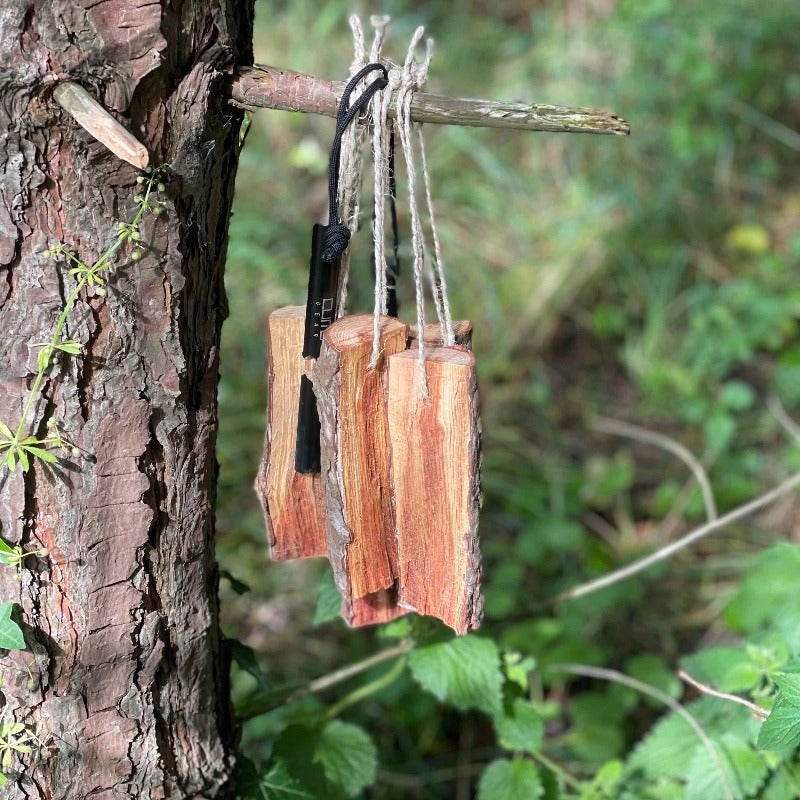
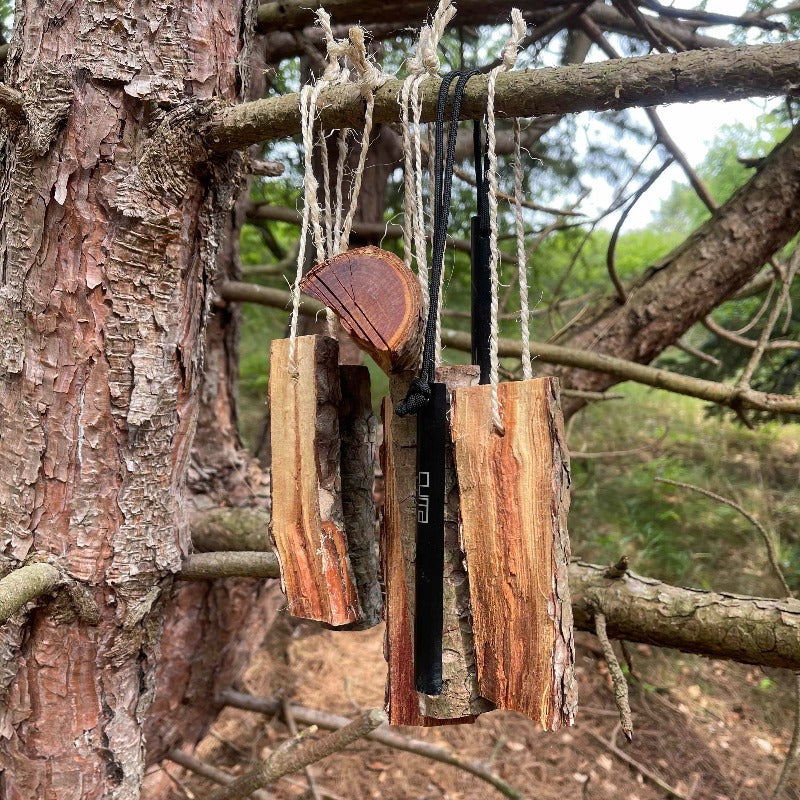
Ferrocerium, ferro rod, fire starter, ferrocerium fire starter or as we all probably know it - firesteel. The history of Firesteel The metal Ferrocerium was invented by the Austrian chemist Carl Auer von Welsbach in 1903. The name Ferrocerium comes from its two main components: iron, which is ferrum in Latin, and the rarer earth element cerium, thus giving birth to ferrocerium and the “firesteel” as we know it today. Fun fact: In Europe, Ferrocerium is also known as Auermetall (a metal with pyrophoric properties/reacts strongly with oxygen at room temperature by producing sparks) What is inside a firesteel? It is a composition/alloy of several rare earth metals such as: 41.8% cerium - 24.2% lanthanum - 20.8% iron - 4.4% neodymium - 4.4% magnesium plus - 4.4% praseodymium. When Ferrocerium is fragmented/scraped, it reacts with oxygen in the air and ignites, reaching spark temperatures up to 3000°C, making it perfect as an ignition source in many forms such as lighters, welding spark igniters, built into knives, firesteels, etc. The big advantage of Ferrocerium is that it is very easy to ignite even under the worst conditions, which makes it preferred by most outdoor enthusiasts. A firesteel today is hardened with magnesium oxide and iron oxide to give it a firmer shape. When you get a new firesteel, it is surface treated to stay fresh, so sparks only come when the black coating is scraped off and you scrape the shiny surface. Are Flint and Ferrocerium the same? No, flint is a stone that you use the sharp edge of to strike against a high-carbon steel piece, where the particles ignite due to friction — so it’s the steel that burns, not the flint. Ferrocerium ignites by fragmenting/scraping material off that reacts with oxygen in the air. So here it’s the Ferrocerium that burns. What the two have in common is that both flint and Ferrocerium are used to create sparks for fire starting. Pro tip - fire starting with firesteel No matter what you’re lighting, it’s always much easier to start a fire, especially in damp weather, if you scrape some material off your firesteel without sparking. The small fragments from the firesteel mix with the tinder and ignite when you strike sparks from the firesteel. This raises the overall temperature slightly, which should make it easier to get the fire going. Fire starting with firesteel and natural materials Fatwood and firesteel go hand in hand A really easy way to start a fire with a firesteel is, among other things, with fatwood, which is a resin-rich piece of pine wood that you scrape a little off and is very easy to ignite. Horse hoof fungus Horse hoof fungus requires a bit more preparation. Click the link to see how. The big advantage is that horse hoof fungus can hold sparks/glowing embers so you can save the ember for the next time you need to light a fire or pipe, as they did in the good old days. Birch bark The bark on most birch trees is oily, somewhat like fatwood. It can be done in several ways, for example, scratching the surface of the bark produces birch bark dust/fluff that ignites very easily. A single strike on the firesteel is usually enough.