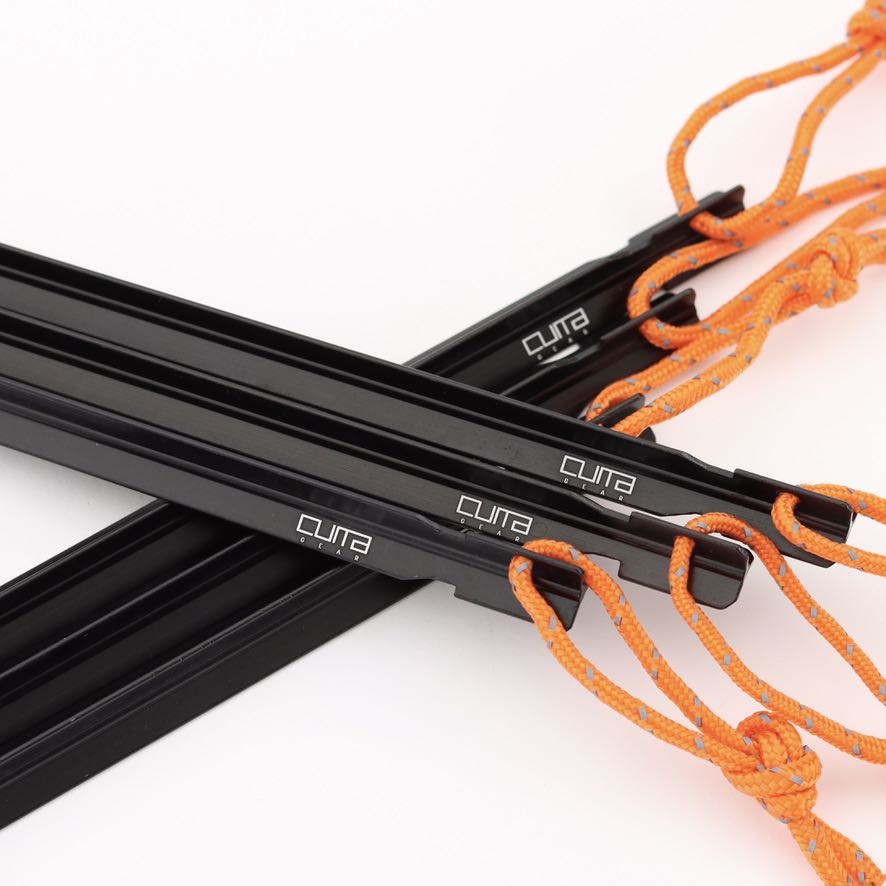
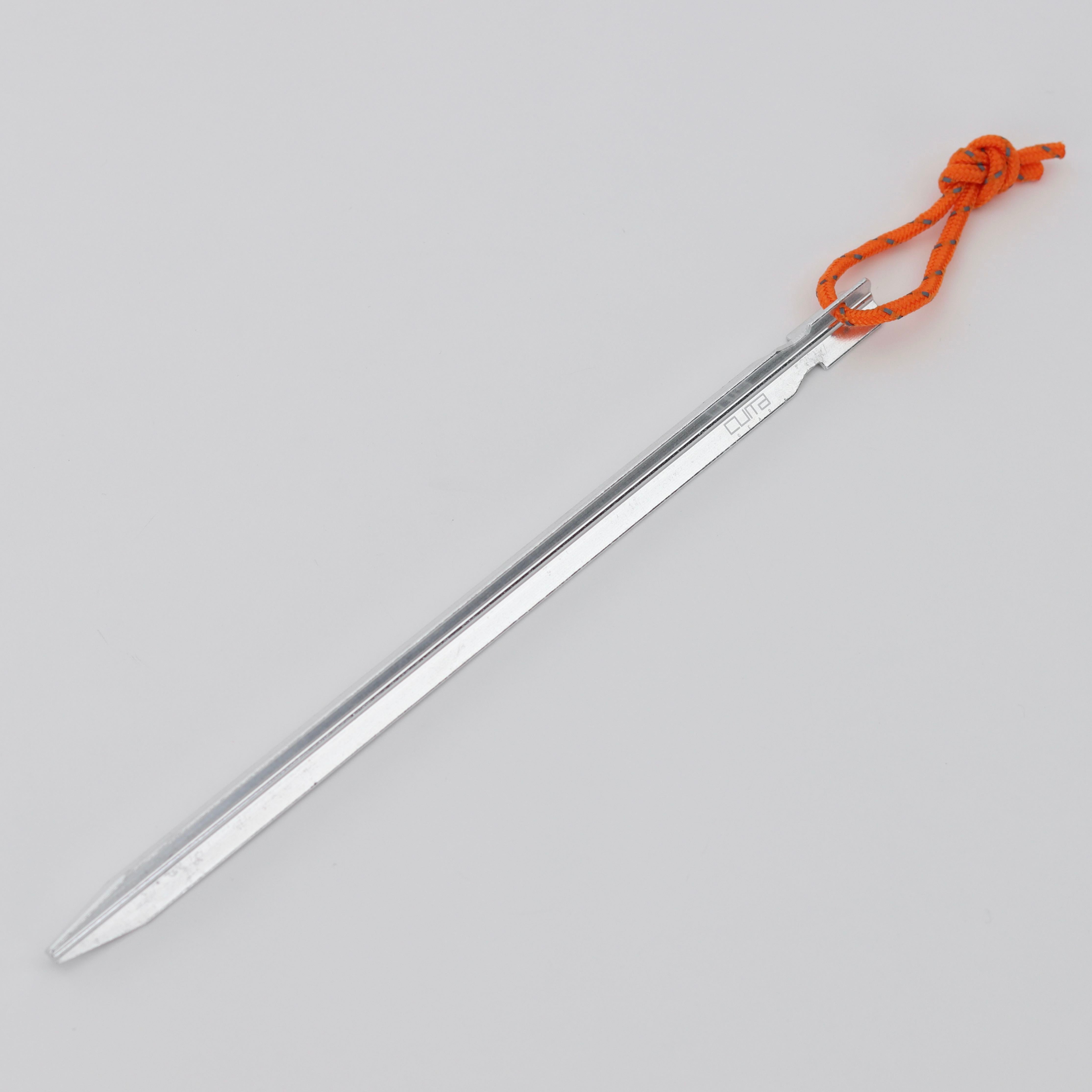
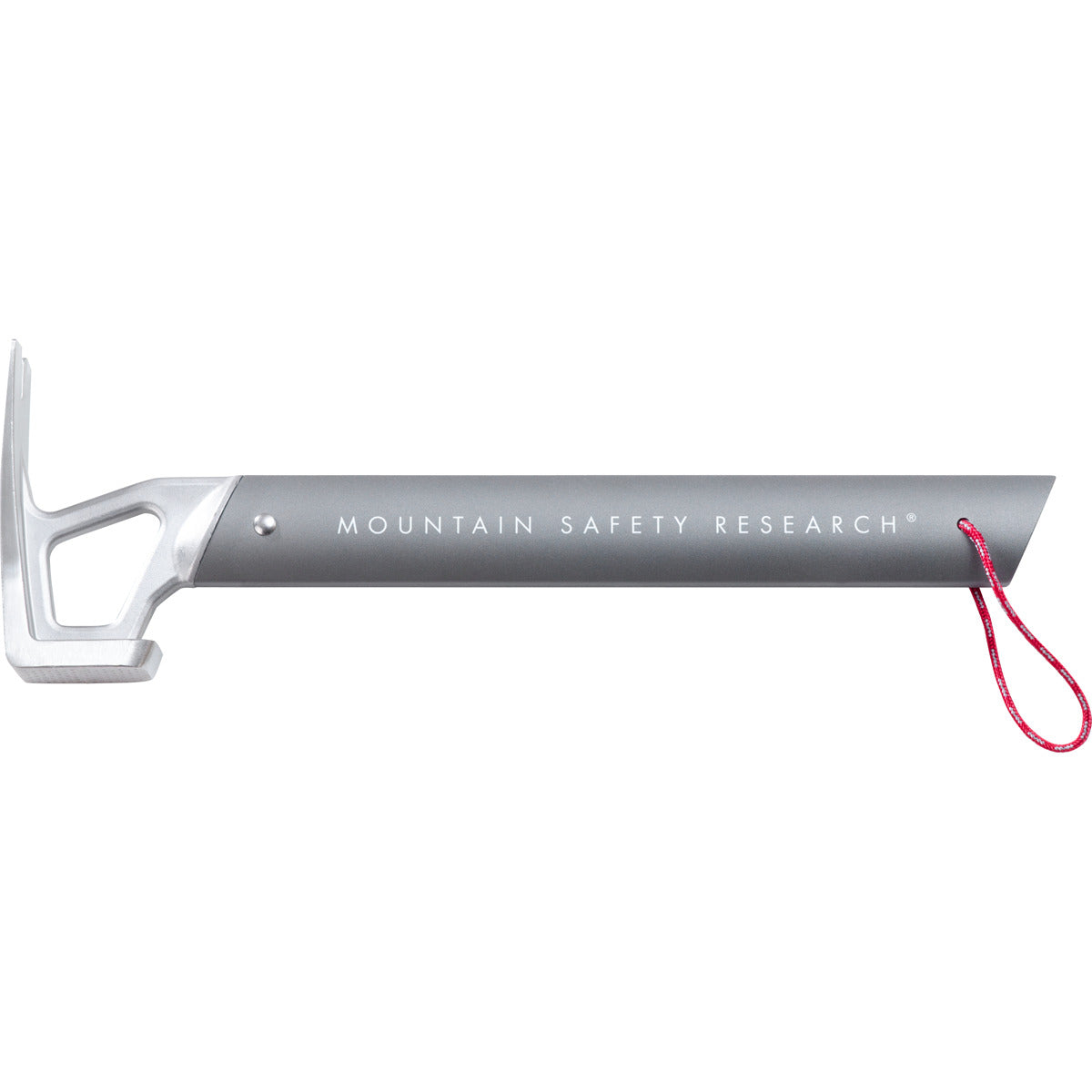
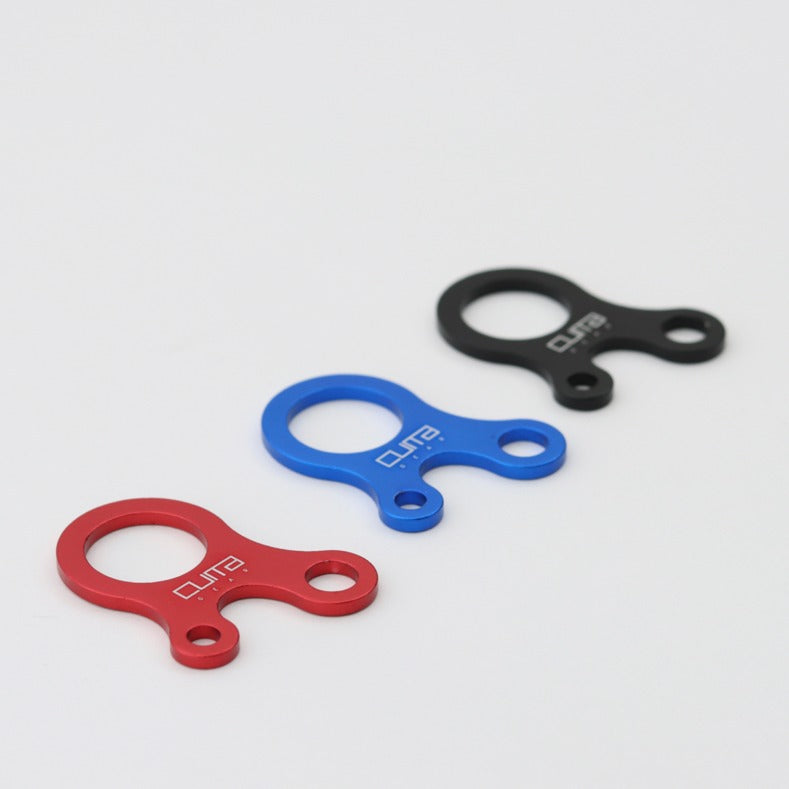
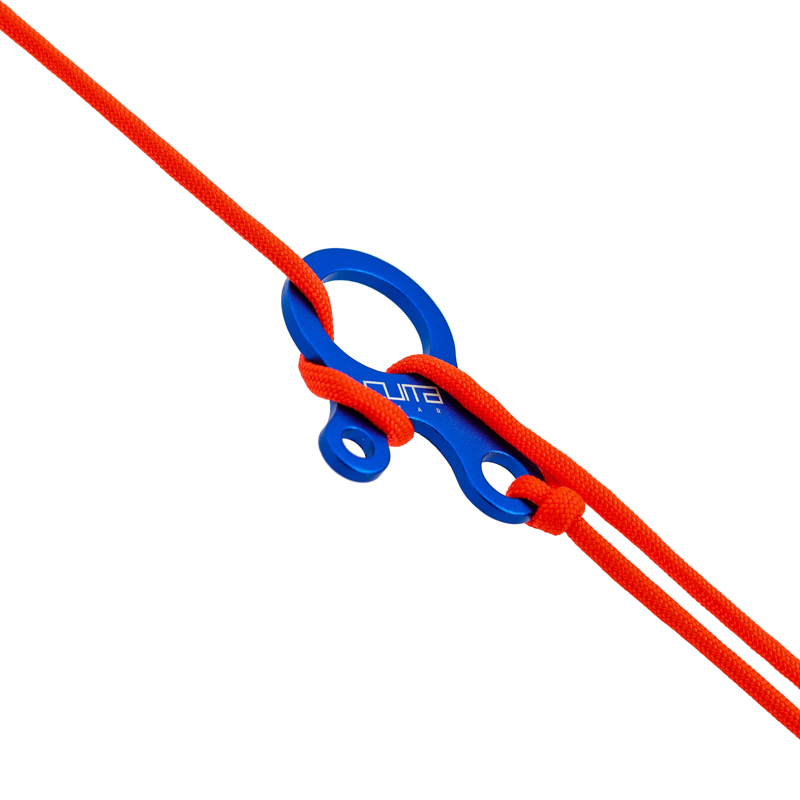
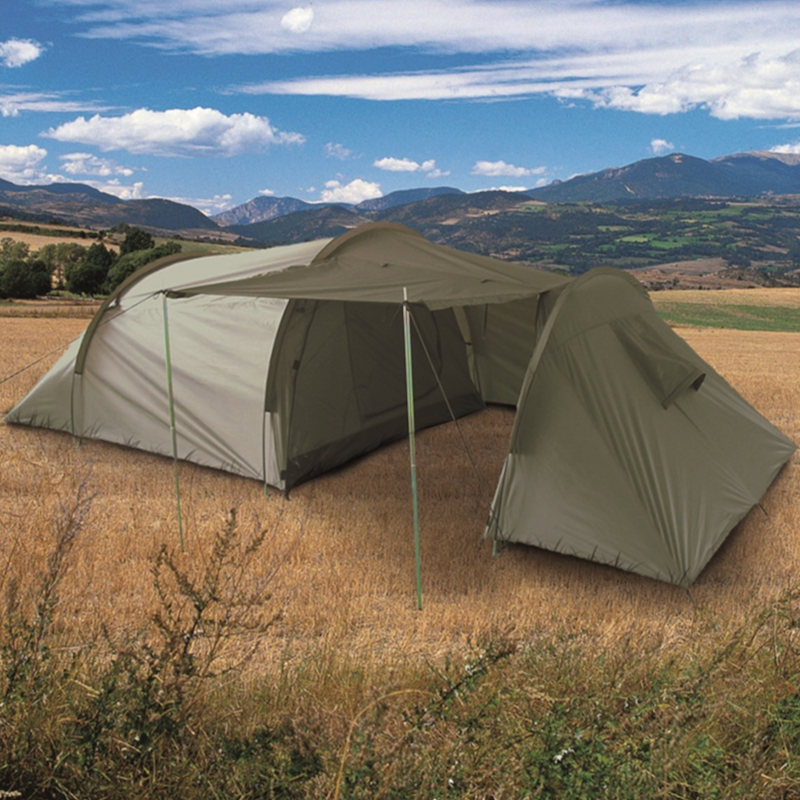
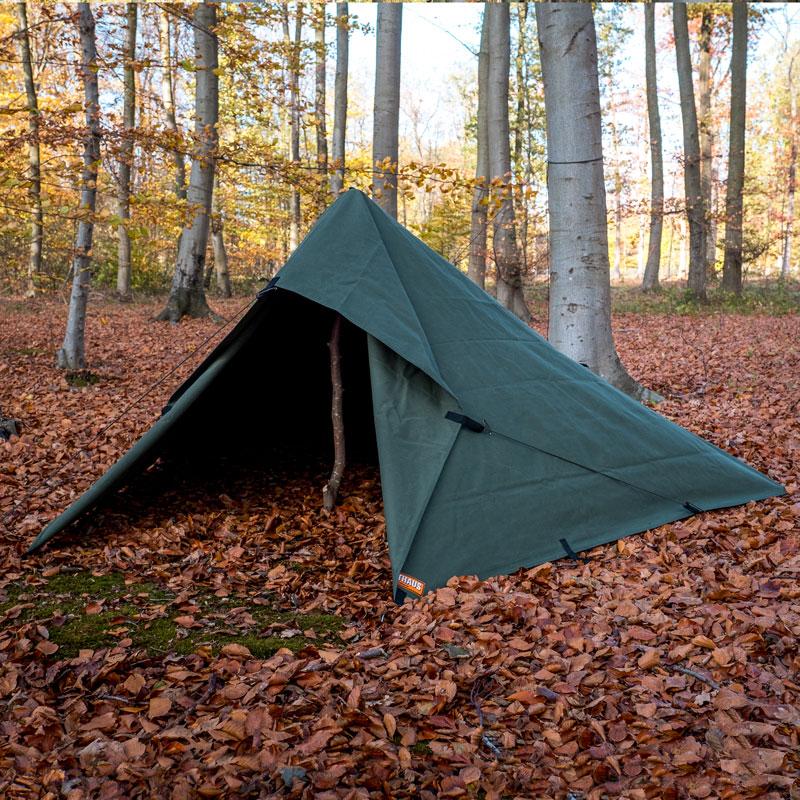
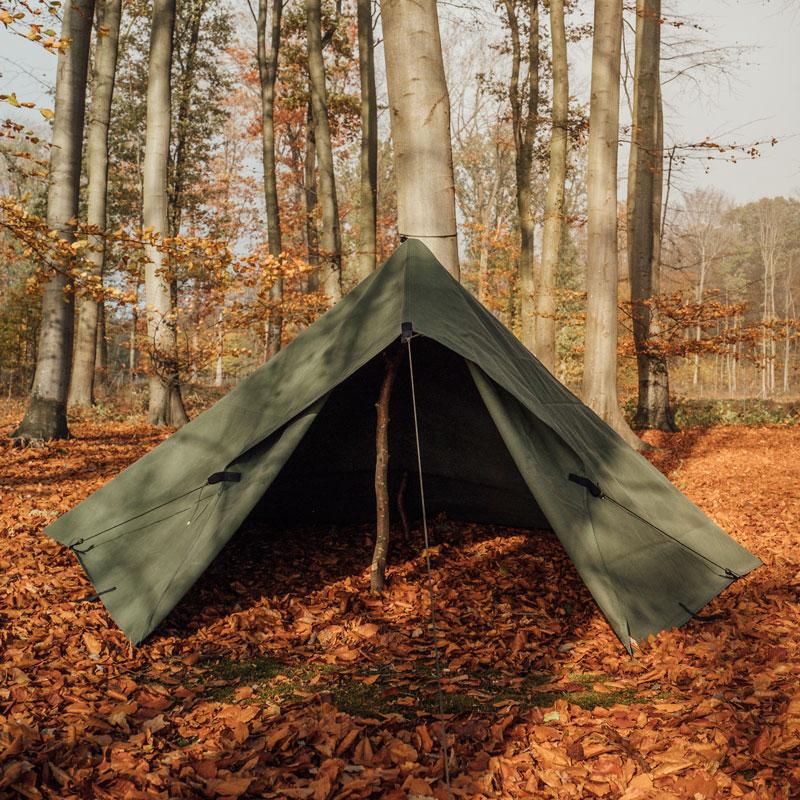
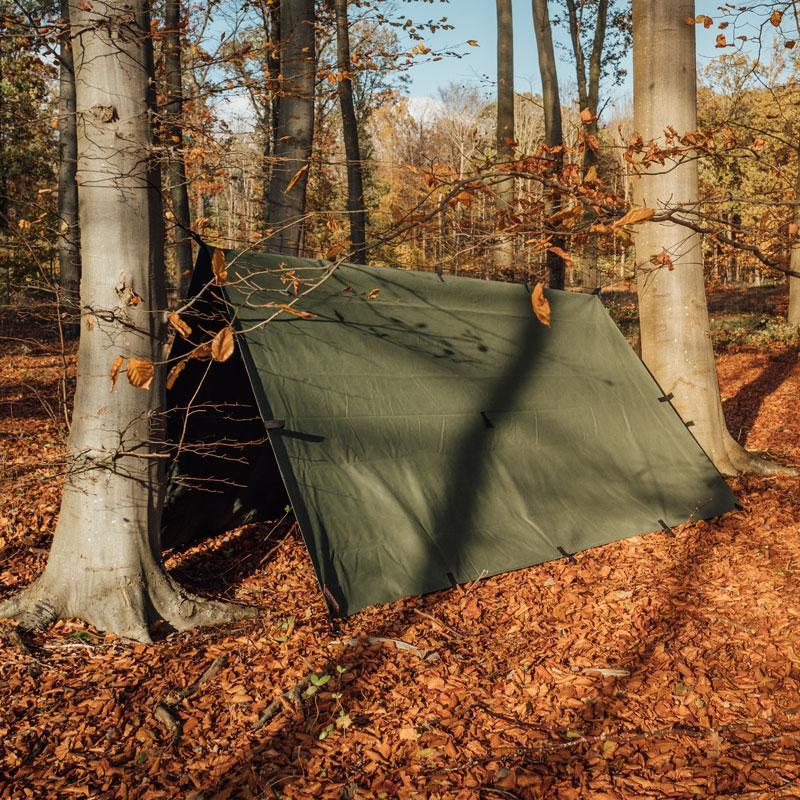
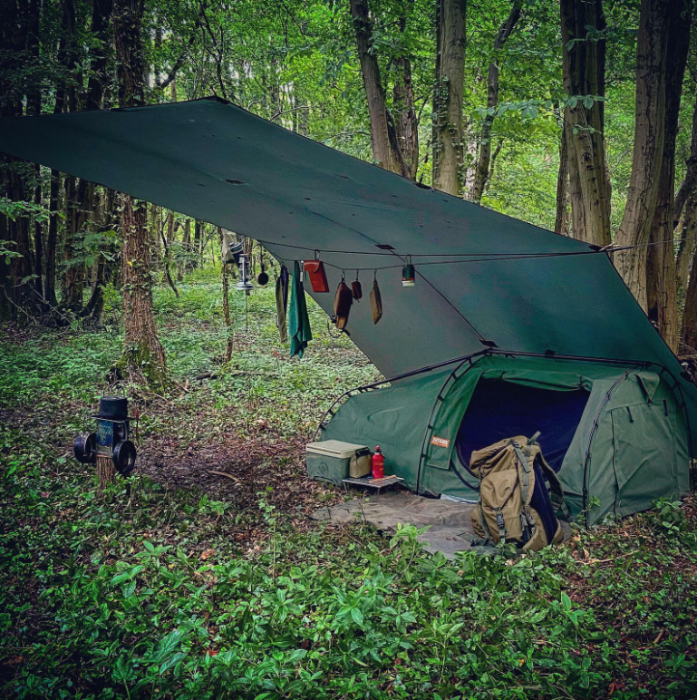
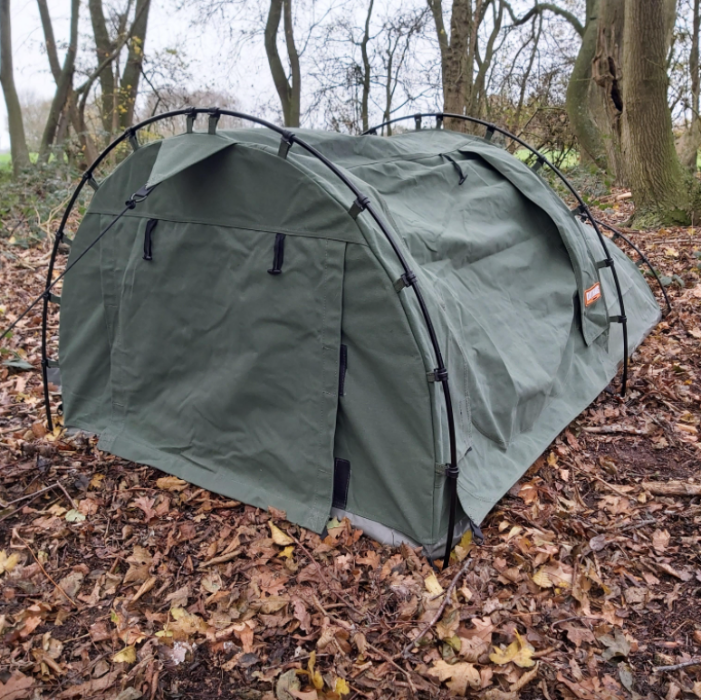
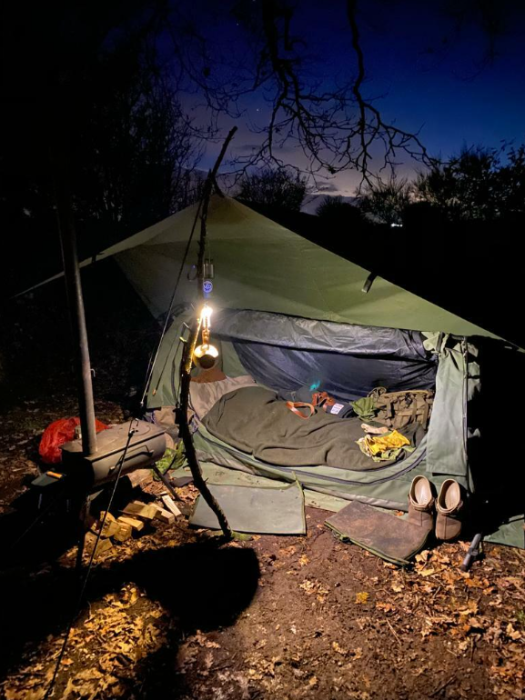
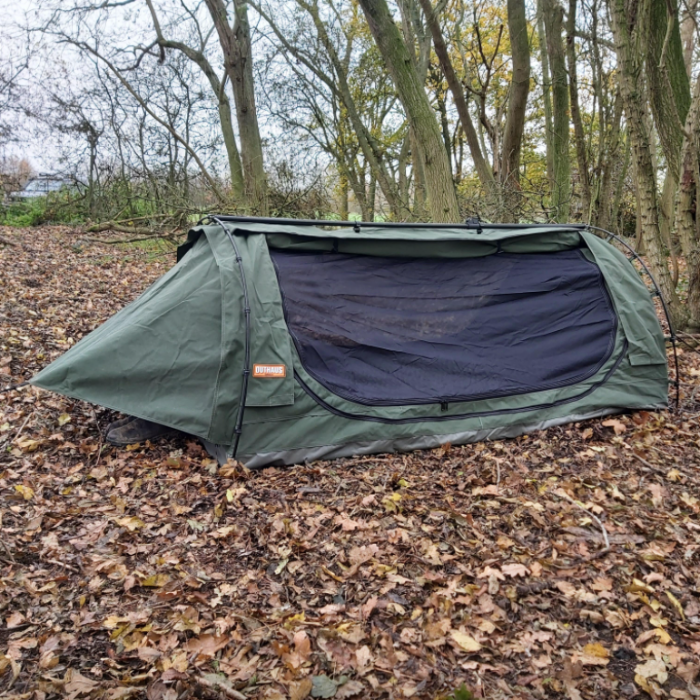
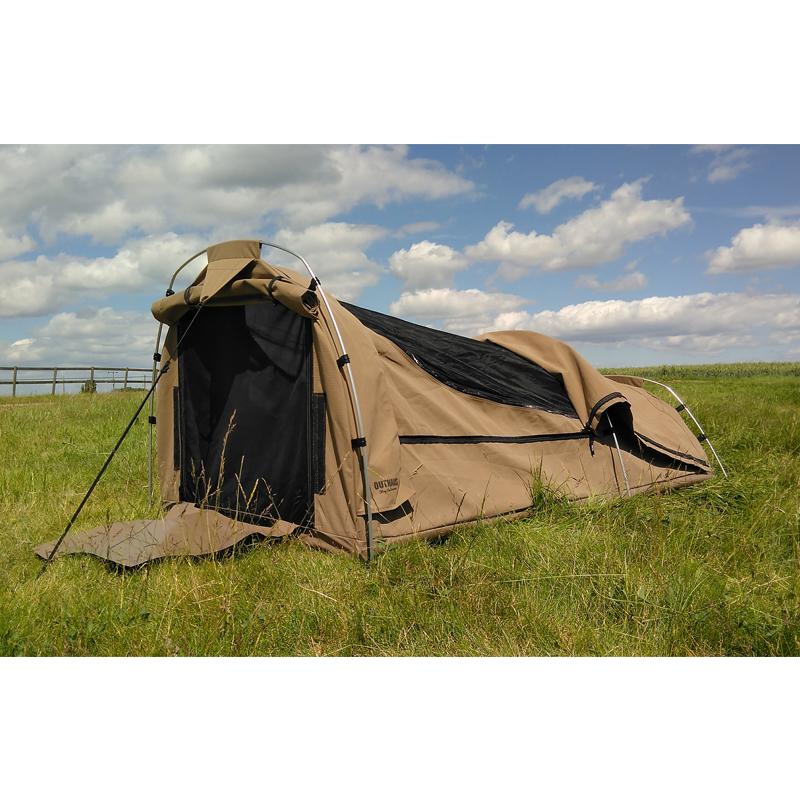
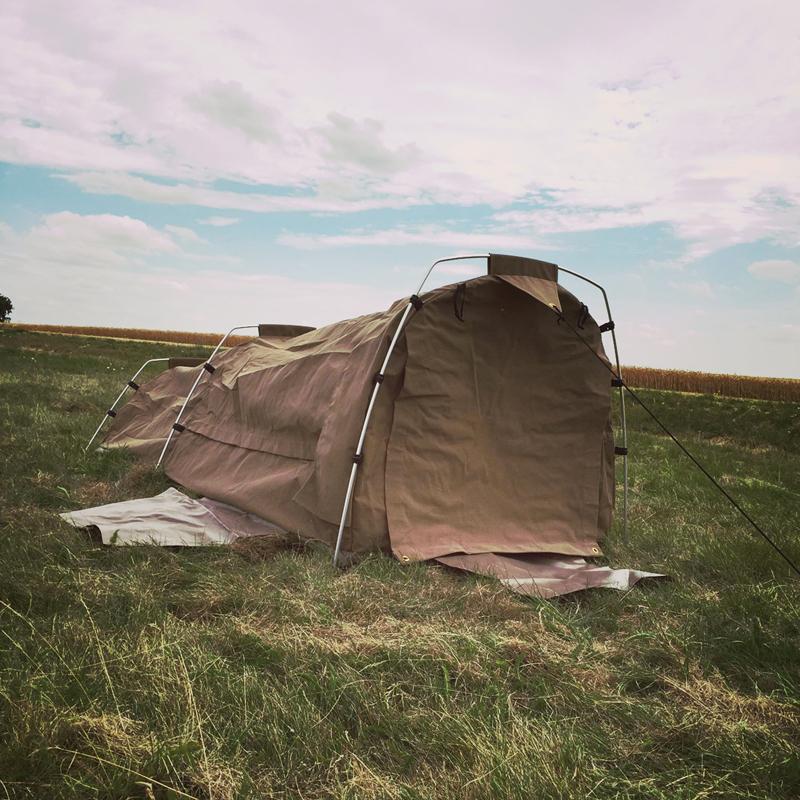
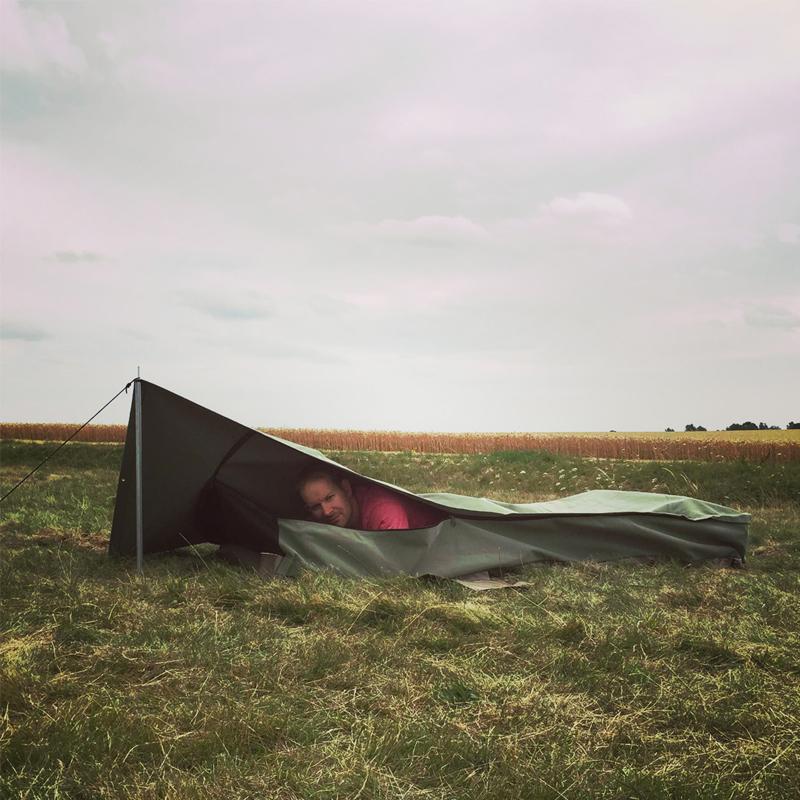
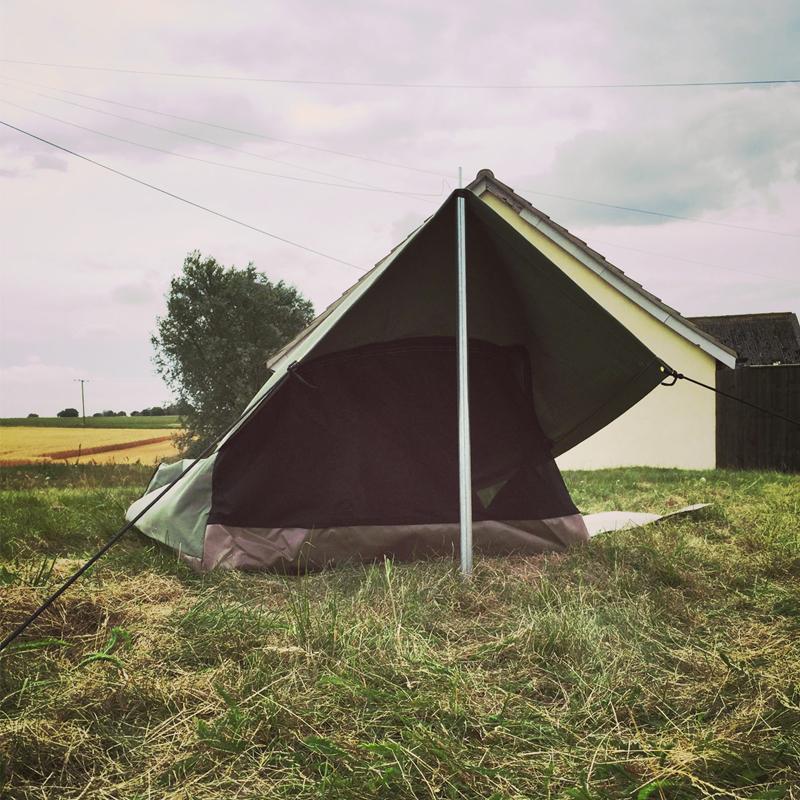
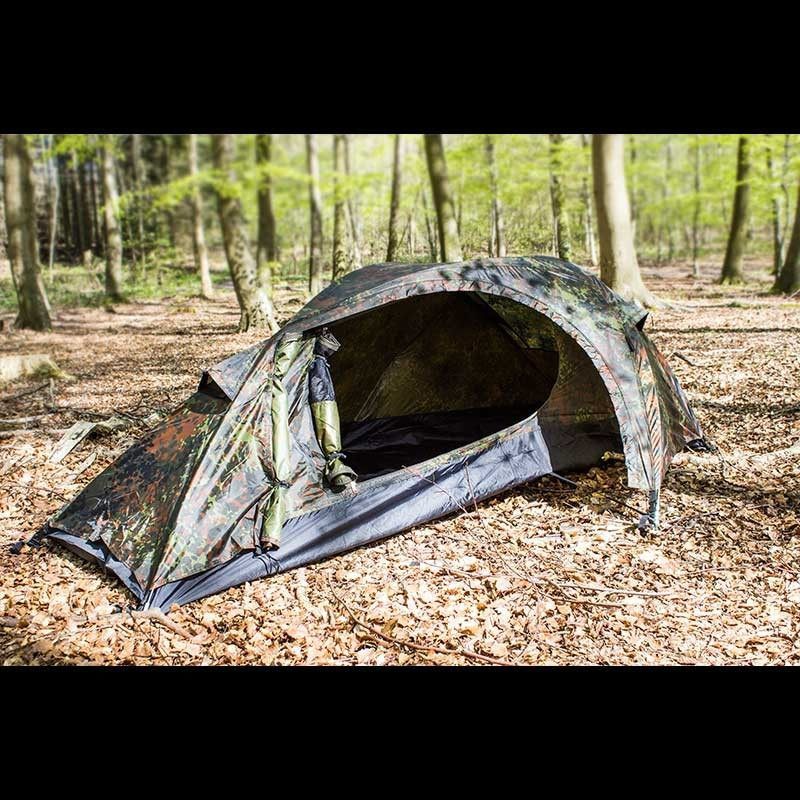
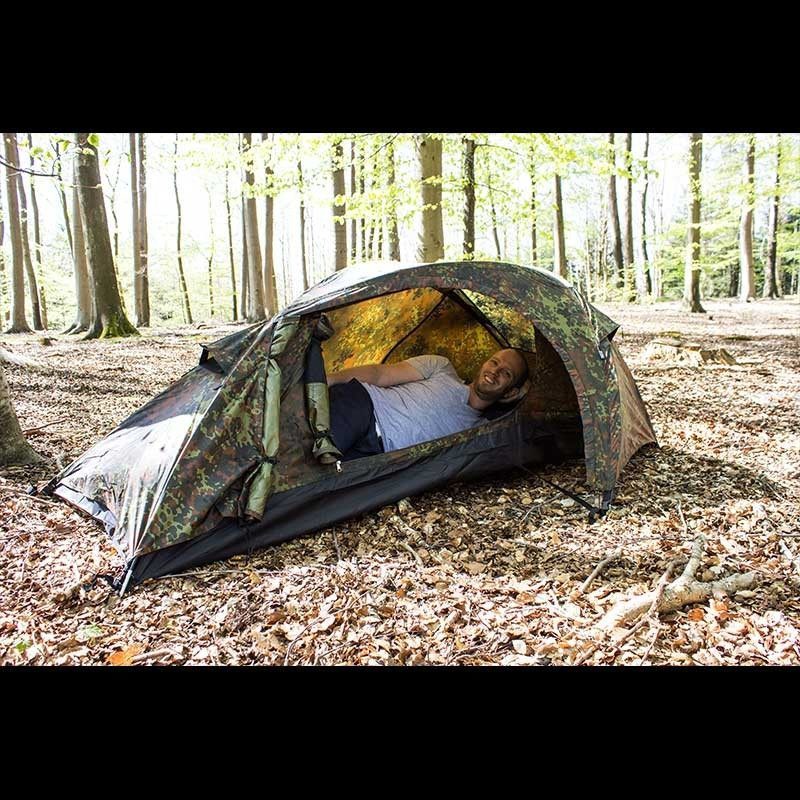
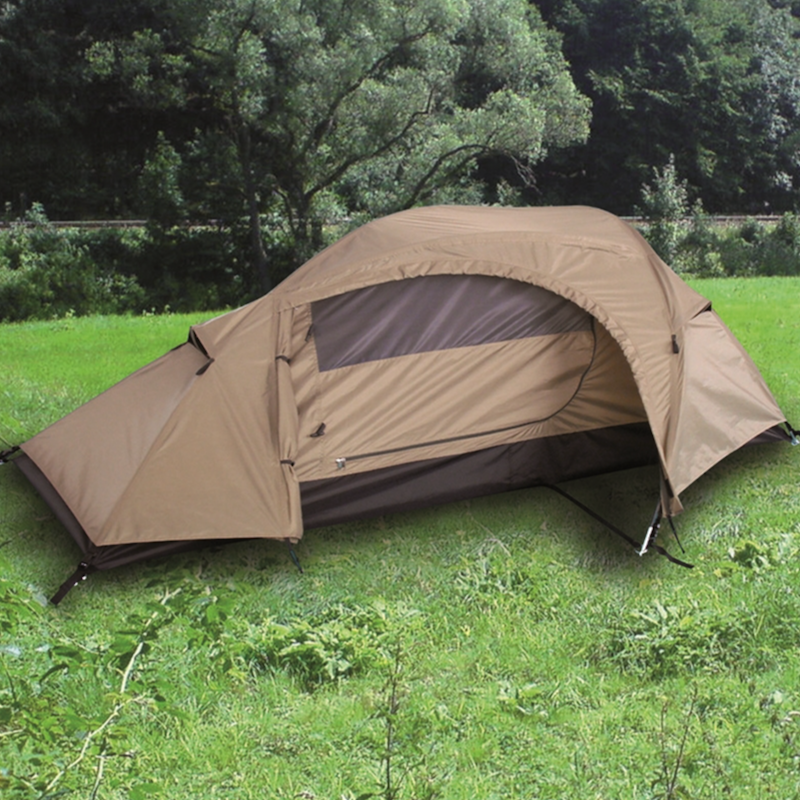
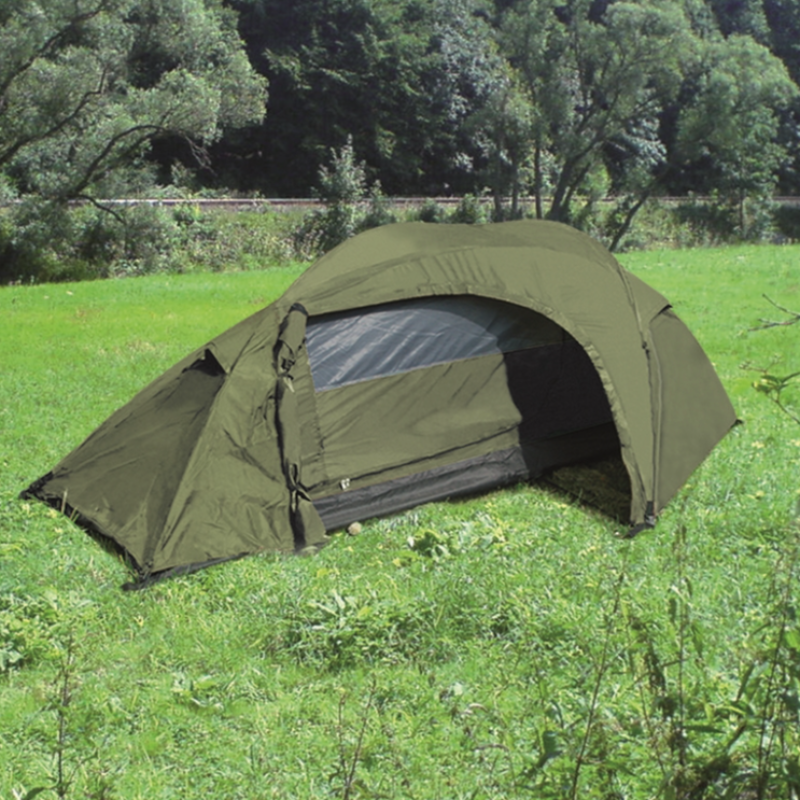
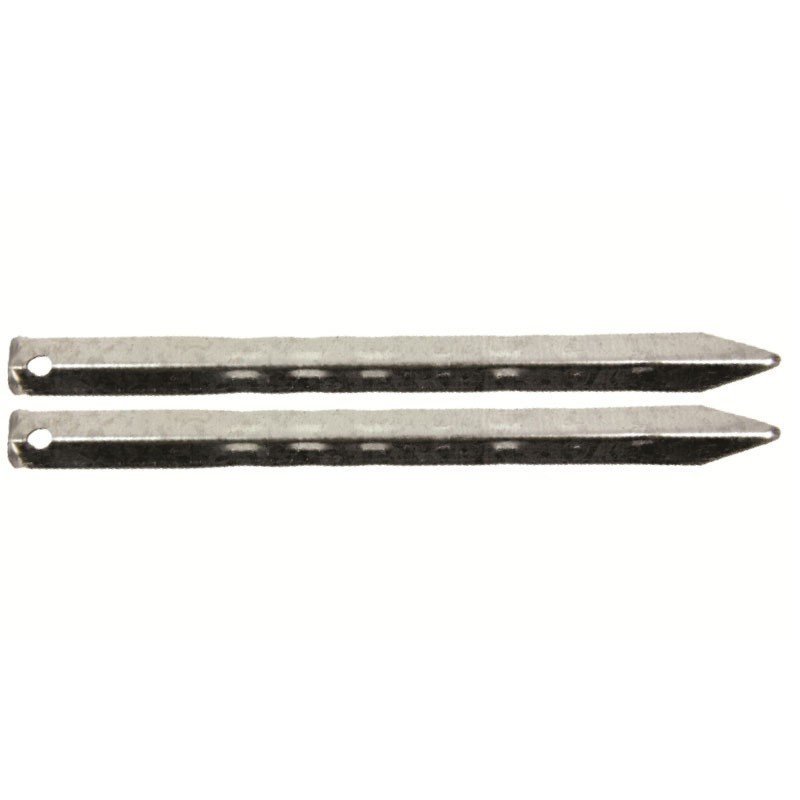
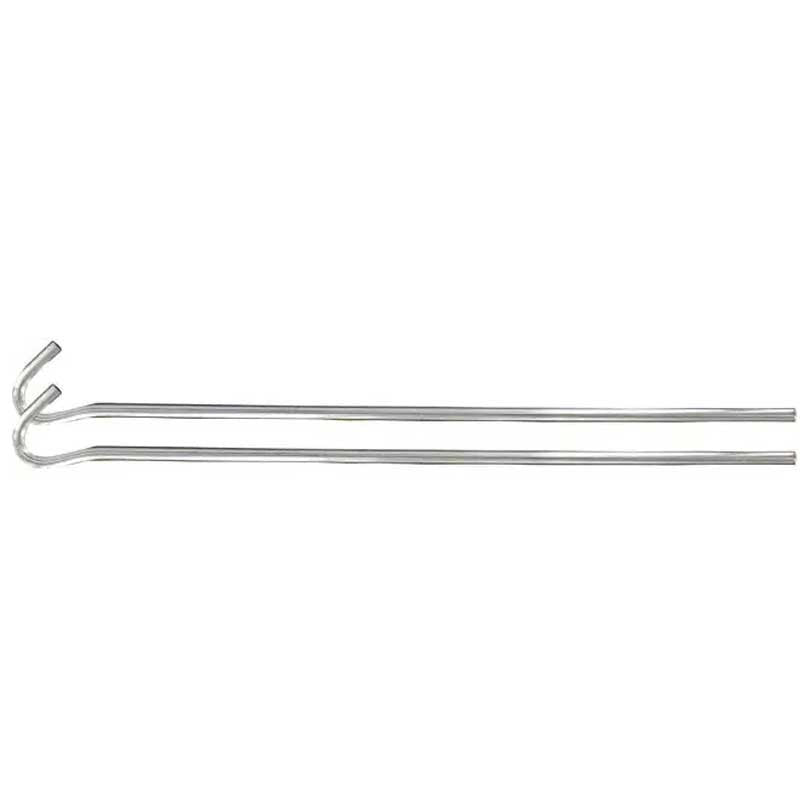
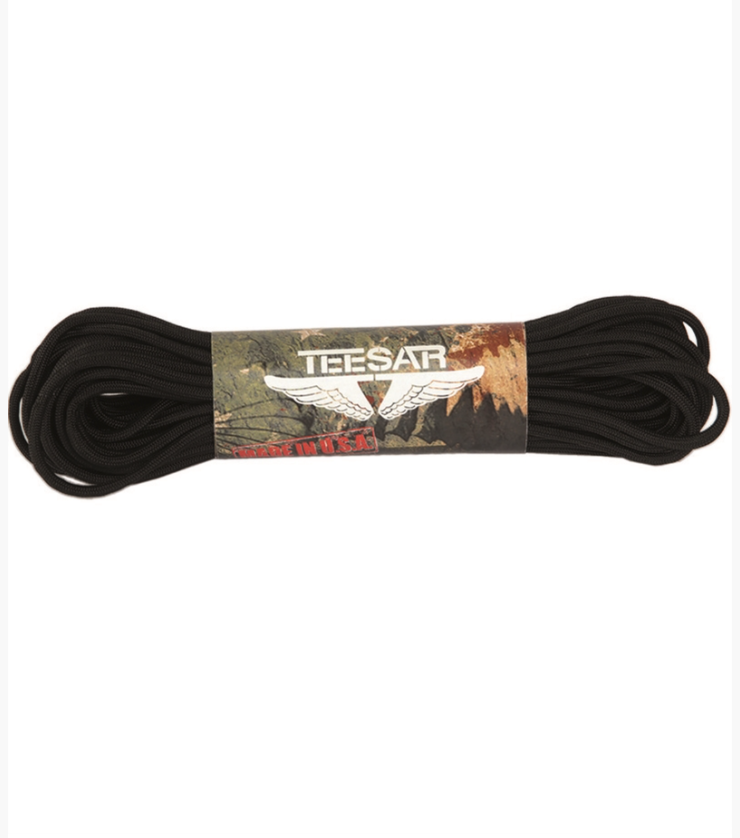
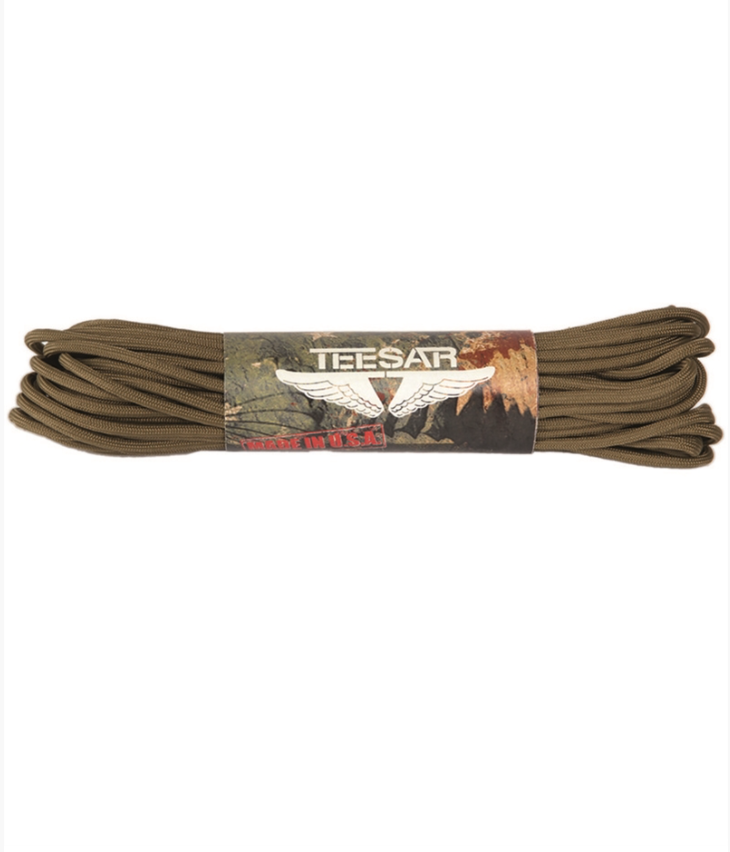
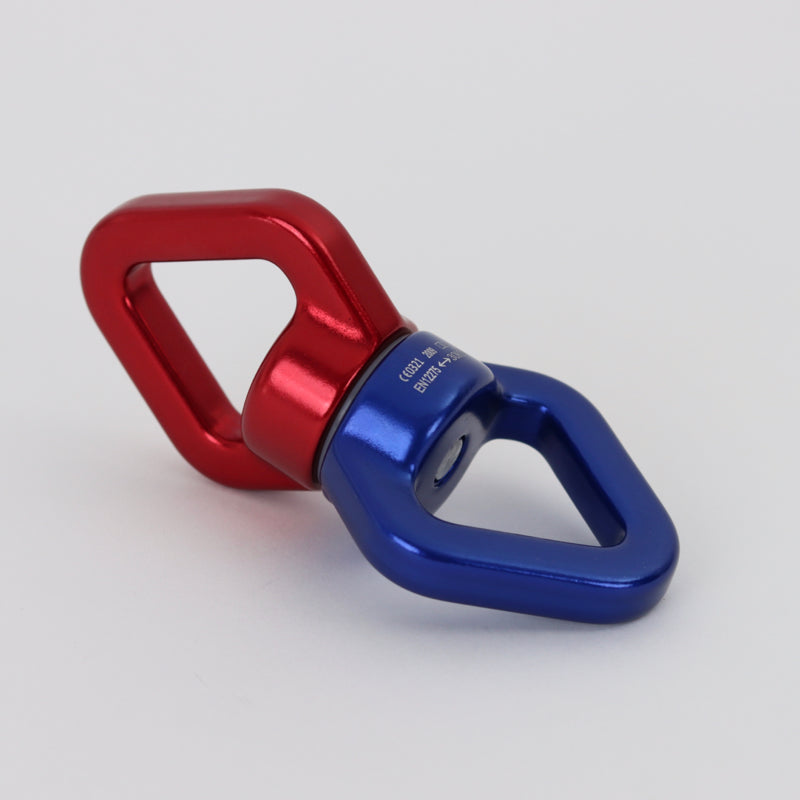
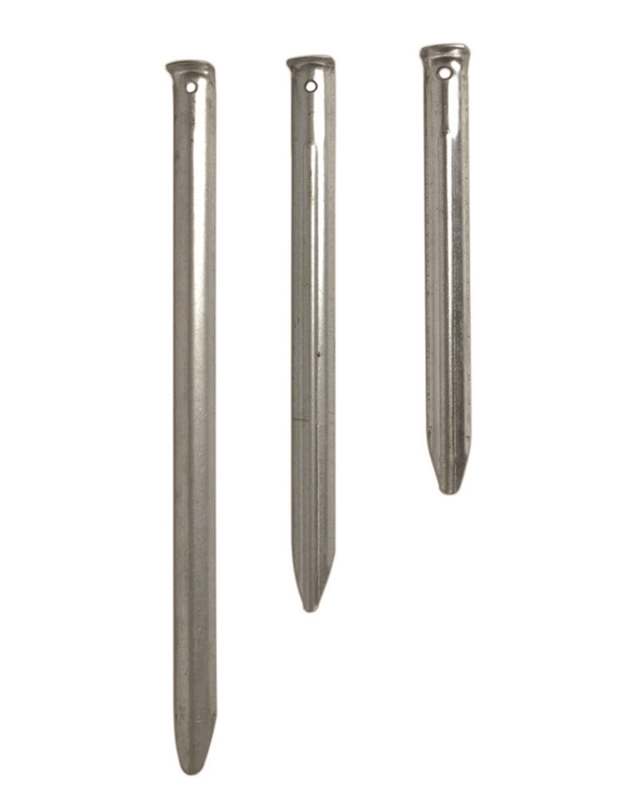
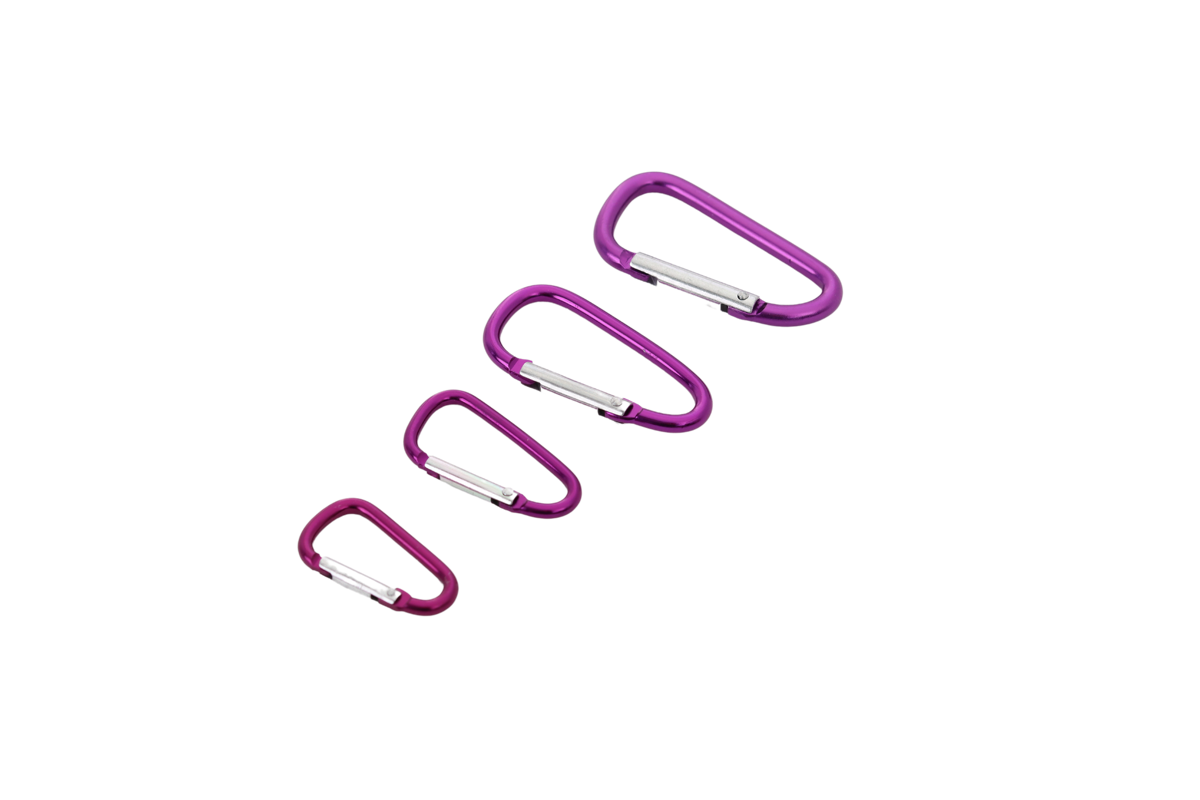
In this category, you will find everything you need for overnight stays in nature. The prerequisite for a comfortable night and a good camp is a good shelter. This applies regardless of which type of shelter you prefer for outdoor overnight stays. Whether it’s a tarp, tent, or bivy, you will find it here. You will also find plenty of useful accessories for overnight stays such as extra stakes, elastic cords, and much more.
Below you will find a guide to the different overnight options. Here you can read about advantages and disadvantages, the types available, and we will go into more detail about what makes the individual types of shelters good for overnight stays in nature.
Tent
The tent is the most common form of overnight shelter. At least if you don’t want to use one of the pre-set shelters in Danish nature. A tent can do many things and can be used by everyone. Always simple and easy to pitch, can almost be pitched anywhere (although it is not allowed to pitch everywhere in Danish nature), and provides fantastic protection against wind and weather. And it’s quite cozy to spend an evening and night in a tent with good friends or a partner.
Types of Tent
There are several different types of tents. Also some types primarily used for parties or cozy gatherings in the garden. We will not focus on those. We offer a selection of tents for outdoor activities. Tents that you can carry on your back, throw in a pulk, or otherwise transport with you when you go on a trip.
Below we will review the most common types of tents for outdoor activities.
Tunnel Tent
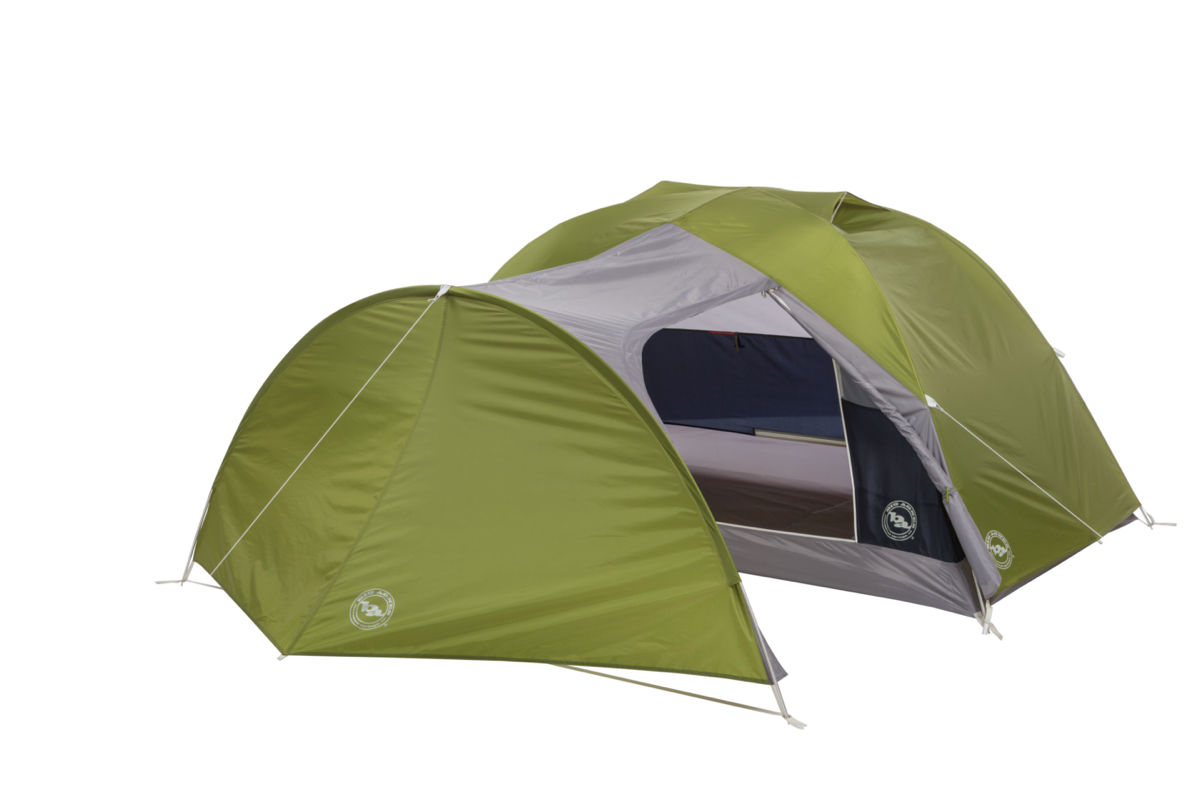
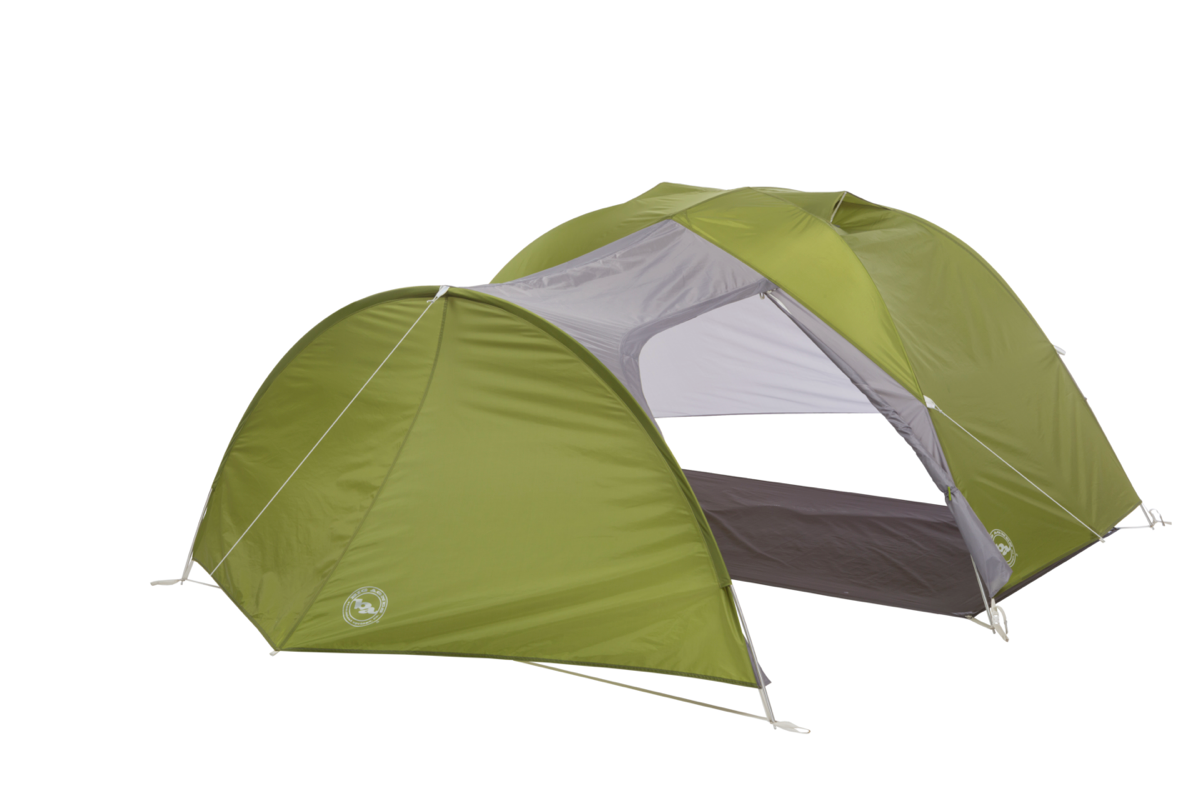
Tunnel tents are elongated tents where the poles stand in parallel arches. For the tent to stay upright, it must be tensioned at the ends. Thus, the tent is not freestanding. The advantages of a tunnel tent are higher comfort, as a result of having more space inside the tent. Especially if the tent has an extra vestibule (awning). Additionally, a tunnel tent is often incredibly easy to set up. However, a tunnel tent requires more ground space than a dome tent. A tunnel tent is wind-stable if the wind comes from one of the ends but can be more vulnerable to shifting winds. With a simple construction, a tunnel tent is relatively light for its size.
Bonus: With a larger vestibule/awning, it is typically easier to cook inside the tent if the weather is bad.
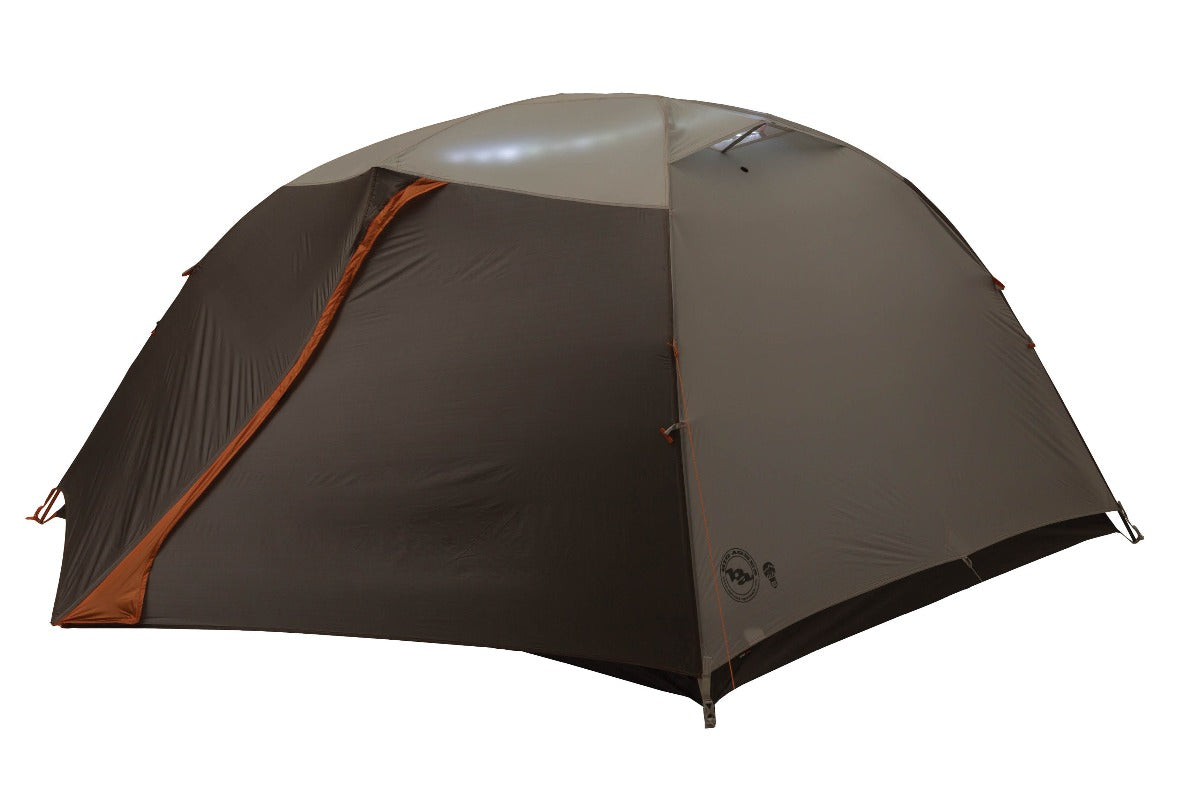
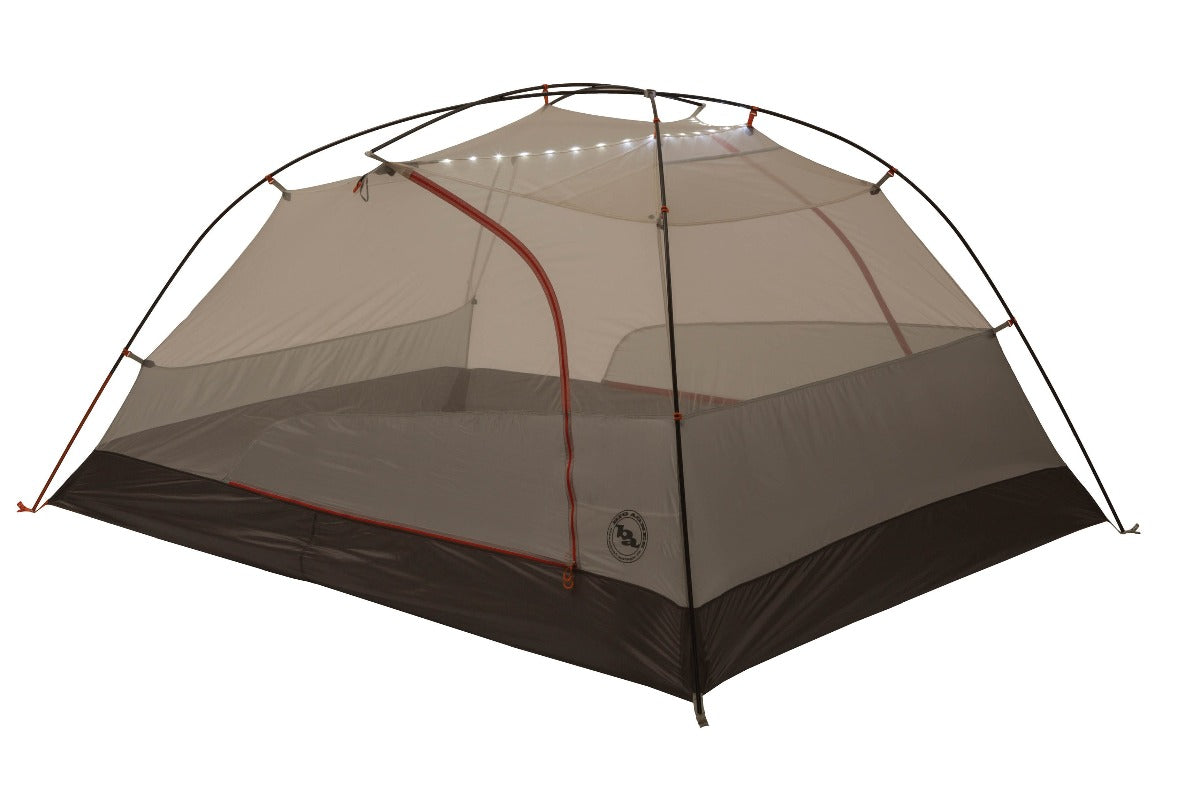
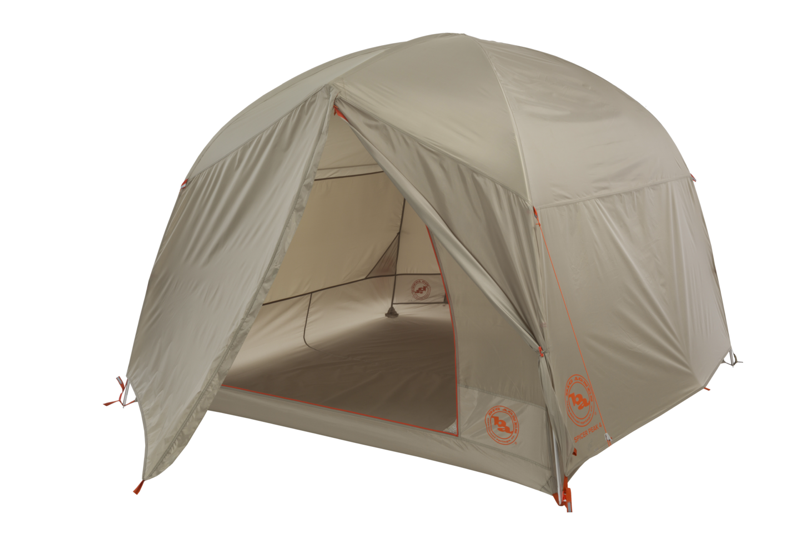
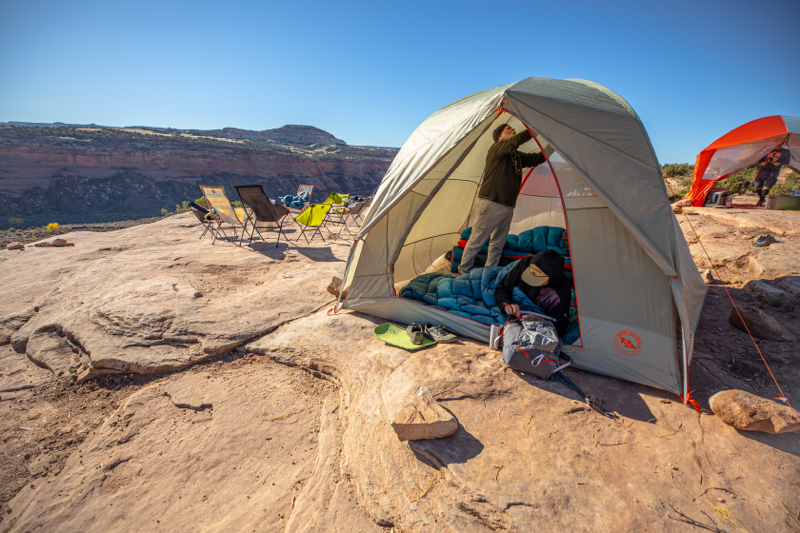
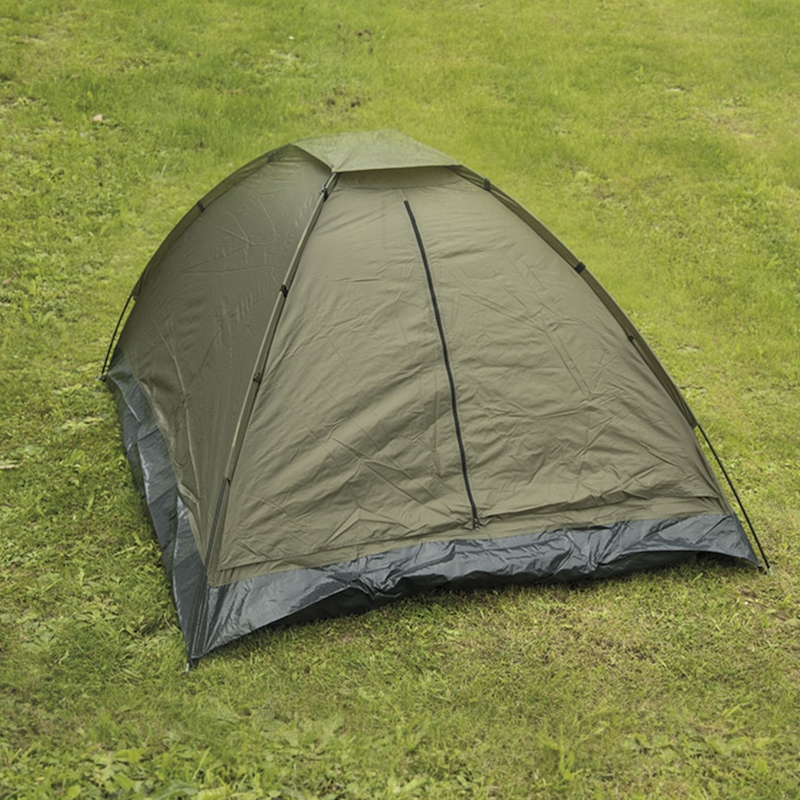
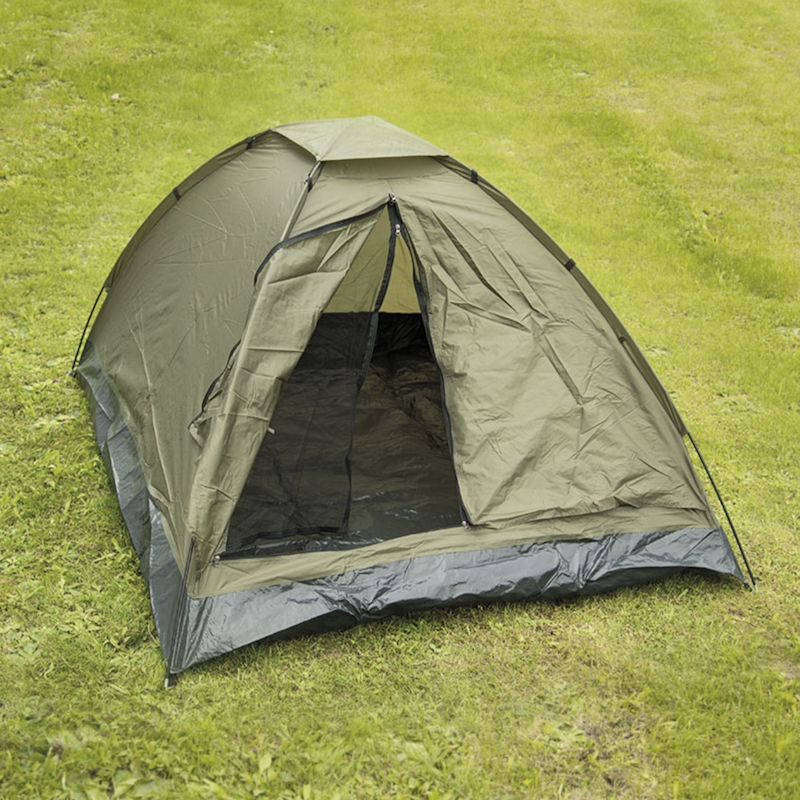
Dome Tent
A dome tent is a type of tent made of poles that cross each other. Therefore, they can practically stand without being staked out with guy lines and pegs (although the tent will naturally stand better with guy lines and pegs). However, this also means they are typically a bit harder to set up and a bit heavier than a comparable tunnel tent. The space is generally more cramped, as there is often no vestibule or the vestibule is limited in size. On the other hand, dome tents require less ground space, are more stable against wind from all directions, and have good space inside the cabin. Additionally, the shape causes rain and snow to automatically slide off the tent.
Geodesic tent
A geodesic tent is a variation of a dome tent. They share many of the same advantages and disadvantages. A geodesic tent consists of several poles that cross each other, which gives an incredibly wind-stable and very self-supporting tent that can be pitched in very little space. Often used on mountain expeditions where very harsh weather is expected.
Lavvu
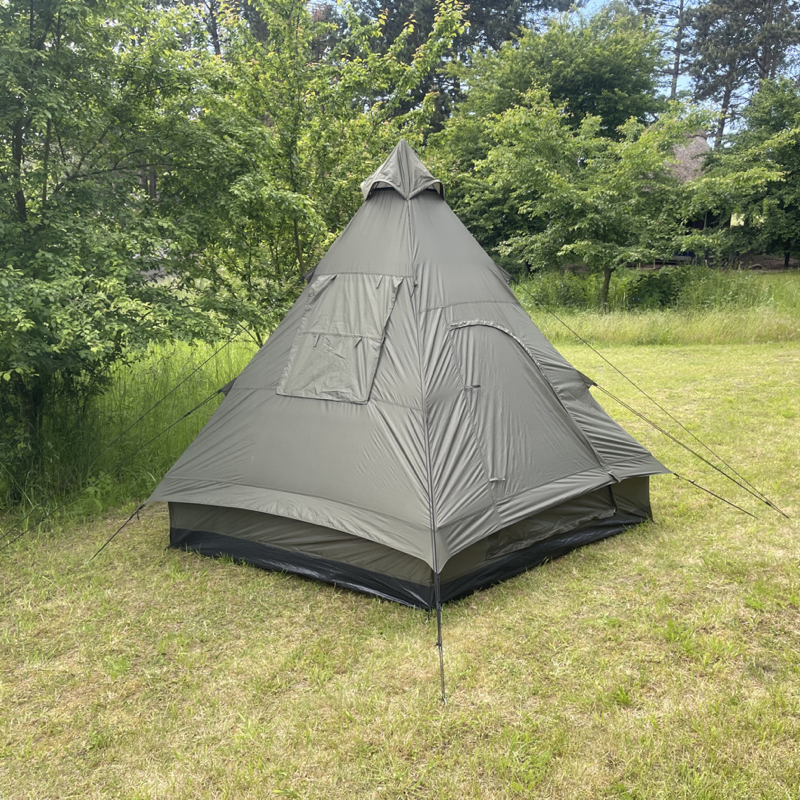
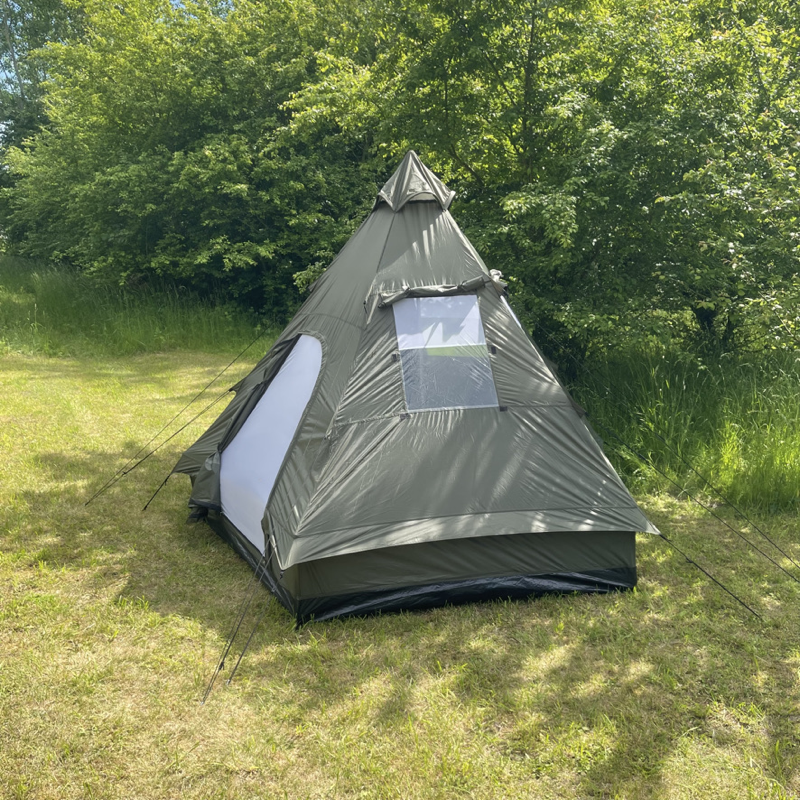
A lavvu tent is also known as a tipi or pyramid tent. It is a large and spacious tent based on experiences from nomadic peoples around the world. It is perfect for larger family trips where you need a lot of space. At the same time, it is ideal to bring a tipi/lavvu stove to heat the tent and cook food. Therefore, lavvu tents are also made from more durable materials, often flame-retardant, so you can live completely inside the tent. There is standing room and plenty of floor space in a lavvu tent. At the same time, it is incredibly easy to set up. The tent consists of one large room with a pole in the middle. The top of the tent functions as both a chimney and ventilation. The downsides of a lavvu are that it is a heavier type of tent and not very wind-stable.
See our tipi/lavvu category for our selection of this type of tents and to read more about the tents.
Summary
Tents can be used for many different outdoor trips. The advantages are that a tent trip is easy to get into and can be used by both beginners in outdoor life and experts who want to push the limits of outdoor trips and venture out in more challenging weather conditions. A tent is also perfect for introducing children and family to outdoor coziness. The possibilities with a tent are endless; it’s about choosing the right tent for your use and your preferences for how overnight stays in the wild should be.
Bivouac:
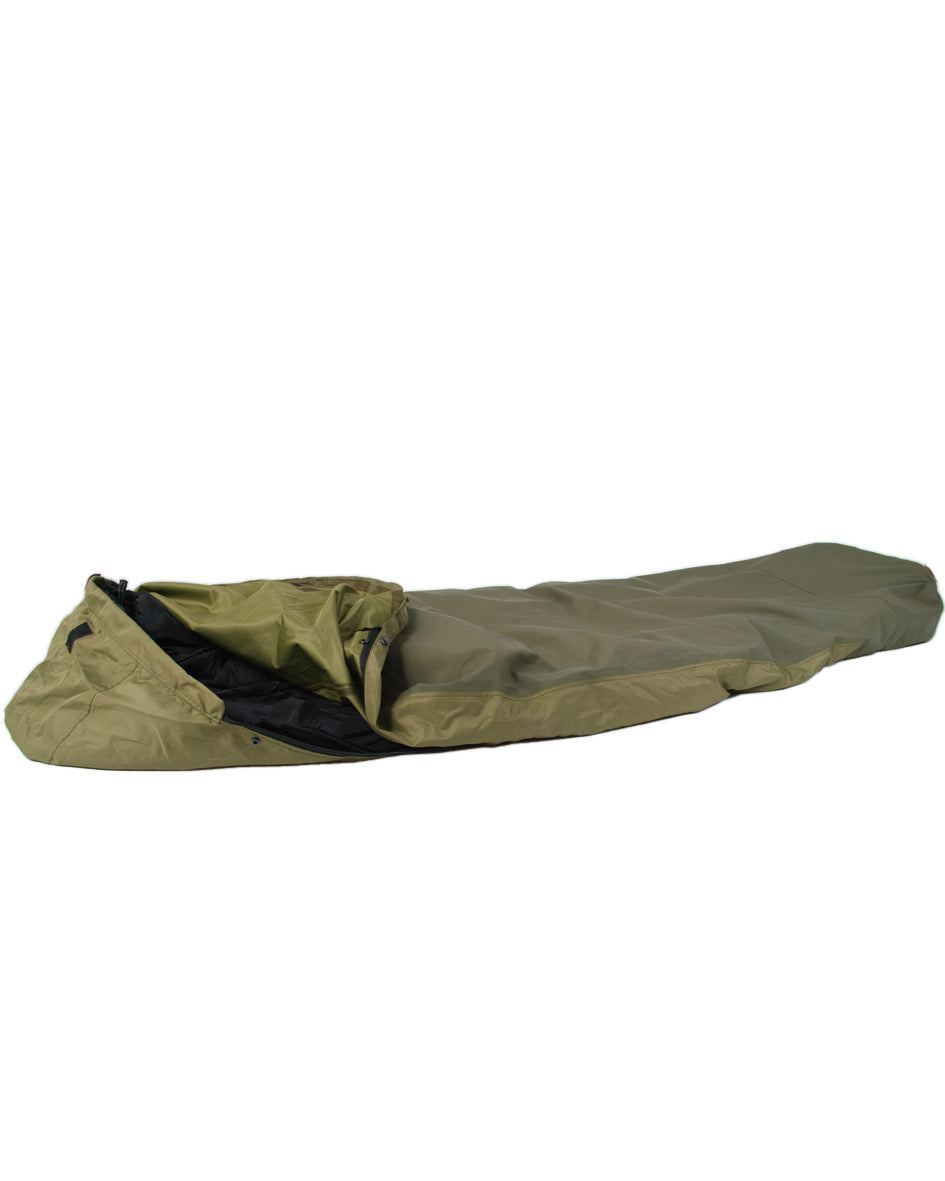
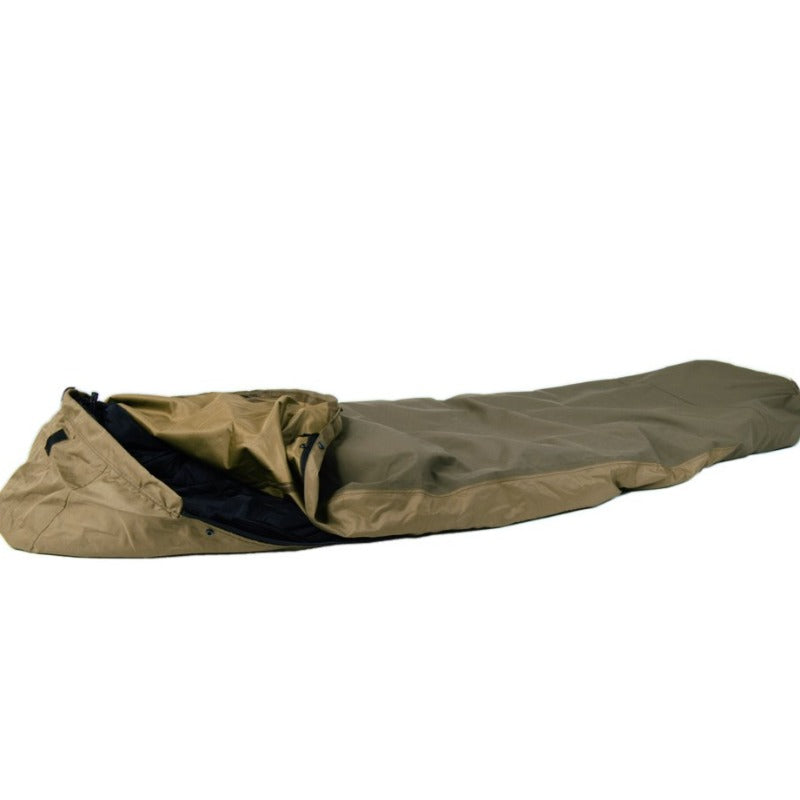
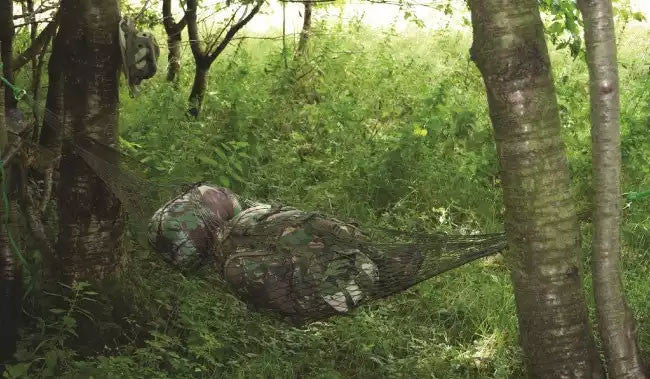
Sleeping in a bivouac (also called bivi, bivvy, etc.) is, in its simplest form, sleeping outside without a tent, tarp, or hammock. It can be as simple as lying on the beach and sleeping through the night. Or it can be as complex as lying on a mountainside, wrapping yourself in a bivy bag, and hoping to stay warm all night. The reality is probably somewhere in between, and likely closer to sleeping on the beach.
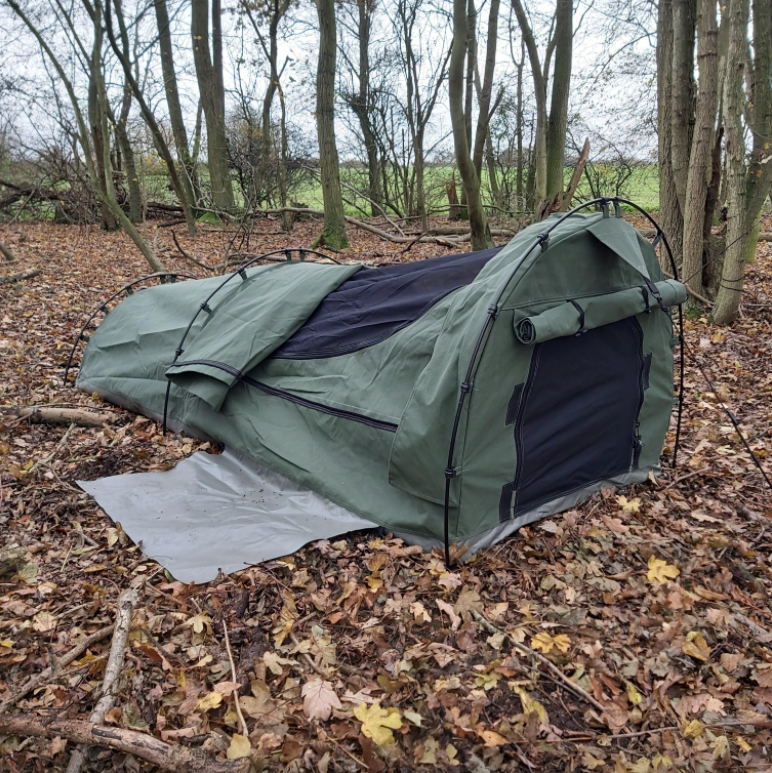
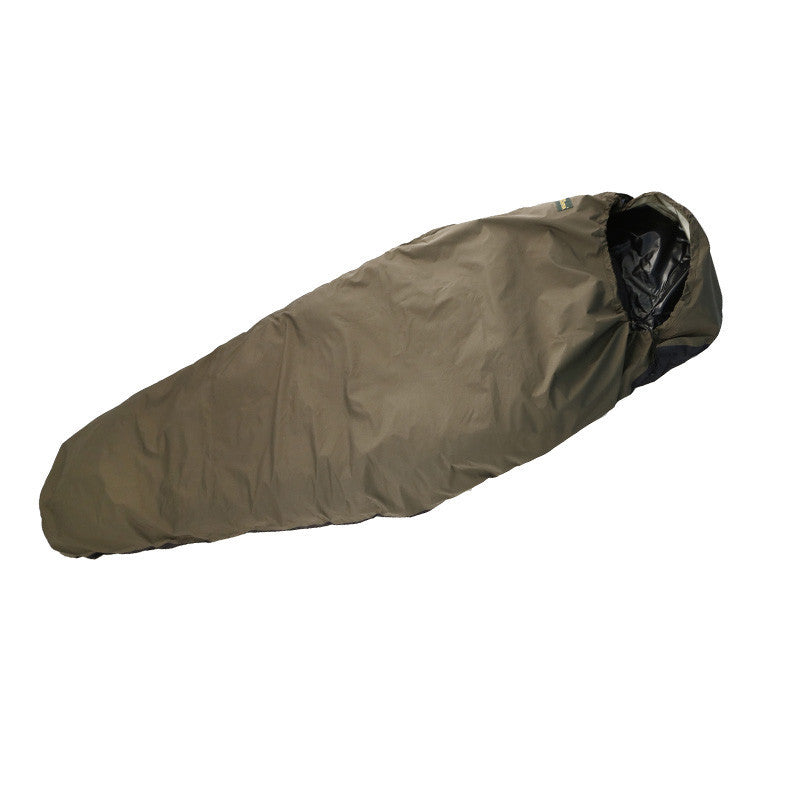
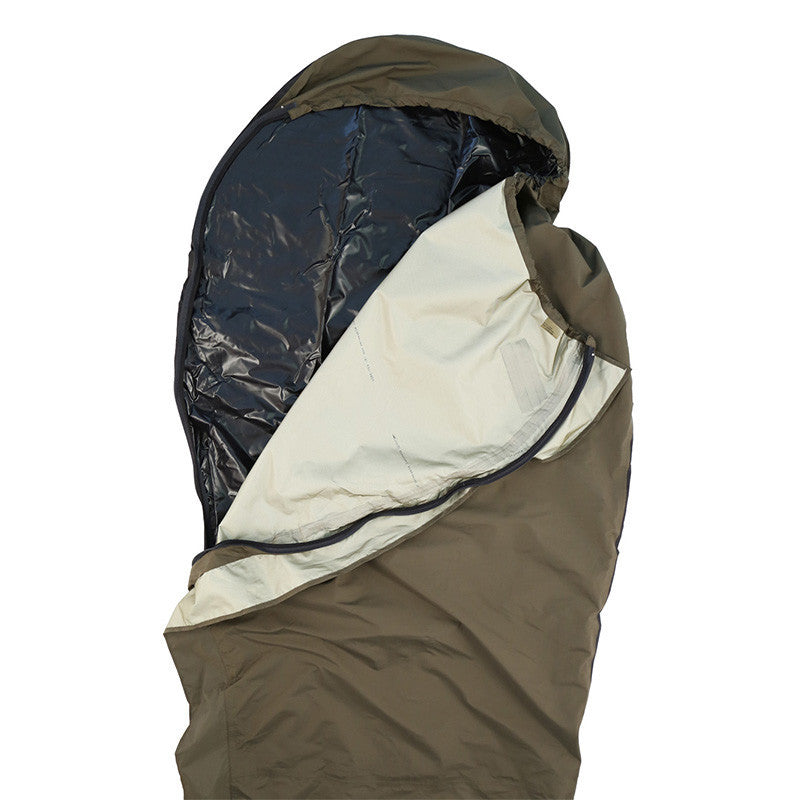
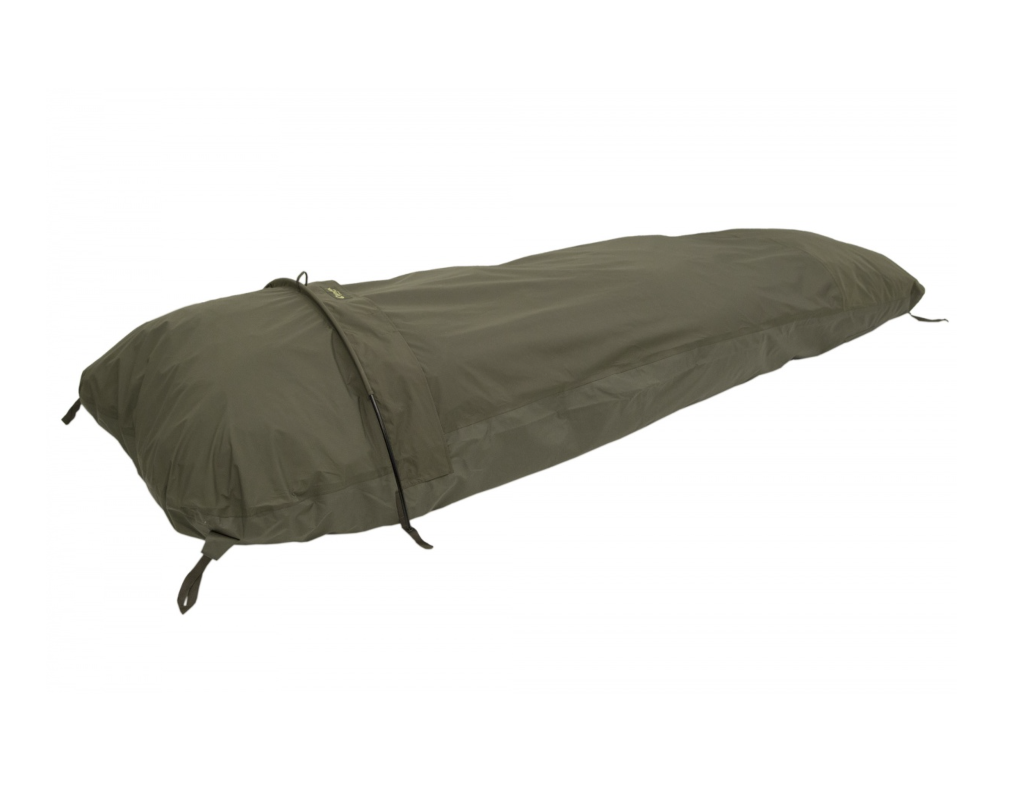
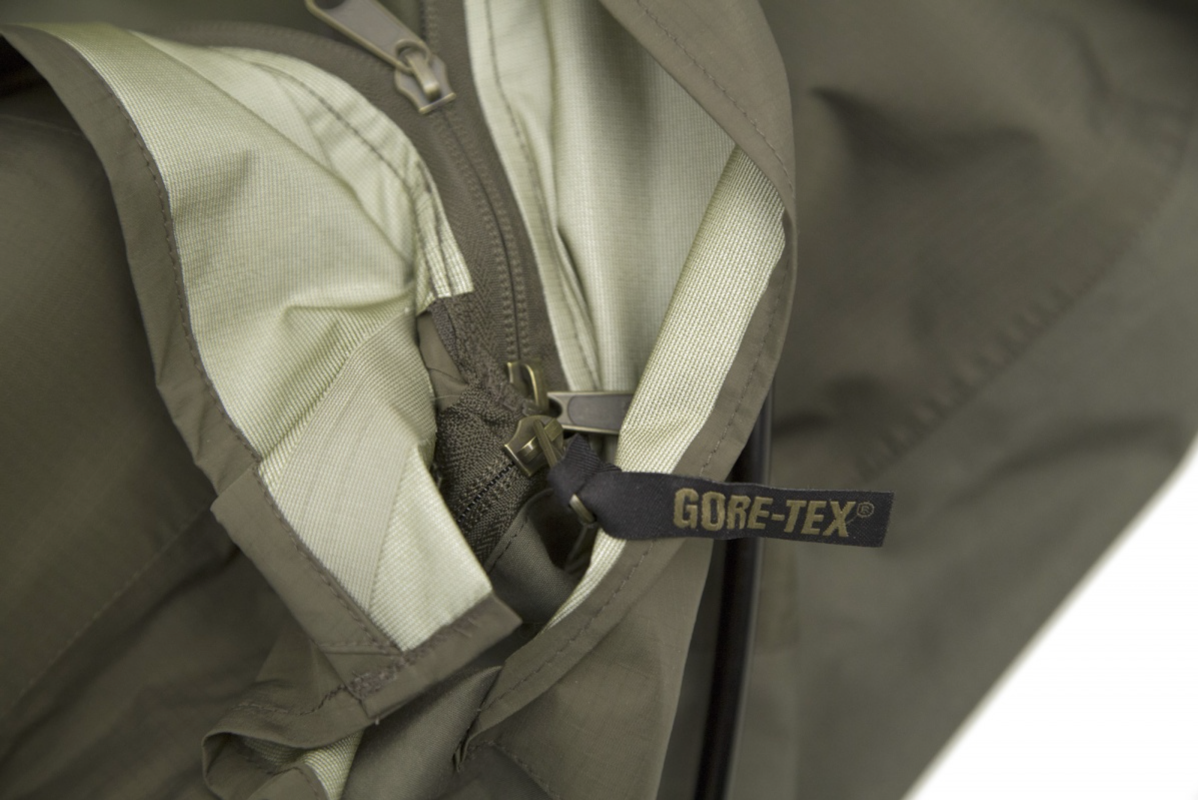
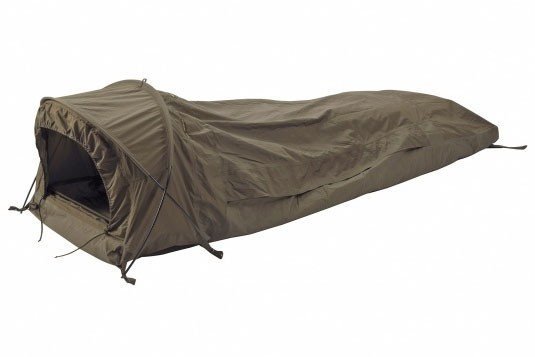
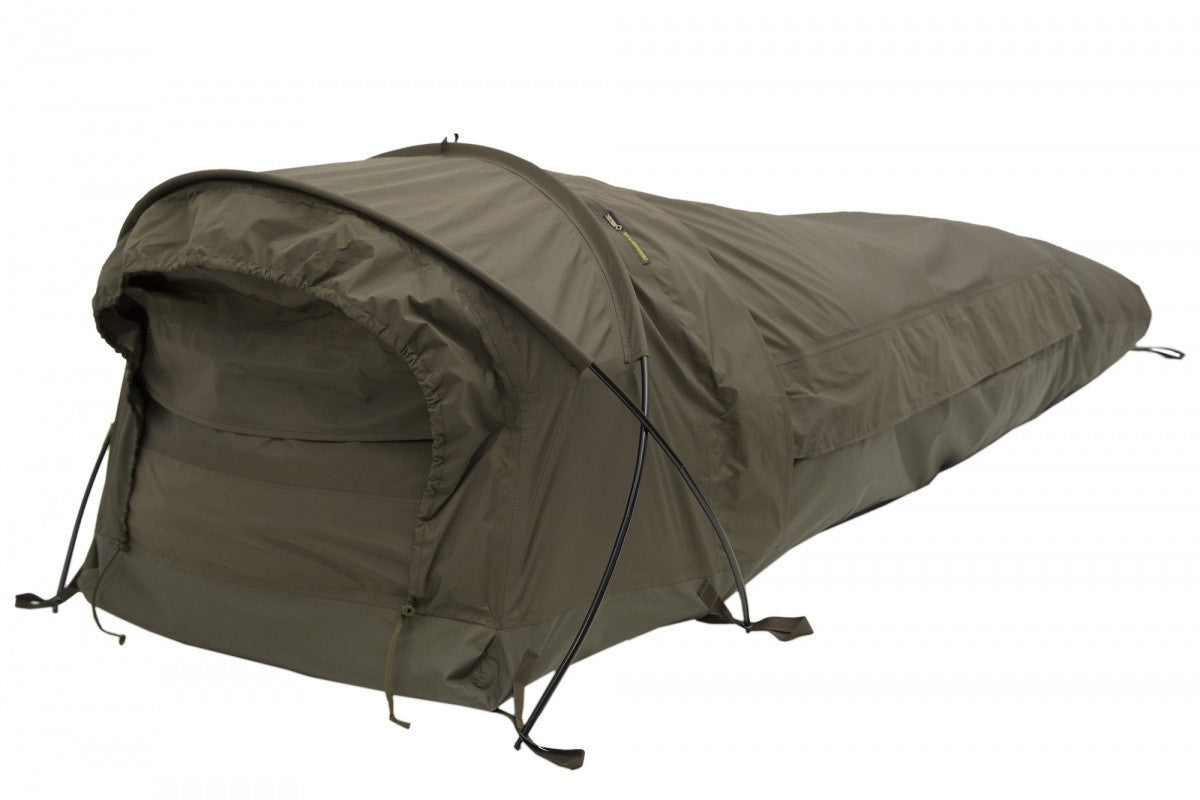
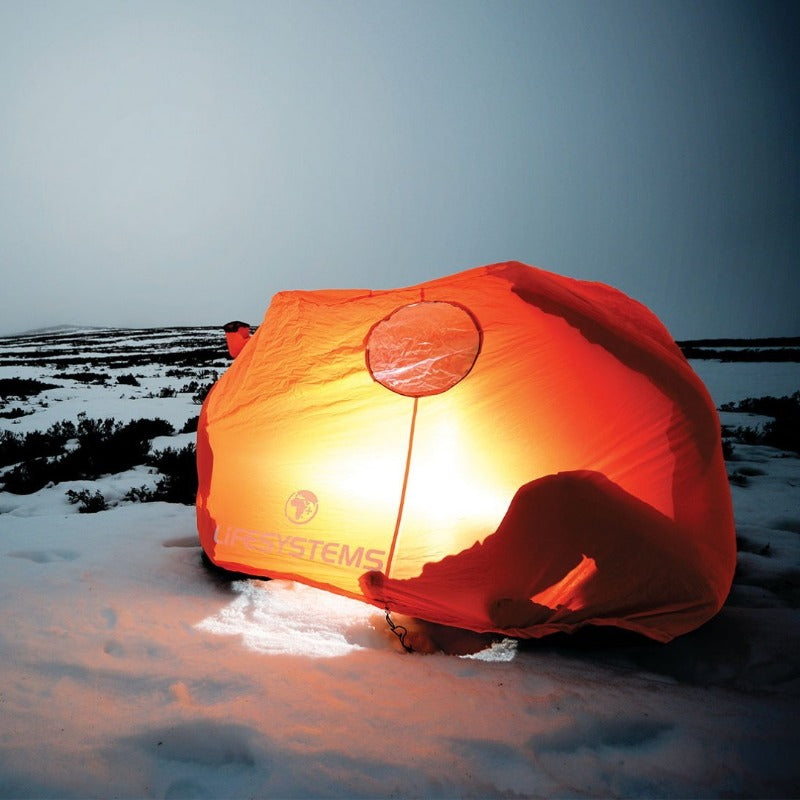
A bivy sack (also called bivy bag, bivy sack, or similar) is a wind- and waterproof sack that you can crawl into along with your sleeping pad and sleeping bag. There are models that are just a waterproof and windproof sack you wrap yourself in. And there are models more like a small one-person tent with stakes and poles.
Why sleep in a bivy sack?
In many ways, the reasons to sleep in a bivy sack are the same as the reasons to sleep in a tent, tarp, or hammock. In a bivy sack, everything is just a bit more intense. You get a bit closer to nature, you can really sleep anywhere, and it becomes even simpler.
Huge advantage: When you sleep in a bivy sack, you don’t fall under the tent/tarp rules in Danish state forests and can therefore sleep anywhere in the state forests.
Advantages of sleeping in a bivy sack
A bivy sack/bivy bag takes up less space and weighs less than a tent
It’s much easier to pitch and pack up again
You can sleep in a much smaller space
It’s more discreet than setting up a campsite
In good weather, you get all the fresh air you could wish for
You look up at the starry sky every time you wake up
Disadvantages:
Very little protection against bad weather
A low level of comfort
You don’t get the same camp coziness as with a tent, bivy sack, or tarp
Summary
A bivy sack is a great choice for those who want to head out quickly with a light backpack. Either for a single night or several days of hiking. A bivy sack is ideal for a trip where the weather is likely to be good, and/or where keeping weight down is more important than cozying up around the campfire. If you’re on a mission with a clear goal to reach within a set time, where functionality is prioritized over comfort, the bivy sack is the obvious choice.
Tarp
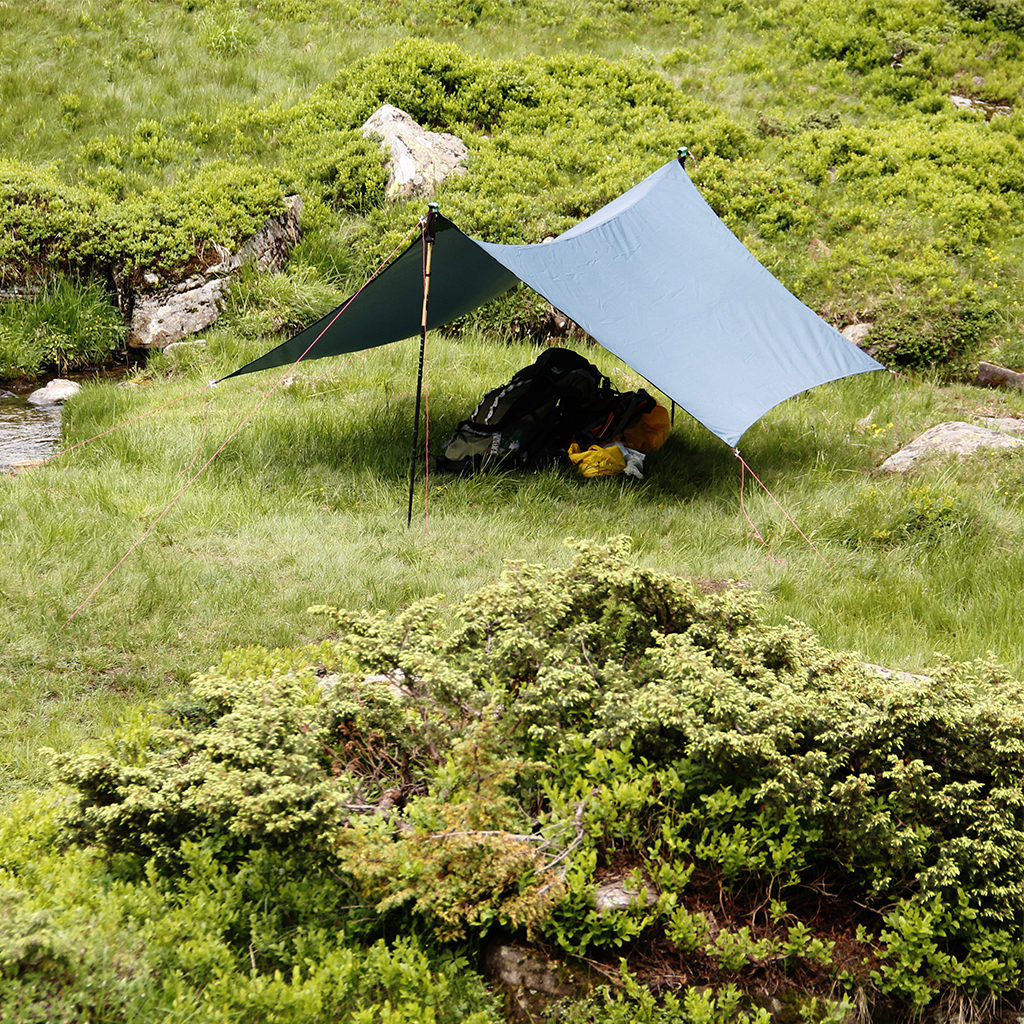
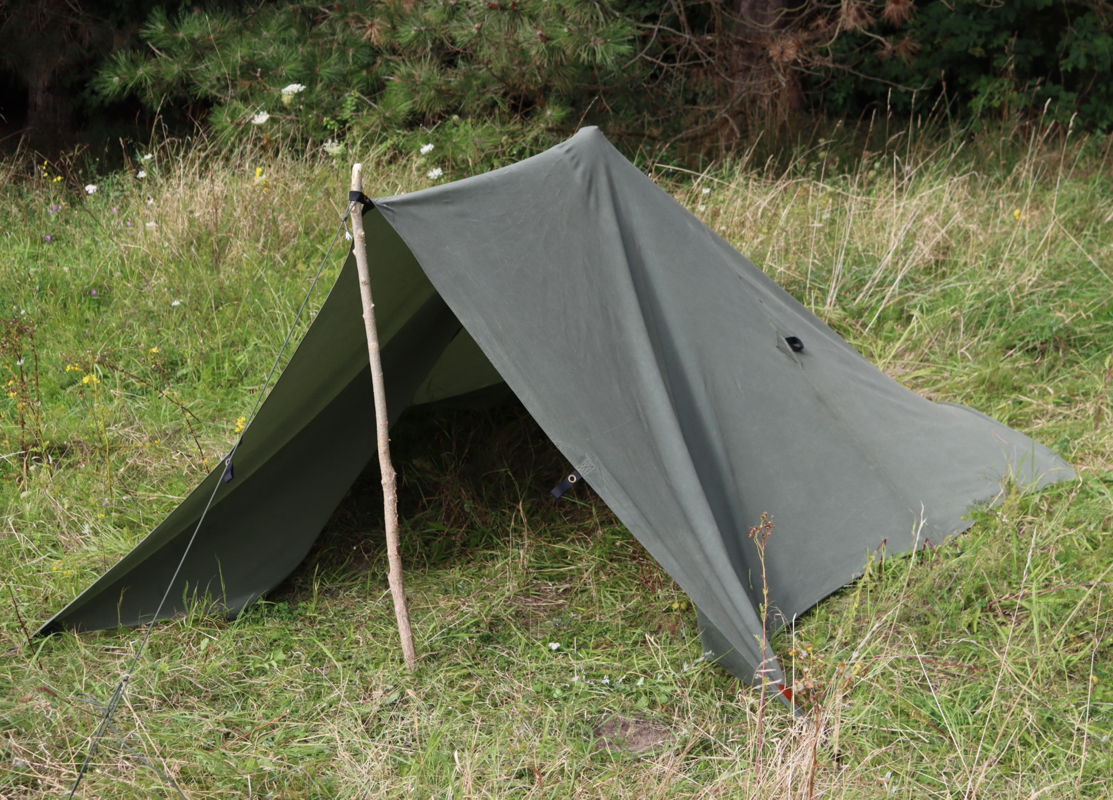
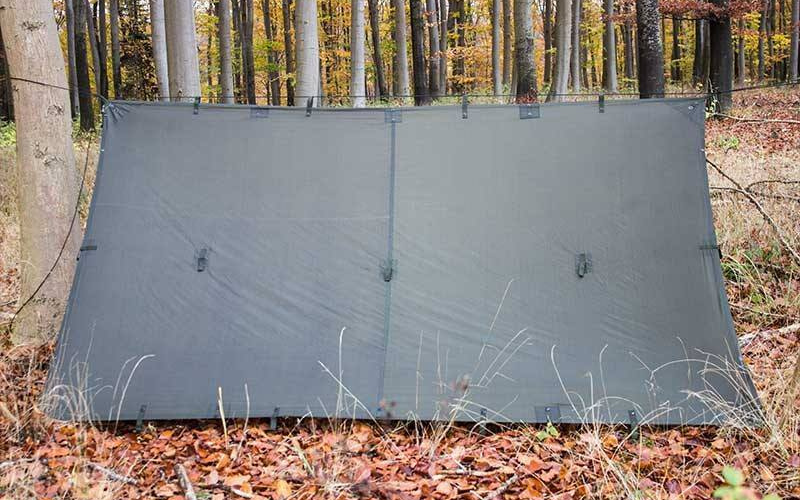
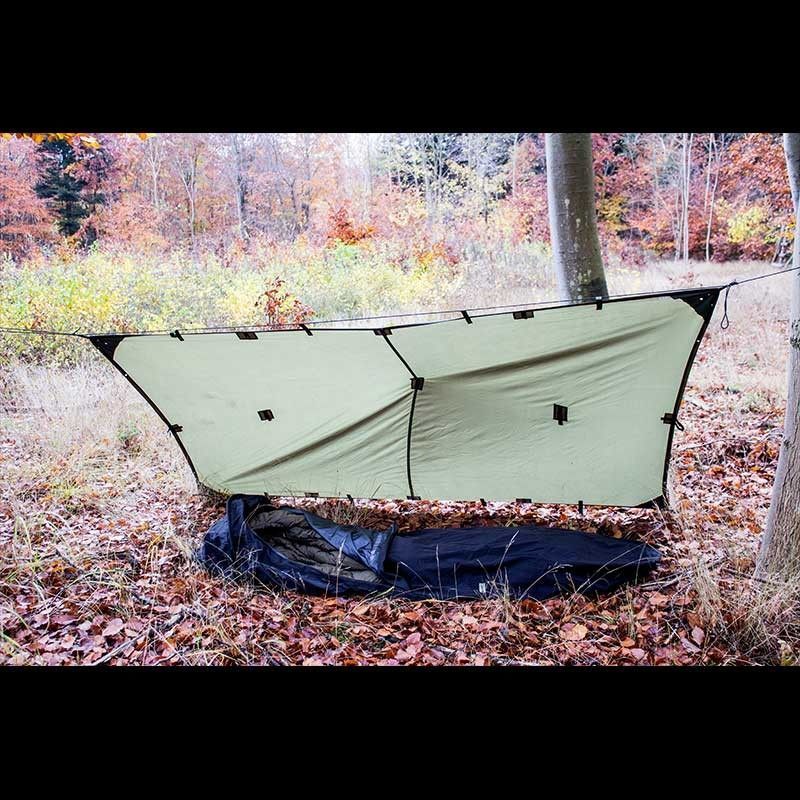
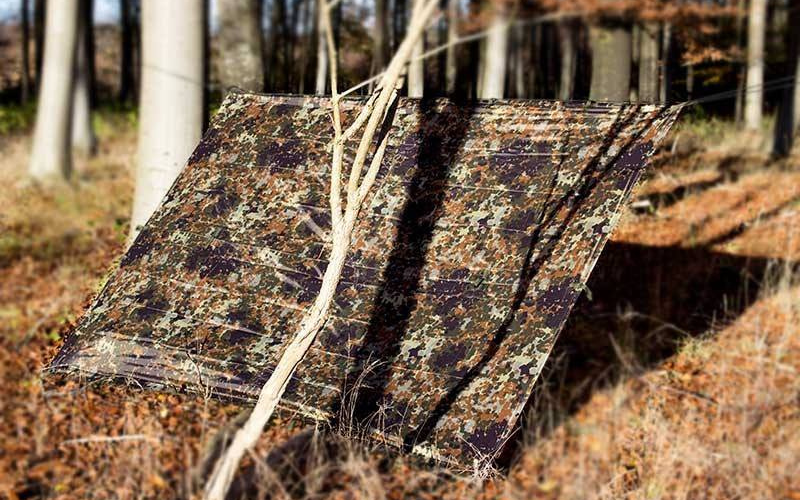
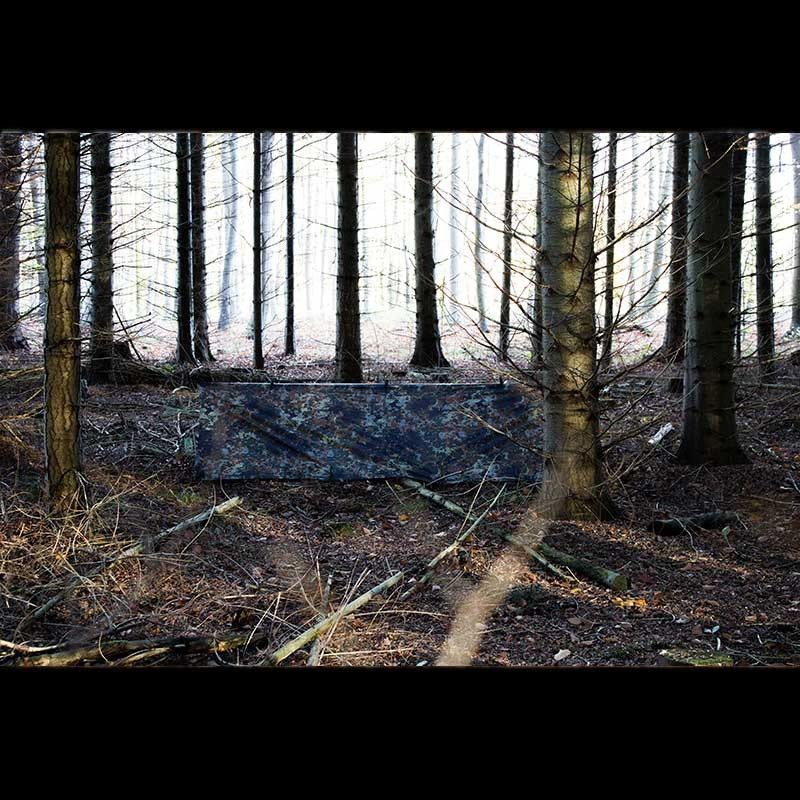
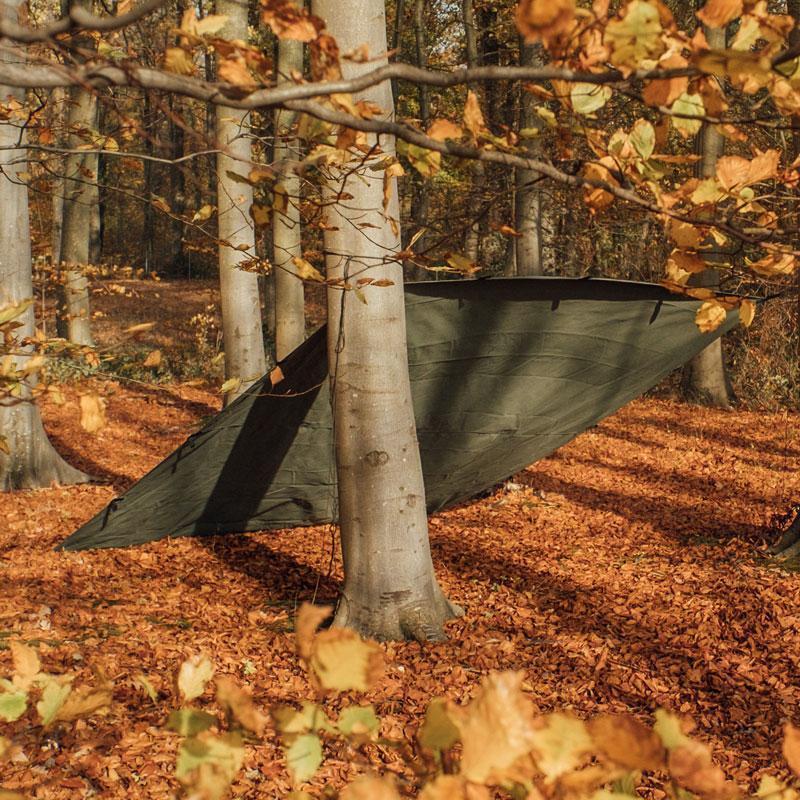
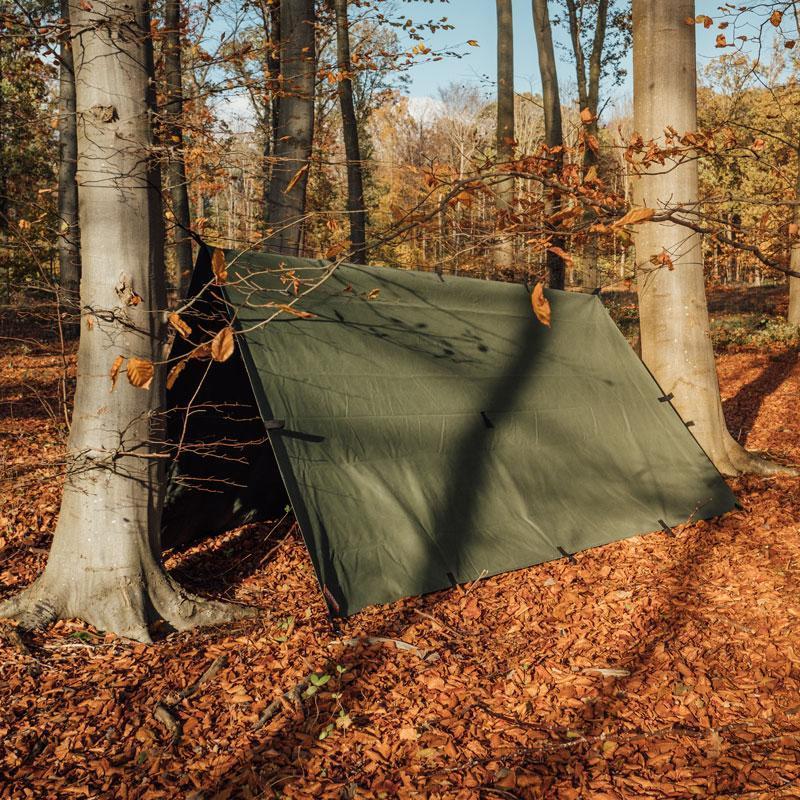
A tarp, in its simplest form, is a piece of tarp or waterproof material stretched between or over some trees to provide protection from rain and wind. Tarps are incredibly versatile and really good if you want to hike light and fast. They can be harder to find a good campsite for, but once you find a suitable spot, it can be incredibly easy to set up (once you’ve practiced a few times).
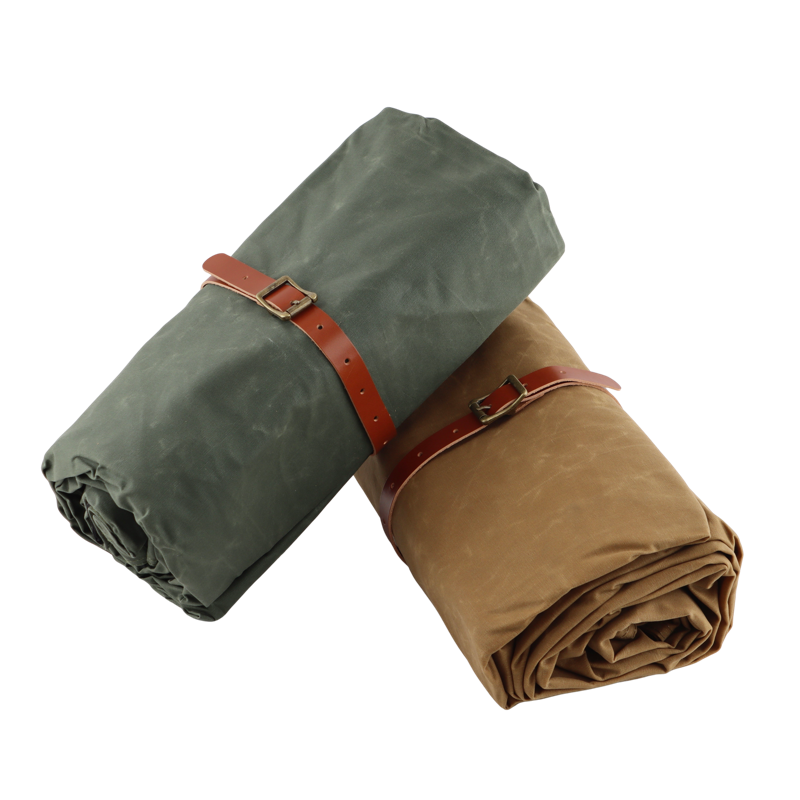
We have tarps in many different sizes and shapes. But what they all have in common is versatility and simplicity. Once you’ve experimented a bit and maybe found some inspiration online, you’ll see plenty of ways to pitch your tarp in the forest. By buying a tarp instead of making one yourself, you get a ready-made solution with well-placed guy lines, loops, and stake holes.
Advantages of tarp:
An inexpensive shelter
Light, versatile, and can be packed down to almost nothing
You will be closer to nature and can be closer to the campfire
Minimalist setup
Easy to adjust and move
Disadvantages of tarp:
No protection against insects
Requires knowledge and experience with setup
Less protection and warmth in harsh weather
Difficult to use in open areas
Essential gear for tarp camping
Since a tarp in its most basic form is incredibly minimalist, there is some gear you can add to your setup to get a good night’s sleep. And a good night’s sleep is essential for a great experience. Depending on wind and weather, of course, we recommend bringing the following:
The basic items like guy lines, stakes, and tarp are not included in the following list. But we also recommend having them with you :)
Extra cord
You never know where and how you’ll end up setting up your tarp in the evening. Therefore, it’s a huge advantage to have extra cord with you so you always have the option to adjust your tarp. And get it set up properly so you’re protected as best as possible.
A footprint
A footprint is a base for your tarp. It provides extra protection against moisture from the ground and sharp objects that could otherwise damage your gear. It’s a small and lightweight accessory that provides surprisingly much comfort. Just having a piece of fabric between you and the cold ground makes a big difference.
Sleeping bag and sleeping pad
Is standard for all types of overnight stays, but when sleeping in a tarp, it might be worth considering bringing a thicker and warmer sleeping bag. Since you are less protected from wind and weather in a tarp, it will typically feel colder than, for example, sleeping in a tent, so it can make good sense to bring a warmer sleeping bag on the trip (the same applies to overnight stays in a bivouac). The same goes for the sleeping pad, where it is also recommended to use a sleeping pad with a higher R-value than you would otherwise have brought.
Summary
A tarp is a simple way to make camping in nature cozier and more comfortable. It’s a classic overnight option often used by scouts and can be made incredibly good. It can be a bit tricky to set up a tarp correctly and securely the first few times. But once you’ve learned it, you have endless possibilities for setting up your tarp. One of the best things about a tarp is that, unlike a tent, it can be set up very close to the fire and camp social area.
Maintenance of tent, tarp, and bivouac:
The trip isn’t over until the tent is packed away for the last time – often not until it has hung out to dry for a few days.
Even though it just says tent, this also applies to your tarp and bivouac. Even if you packed up your shelter on a warm sunny day, the first step of good maintenance is to hang it out to dry when you get home. Even on sunny days, the shelter can be damp from condensation or morning dew. At the same time, you should take the opportunity to check zippers, guy lines, and fabric for small tears and damage. The best advice for maintenance is to find and fix small damages before they become big and problematic. If you ever go on a trip in rain, wind, or snow, you’ll be glad to have made the necessary repairs at home in the warmth.