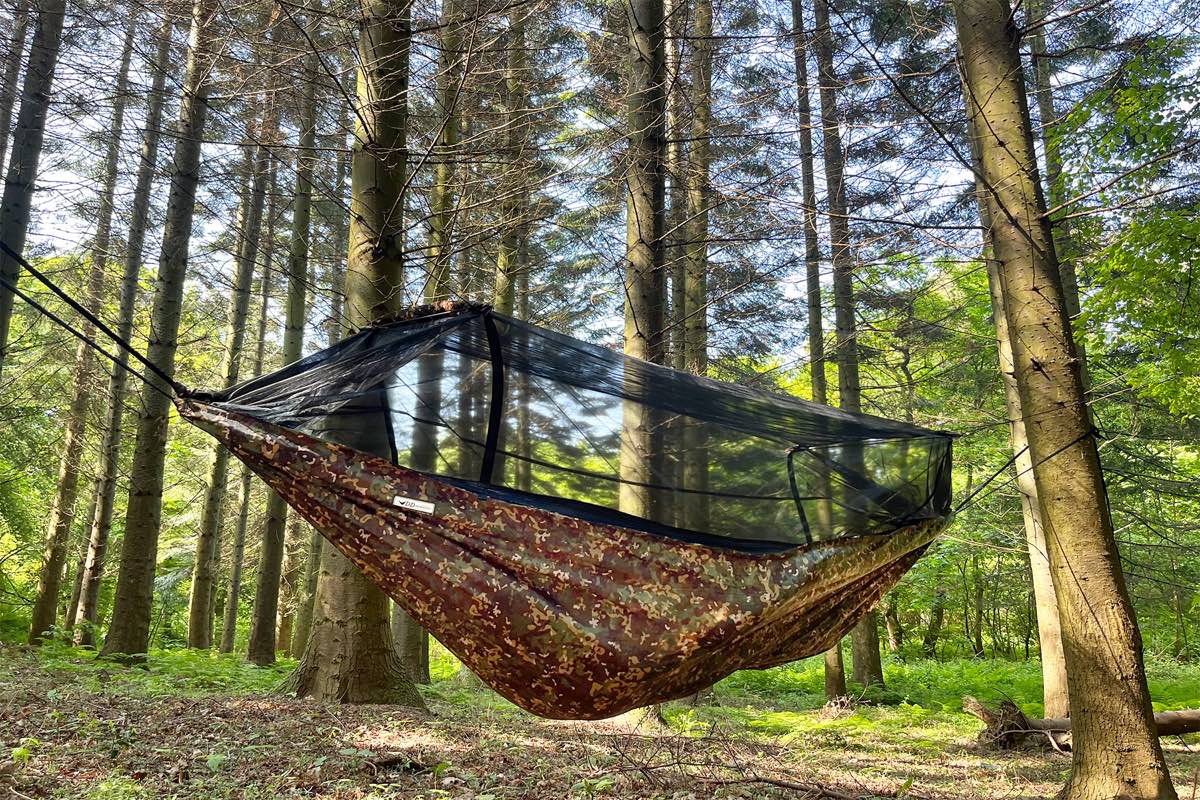
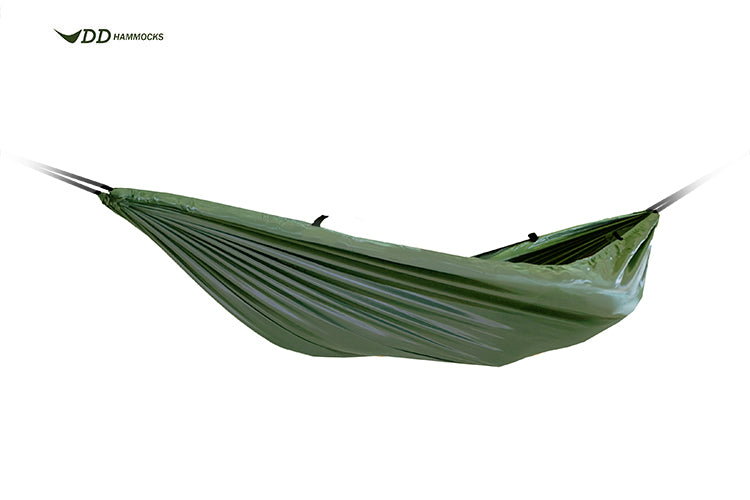
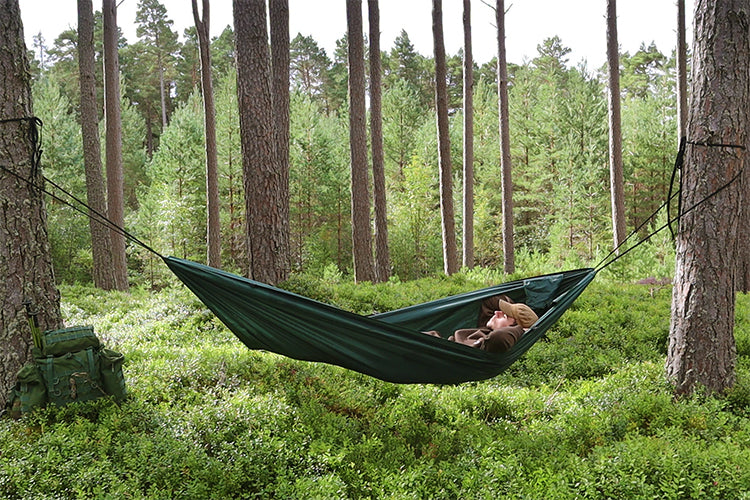
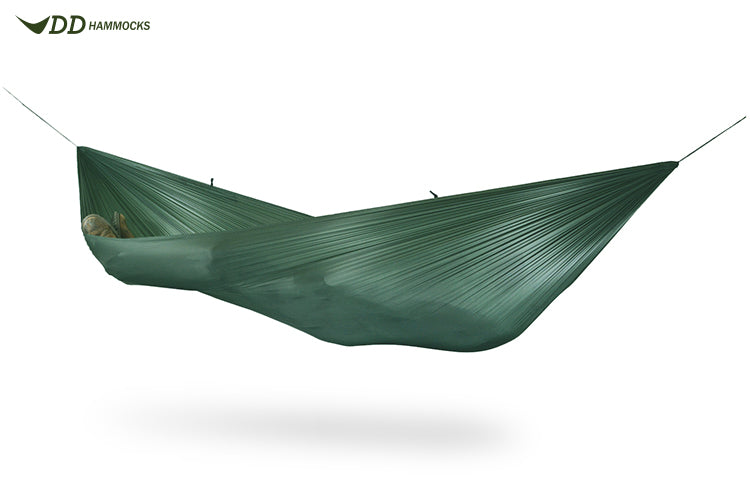
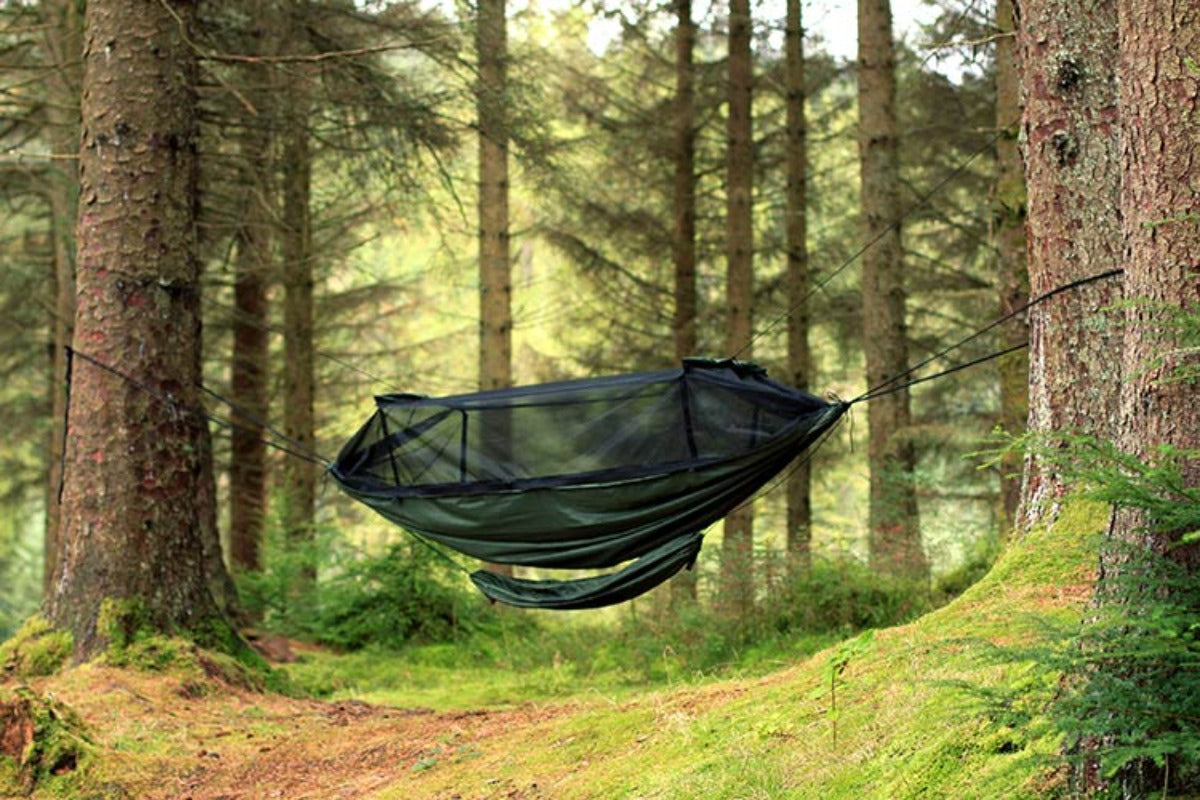
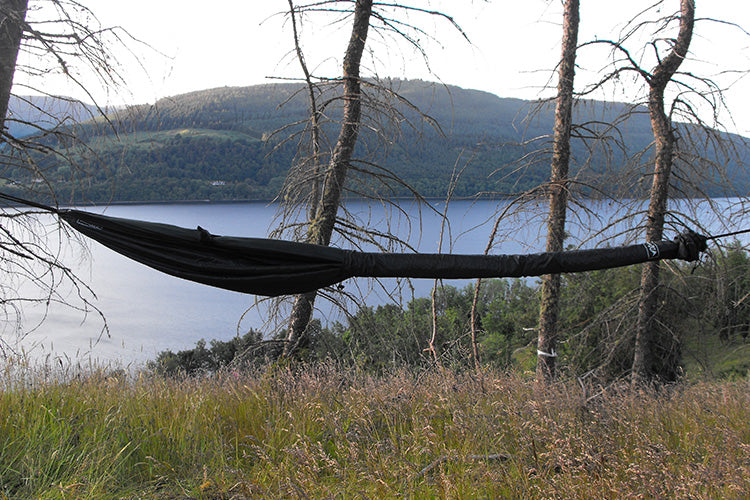
For most people, the hammock is a pure symbol of the simple life, relaxation, and warm summer nights. At Survivalstore, we couldn’t agree more. A hammock is in many ways optimal for enjoying overnight stays in Danish nature. It is easy to use, can be hung up anywhere, and often an overnight stay in a hammock is at least as comfortable as a night in a tent.
In our hammock category, you will find everything your heart desires within hammocks, extra equipment, and accessories. We focus on hammocks for outdoor life and outdoor activities. This means you will primarily find hammocks that are lightweight, easy to set up, and pack into your bag. So you can easily and quickly take the hammock with you and enjoy a lovely night out in nature.
The history behind hammocks
The hammock has had somewhat of a renaissance in recent years, but it is definitely not a new invention. In its original form, the hammock was invented by the indigenous people of South America. From there, it spread with explorers, sailors, soldiers, and others who came into contact with the natives on the continent. The recent popularity is probably because many have realized how easy it is to spend the night in a hammock – and that you are allowed to stay overnight anywhere.
Where is it allowed to sleep in a hammock?
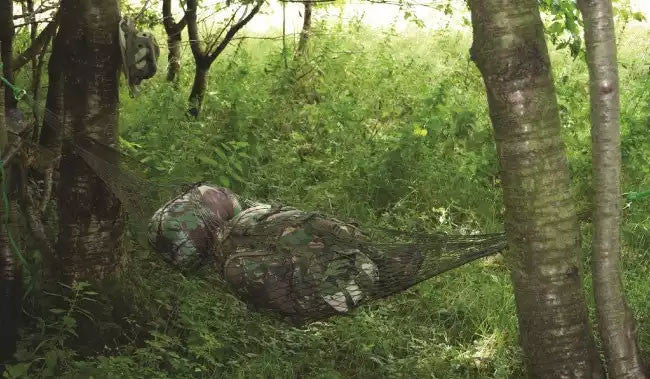
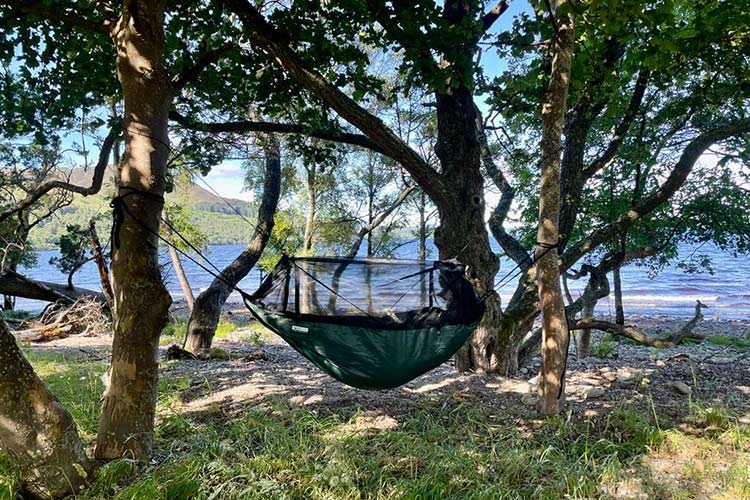
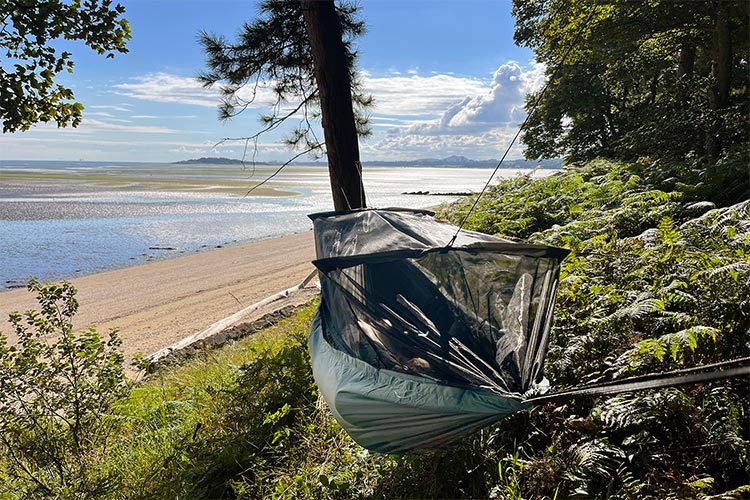
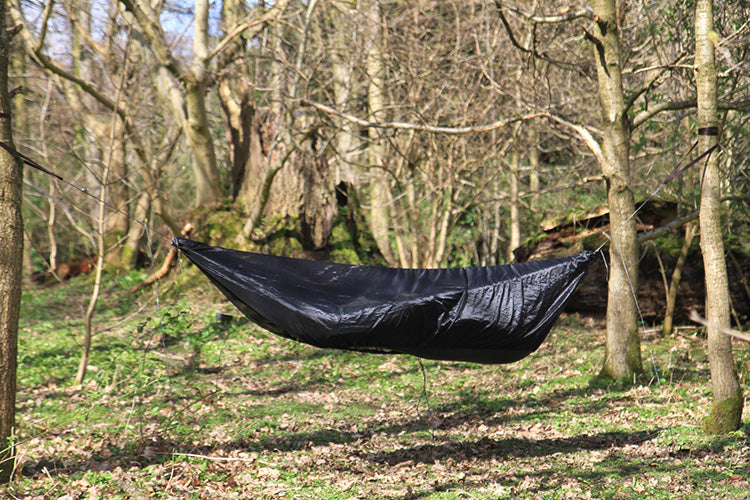
In Denmark, you can practically hang your hammock anywhere. It is legal to hang your hammock everywhere in all Danish state forests. That is fantastic, and you don’t have the same opportunities with a tent. With a tent, you must stay at an official campsite or one of the 201 forest areas where you can pitch a tent without asking first. It is also legal to sleep anywhere if you sleep in a sleeping bag, with a rain cover, or with a blanket. From experience, we can easily say that it is less comfortable than sleeping in a sleeping bag.
Note: When you sleep in a hammock, it is important that you do not damage trees or bark.
Below, we would like to help you with some more information about hammocks and what you should be aware of before buying your first hammock.
Hammocks for outdoor life
You might not be aware of it, but if you look around for hammocks, you will quickly see that there are many different types of hammocks. On the market, for example, there are many different hammocks for relaxing at home in the garden. Often, these are permanently mounted. You won’t find any of those here. We have hammocks for outdoor life. We are interested in hammocks for overnight stays that can be used out in nature.
Avoid bugs
There are many advantages to a hammock. One of the biggest benefits is that a hammock is elevated above the ground. Most bugs and insects live on the ground. They can crawl in if you have placed your sleeping pad on the ground or if you sleep in a tent.
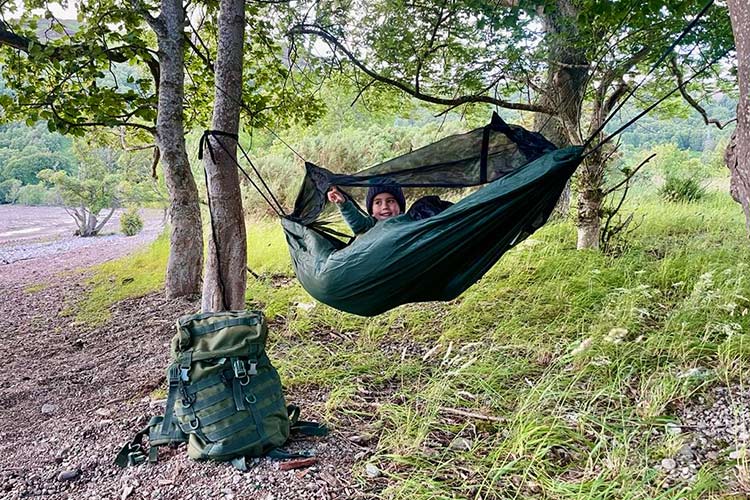
That’s why bugs are never a problem with a hammock, where you are elevated above the ground and thus avoid most bugs. Combine it with a mosquito net (more on that later) and you are practically fully protected.
Wide selection of hammocks for outdoor life
There are many different types of hammocks for outdoor life. Before you buy a hammock, you should consider a few things so you find the hammock that is right for you. If you prioritize comfort, you can compromise on weight and functionality and choose a more comfortable and larger hammock. If, on the other hand, you are looking for a hammock to pack in a small backpack and take on multi-day hikes, you might want to choose a super lightweight version instead.
To choose the right hammock, it makes a lot of sense to consider and evaluate how you will primarily use your hammock.
Below we will inform you about the aspects and features you should pay attention to when buying a hammock.
What should you look for?
When you buy a hammock, you will likely be surprised by the large number of models, shapes, colors, and designs available on the market. A hammock is no longer just a piece of fabric stretched more or less tightly between two trees.
Shape:
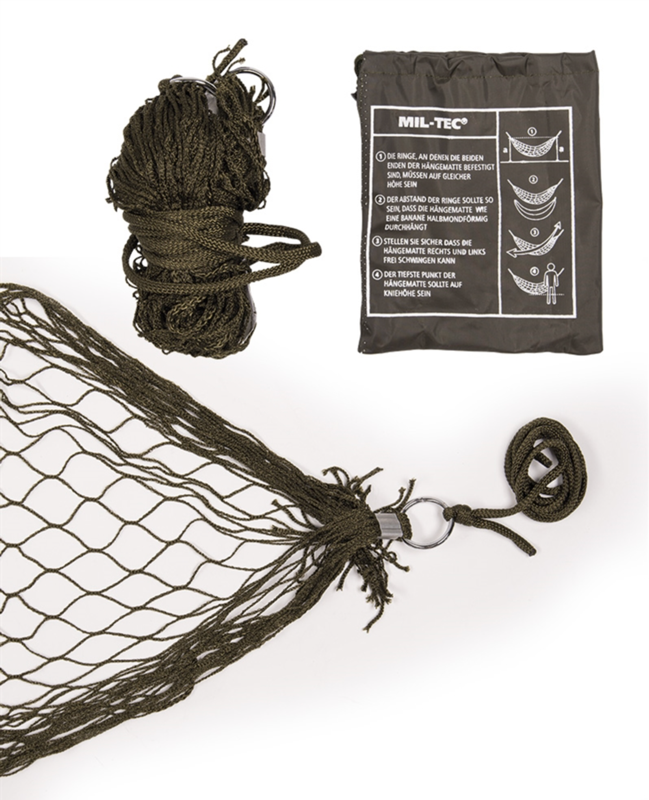
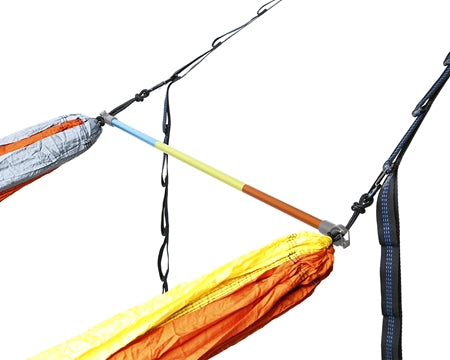
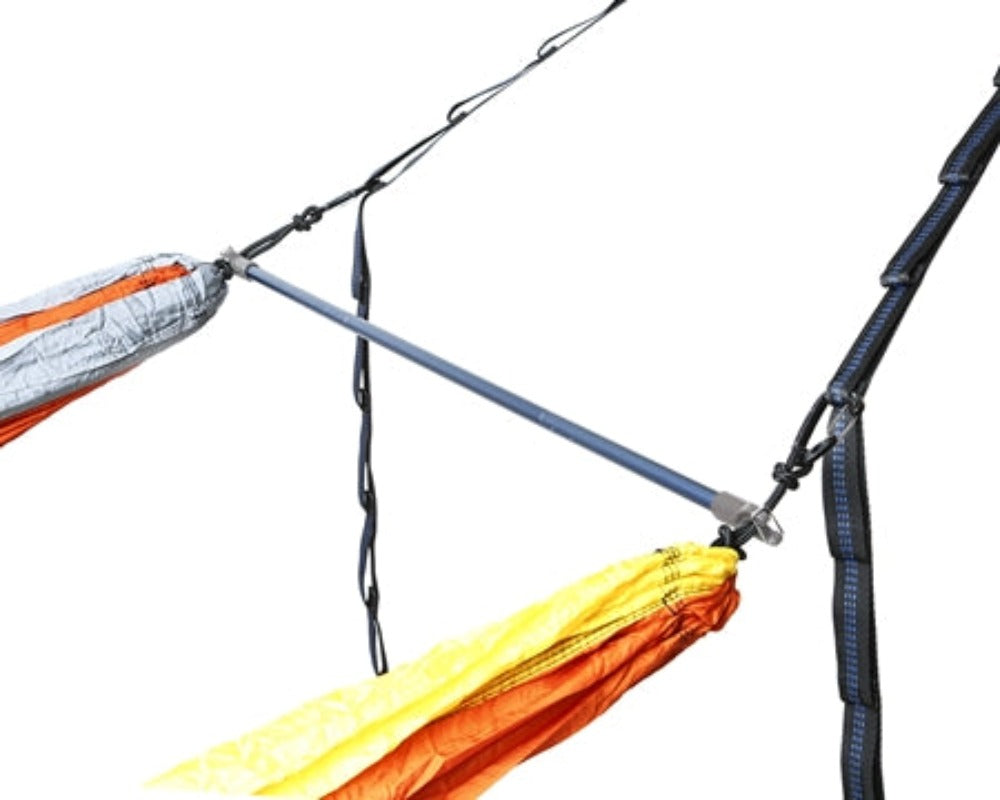
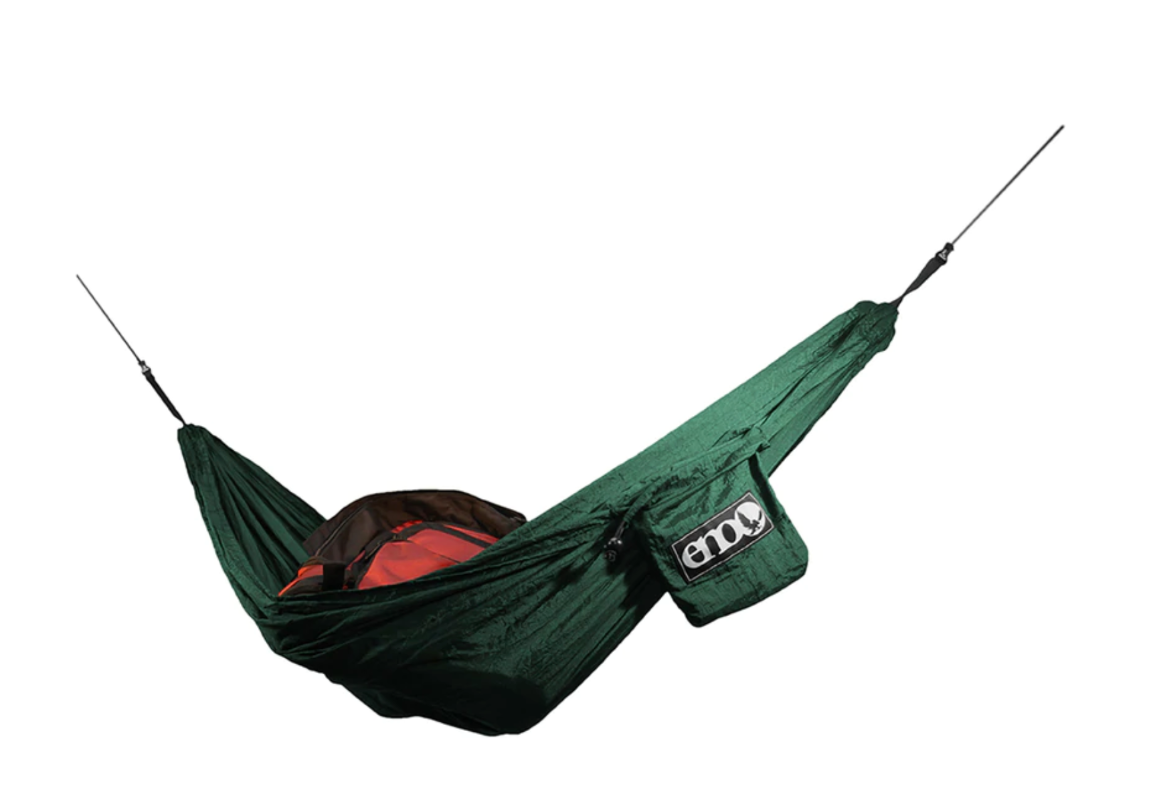
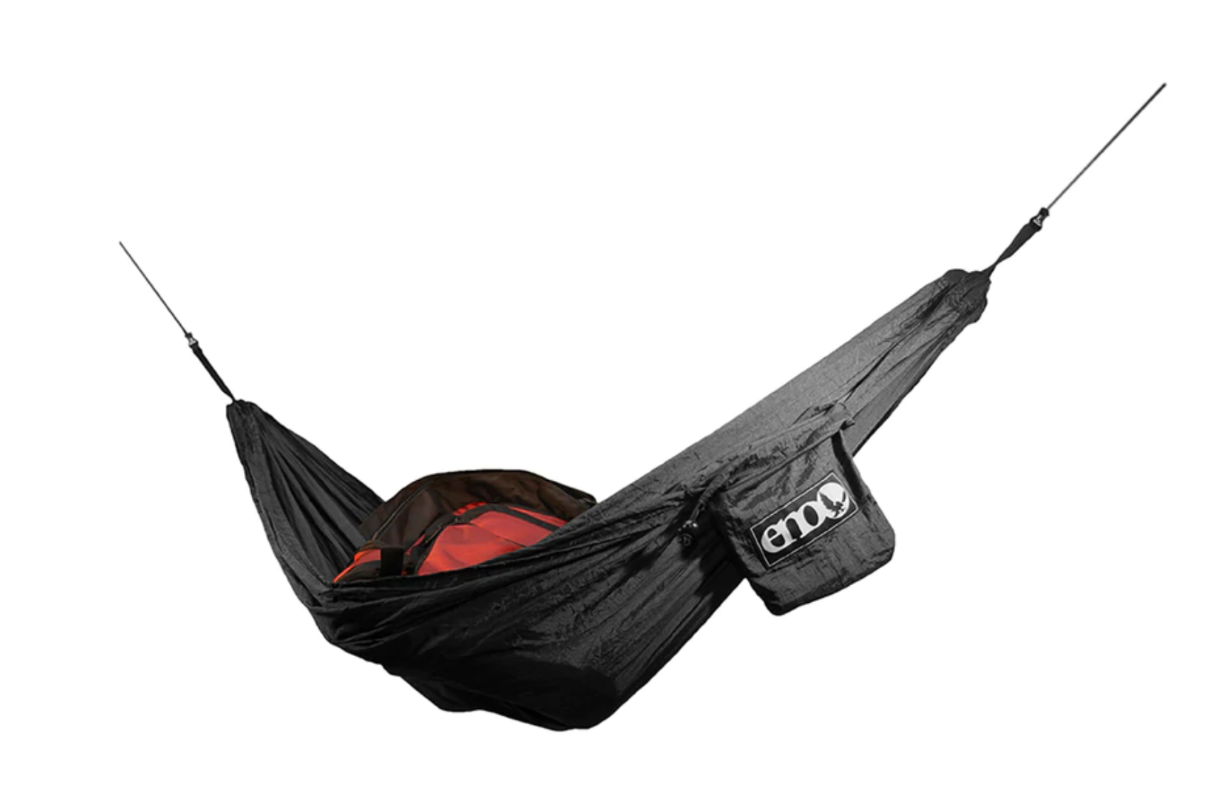
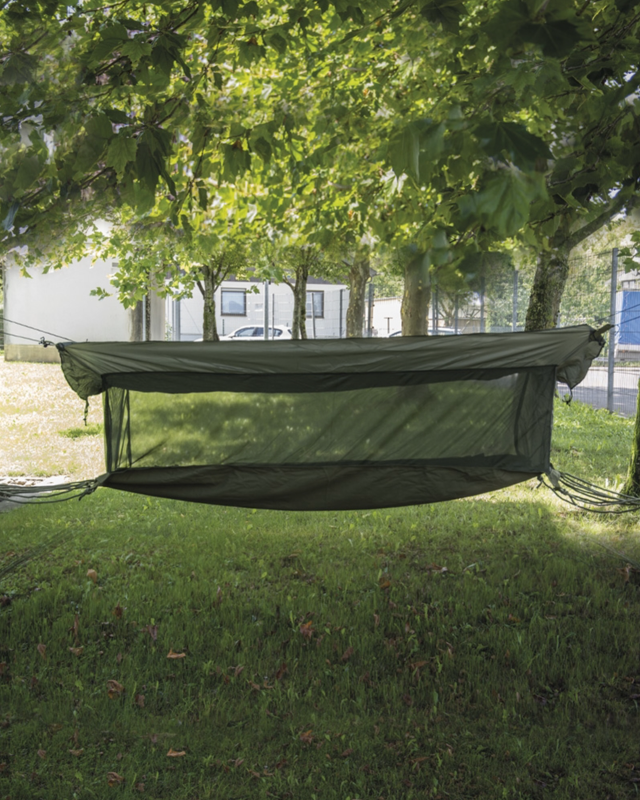
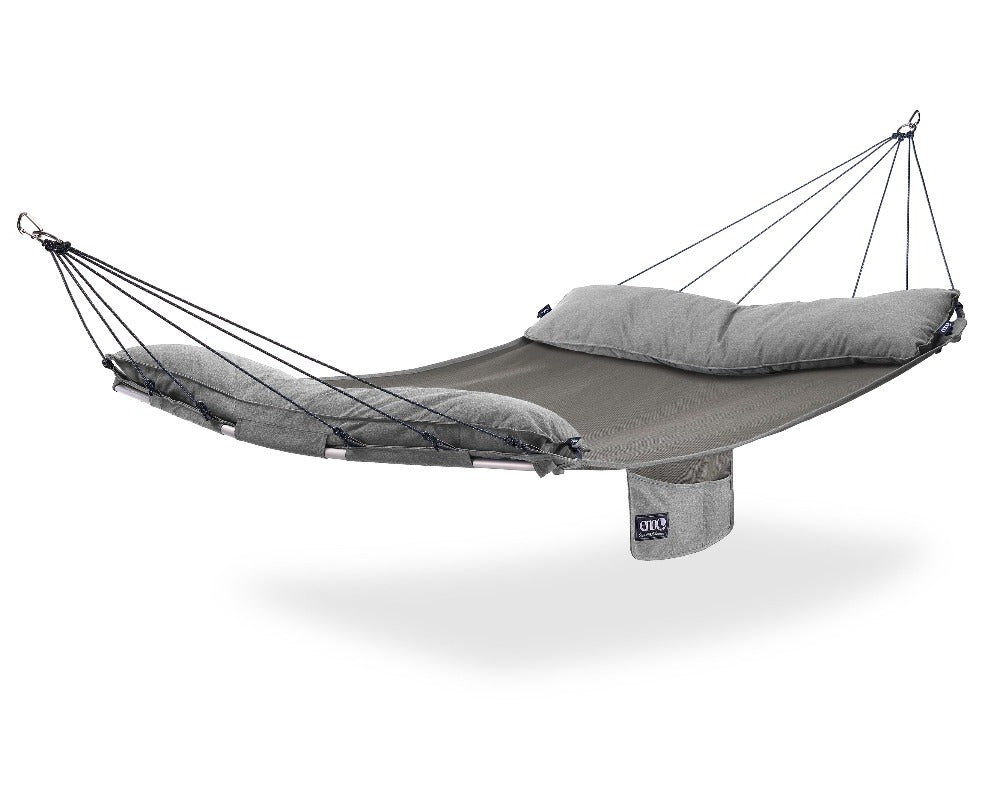
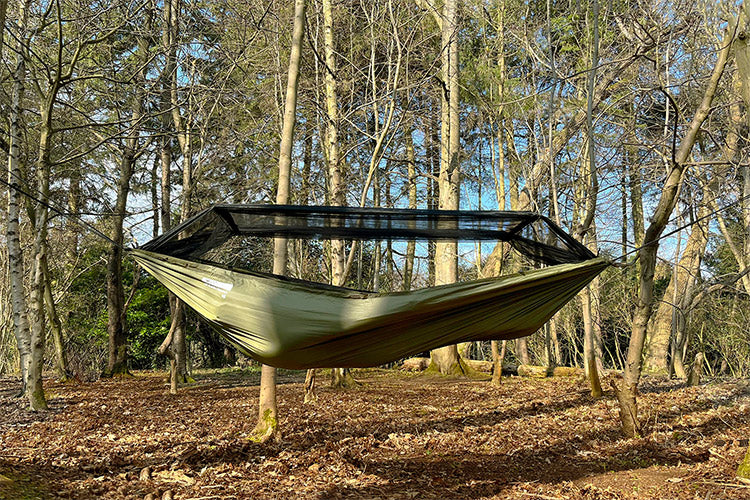
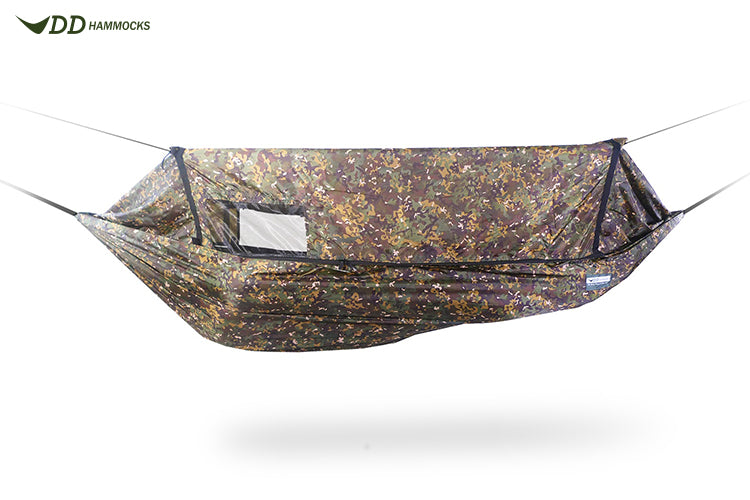
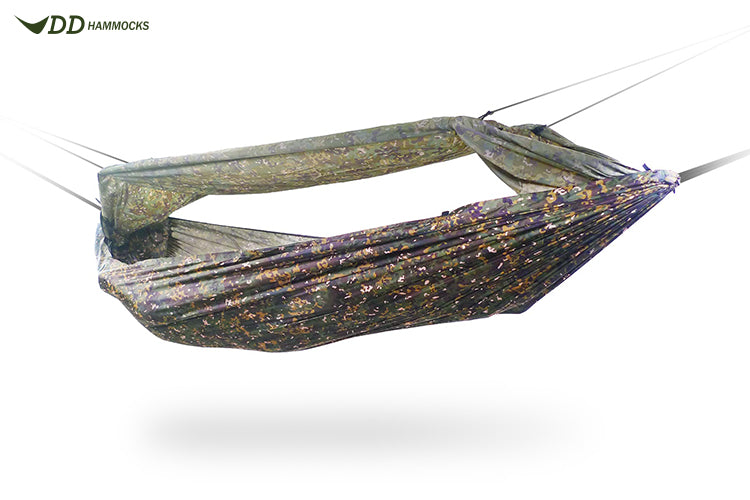
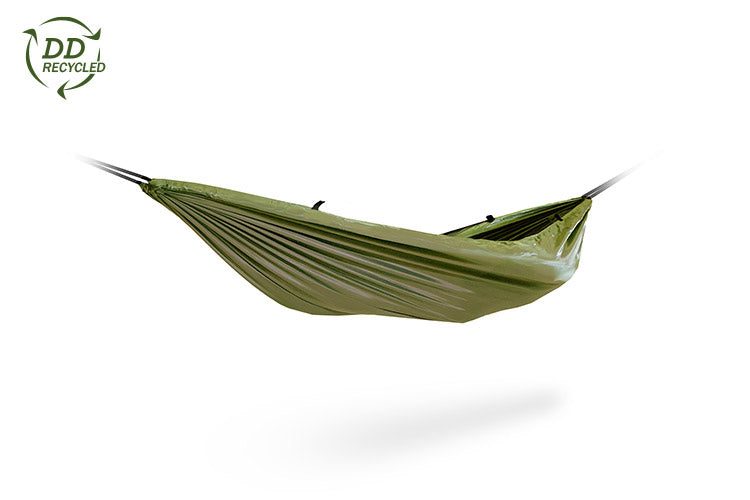
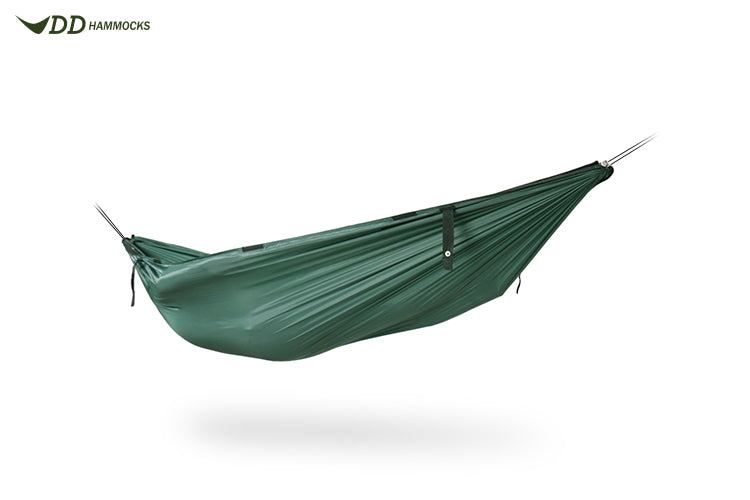
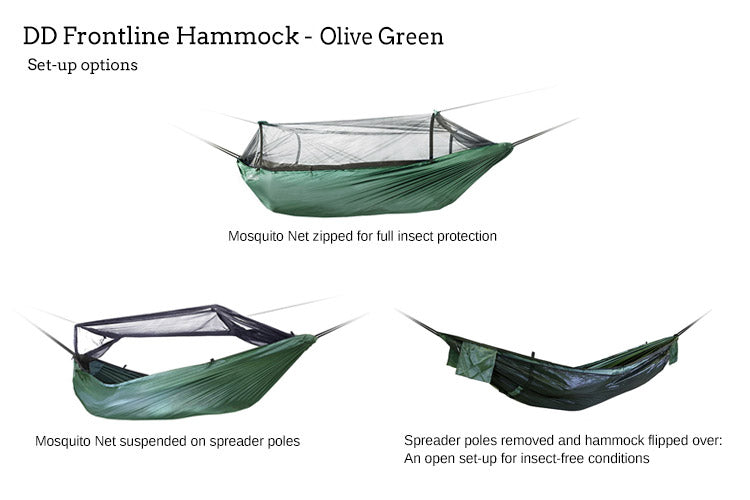
Hammocks still exist in the original form, which is practically just a piece of fabric that needs to be stretched out. It is typically reinforced around the ends where the tension from the suspension is greatest. A hammock can also be found as a "hammock tent," giving you a floating tent. Hammocks can also come with a "spreader bar," which means you get something that more closely resembles a floating bed.
Our recommendation: There are many options, but for most people, a regular hammock with some extra equipment will be more than fine and perfect for regular outdoor use.
Length and width
To assess whether you will lie comfortably in a hammock, it is important to look at and consider the length and width of the hammock. This is especially important if you are looking for a double hammock.
Weight
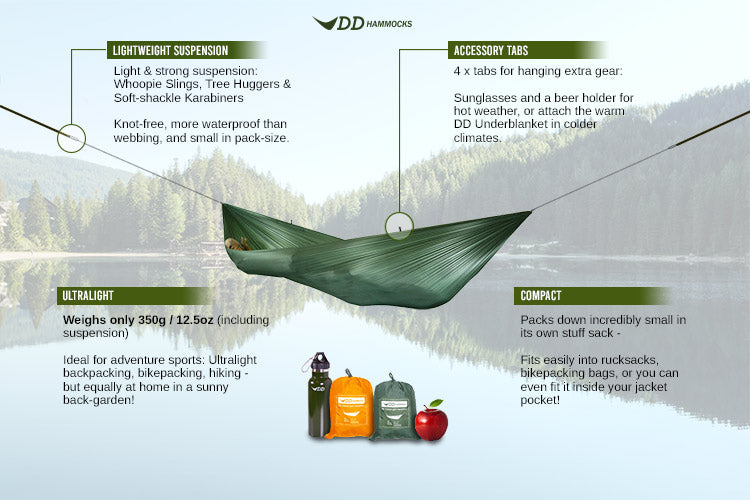
Weight is especially important for hammocks used outdoors. Since you typically have to carry the hammock on your back for a shorter or longer time before hanging it up, every gram counts. The heavier it is, the harder it will be to carry on your back. Therefore, it is important to look at the total weight and size of the hammock when it is packed.
Tip: When you want to find out how much your entire overnight setup weighs, remember to weigh extra equipment, suspension, and possibly more. Otherwise, you won't get an accurate picture of the weight.
Max. Load
There will always be a maximum load for a hammock. It is not recommended to exceed the maximum load. When assessing the maximum load for a hammock, remember it must support you, your sleeping gear, and any equipment you don’t want to leave on the ground.
Our tip: It’s already exciting enough to sit down with full weight in a hammock, but if you also know you’re exceeding the maximum load, you can expect some nervousness. We certainly would.
Price
Price will naturally also be part of your considerations. As a rule, a hammock is not particularly expensive. The price mainly depends on shape, size, and the amount of accessories included. The cheapest outdoor hammocks start around 350 DKK, while the most expensive and luxurious hammocks can cost up to 2000 DKK. Additional accessories will add a bit to the price.
Accessories
One thing our experience has painfully taught us is that there is some extra gear that will make your hammock experience much more comfortable. If you have a comfortable and good experience, you’re more likely to get out and sleep in your hammock. And thus enjoy nature and outdoor life more often. And we think that’s important.
Hammock straps
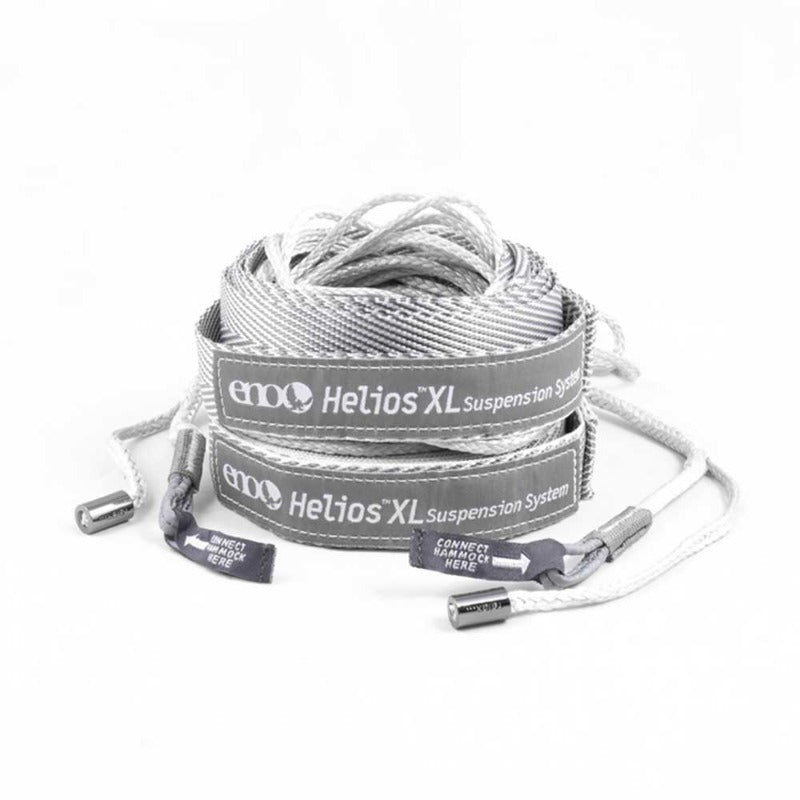
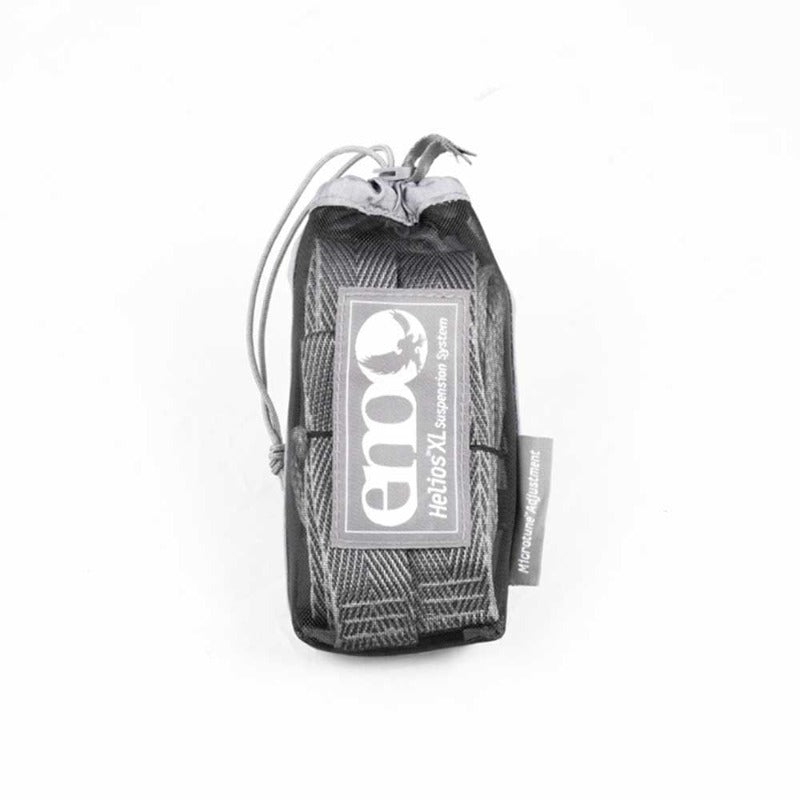
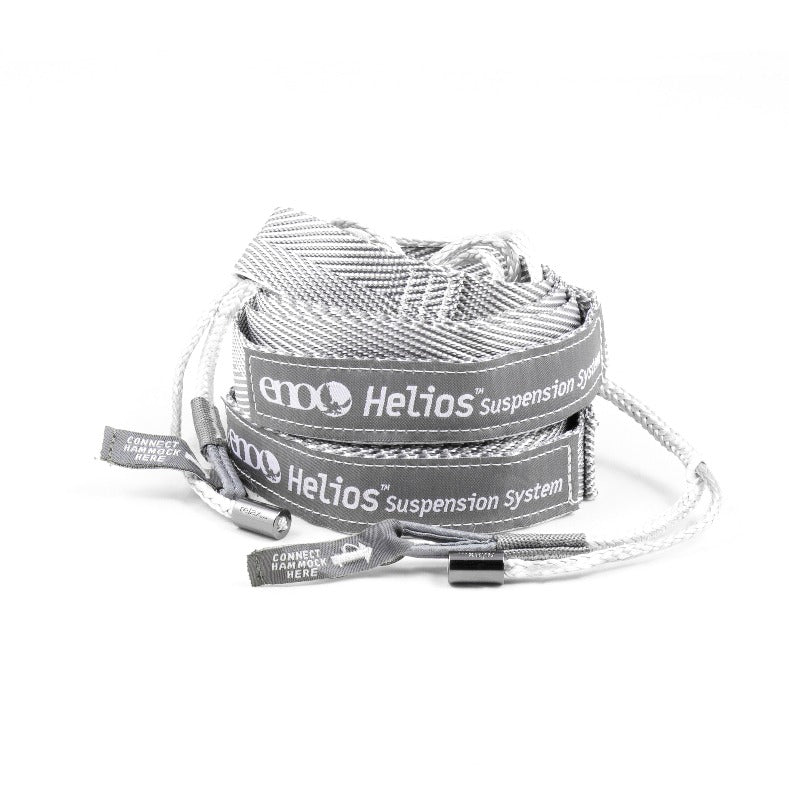
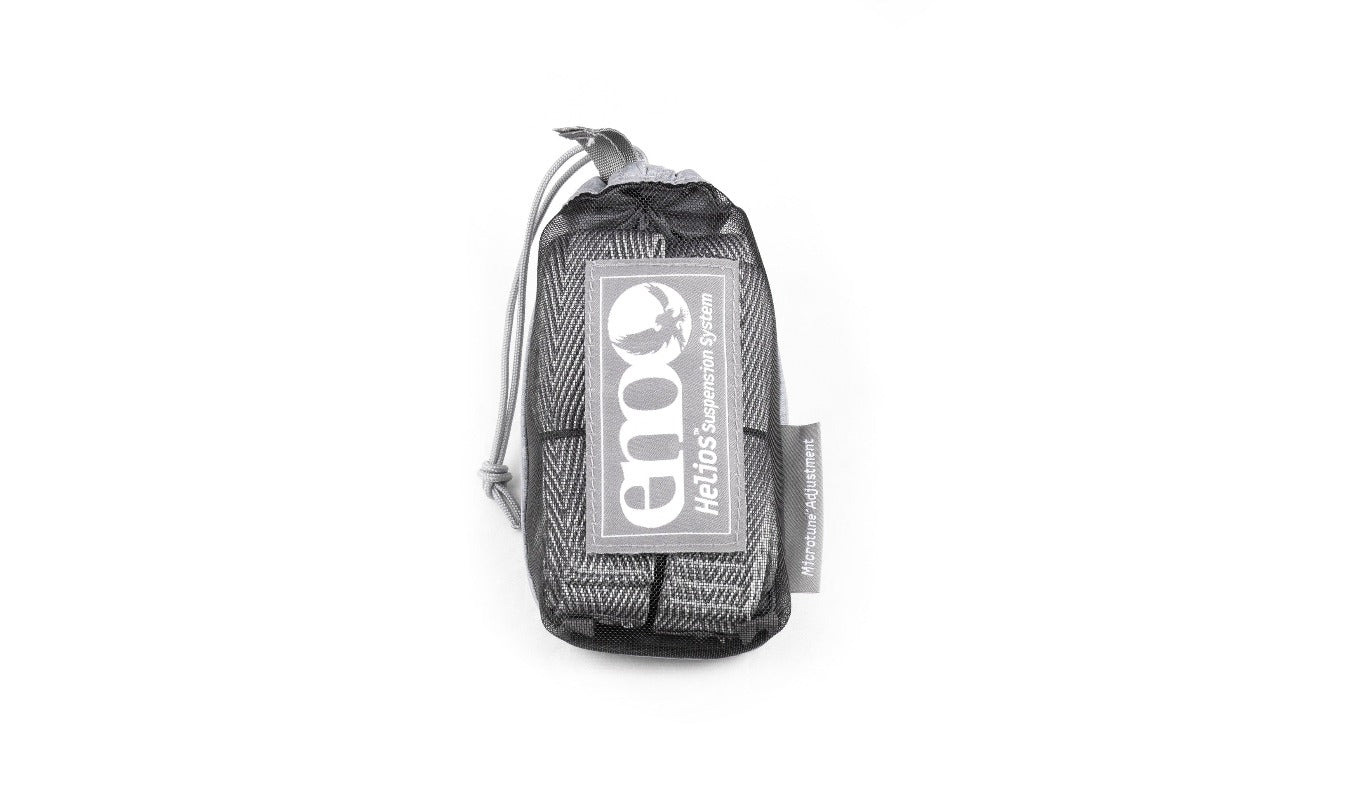
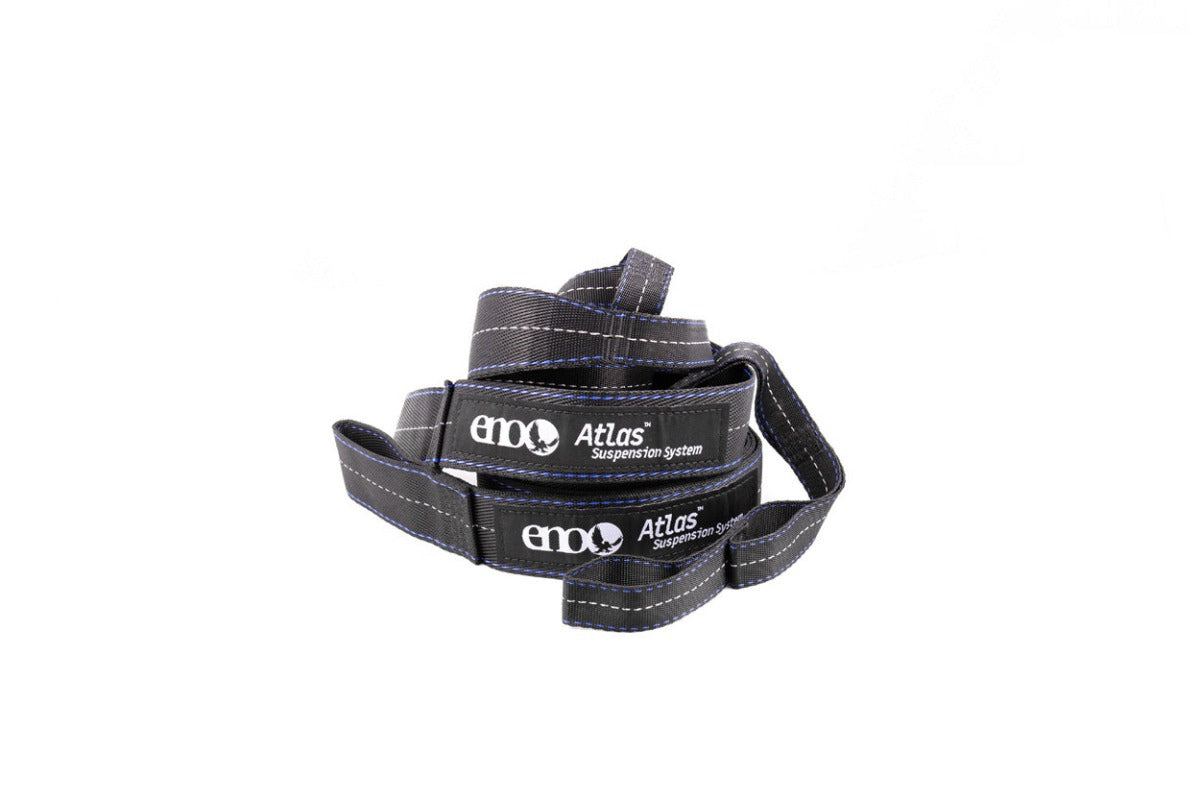
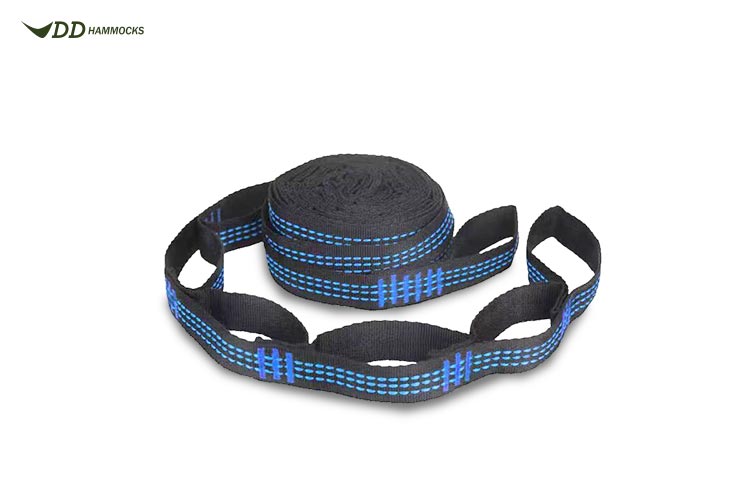
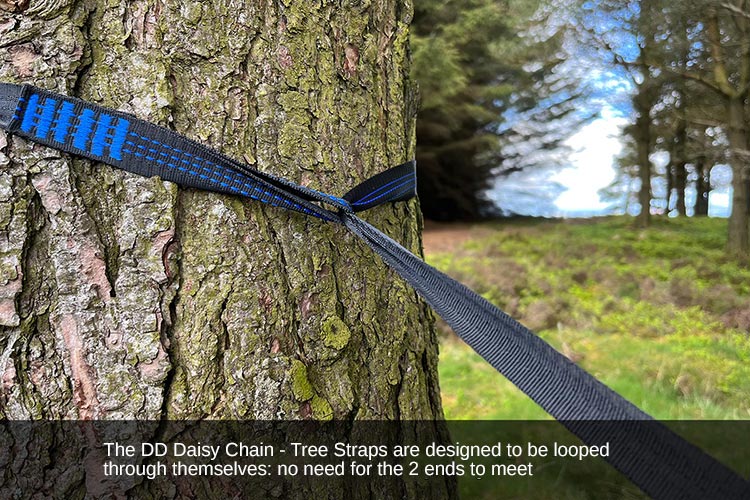
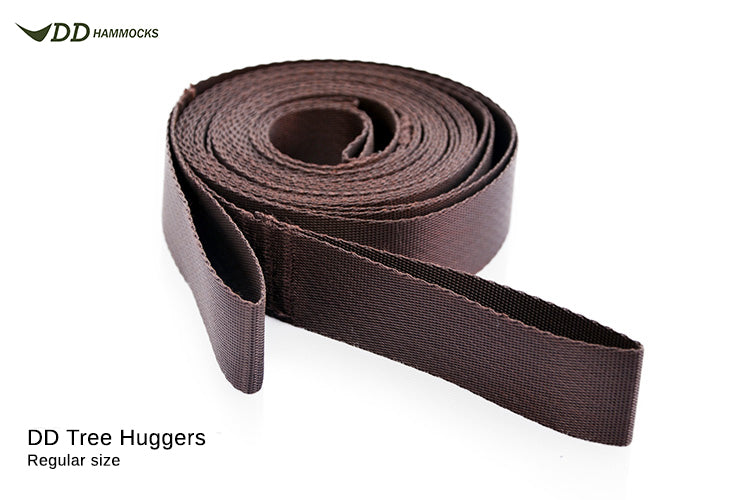
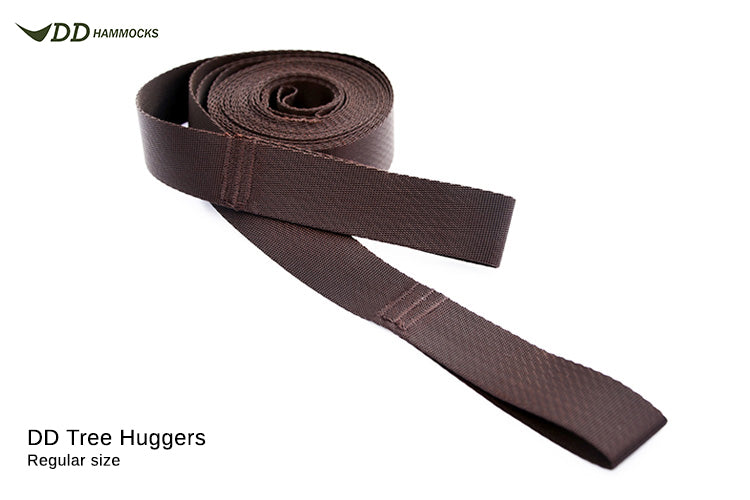
If you want a comfortable night, it’s crucial that you hang your hammock properly. Otherwise, it will be a long night of poor sleep. To give yourself the best chance of setting up your hammock correctly, we recommend bringing some extra hammock straps on your trip. Having more straps gives you more options to hang your hammock in the best way.
Mosquito net
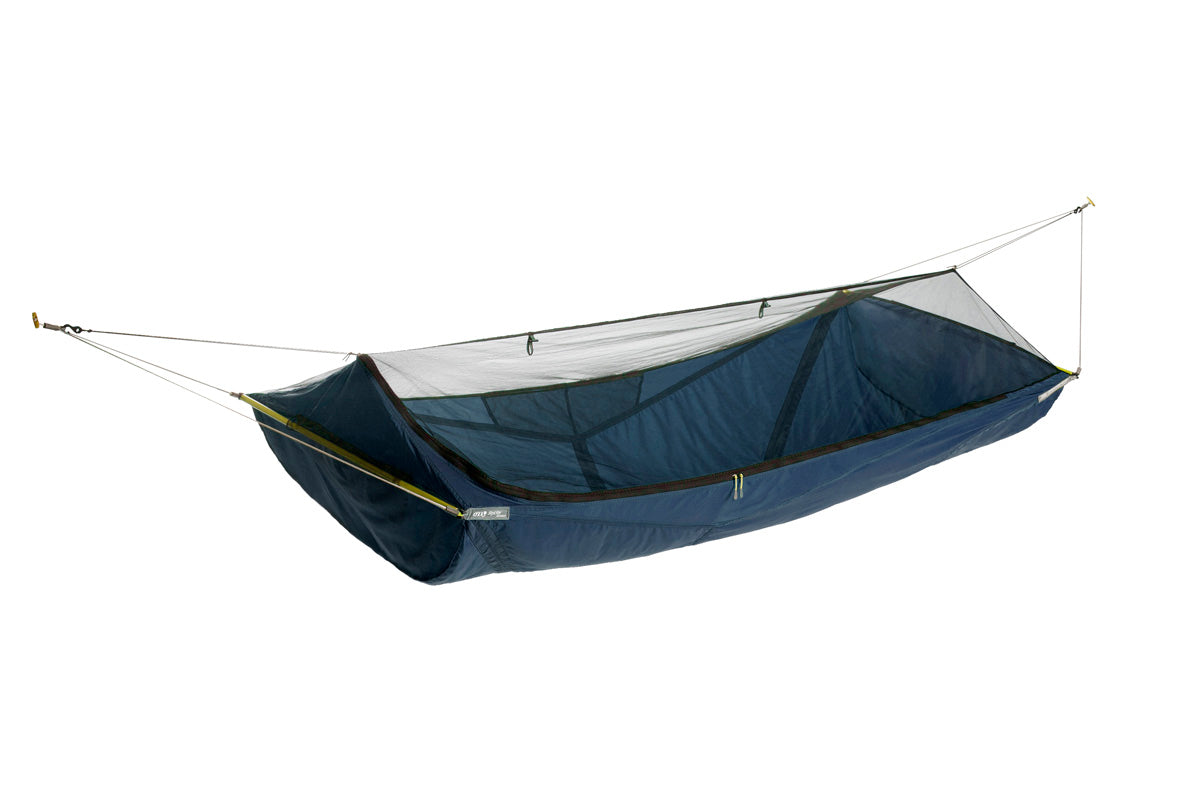
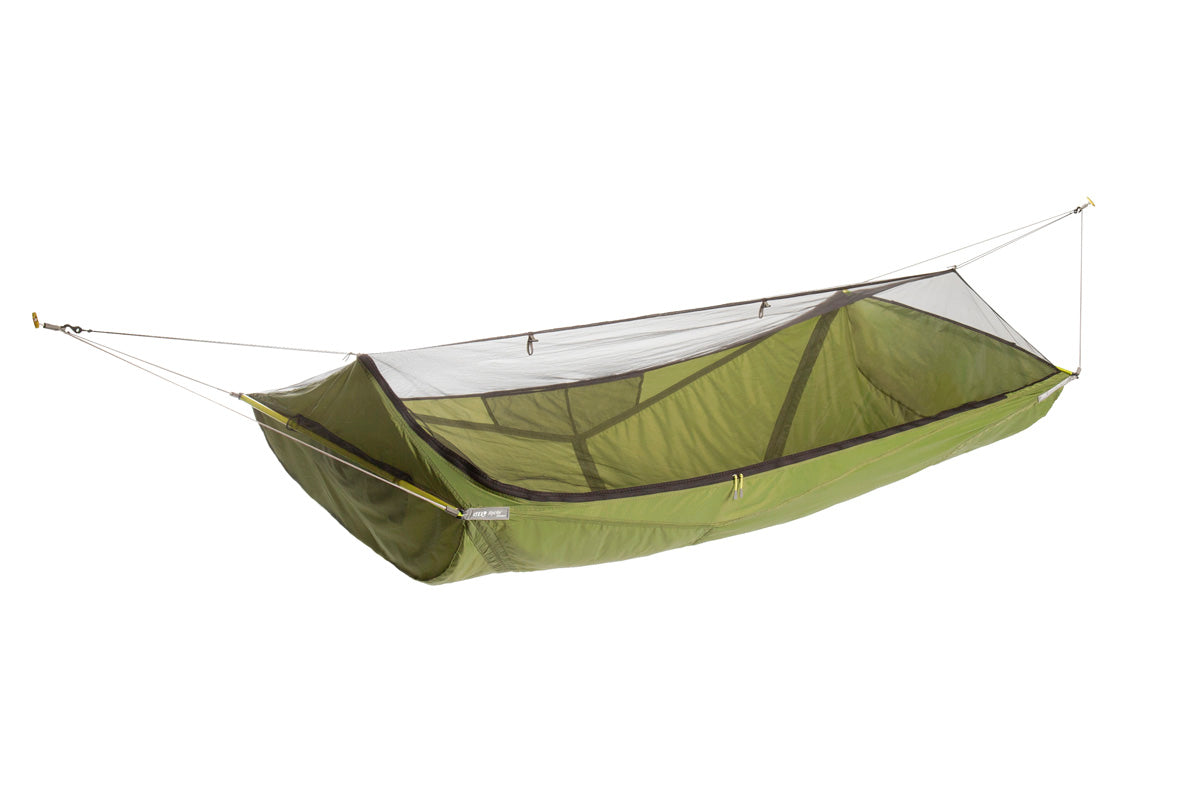
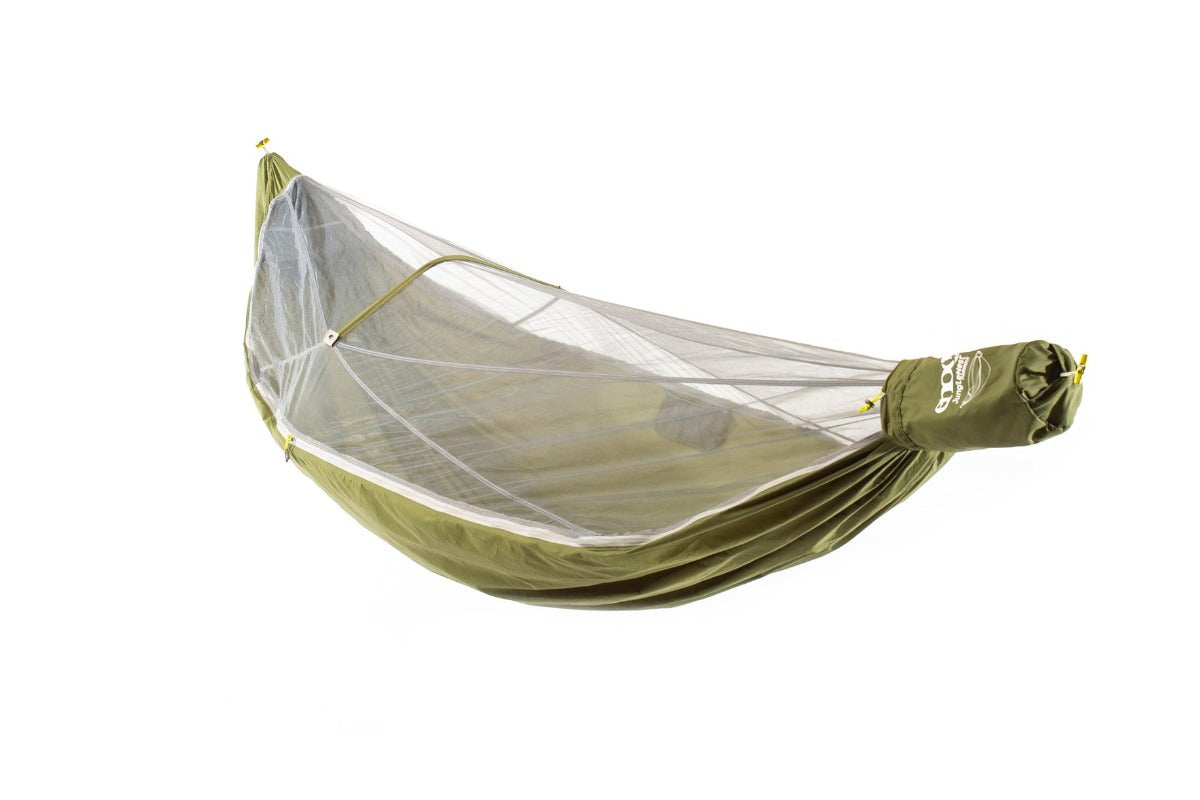
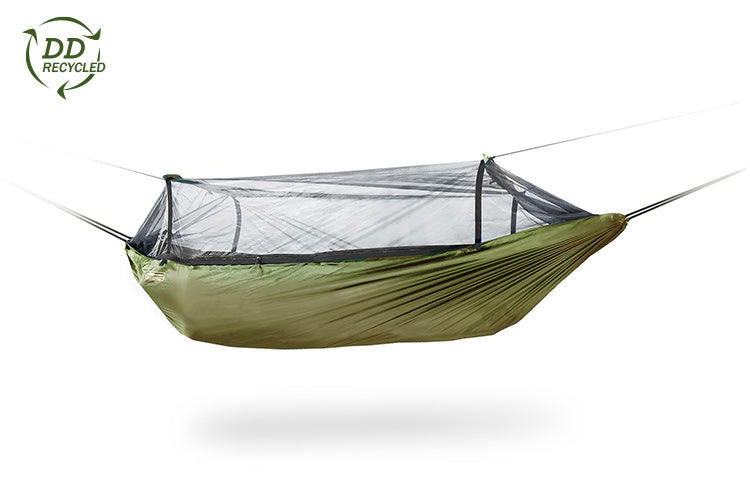
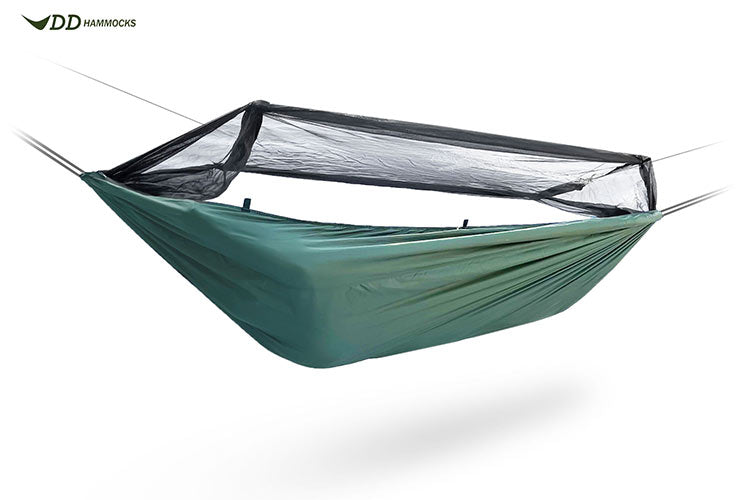
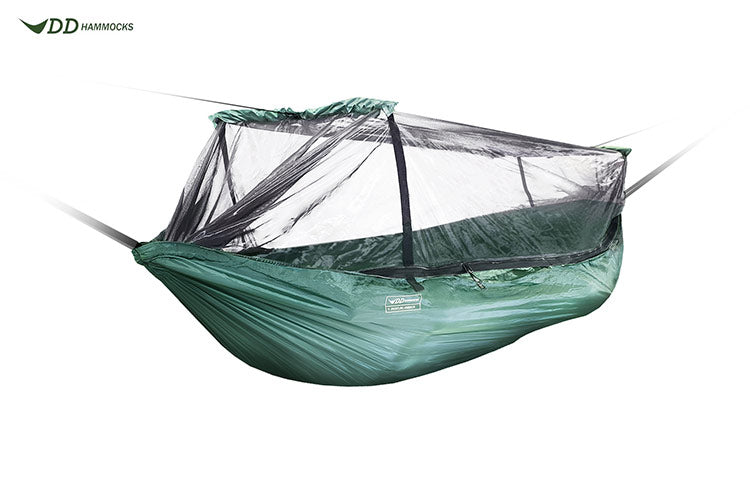
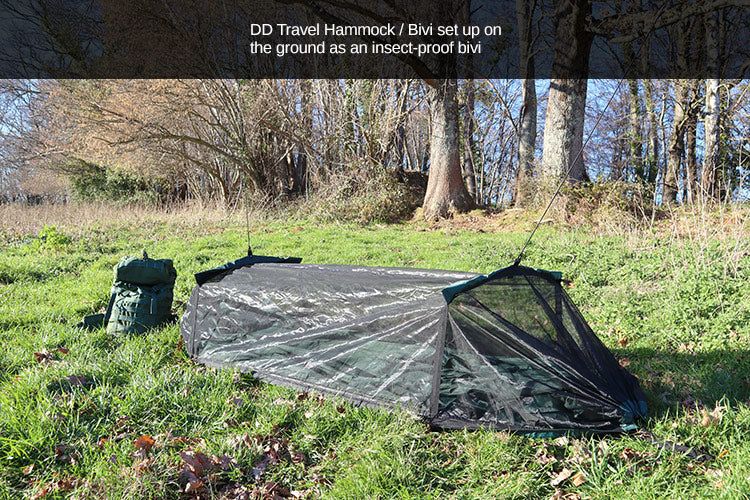
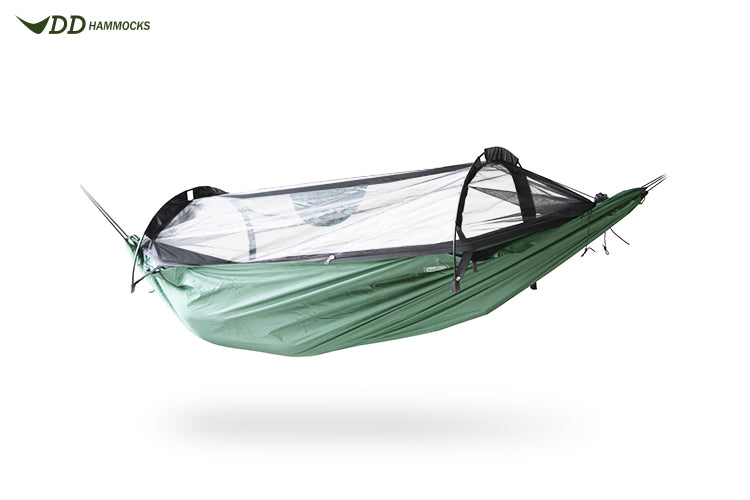
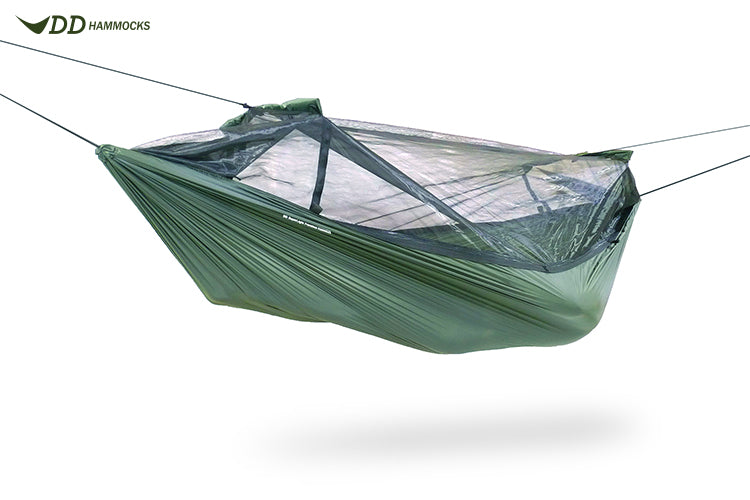
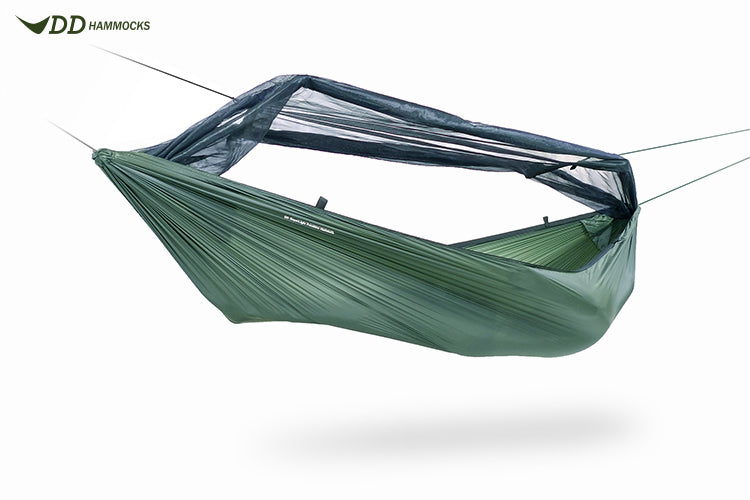
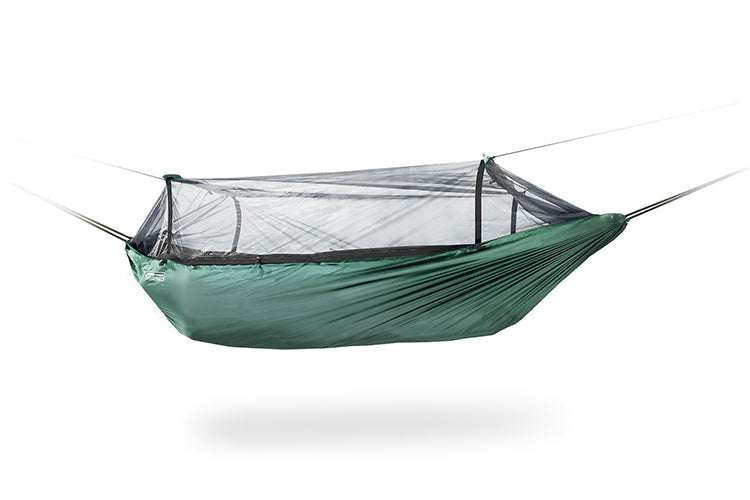
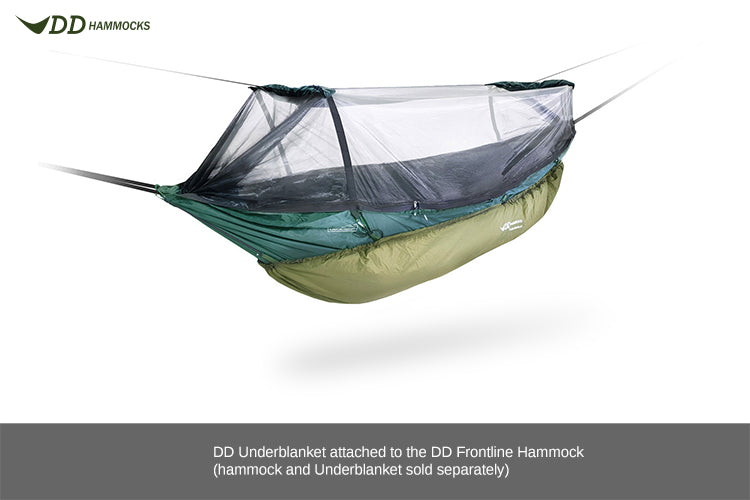
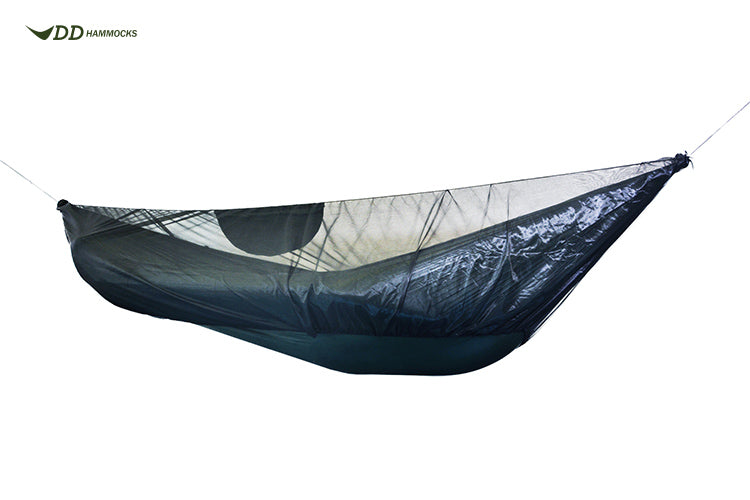
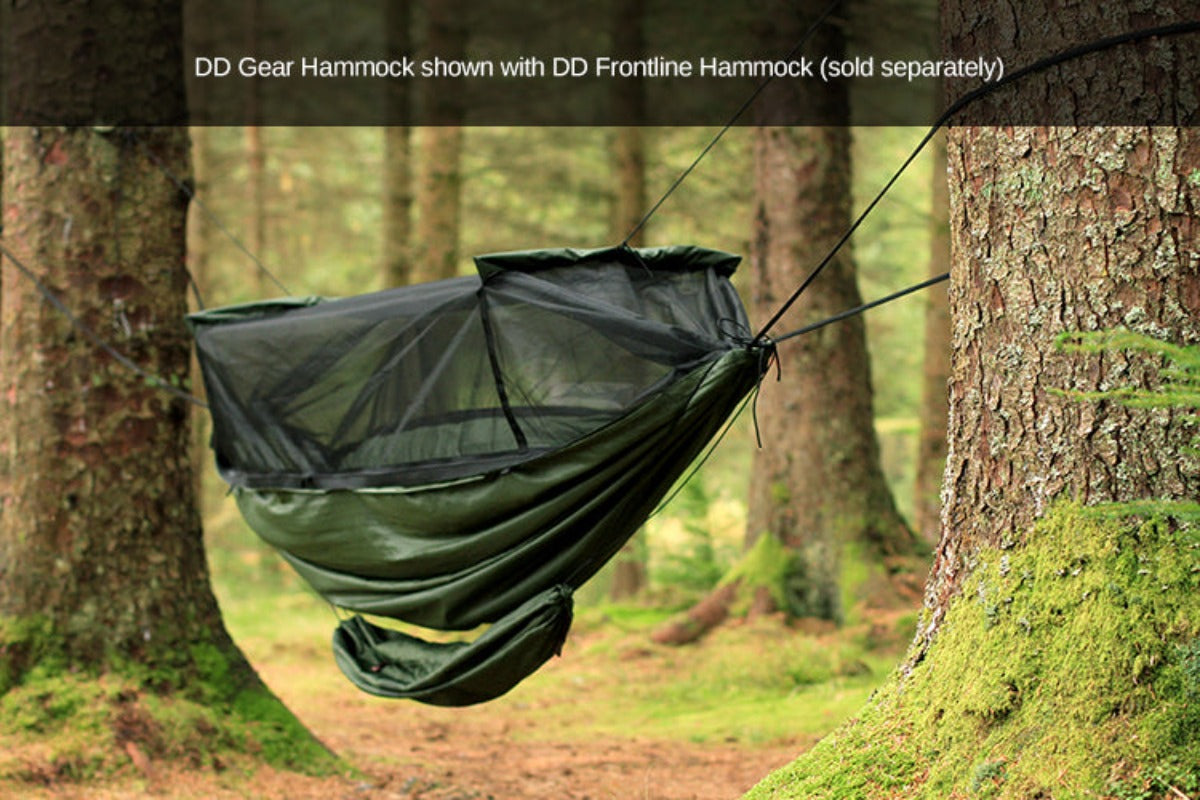
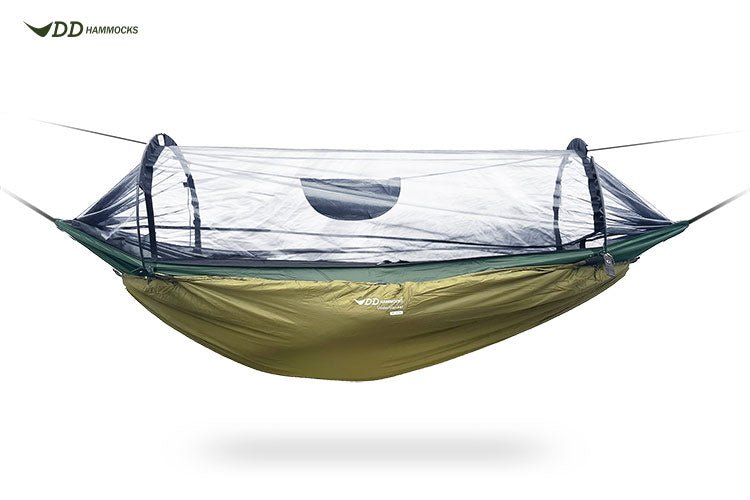
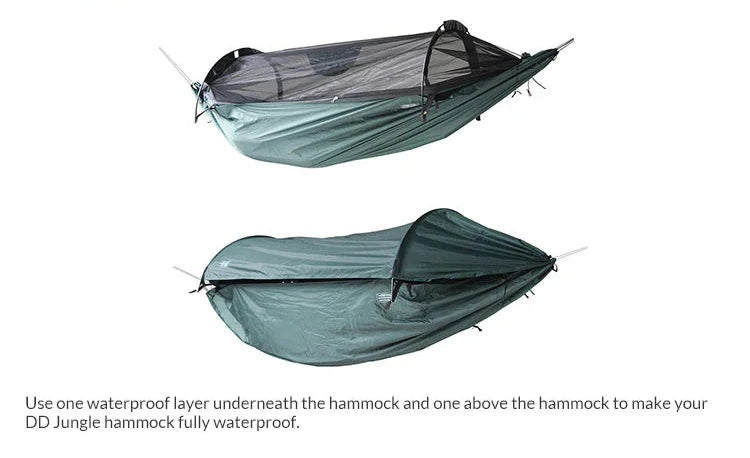
Another item is a mosquito net. You might think it’s unnecessary, but just a few flying bugs can be incredibly annoying for your sleep. A mosquito net is lightweight and compact. It is stretched around the hammock and provides effective protection against bugs and small creatures.
Tip: Some hammocks come with built-in mosquito nets. If you know you will be staying overnight in areas with many flying insects, this can make your trips more comfortable. Several of our hammocks from DD Hammocks have built-in mosquito nets, for example.
Tarp
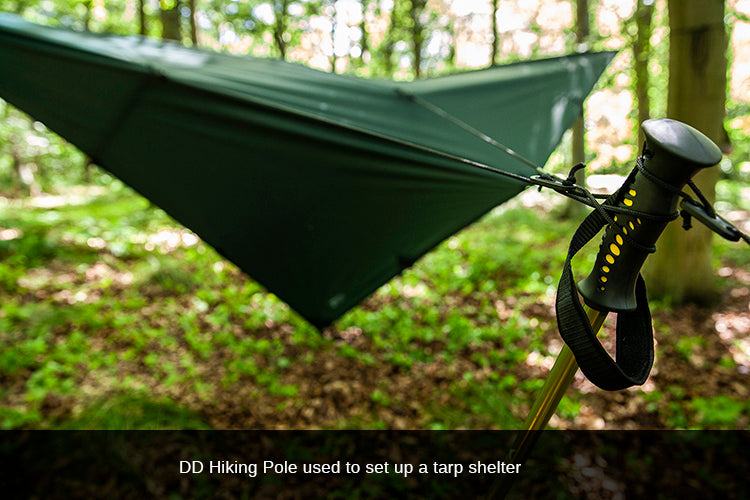
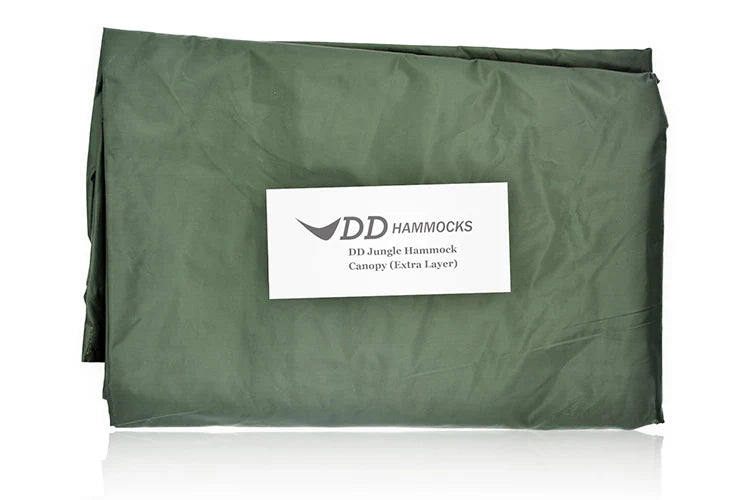
If you are certain the night will stay dry and there will be no dew in the morning, you can simply sleep under the open sky. If not, a tarp can be a valuable accessory. In its simplest form, a tarp is a piece of waterproof fabric stretched over the hammock to protect against rain. This makes the hammock more like a tent.
Note. If you choose to stretch a tarp over your hammock, be aware that you are then subject to tent regulations and can no longer camp freely in all state forests.
Underquilt or sleeping pad
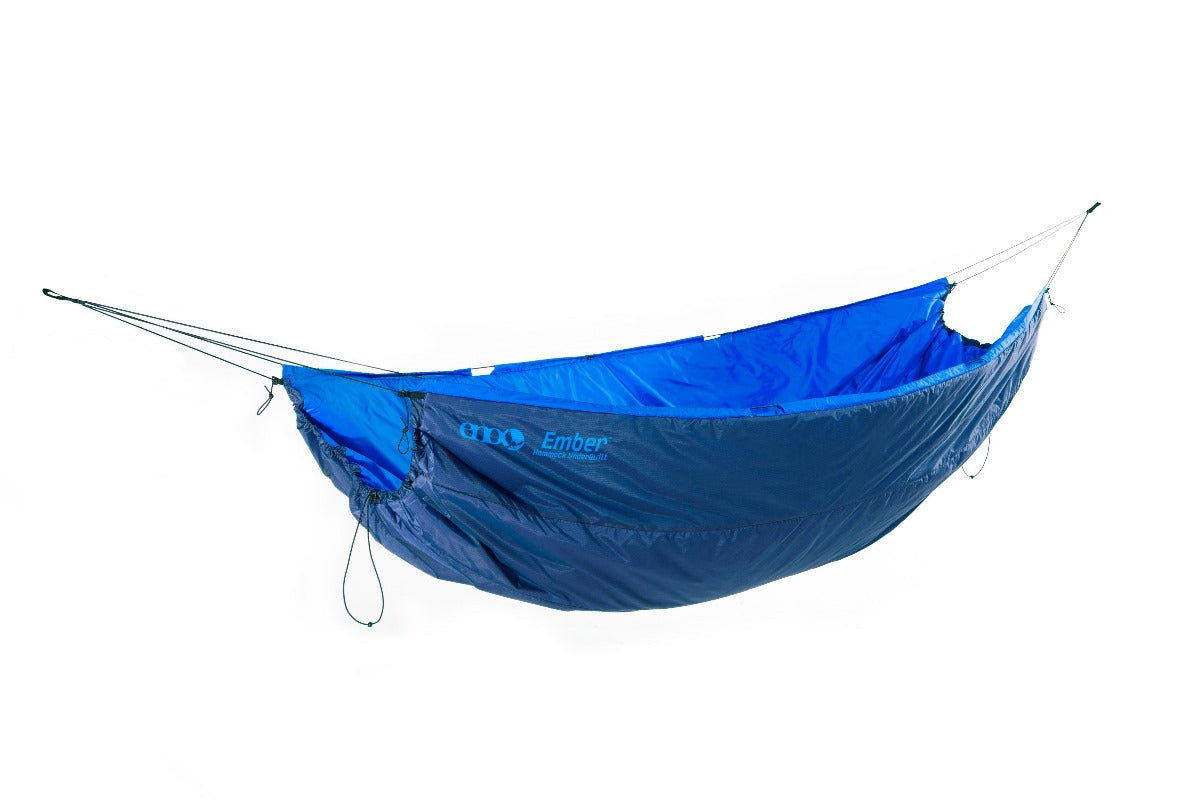
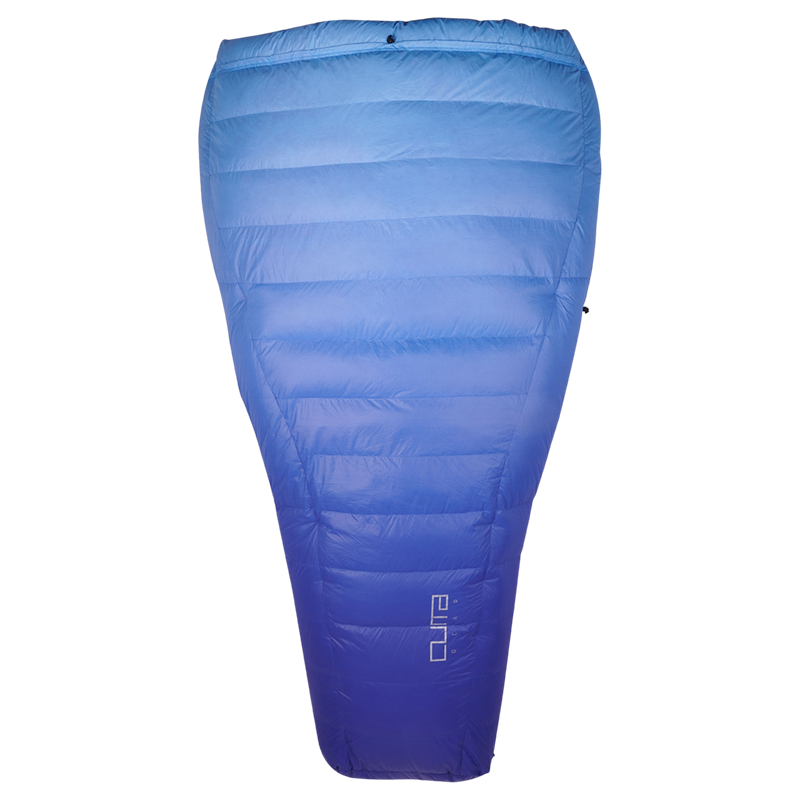
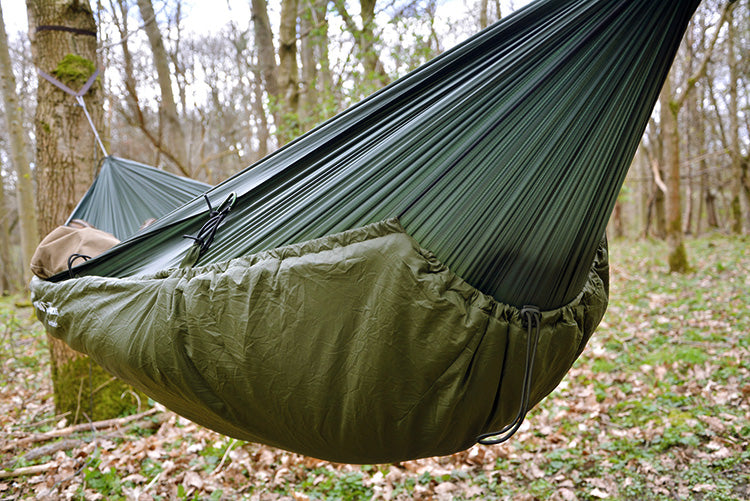
When you lie in a sleeping bag in the hammock, your weight compresses the sleeping bag completely underneath you. This means it doesn’t insulate very effectively. Since cold air also flows under the hammock, you need more effective insulation.
There are two methods for this:
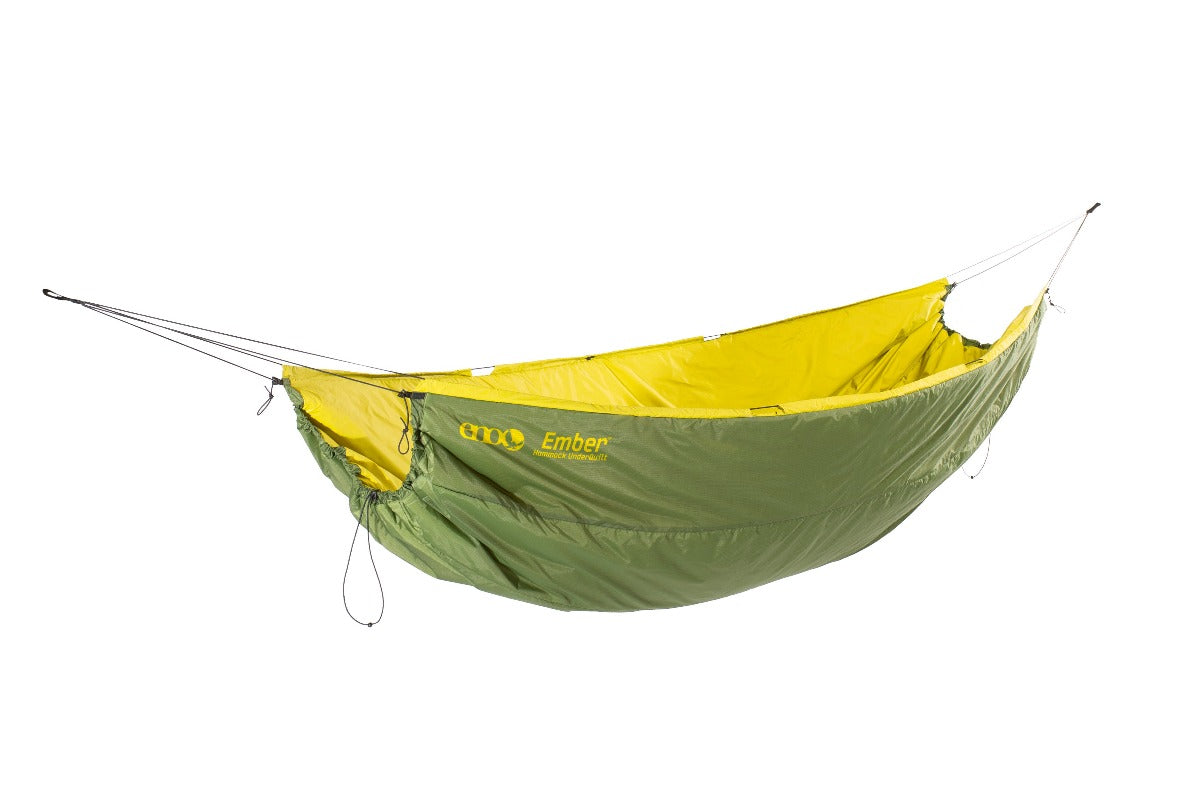
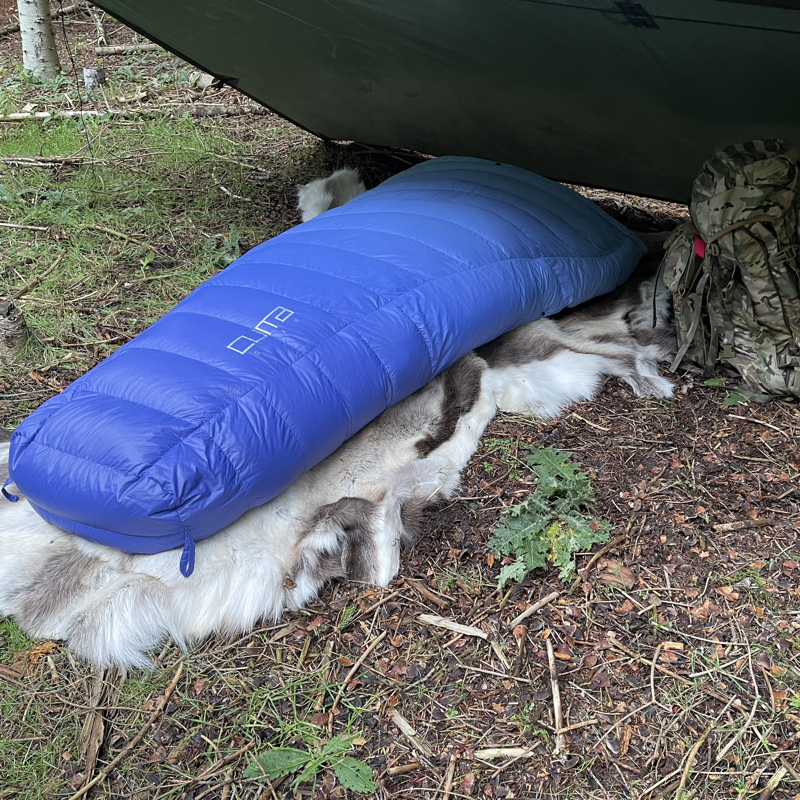
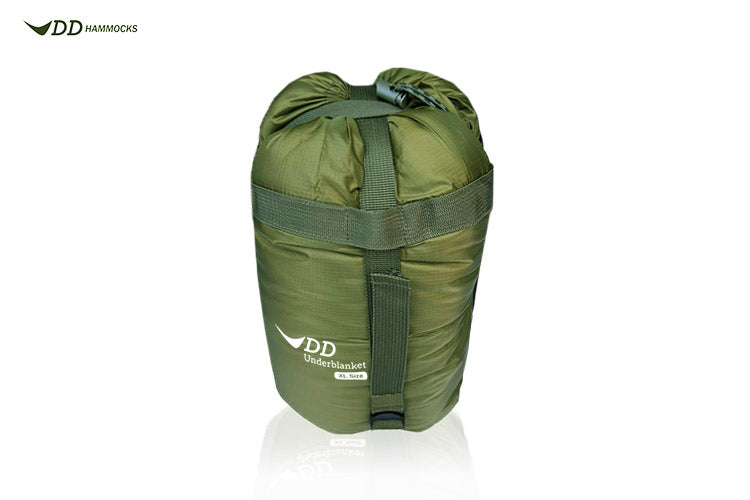
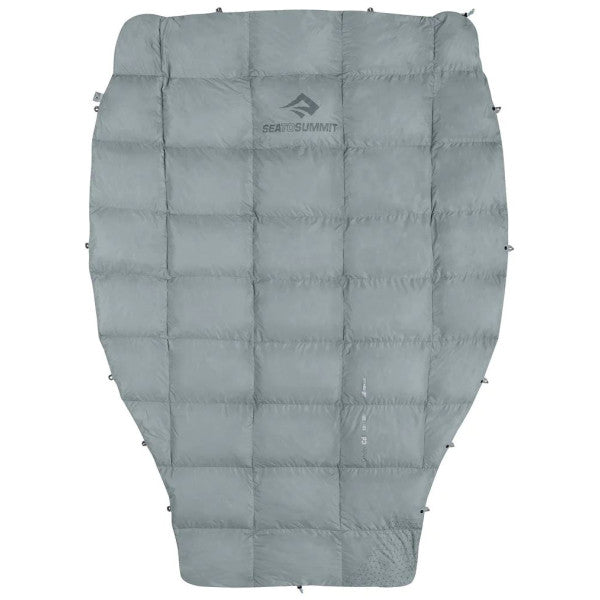
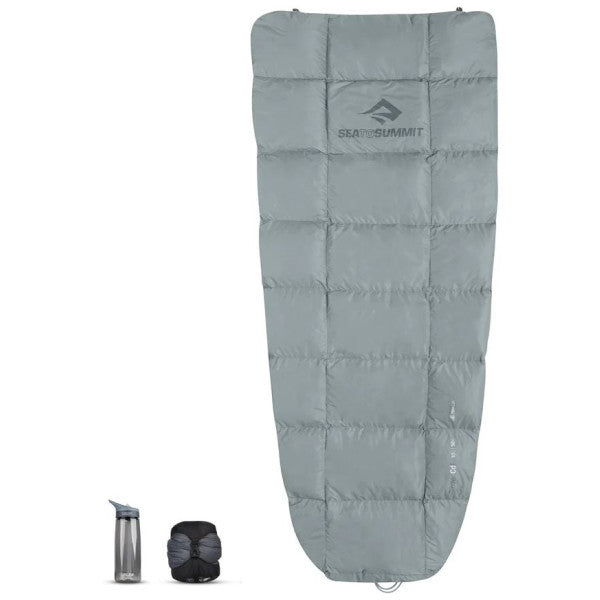
You can either choose an underquilt like this one from ENO or this one from DD Hammocks, which is an insulating layer fastened to the underside of the hammock. Or it can be a sleeping pad placed inside the hammock. You will get the highest comfort and best insulation by using a sleeping pad specifically designed for hammocks. A regular sleeping pad will also work, though. For extra comfort and insulation, you can use a reindeer hide as a sleeping pad in your hammock. The fur insulates incredibly well and is comfortable and soft to lie on.
Good tips for sleeping in a hammock in nature
Below you’ll find our best tips for sleeping in a hammock in nature. We have gathered quite a bit of experience with sleeping in hammocks by now. Of course, we want to share those experiences.
Remember good insulation
Whether you sleep in a tent, in a hammock, or under the open sky, it just becomes a better night if you are warm and comfortable. That’s why it’s crucial to have a good sleeping pad or underquilt that protects against cold from below. Not to mention the sleeping bag.
Use a mosquito net
A hammock is a very easy way to make overnight stays in nature much more comfortable, cozy, and inspiring. But it doesn’t take many mosquitoes or small bugs before irritation takes over the coziness. And that’s not the point. A mosquito net is a simple and easy-to-set-up solution to avoid flying pests all night.
Make sure to hang it straight
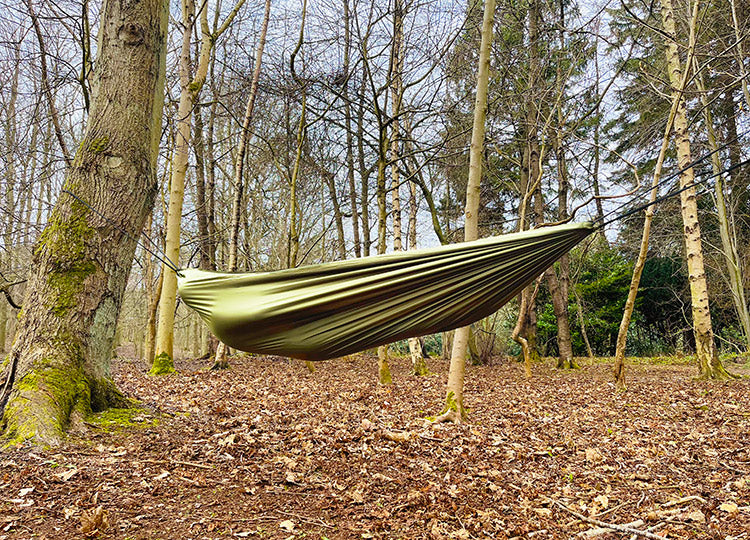
It may sound like a no-brainer, but after hiking all day, many tend to just hang their hammock on the first and best trees they find. We do not recommend that. It is always worth checking the chosen campsite for good suspension trees or choosing a campsite based on where there are good trees for hanging. And it’s definitely worth spending an extra 5 minutes to hang the hammock properly. By that, we mean the hammock hangs straight and is appropriately tensioned. During the night, you’ll quickly realize it was time well spent!
Those were our tips and tricks for overnight stays, buying a hammock, and everything in between. We hope it has made you more knowledgeable about hammocks and inspired you to spend the night hanging out in nature. Hammocks offer fantastic opportunities for small adventures in the Danish forests. We can only recommend taking advantage of that. Better sooner than later.