Hiking Boots
16 products
Showing 1 - 16 of 16 products
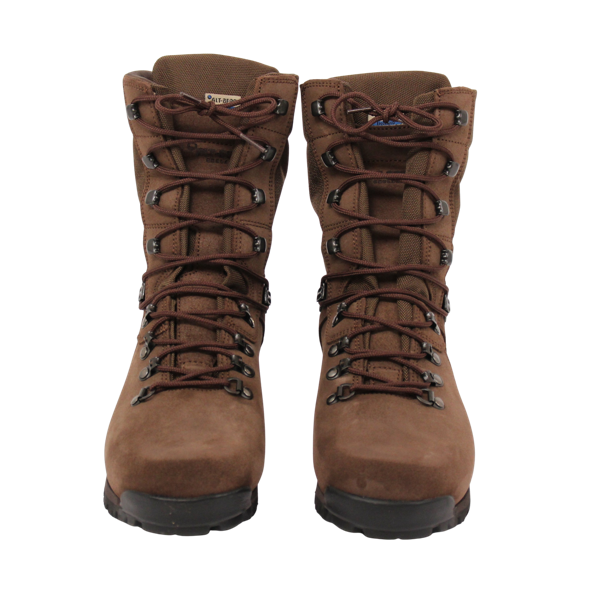
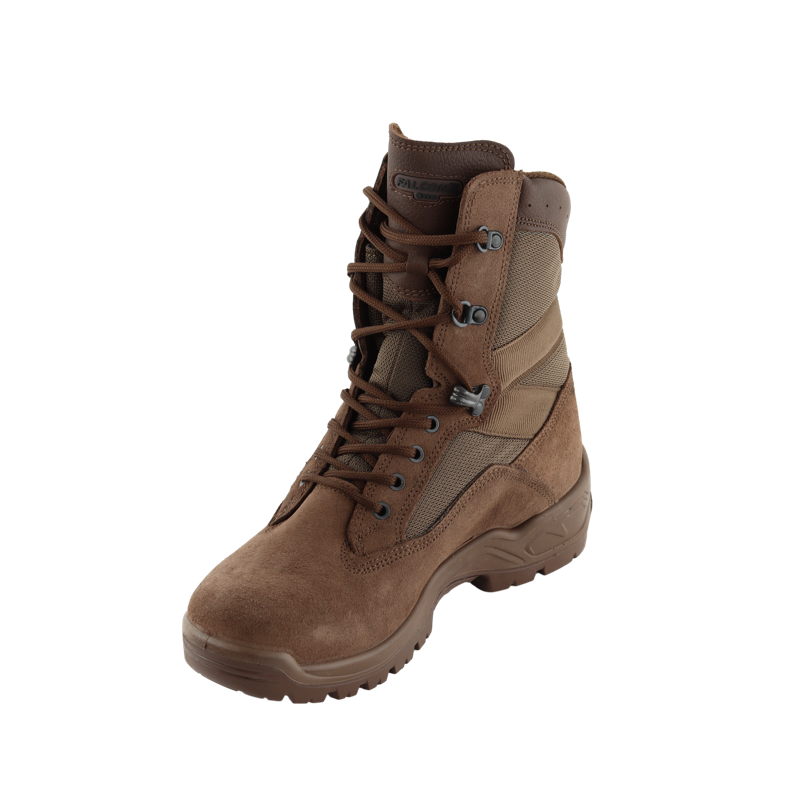
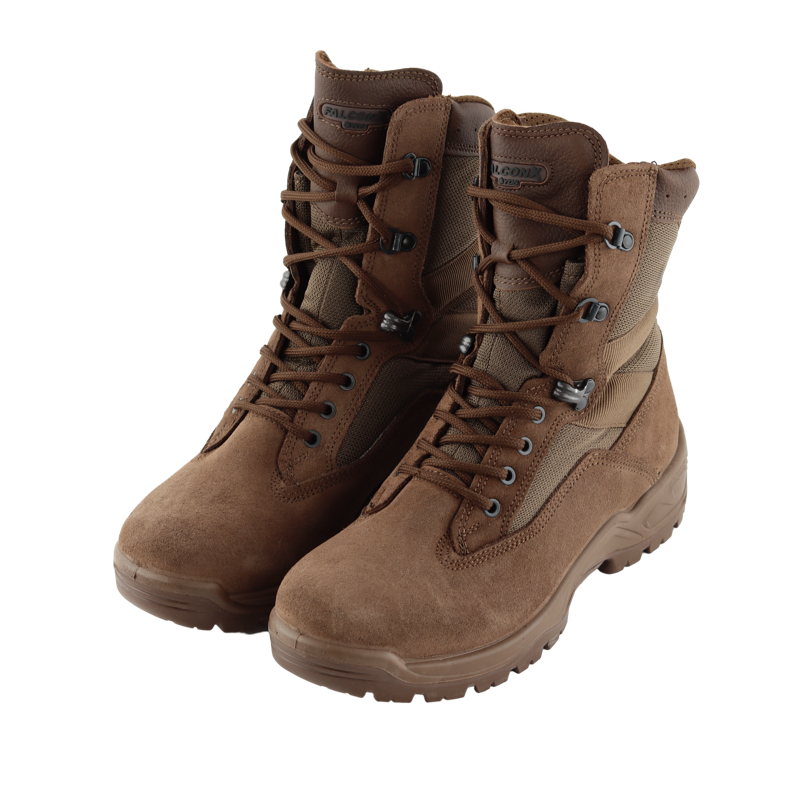
Hiking boots for outdoor life
It can be difficult to navigate the large selection of hiking boots and shoes available, especially if it’s one of your first times buying a pair. Today’s hiking boots are often made based on broad knowledge gained from many years of experience from outdoor enthusiasts worldwide.
That’s why today there are hiking boots for many different terrain types, climates, disciplines, and more. Some boots have more specific purposes while others are well suited for a wider range of outdoor activities.
Hiking boots – How to choose the right ones
When you’re looking for a new pair of hiking boots and aren’t sure which pair you want, it can really help to think about what you want to use them for.
If you plan to hike for many days, weeks, or months with a full pack, it’s good to have a pair of hiking boots that provide strong support for your feet, especially from below, as the weight of the backpack puts extra pressure on your soles.
If you’re more interested in short and fast trips, for example up a small mountain with a climb under a kilometer, or long walks in the forest, a lightweight hiking shoe or boot might better suit your needs.
Additionally, it can be very sensible to think about the climate and season you’ll be hiking in. If it’s cold, a well-insulated boot will likely be great, whereas a boot with good ventilation might be a better choice for warm weather. There are many factors to consider, so below you can read about some important and relevant things to keep in mind when buying hiking boots.
Types of hiking boots and shoes
First of all, it’s a good idea to consider what type of hiking shoe or boot you need. There are many different outdoor disciplines and just as many types of footwear. Below is a brief overview of some of the most common types of hiking footwear.
Hiking sandals.
Hiking sandals can be good for easier and shorter trips where you want plenty of ventilation for your feet. Sandals can come with plenty of support to stay securely on your feet and can be comfortable to walk in. However, they are less suitable when the terrain gets tougher and the backpack gets heavy.
Hiking shoes.
Less ankle support, but much more flexibility. Hiking shoes are great for shorter and easier trips where you need support but also want less weight and more freedom of movement.
Approach shoes.
These are designed for easy climbing and therefore have soles that grip well on rock surfaces. They are often softer, which helps provide good grip on the surface, but this also means they wear down faster. Approach shoes are generally more specialized and work best for easy climbing where little or no safety equipment is used.
Light hiking boots.
These are perfect for day hikes, for example, where you are not carrying a heavy backpack, but the terrain is uneven enough that you need good ankle support.
Backpacking hiking boots.
These are a bit heavier and provide better cushioning as well as better support, especially around the ankles. This type of hiking boot is great when you have heavy gear and need to walk long distances with it.
Winter hiking boots.
These resemble other hiking boots but are also equipped with insulation, which helps keep your feet warm when it is cold outside.
Alpine boots.
These are designed for mountaineering. Alpine boots are very stiff and have hard, thick soles. They are often designed to be compatible with crampons. There are many different types of alpine boots intended for various types of mountaineering and alpine climbing.
LEATHER OR SYNTHETIC? - AND SHOULD THEY BE WATERPROOF?
Many people love a good pair of leather boots. They are durable, insulating, waterproof, and can also be very attractive. However, there have been many advances in recent generations of hiking boots, and now there are also many excellent hiking boots made from synthetic materials. Many of these synthetic materials give the boots durability similar to leather boots. Additionally, waterproof boots made of synthetic materials are often more breathable than leather boots.
So which type of material should you choose?
As mentioned before, it depends on where you will be using the boots.
If it is very wet, it is naturally a really good idea to buy a pair of waterproof boots. If it is wet and warm, it is often nice to choose boots made of synthetic materials, as these can be more breathable (however, check the individual specifications of the boot to be completely sure). If it is wet and not so warm, leather boots are great, as they are not as breathable as synthetics but can help keep your feet both warm and dry (remember, however, that your feet can also get wet from sweat). With the wet and cold climate in Scandinavia, many choose leather boots in these regions.
If it is not wet at all or there is very little chance of getting wet where you are going, and it is also warm, it might be better to buy a boot that is not waterproof. These are often water-repellent, which helps keep small amounts of water and dirt out. When the boot is not waterproof, it is typically much more breathable, which can provide better comfort when it is really warm and dry.
WHAT IS A MEMBRANE?
Waterproof materials have a membrane, which is basically a lot of microscopic holes that are small enough to keep water molecules out but large enough to let air and water vapor escape. This gives you a hiking shoe or boot that keeps your feet dry while allowing ventilation. Proper ventilation also helps keep your feet dry, as otherwise they often get wet from sweat when you warm up. However, you should be aware that not all membranes actually allow ventilation, which can cause your feet to become warmer and more humid, so make sure to read about the specific boots you are considering. An example of a good, breathable membrane that most people know is Gore-Tex.
BOOT HEIGHT
How high the boot or shoe goes up can also be very relevant to consider. A high boot provides extra support around the ankles, which helps you avoid twisting them. High boots also offer extra protection for your ankles if you happen to bump them against each other or something else. A low shoe, on the other hand, can provide more freedom of movement and better ventilation, which can also be an advantage. It depends on what you feel you need and what you will use your hiking shoes or boots for.
Some people are more prone than others to twisting their ankles and therefore might benefit from buying a high boot, even if they will be used on easy terrain. If the terrain is very uneven, it is often an advantage for most to use high boots. Here the risk of twisting an ankle is high for everyone. Sprained ankles or similar injuries are a very common reason hikers are rescued by helicopter every year.
Despite the lack of ankle support, a low hiking shoe can be the perfect choice for some. For example, if you are just looking for a good pair of shoes to walk in the forest where there are often good trails, a hiking shoe can work just fine. Many outdoor enthusiasts who pack minimally and try to complete a route very quickly, for example by running, also prefer low shoes. You can also get hiking shoes that work for both trail running and hiking at the same time. The advantage of these is that they are much lighter and being low gives more ankle movement, making it easier to pick up speed.
INSULATION
It goes without saying that if you have insulation in your hiking boots, they are warmer than if you don’t. Therefore, it matters in relation to the climate you will use them in. And again, it’s easy to figure out that insulated boots are best for cold conditions, and boots with little or no insulation are best for warmer weather.
There are many different types of insulation for hiking boots, and many brands use their own trademarked insulations. The important thing when choosing insulated boots is to familiarize yourself with the type of insulation the brand uses. You can often find a guide to the brand’s insulation that tells you which temperatures they are best suited for.
MIDSOLE
The job of a midsole is to provide good cushioning and thus better comfort for your feet, as hiking on uneven terrain can otherwise be tough on your feet. Midsoles are typically made from either ethylene-vinyl acetate (EVA) or polyurethane (PU). Both are excellent materials, but PU offers more cushioning than EVA and is also more durable, making PU best suited for heavier tasks like backpacking, whereas EVA works great for a hiking shoe, for example.
SOLES
The outer sole of a hiking boot is incredibly important because it greatly affects how easily you can move across the terrain. The outsole is typically made of rubber, designed to grip the surface and thus give you more security and confidence. Many hiking boots are designed with very deep grooves so you can, for example, cross a stream on wet stones without slipping. Other hiking boots (especially approach shoes) have soles or areas on the soles that are completely flat, as this provides better grip on dry rock, which is useful if you need to do a bit of climbing in the shoes.
As a rule, soft rubber grips rock surfaces better, whereas hard rubber works better across a wider range of terrain types. Harder rubber can also provide better stability on loose terrain and doesn’t wear down as quickly as soft rubber. Additionally, deeper grooves offer more stability on wet surfaces and generally better grip on most types of hiking trails.
Many newer boots’ outsoles are also equipped with heel brakes, which are a specific pattern on the heels that “slow you down” a bit when going steeply downhill. Additionally, some outsoles have a “climbing zone,” which is a small area at the toe where the sole is completely flat. This makes it easier if you encounter some easy climbing sections on your route. Climbing zones are common on alpine boots.
INSOLES
When you buy hiking boots or shoes, they typically already have insoles that can be removed. These are often just flat and fit an average foot. Most of us have unique feet and therefore different support needs. Some have high arches, while others have low arches, for example. If you don’t get the right support under your feet, a hike can easily become painful, as insufficient support can affect the rest of the body, such as the back, hips, and shins. Therefore, it can make a lot of sense to buy insoles that fit your feet exactly, ensuring you get the right support and thus maximize your comfort when you are out hiking. Some places even offer insoles that can be molded to your own feet.
OTHER THINGS TO BE AWARE OF
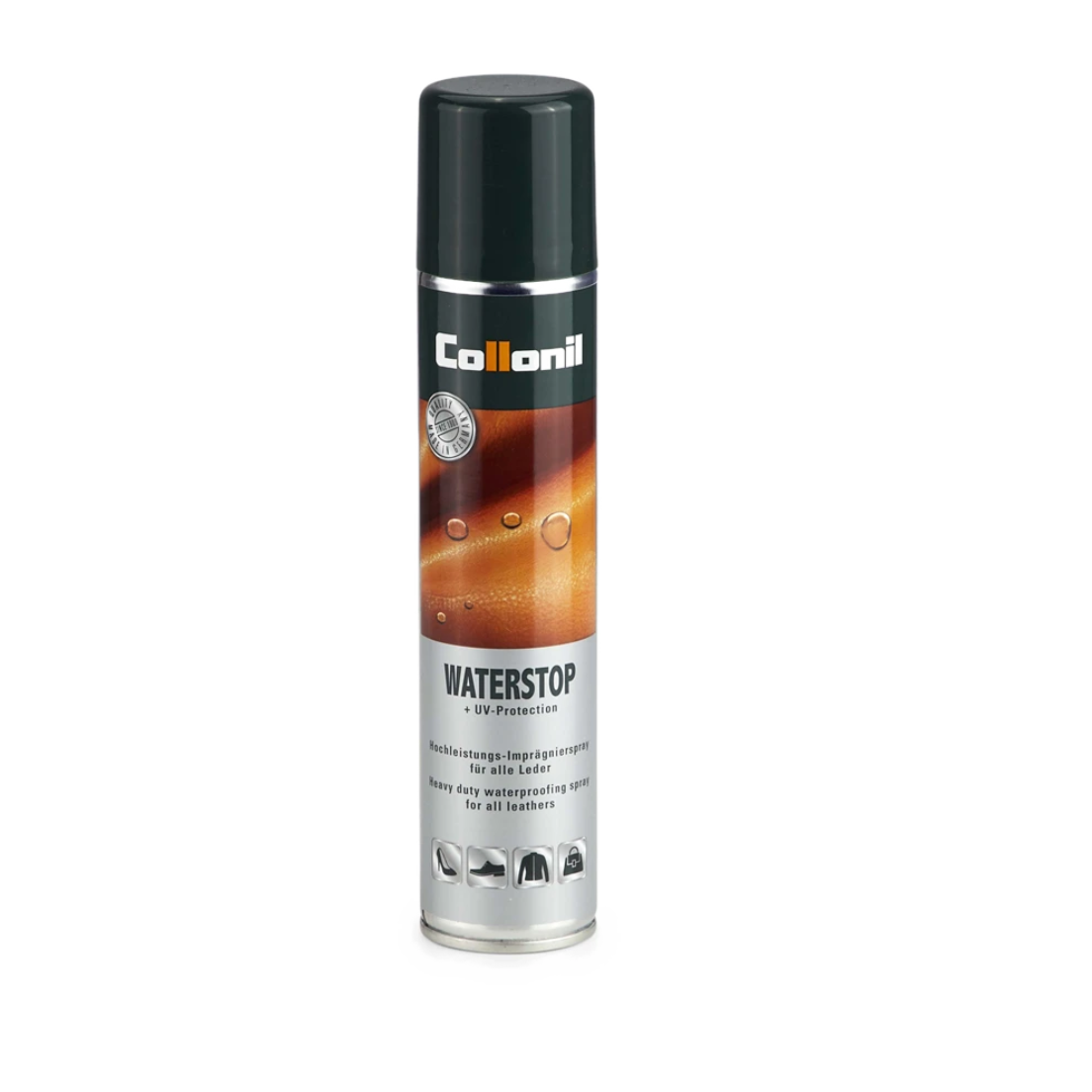
Waterproofing.
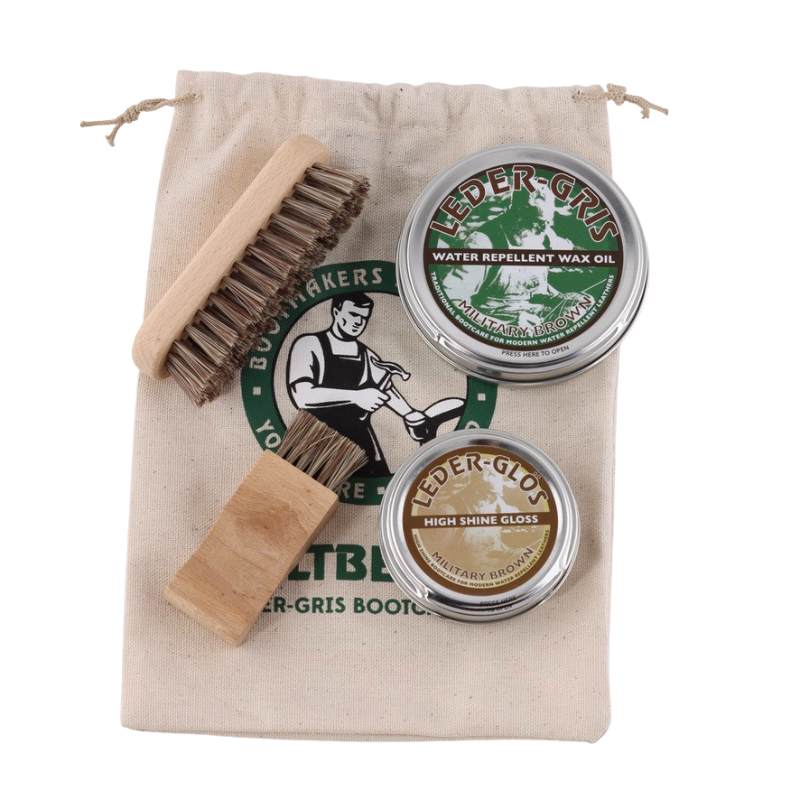
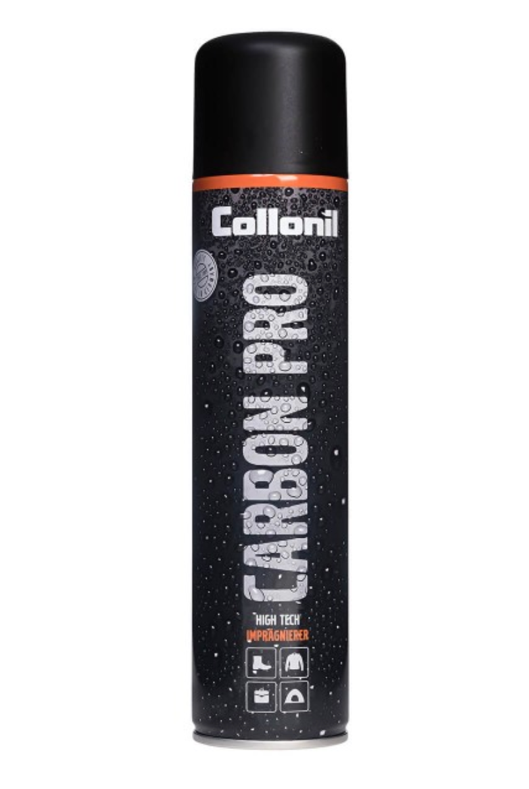
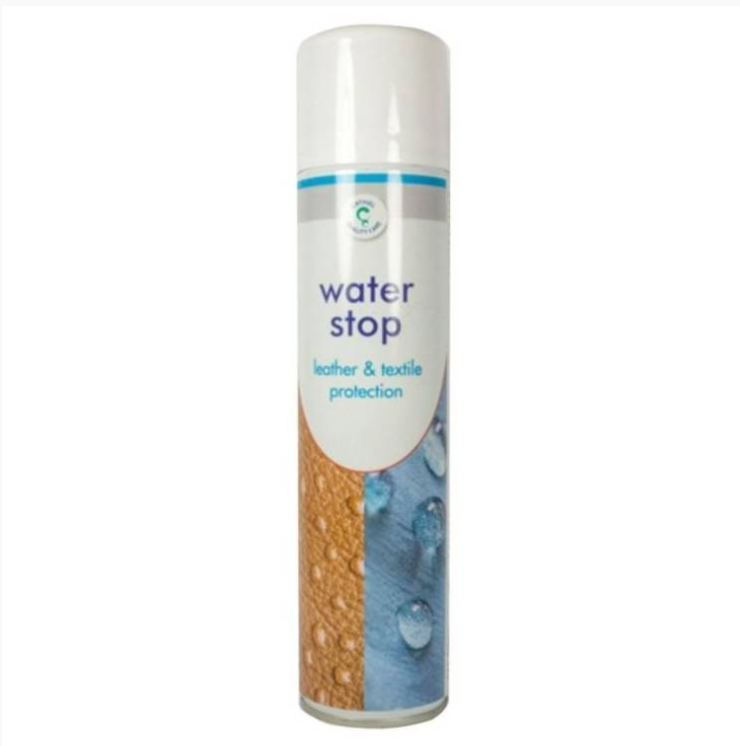
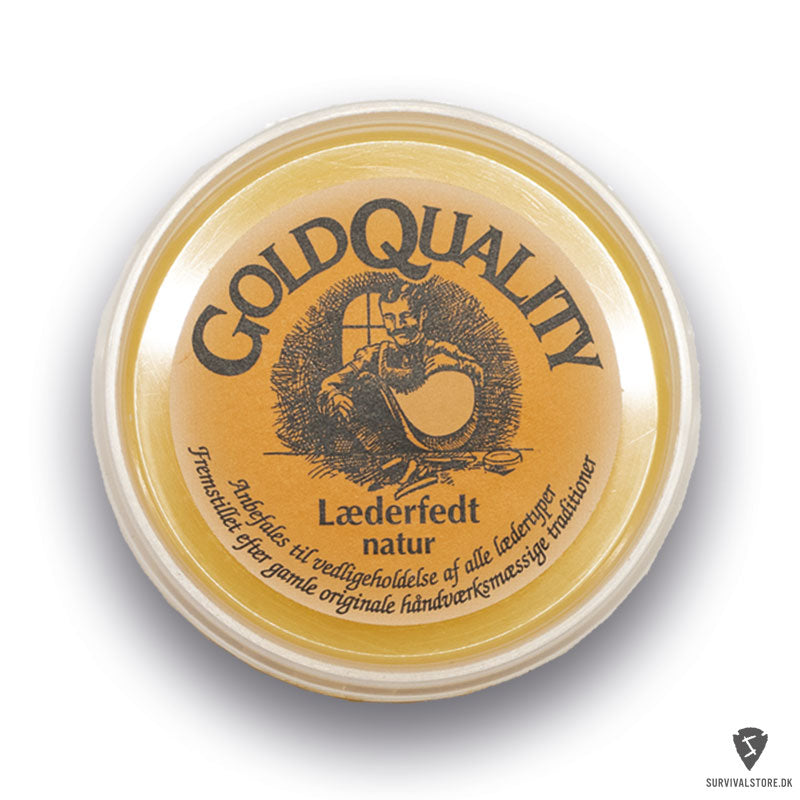
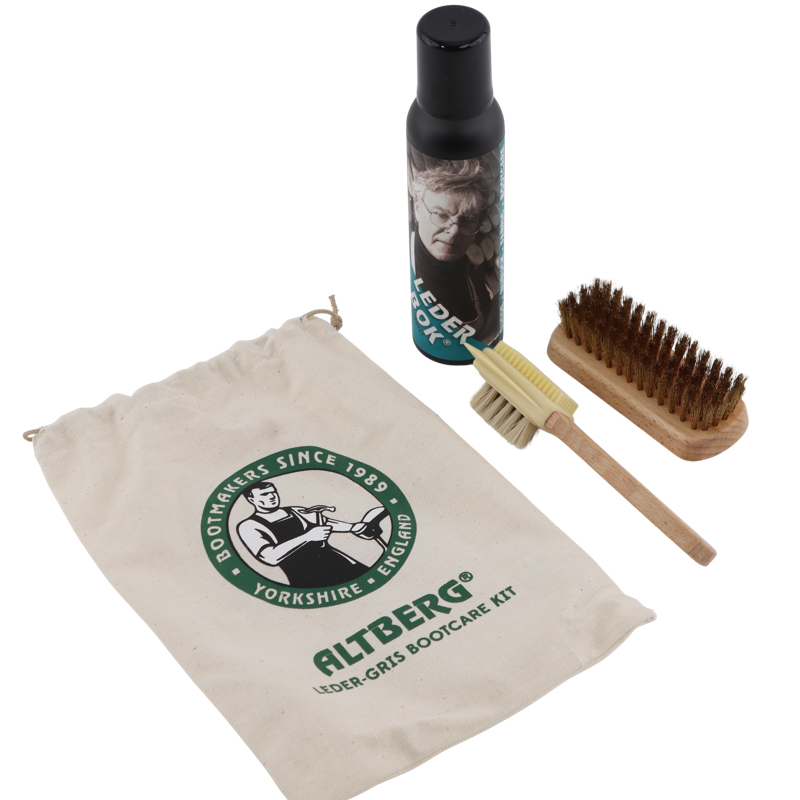
Remember to waterproof your boots when you buy them and once a year thereafter, depending on how much you use them. This helps extend their lifespan.
Socks.
Make sure to wear good socks in your hiking boots, as these can help provide extra comfort and reduce blisters.
Gaiters.
Consider whether you need gaiters. They are easy to put on over your boots and can be an advantage if you are going on trips with wet or muddy areas.
Crampons.
If you are interested in using crampons with your boots, it is important to make sure the boots are designed to allow mounting them. Consider buying your crampons and boots together. Note that very few hiking boots are compatible with crampons – you often need a pair of alpine boots.
Break in your new boots.
It is important to remember to break in your new hiking boots, otherwise you risk getting many blisters on your first hike wearing them. Don’t skip this step.
Know yourself.
It is also really important to know yourself and try to be realistic about your own needs and what you feel comfortable with. There is nothing worse than having extremely sore feet or blisters and just having to push through and endure the pain.