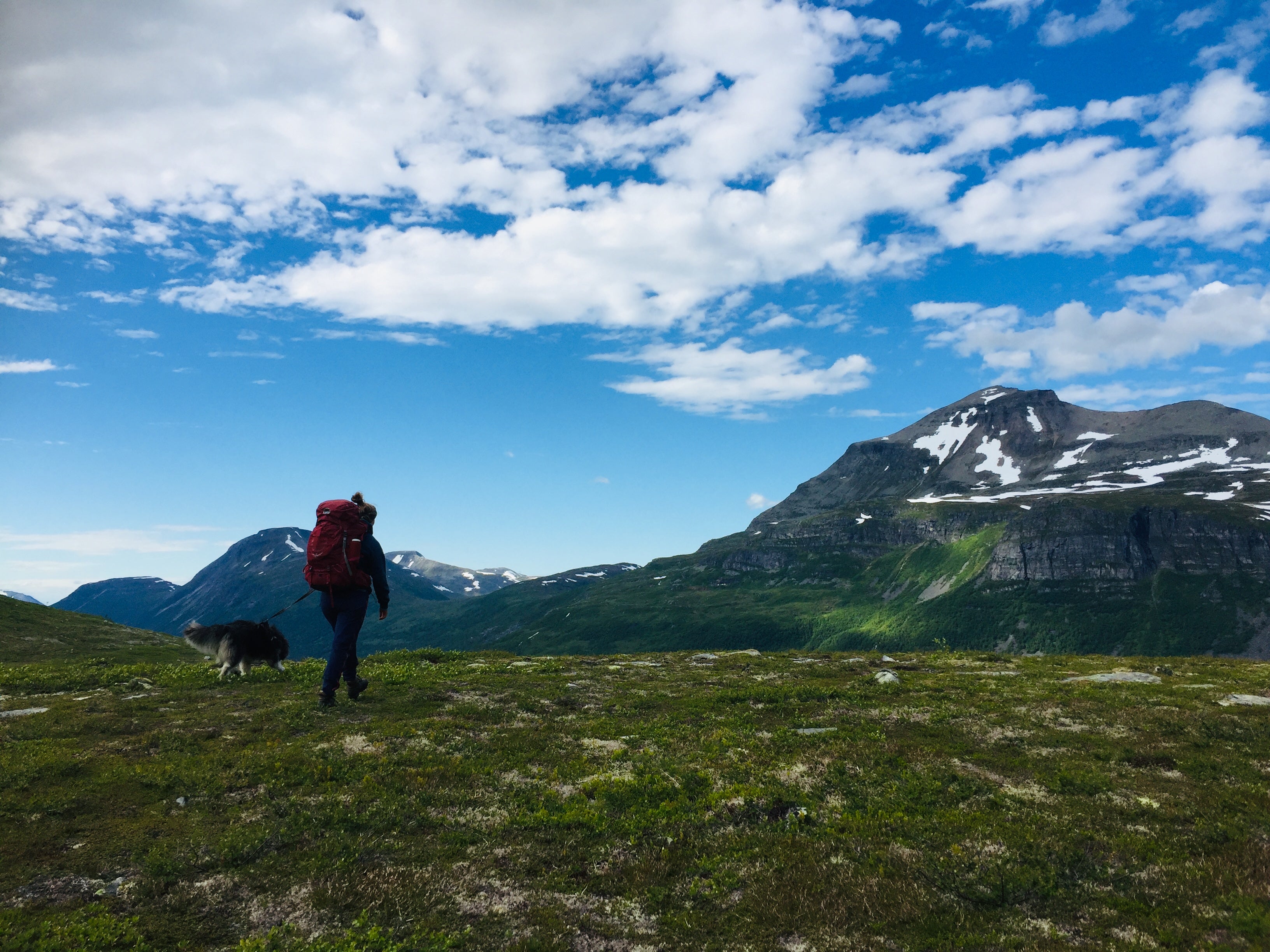
Choose the Right Hiking Backpack
The hiking backpack is the best travel companion for both small and big adventures. It allows you to gather all your important gear, keep it protected from weather and surroundings, and carry it on your back as you move on foot across mountains, through forests, or climb high peaks.
There are many different types of hiking backpacks suitable for outdoor life, but to get the most out of a hiking backpack, it is important that the backpack fits you and what you need it for. Are you going on a day trip or spending nights in the wilderness for a longer period? - there are backpacks designed for those purposes!
Advantages of Getting a Hiking Backpack
The classic school backpack, with straps over the shoulders, is a good example of a regular backpack that most of us have experienced causing back pain when overloaded with too many school books. It is terrible to carry when it becomes too heavy because all the weight rests on the shoulders, causing pressure, chafing, and pain.
A hiking backpack, on the other hand, is equipped with a carrying system that makes it comfortable to carry a heavy load over a longer period.
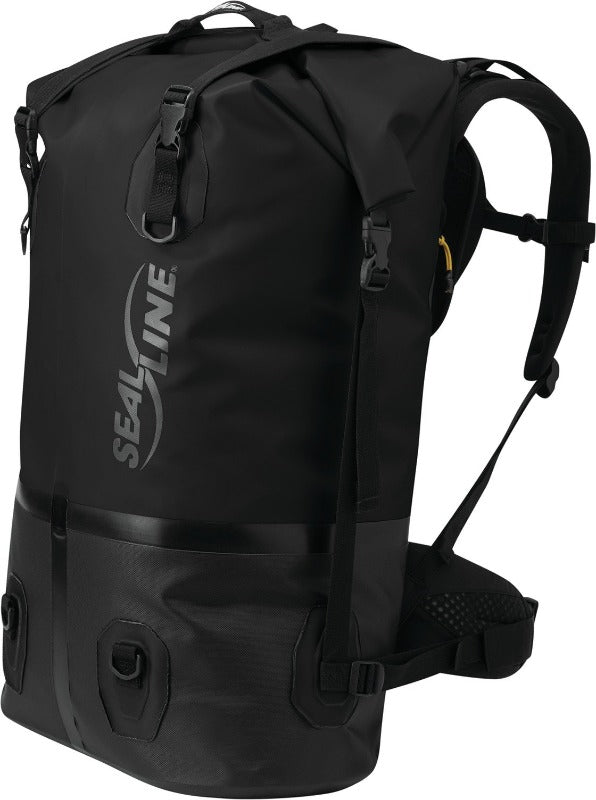
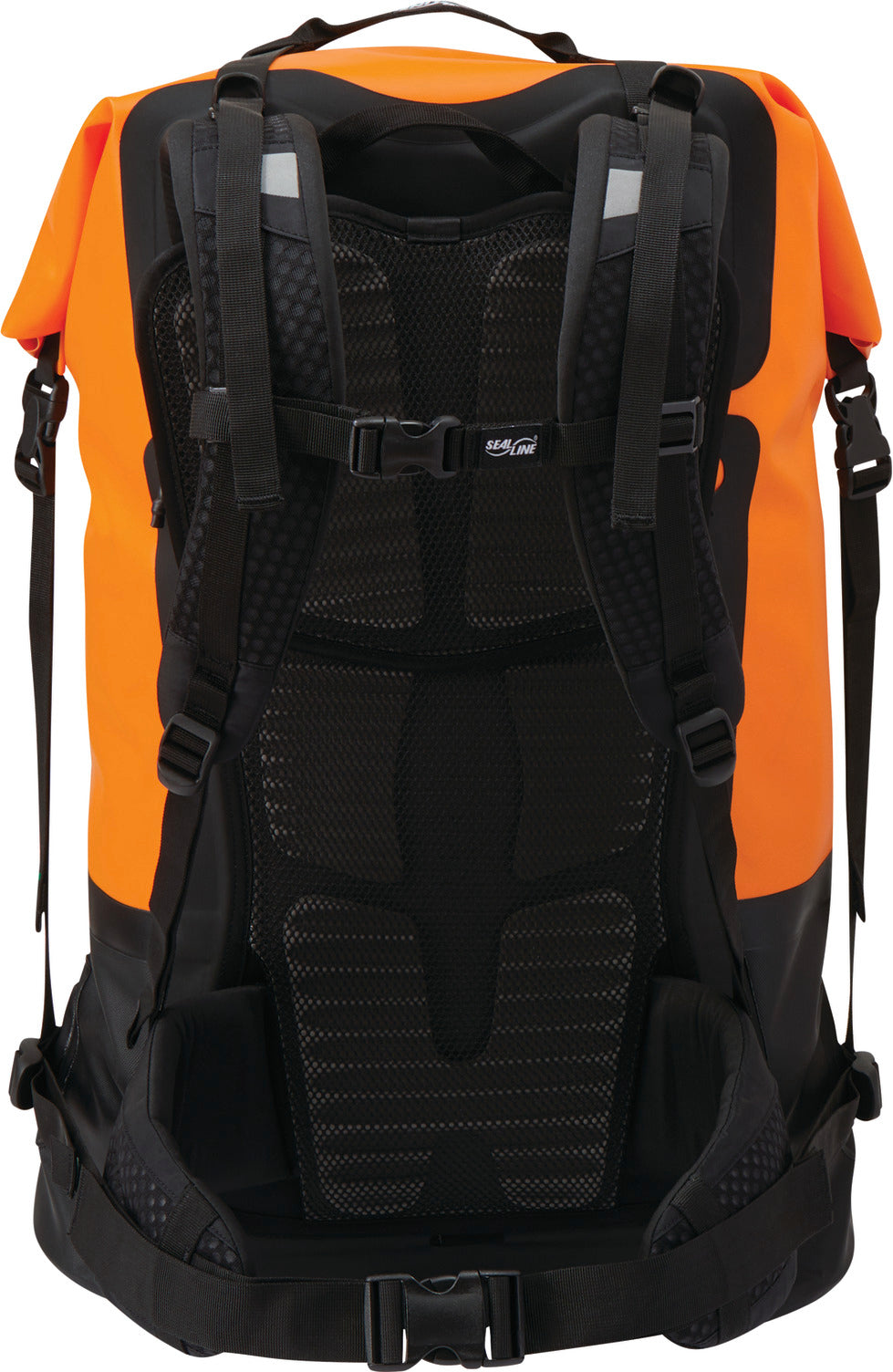
The carrying system primarily consists of a hip belt, a chest strap, and some padded and soft shoulder straps.
The hip belt is a padded belt with a buckle that rests on the hips. The belt distributes the weight in the backpack down over the lower back, out to the hips, and down into the thighs. This way, the large muscle groups in the thighs carry the heavy load, while the back and shoulders are spared.
Some manufacturers make hip belts with foam that adapts and shapes to your hips—just like the insole of a good running shoe.
Additionally, the shoulder straps are comfortable to wrap around the shoulders. Together with the chest strap, they can be adjusted, meaning they can be tightened or loosened. This feature can have a big impact on your balance. A backpack that sits loosely on your back can cause sudden jerks, making you lose balance when walking over rocks or stones, for example, on a mountain hike in the north. This imbalance can be avoided by tightening the shoulder straps and chest strap to make the backpack sit close to your back. At the same time, it is nice to occasionally loosen the straps and buckle to feel more mobile and free while hiking.
Hiking backpacks are also usually more durable and long-lasting than regular backpacks because the materials are developed for outdoor use and can withstand more wear and tear.
What Types of Backpacks Are There?
Usually, backpacks are distinguished between daypacks and multi-day packs. A daypack can hold the essentials you need during one day of hiking, such as a packed lunch, water bottle, and an extra sweater or light jacket.
A hiking backpack for multi-day trips can range from a weekend trip, a week-long hiking holiday in Norway, or a longer expedition. Here, the backpack must be able to hold a sleeping bag, sleeping pad, tent, provisions, and various gear for the chosen trip.
Choose the Right Size Hiking Backpack
How much should it be able to hold?
The size of the backpack determines how much you can pack into it—but don’t forget that weight plays an important role on the hike, because the heavier your backpack is packed, the more exhausted you will become carrying it around.
Therefore, make sure to choose a backpack in the right size.
The capacity of a hiking backpack is indicated in liters, and below you can get an overview of which size might suit your outdoor use.
- 10-20 L = Hiking backpack for day trips
- 30-50 L = Hiking backpack for weekend trips, with one or two overnight stays.
- 60 – 90 L = Hiking backpack for longer hikes from 4 to 14 days.
- 100 L and above = Hiking backpack for major expeditions
How long should it be in the back?
Another size you should pay attention to when choosing a backpack is the back length. Hiking backpacks are mainly available in XS and L, but many come with an adjustable back length that can be customized.
The back length goes from the top of the hip belt to where the spine transitions into the neck. To find your back length, you can use a tape measure or a string, holding it at the top vertebra and measuring down to the lower back. You can then transfer this measurement to the backpack, where the back length goes from the bottom of the hip belt to the top of the back pad where the shoulder straps start.
Are the sizes gender-specific?
Yes, there are hiking backpacks designed for women or men, but there are also unisex backpacks.
Women’s backpacks are designed for the female anatomy, meaning they usually have a shorter back length, a wider hip belt with extra padding, narrower shoulder straps, and a chest strap positioned higher than on men’s backpacks.
That said, no two bodies are the same, so women can certainly find men’s backpacks that fit perfectly, and men can do the opposite. It can therefore be a good idea to try several backpacks before your final purchase to get a feel for how they fit on your back.
How Much Does a Hiking Backpack Cost?
The price of a hiking backpack ranges from around 800+ to about 5000 DKK. Many factors determine the price, including the size of the backpack, choice of materials, design, and brand. You decide how much you want to spend, but the price is also linked to quality—especially when it comes to good gear. If you plan to use the hiking backpack on many adventures for years to come, it can be a good long-term investment to pay a little extra for it.