Bivouac
3 products
Showing 1 - 3 of 3 products
BIVOUACS
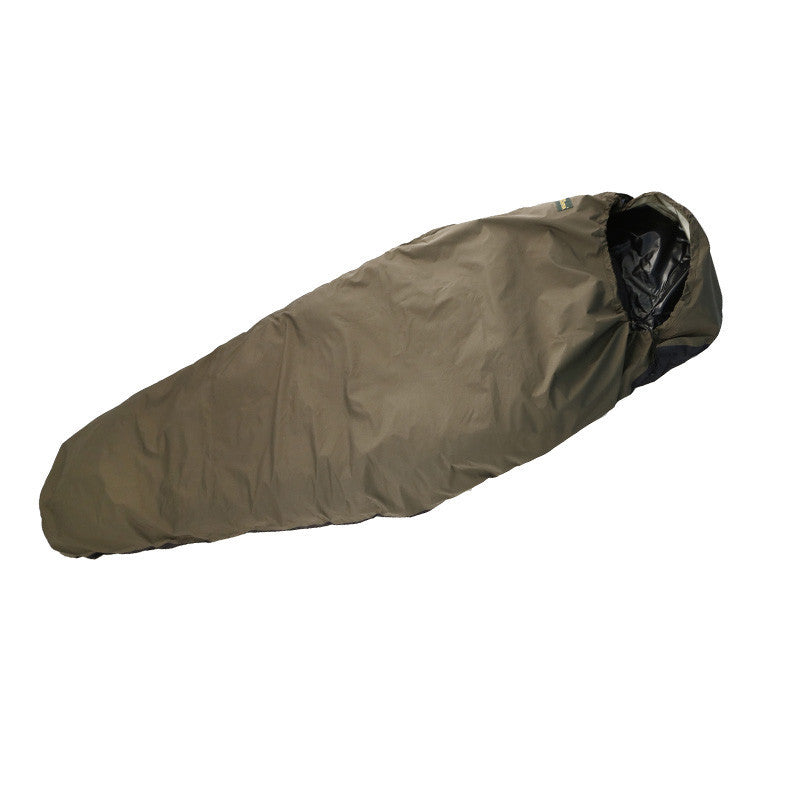
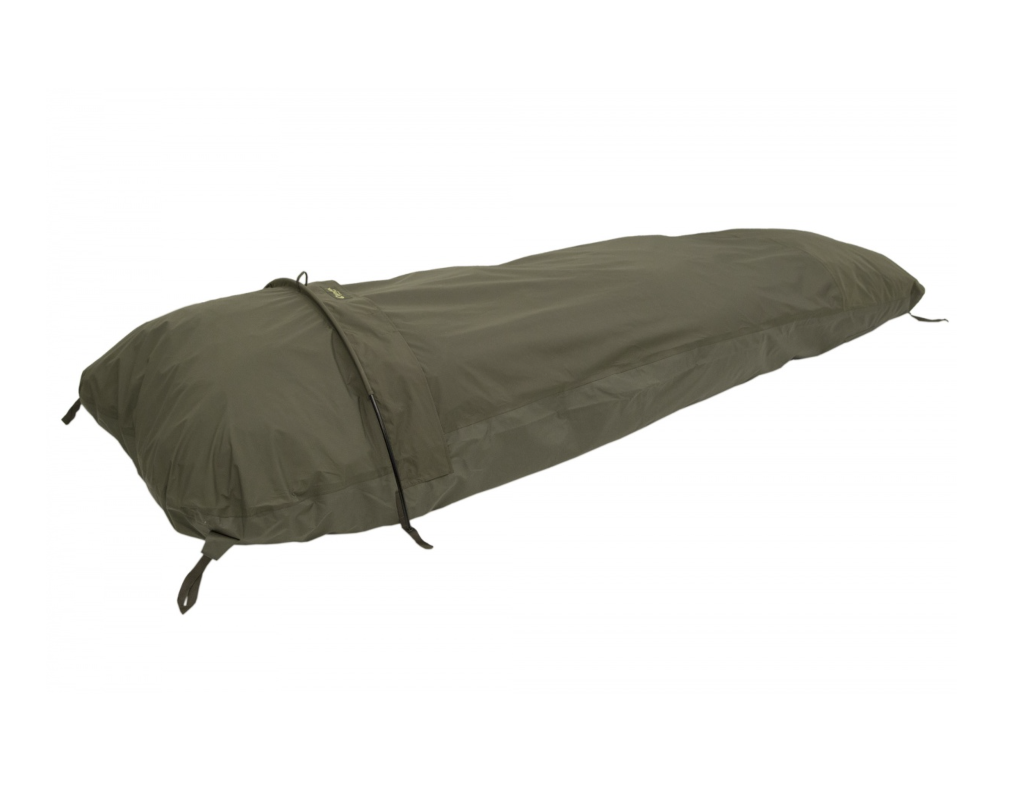
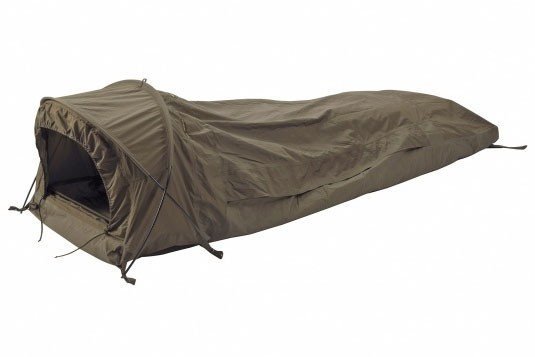
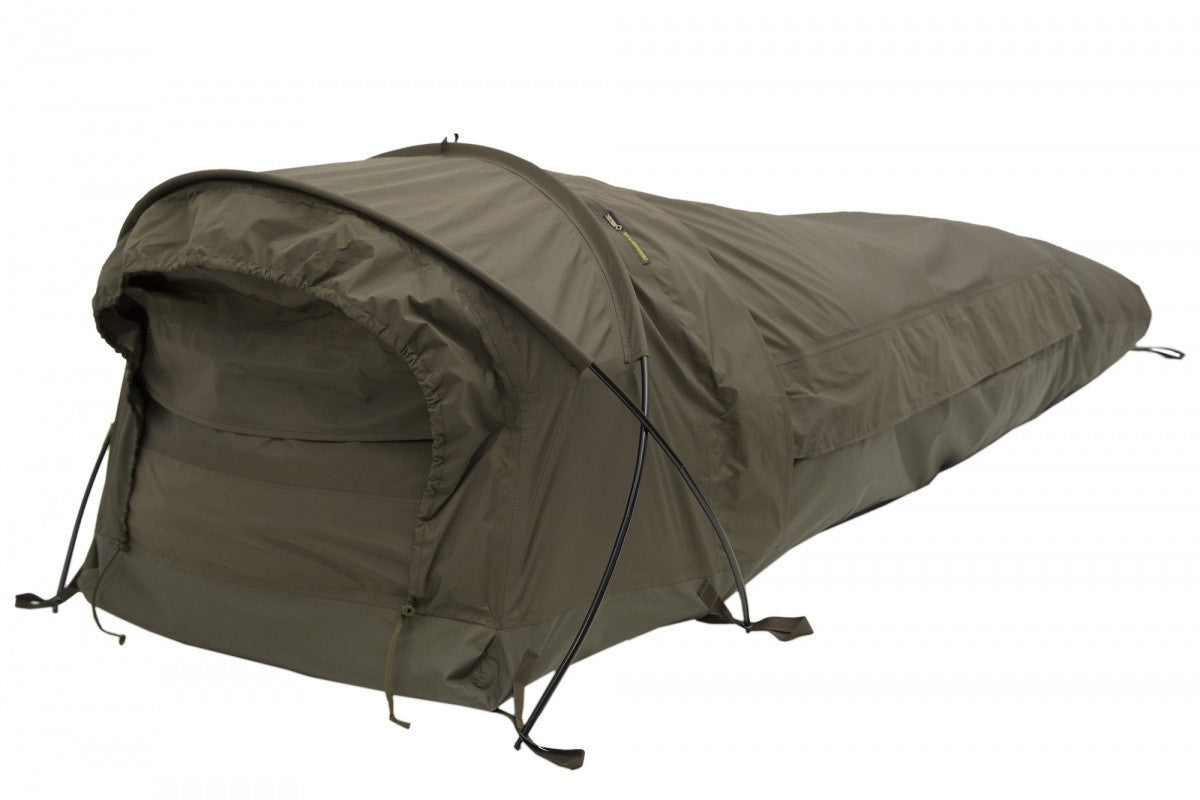
Bivouacs are perfect for minimalist outdoor enthusiasts. A bivouac, like a bivy bag, is a cover for your sleeping bag that makes it easier and more comfortable to sleep under the open sky. Unlike a bivy bag, which is just a "bag," a bivouac has one or two tent poles, making it a kind of hybrid between a bivy bag and a small hiking tent. A bivouac therefore offers more interior space and thus more comfort than a bivy bag, while still retaining many of the same advantages that make people choose it instead of a tent. However, be aware that the word "bivouac" can have several meanings and that many also call bivy bags bivouacs.
Bivouacs are smart because they serve as a lighter alternative to a tent. For example, they are great for trips where saving weight is important but overnight stays are necessary. It may also be that there is simply no space to pitch a tent, such as when the campsite is on a mountain ledge or rocky ground. A bivouac is also practical if you want to be more discreet or if pitching a tent is not allowed at all, which can happen in several places in Denmark.
Compared to just lying in a sleeping bag (possibly under a tarp), a bivouac provides better protection against wind and rain, while keeping you warmer than the sleeping bag alone can. It is also much easier and faster to set up than a tent and often has a little space for storing gear, such as a backpack.
SOME GOOD TIPS FOR BUYING AND USING BIVOUACS
Size
There is already not much space inside a bivouac, so if you are unsure about the size, it’s better to go bigger than smaller. If it’s too long, you simply have more room to store equipment inside, which is much better than being too cramped.
Material
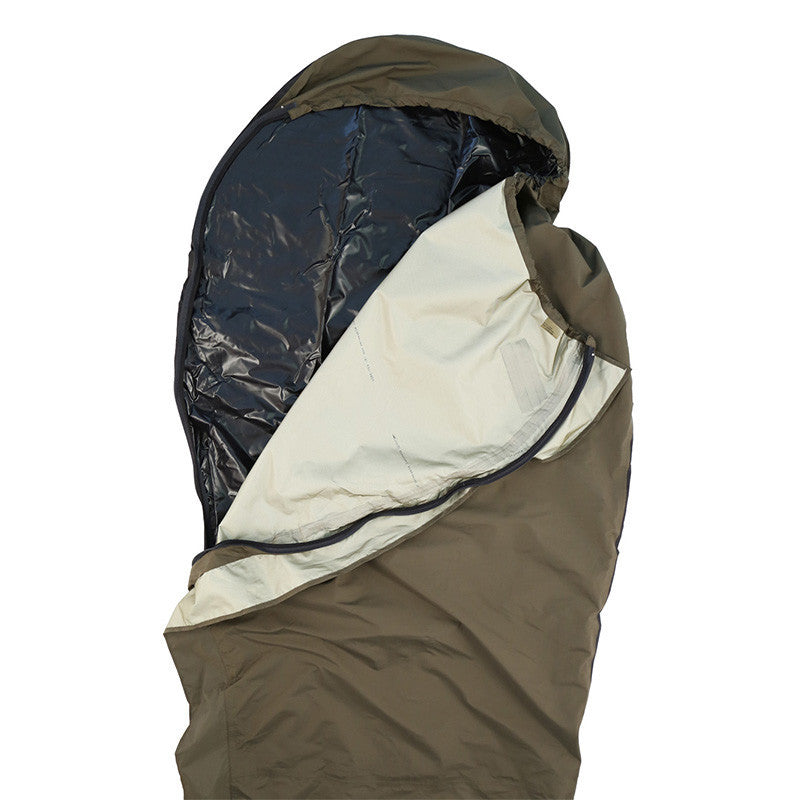
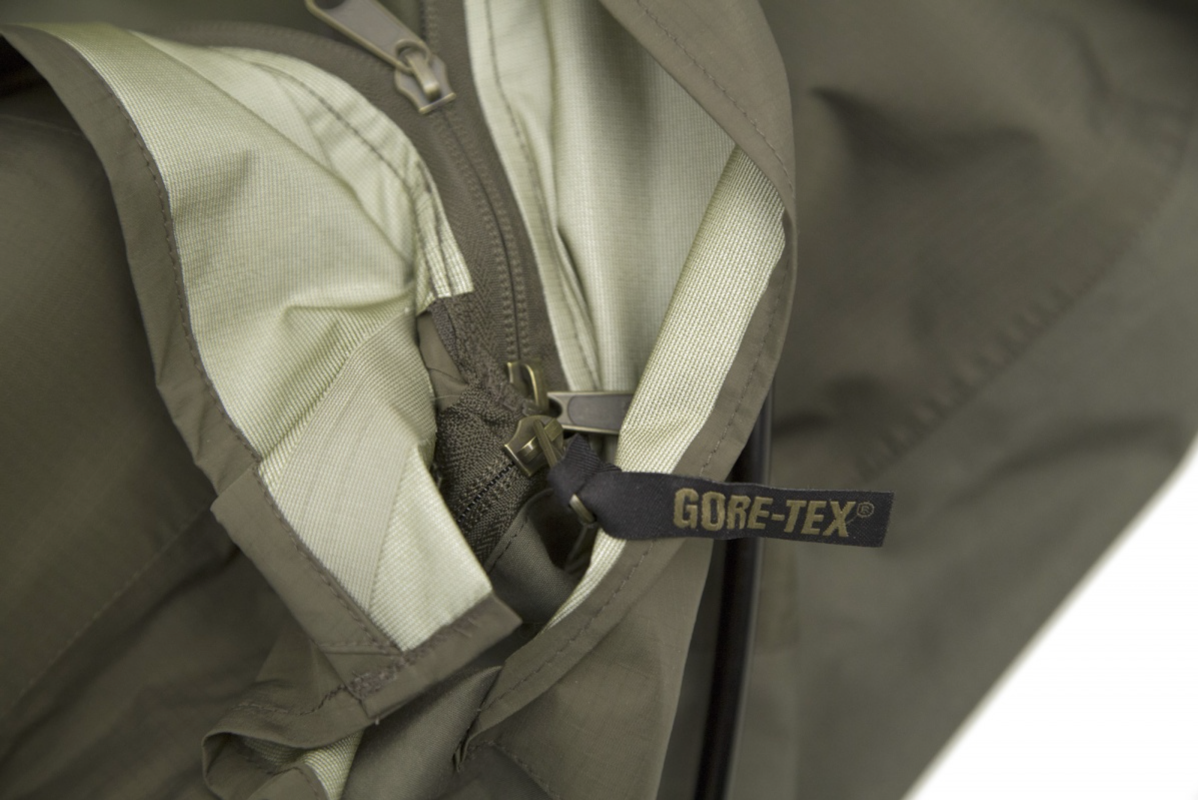
Like a bivy bag, a bivouac is typically made up of a bottom and a top. The bottom must be extra durable and very waterproof, as it is pressed against the ground. Additionally, it is especially important to limit how much condensation forms inside a bivouac. Therefore, it is important to ensure that the waterproof material on top is breathable and that there is good ventilation. Furthermore, it is a very good idea to use your bivouac together with a groundsheet, as this helps reduce how quickly your bivouac wears out, provides extra protection against moisture from below, and since a groundsheet is slightly larger than the bivouac, it gives you a "clean" area to sit on or to place your backpack.
Extra flexibility
A bivouac often comes with one or two poles and an insect net but can also be used without these, which offers great flexibility in terms of weight. If you need to save a lot of weight on some trips but not all, you can leave the insect net and/or poles at home on those trips. If you choose to use the insect net, it has the advantage of providing excellent ventilation, which reduces condensation without irritation from mosquitoes and other insects. Additionally, some bivouacs have external loops that allow you to tension it with guy lines, for example tied to a tree, which is also handy if you leave the poles at home.