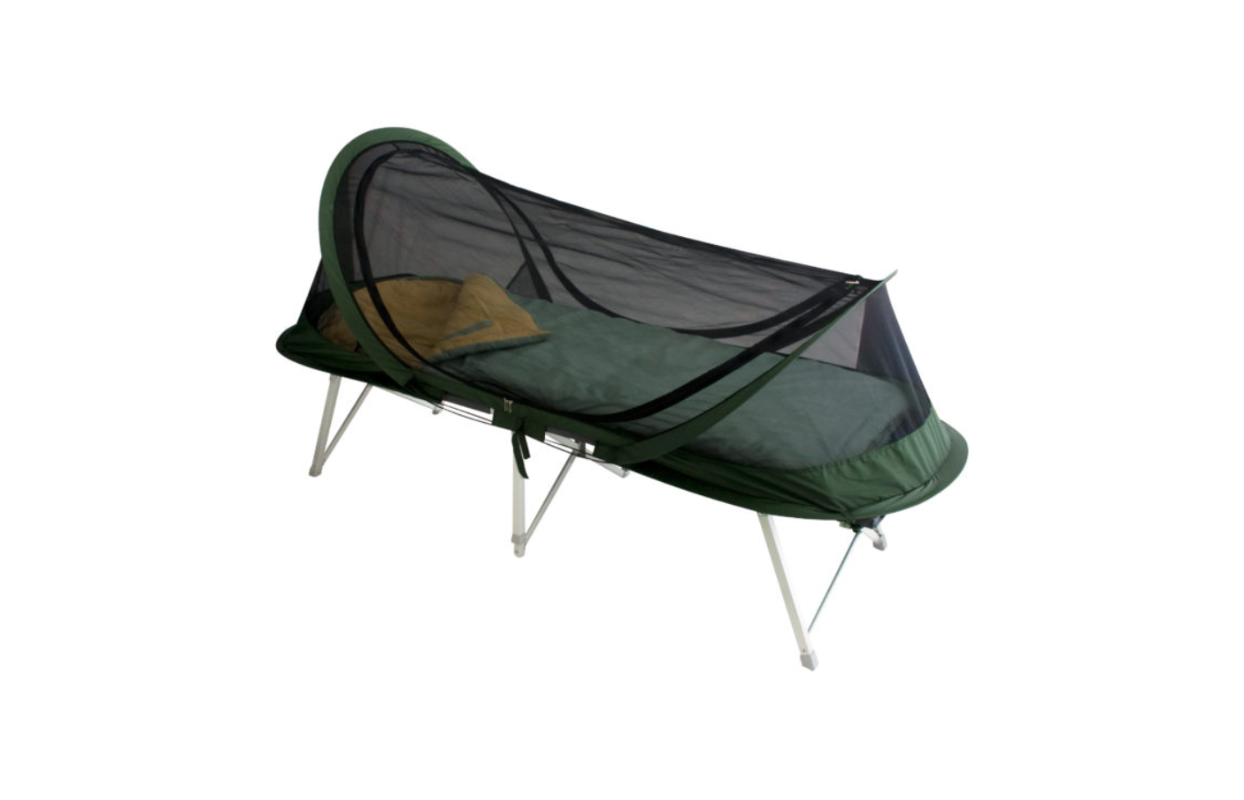
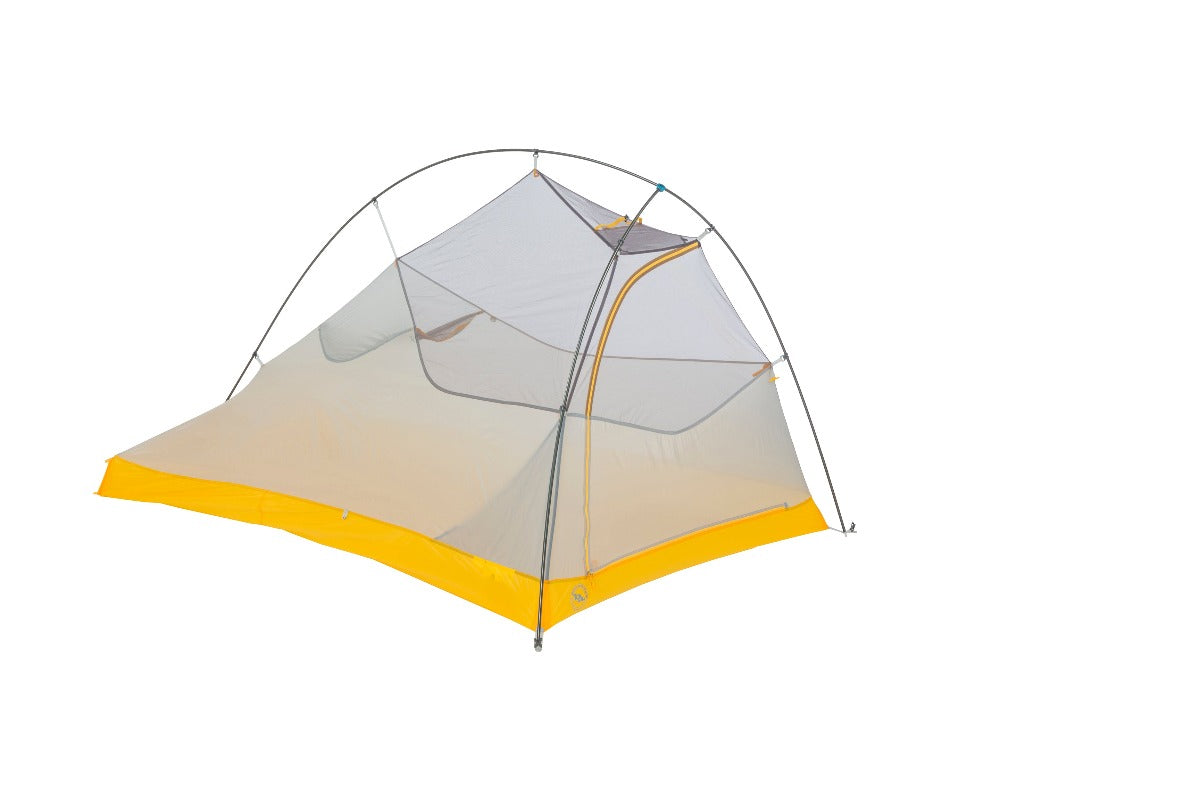
There are many advantages to spending the night in a tent. They often have mosquito nets, keep out rain and wind, provide more privacy, and much more. Many modern tents are made with all kinds of technologies based on many, many years of experience. Therefore, there can also be an incredible number of things to keep track of when buying a tent. Below is an overview of some of the most relevant things to look for, so you can choose the tent that best fits your needs.
WHICH SEASON?
When you look at tents, it often says how many seasons they are suitable for. Most tents are either 3-season or 4-season, but there are tents rated up to 5 seasons. These ratings are not very intuitive, as they often should be interpreted as the more seasons, the colder weather the tent can be used in. For example, a 4-season tent is best for winter and not so good for the other three seasons.
3 seasons
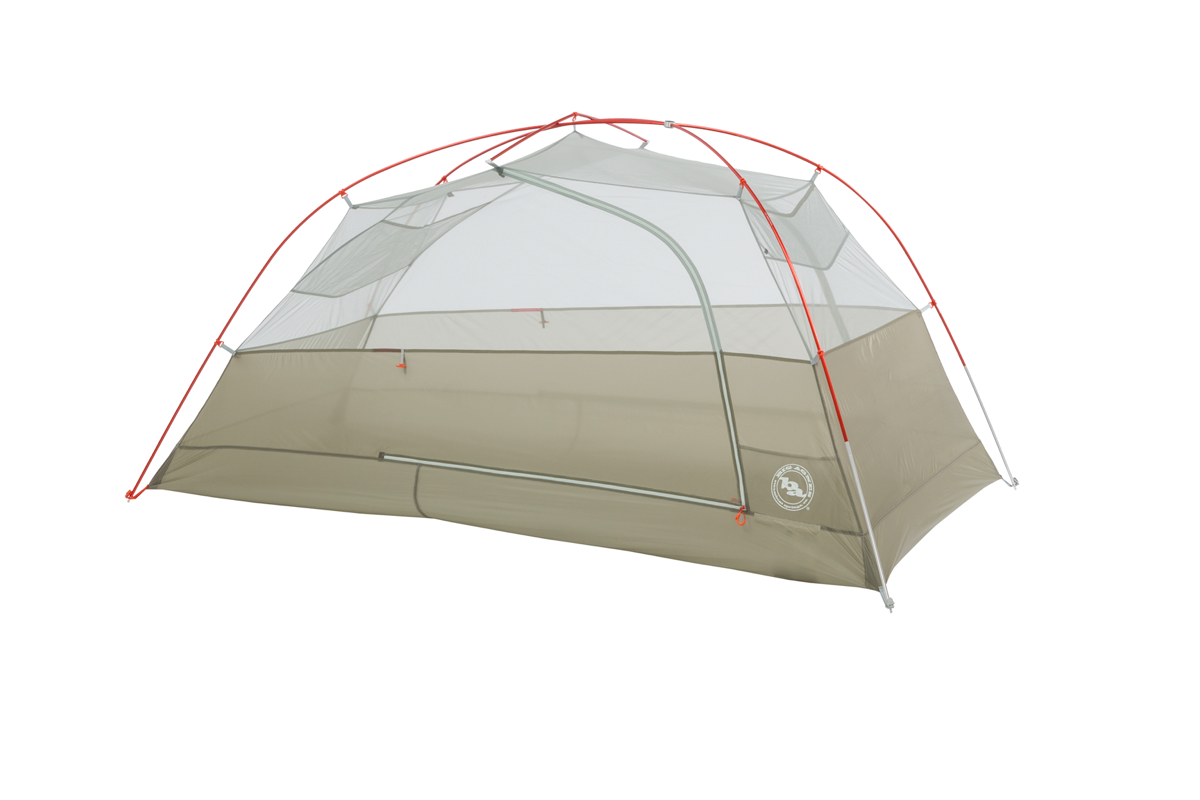
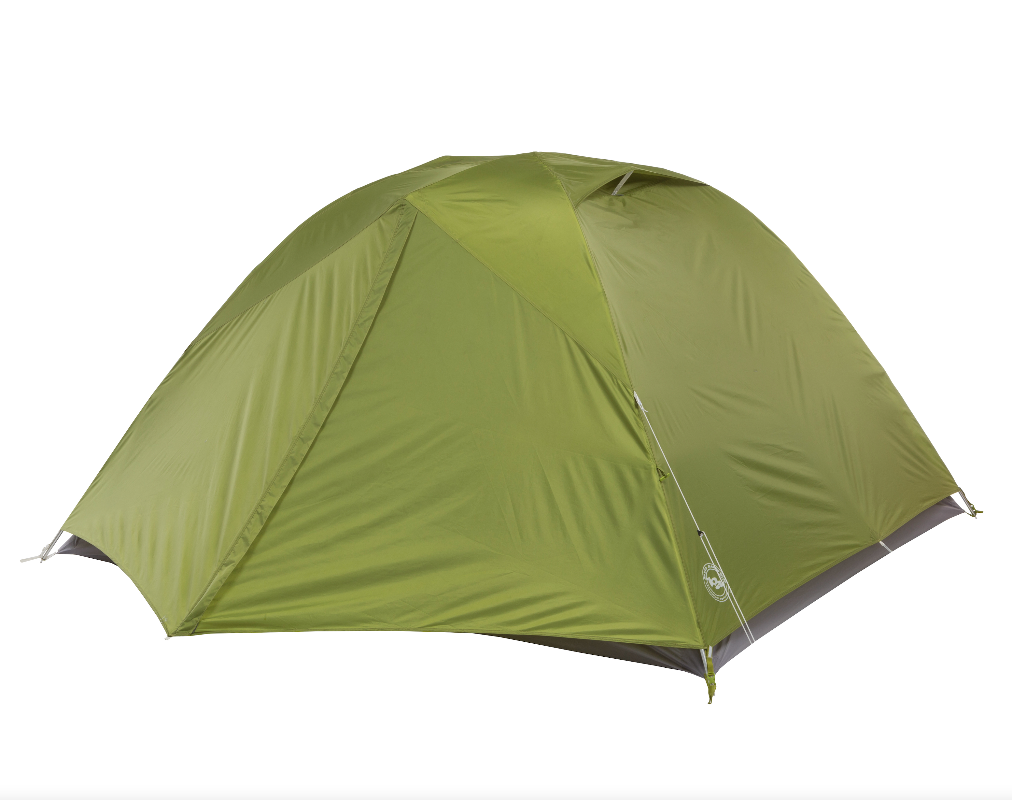
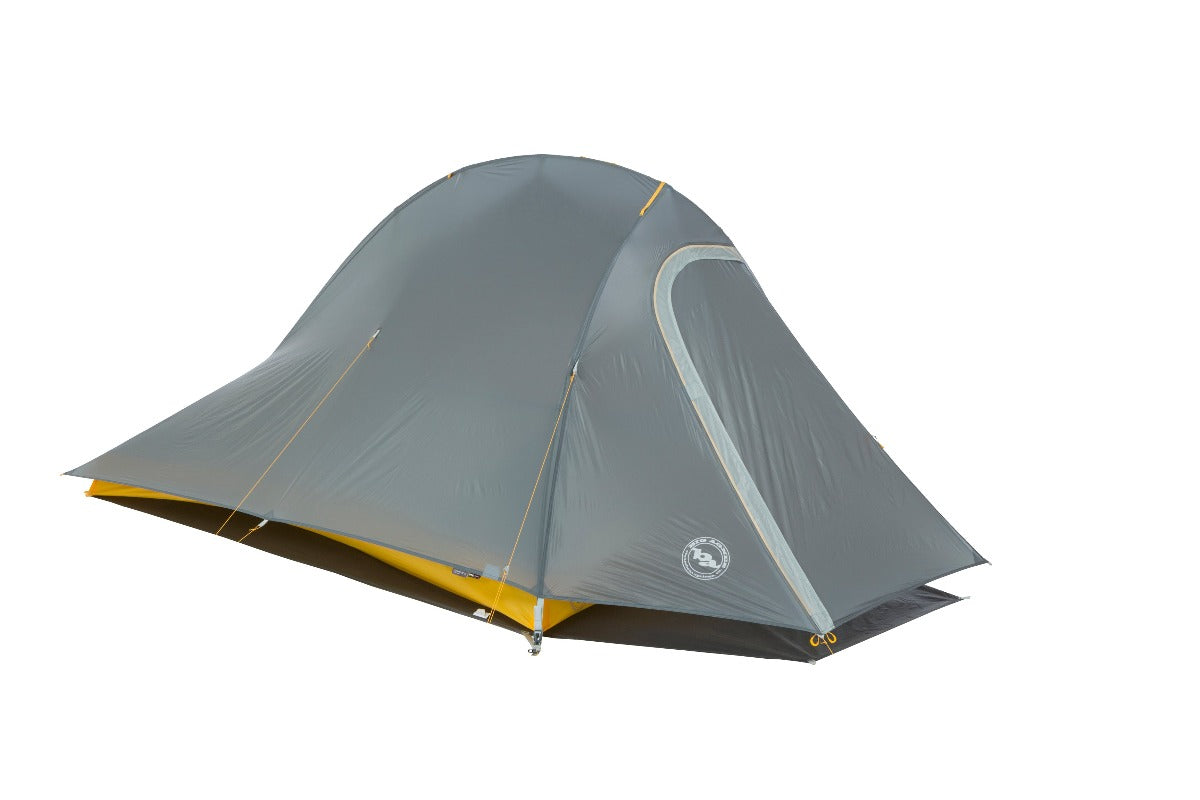
A 3-season tent, which is the most common type, is basically designed for summer, spring, and autumn. However, it can often be used in winter if you are in a place like Denmark, where it often doesn’t get very cold. These tents are typically lightweight, have good ventilation, and primarily protect you from insects, wind, and rain. Additionally, 3-season tents usually come with an inner tent and a rainfly. This provides great flexibility, as you can, for example, just use the inner tent when it’s warm and not raining or too windy.
4 seasons
Despite the name, a 4-season tent is best suited for winter use. They are designed for extreme weather and are therefore typically made from more durable materials that make them stronger. They can withstand strong winds and heavy snow. At the same time, they have ventilation systems that limit condensation. A 4-season tent is thus fantastic for winter camping and even certain alpine expeditions.
CONSTRUCTION/SHAPE
Tents come in many different shapes, as these have different advantages and are often different compromises between comfort and strength of the particular tent. Some types are best suited for car camping with the family in summer, while others are designed to withstand the extreme conditions found, for example, on Mount Everest. Here is an overview of some of the most common types of tent constructions, but there are many more out there.
Dome-shaped tents
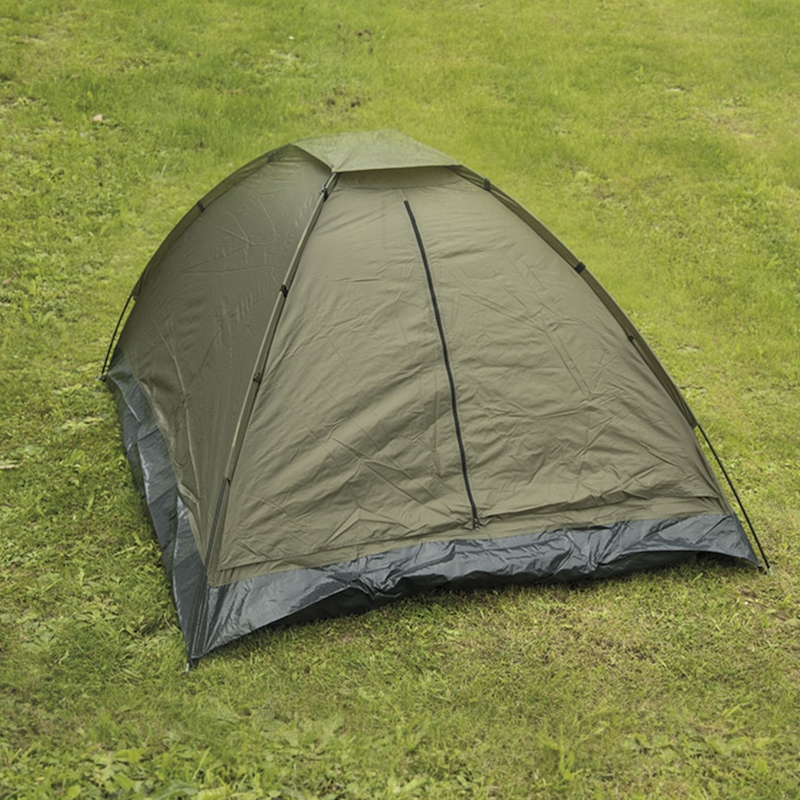
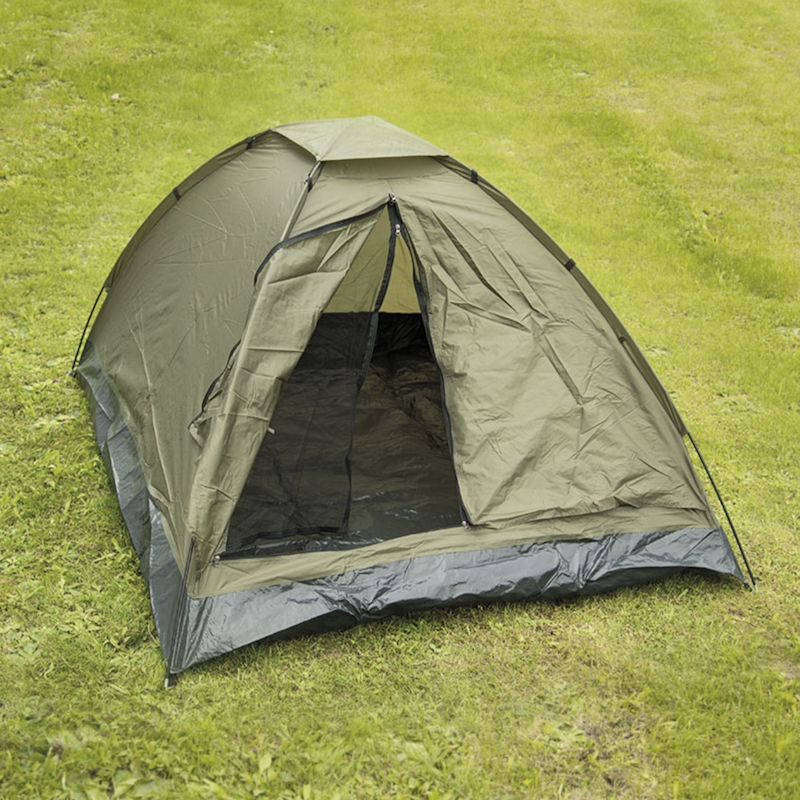
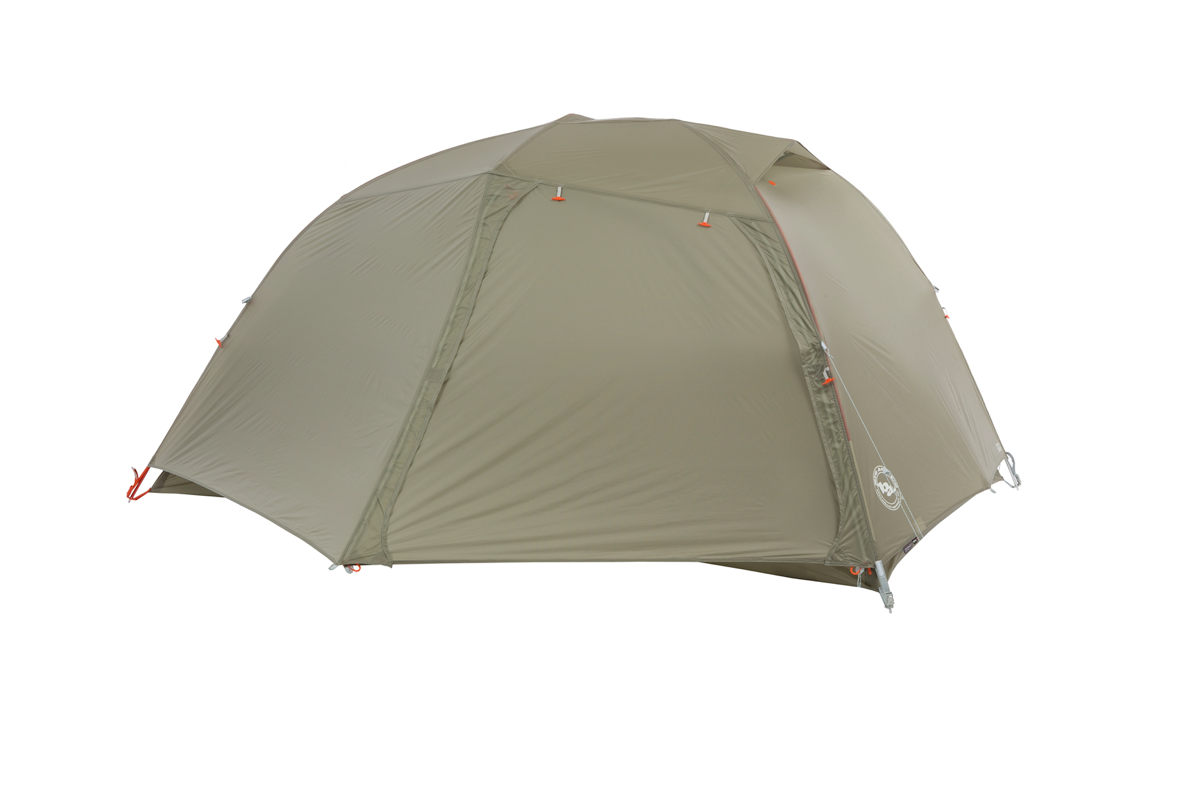
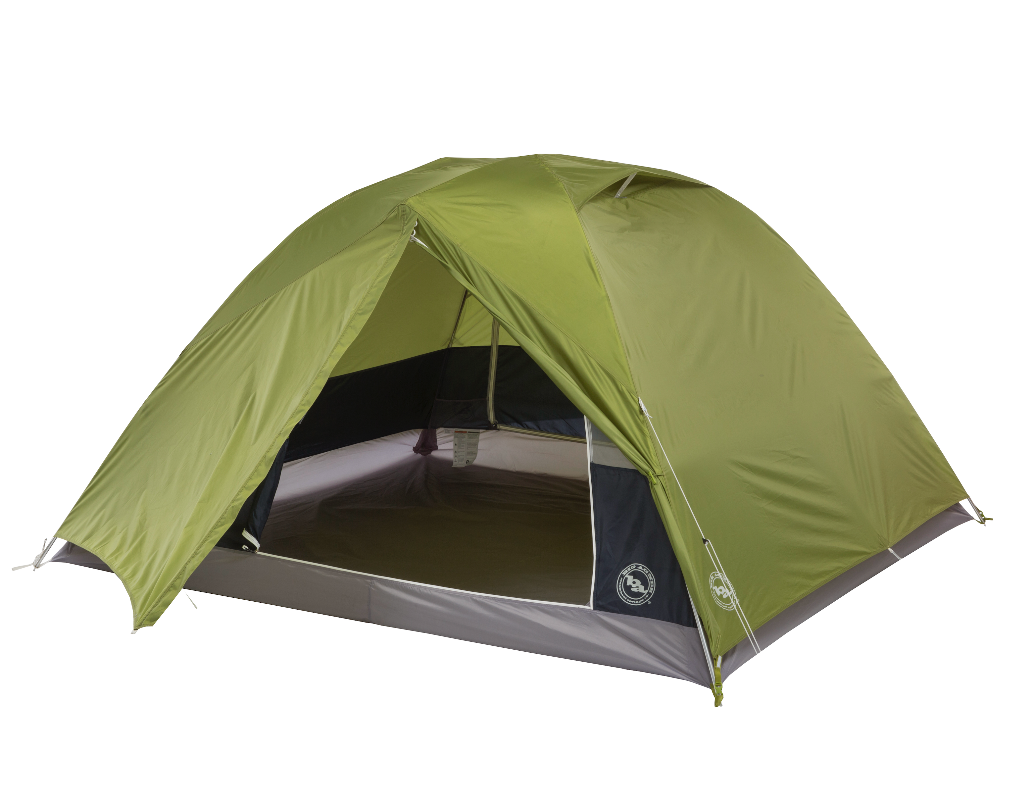
This type is often quite strong, as the tent poles cross each other in the middle. This makes the tent resistant to both wind and snow. This construction also means that the tents can often be set up without stakes (freestanding), so you can easily move it after it is pitched, or more easily pitch it on hard surfaces such as rocks. Dome tents for two or more people often have doors on both sides with vestibules, so you don’t have to climb over each other if you need to get out at night. The downside of this form is that they are only stable when relatively small, and that they don’t have much interior height.
Hiking tents
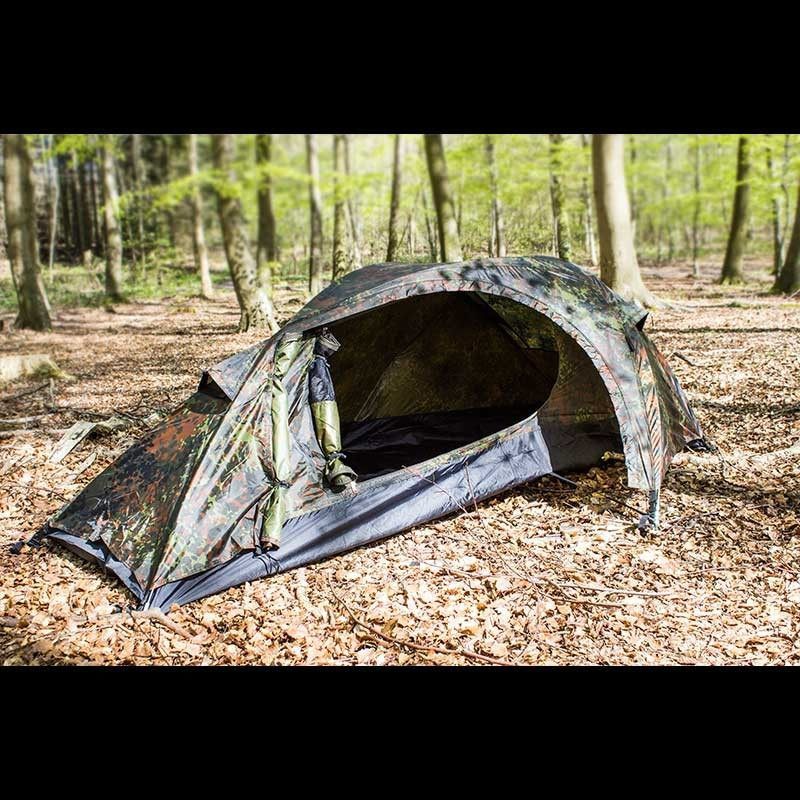
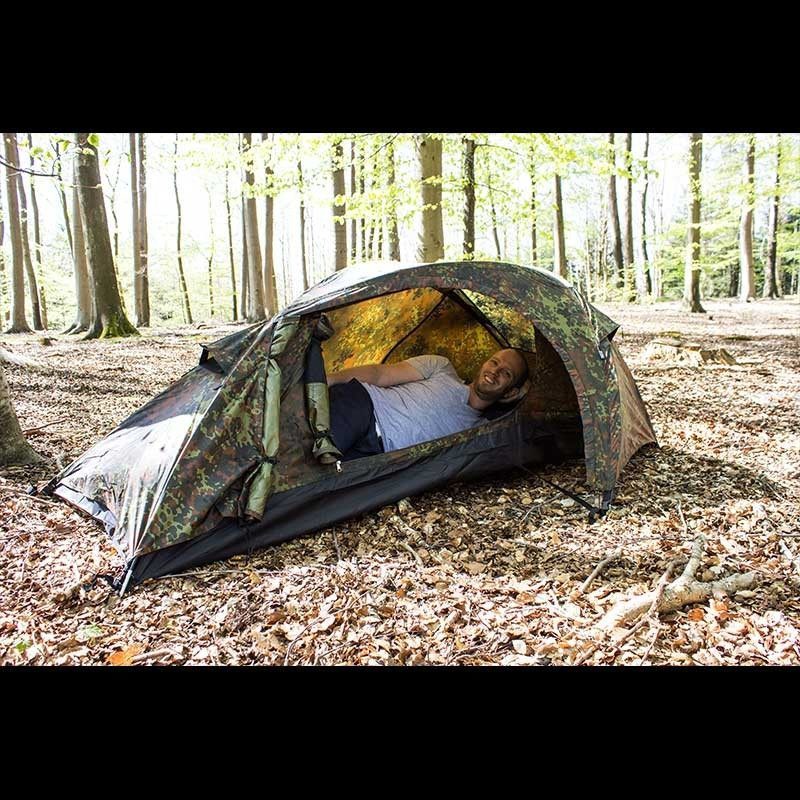
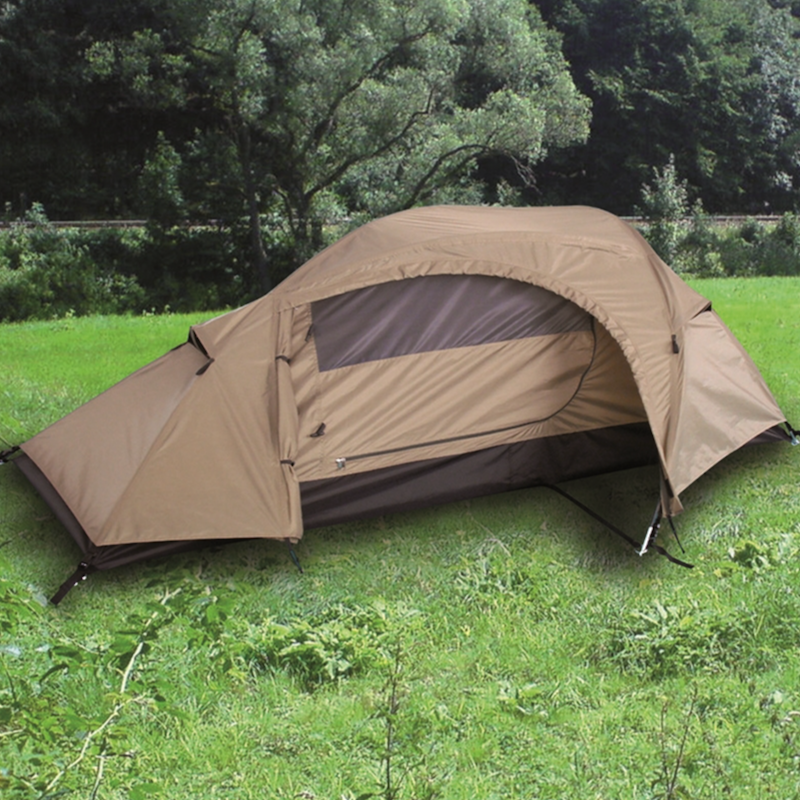
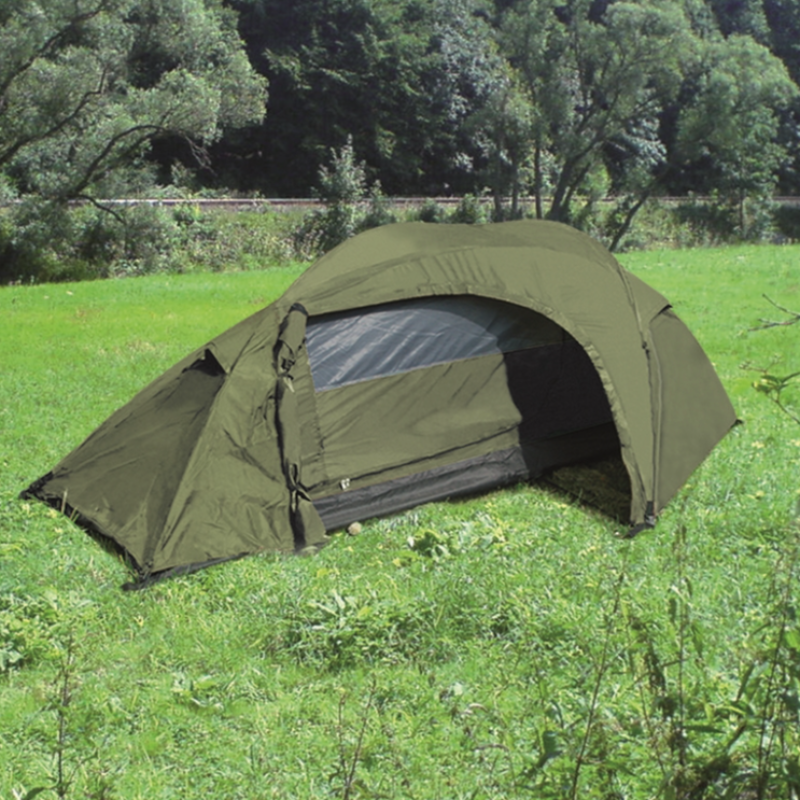
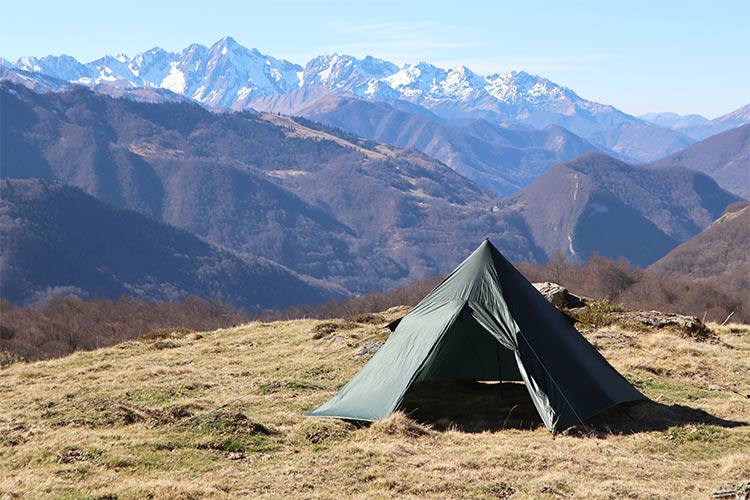
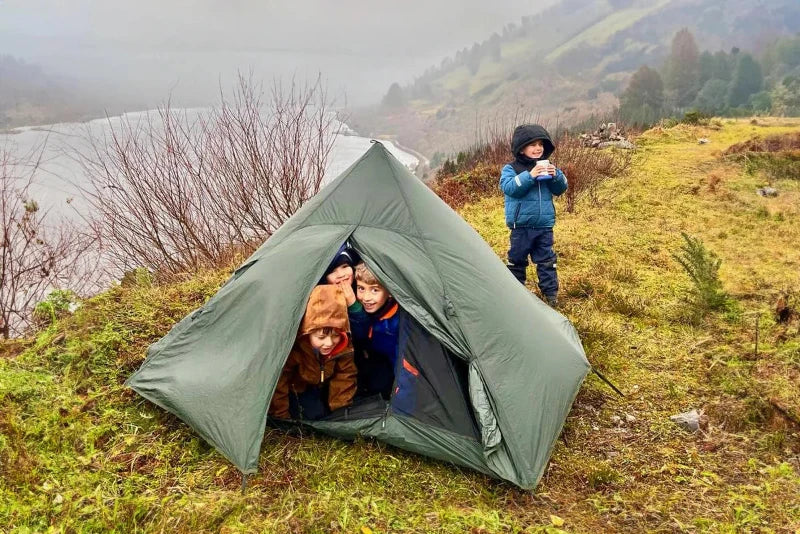
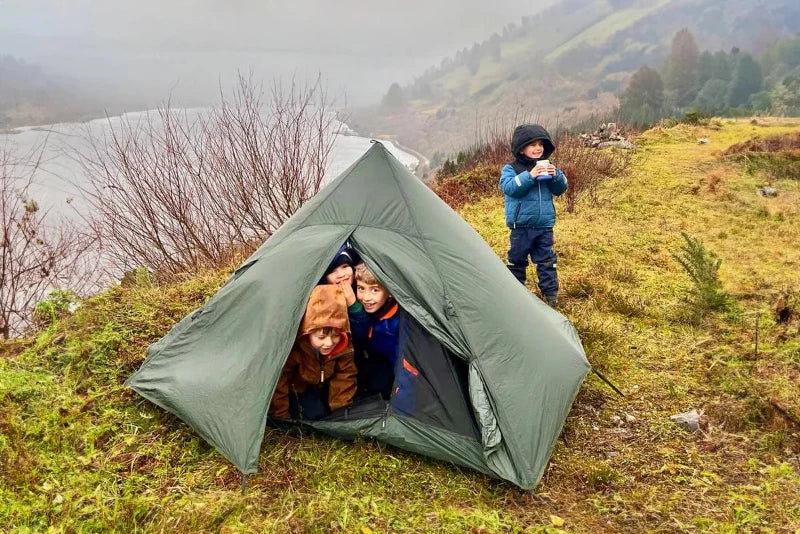
These are very similar to dome tents but are often designed to be lower, as this reduces weight and makes them more resistant to wind. Hiking tents are characterized by being incredibly light, easy to pitch, and very small. There is typically one or more vestibules with space for storing gear. Because they are often so small, many choose a hiking tent with room for one more person than they actually need, as otherwise it can get quite cramped. On the other hand, it is really nice to save on space and weight, especially if you have to carry the tent yourself. The downside of hiking tents is that they can be quite low inside.
Tunnel tents
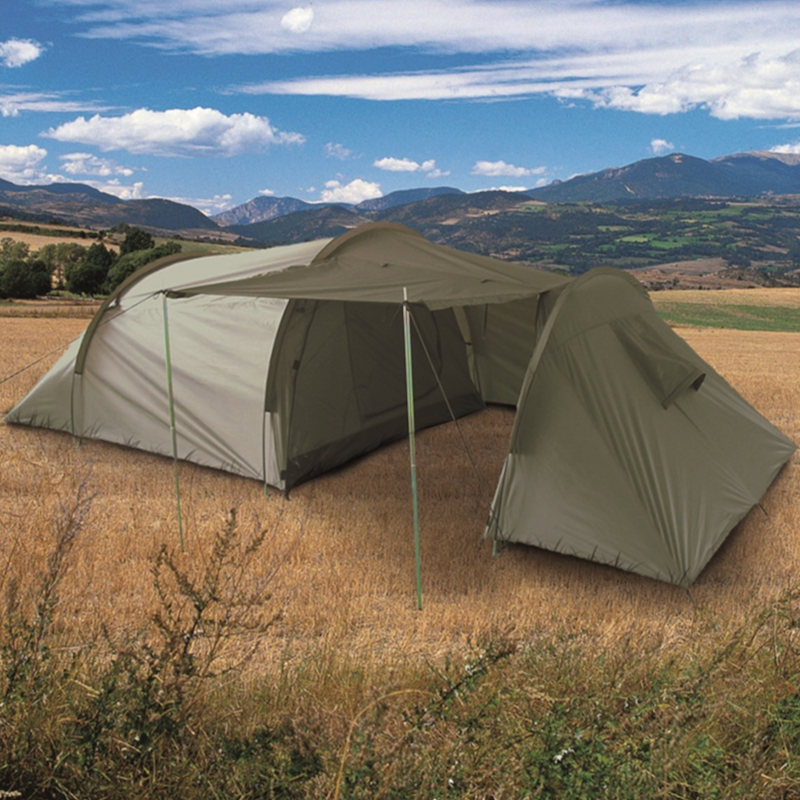
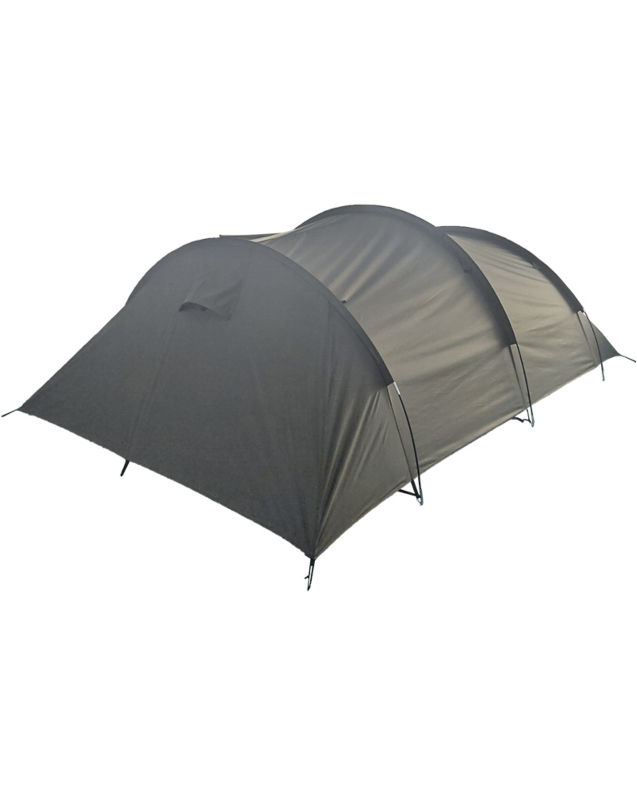
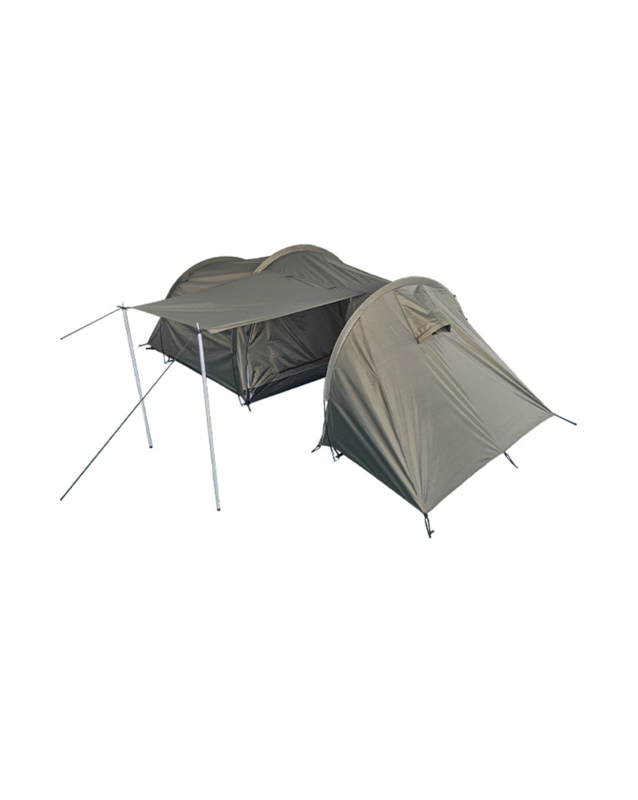
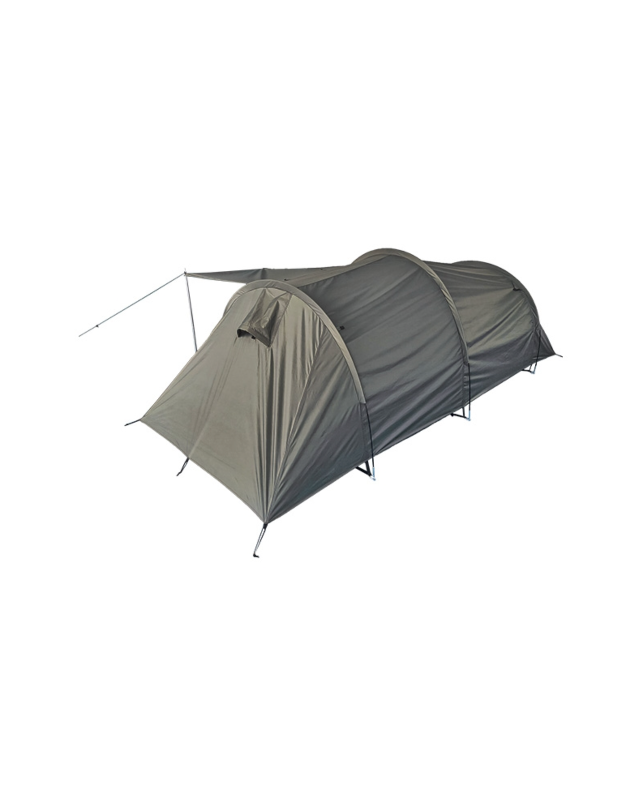
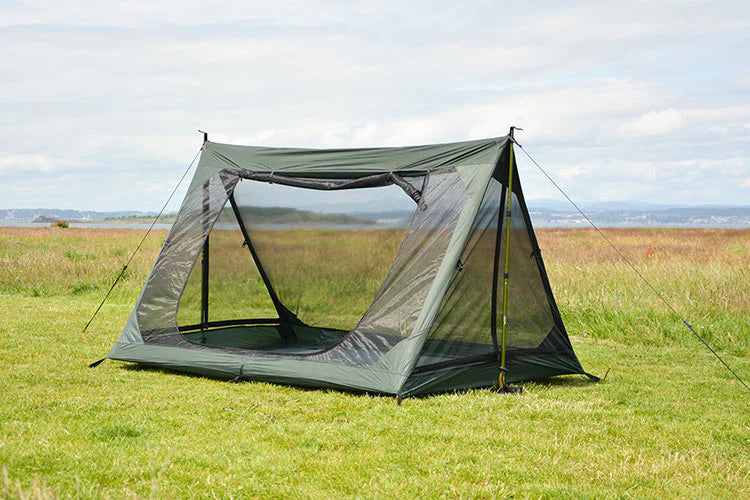
Tunnel tents are often more spacious and thus more comfortable than dome tents. If designed for outdoor life, they are often lightweight and easy to pitch. This makes them great for both hiking and car camping. They typically have a fairly roomy vestibule with plenty of space for storing gear, but there is often also room for staying inside, for example when it rains. However, this construction is not the best for withstanding strong winds.
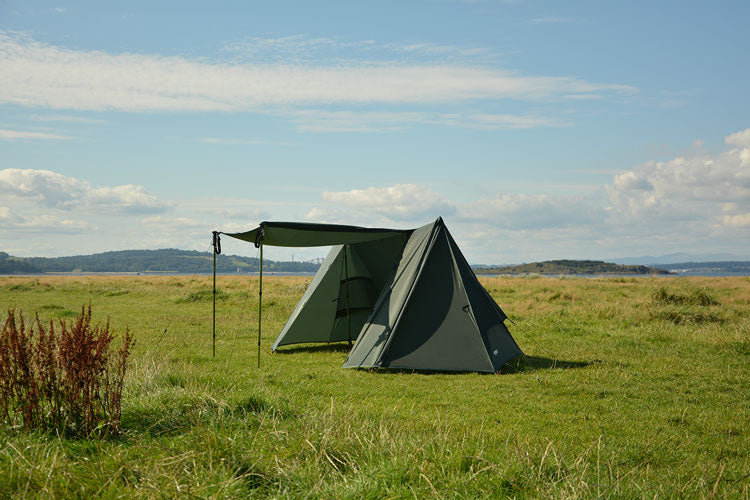
Tipi tents
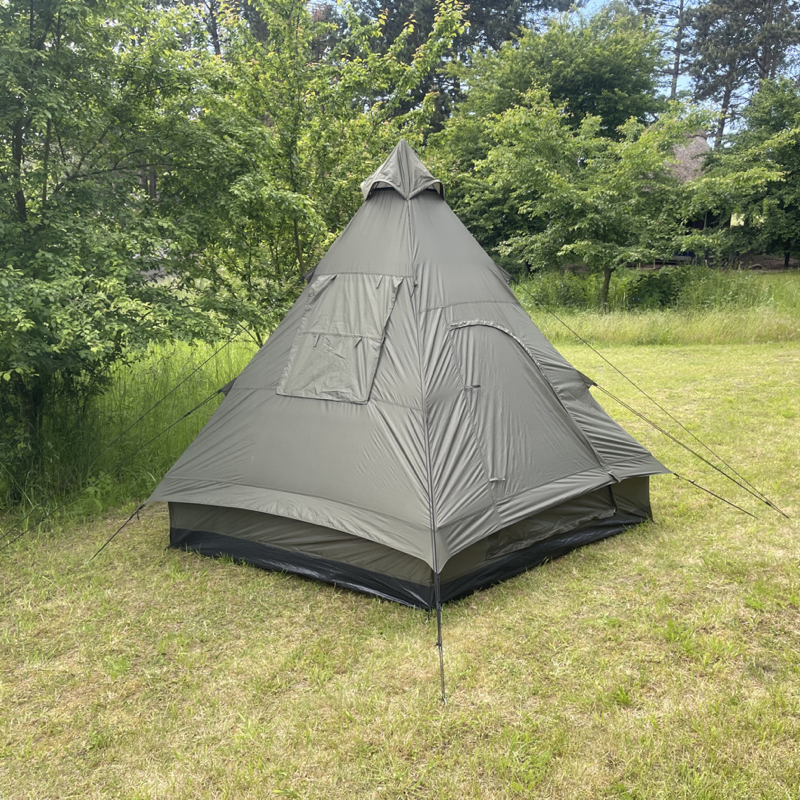
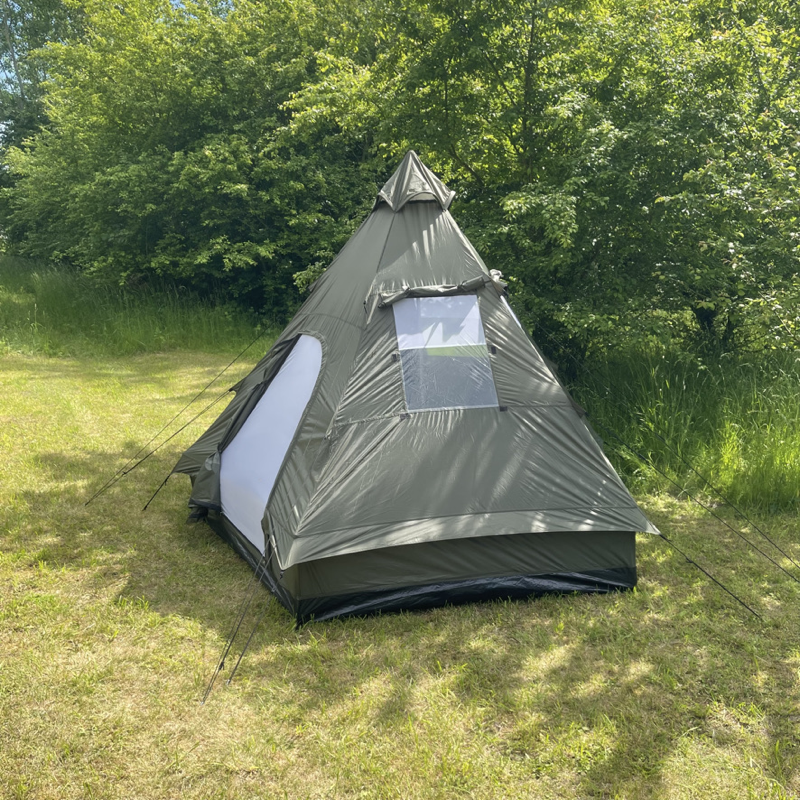
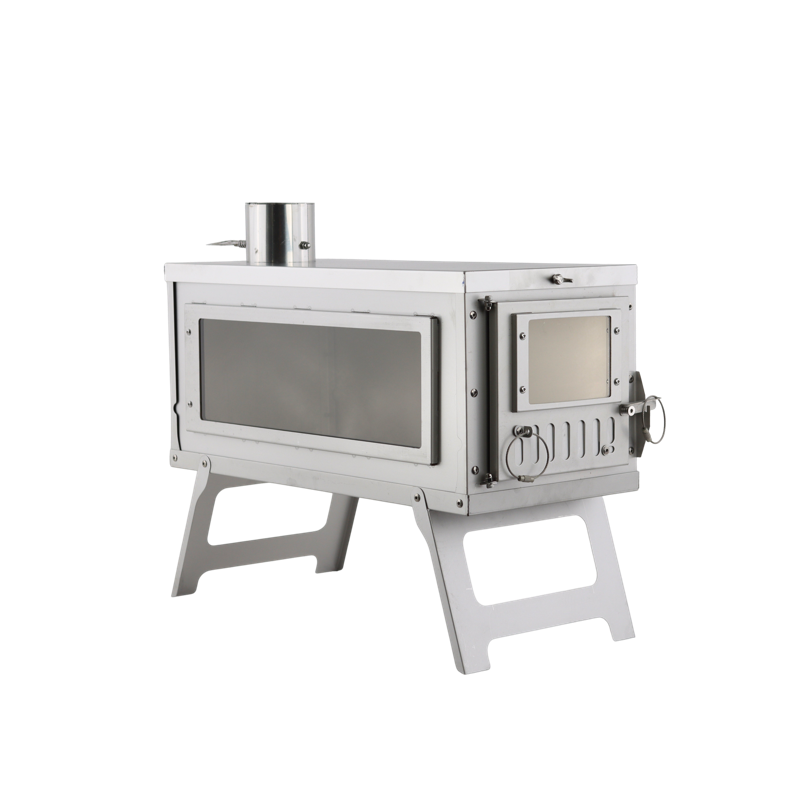
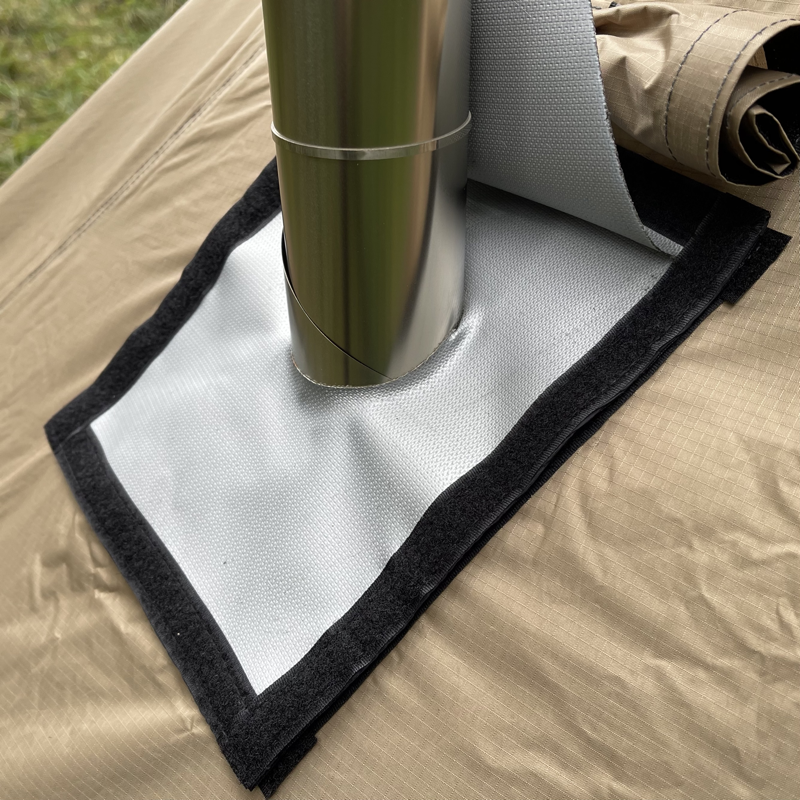
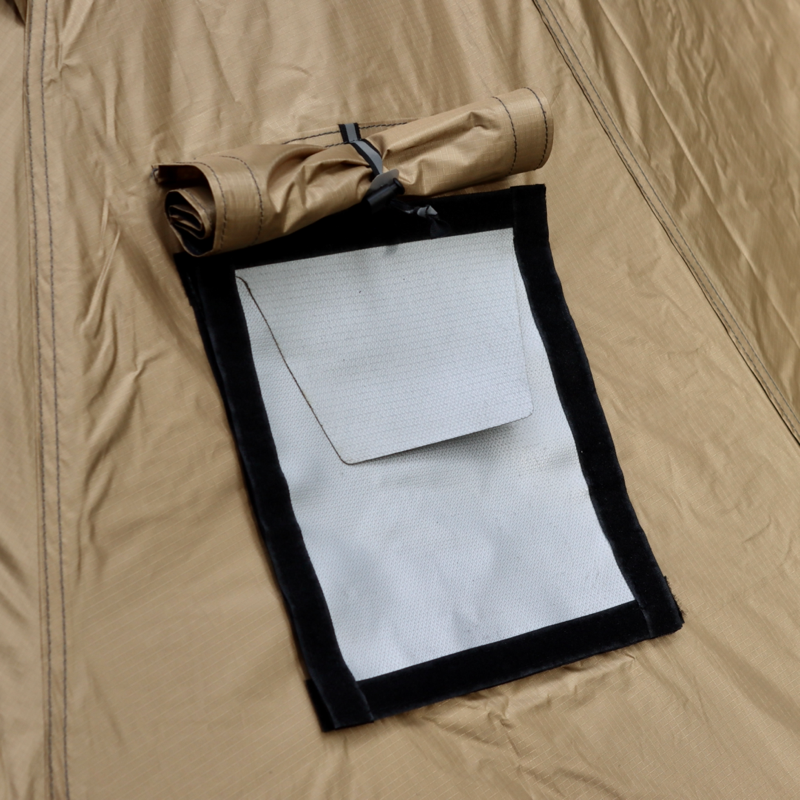
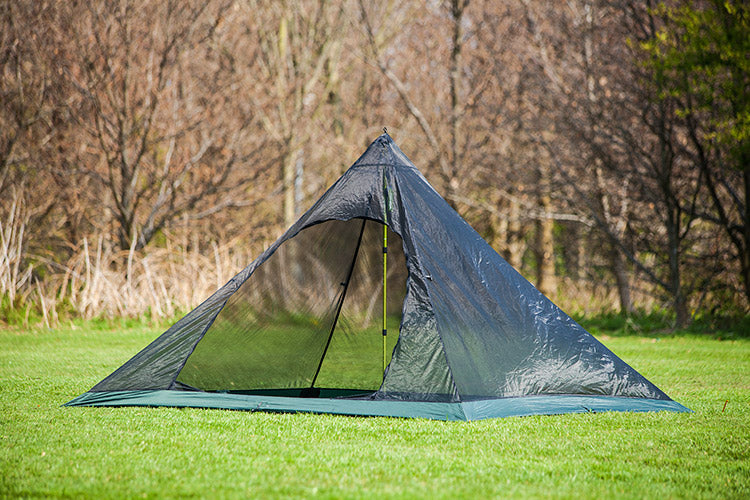
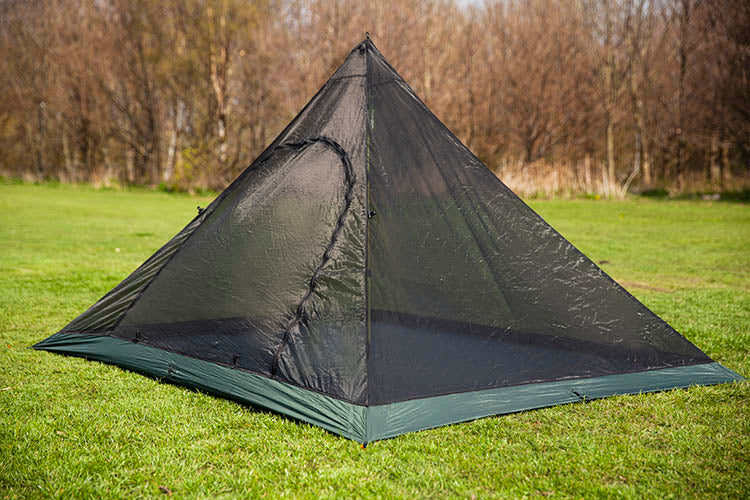
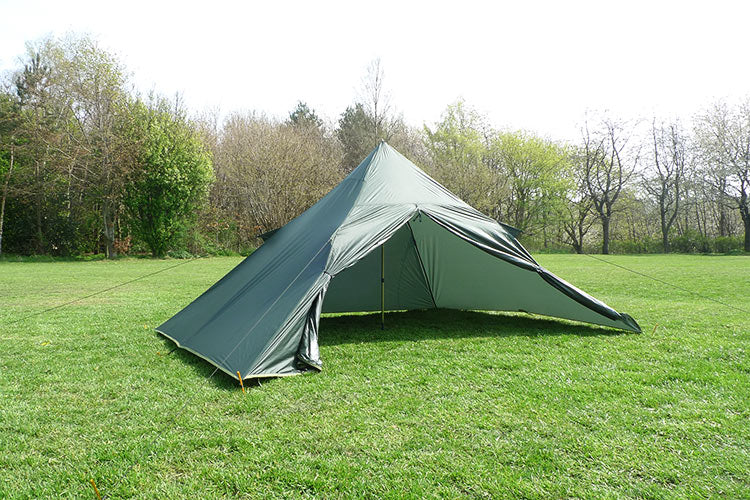
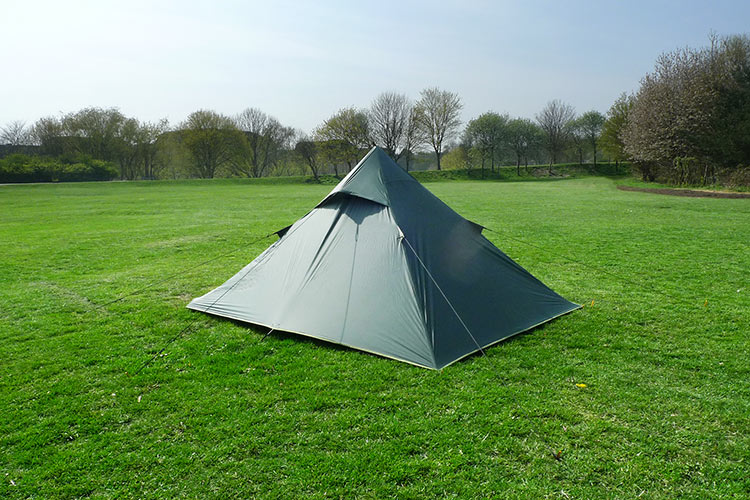
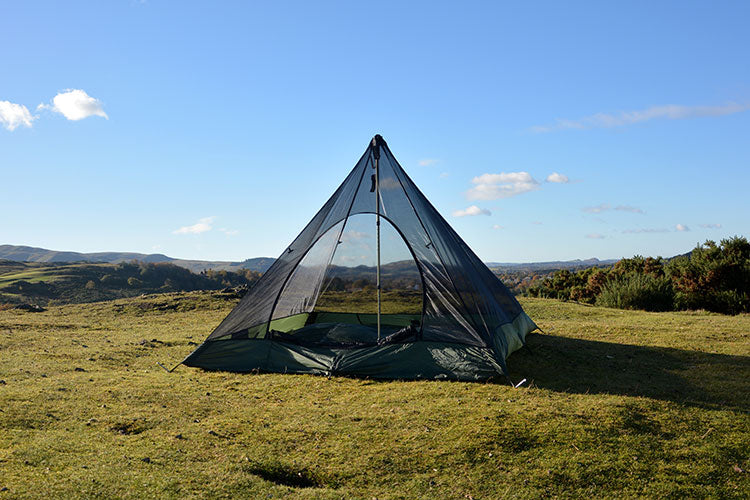
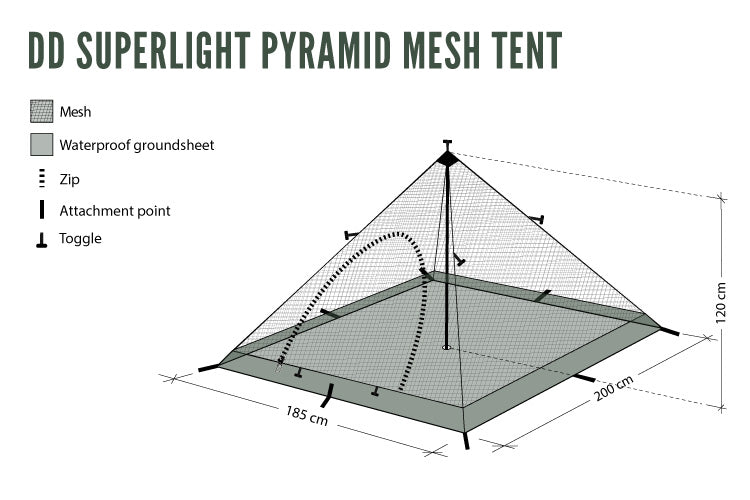
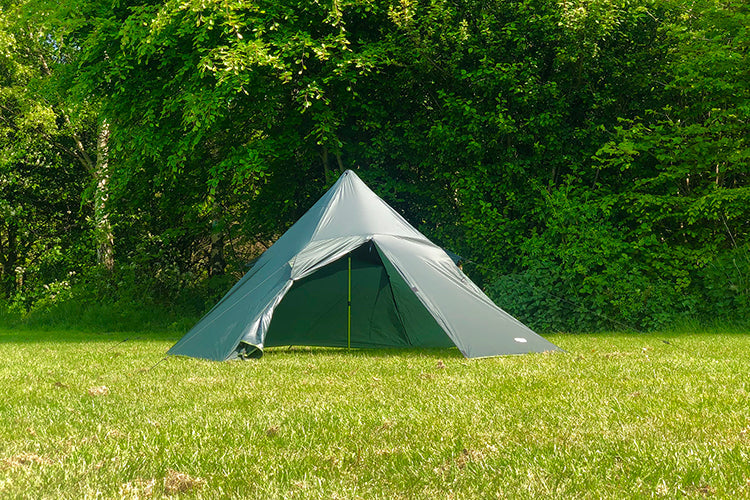
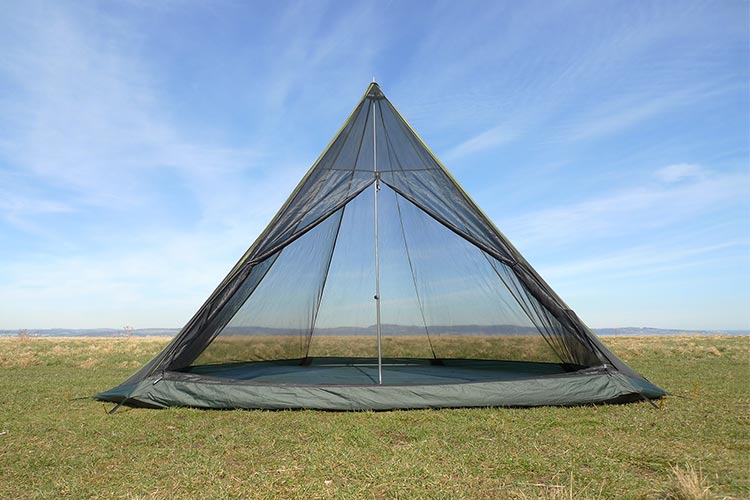
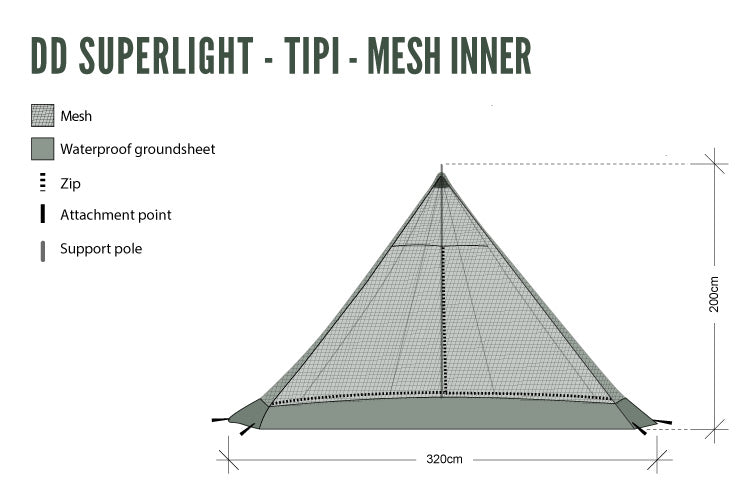
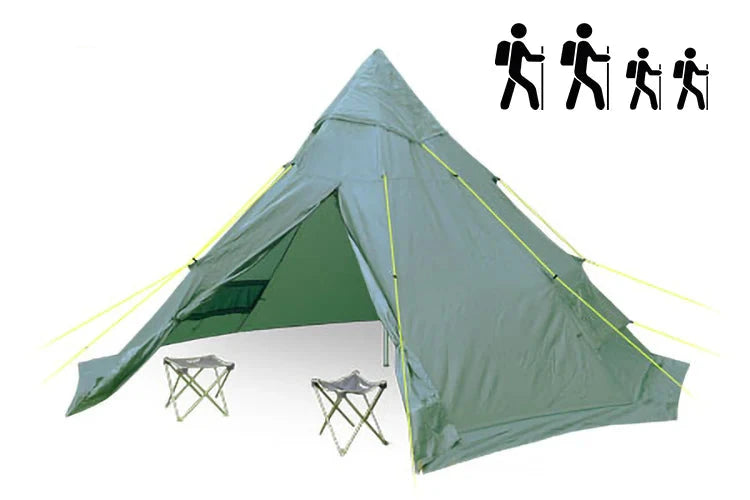
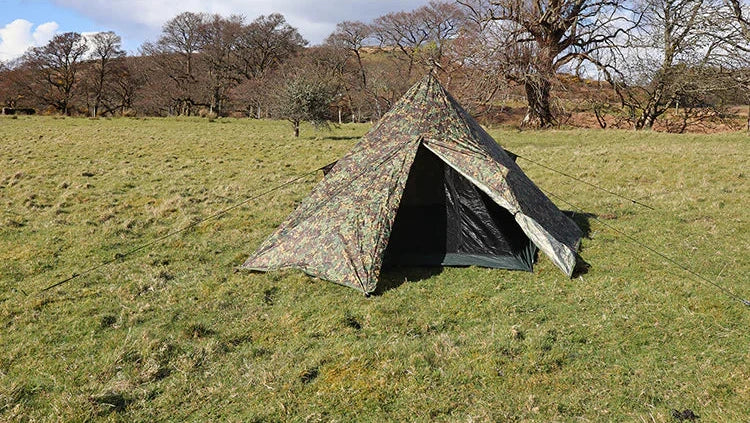
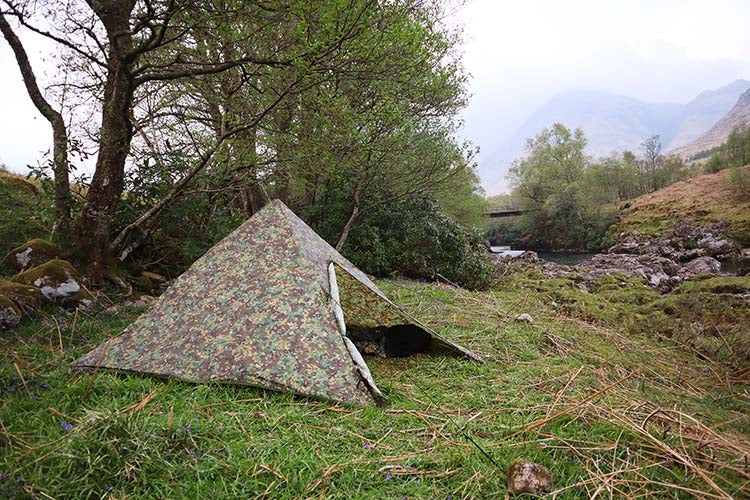
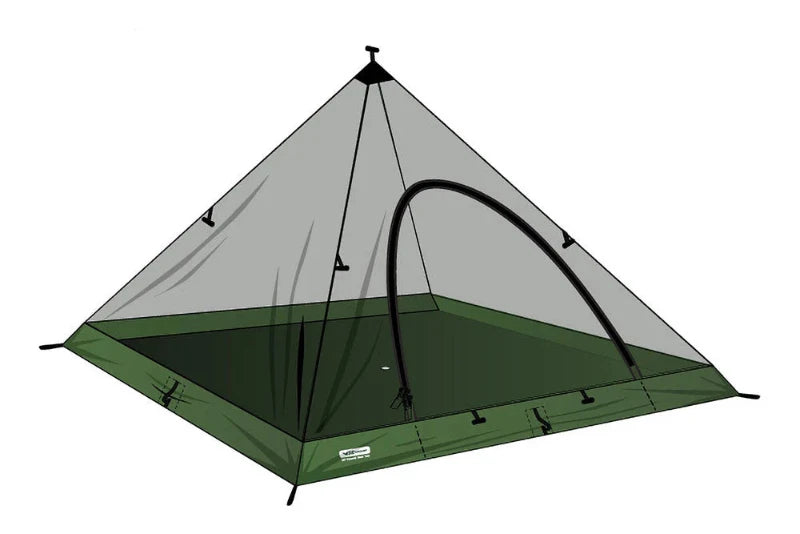
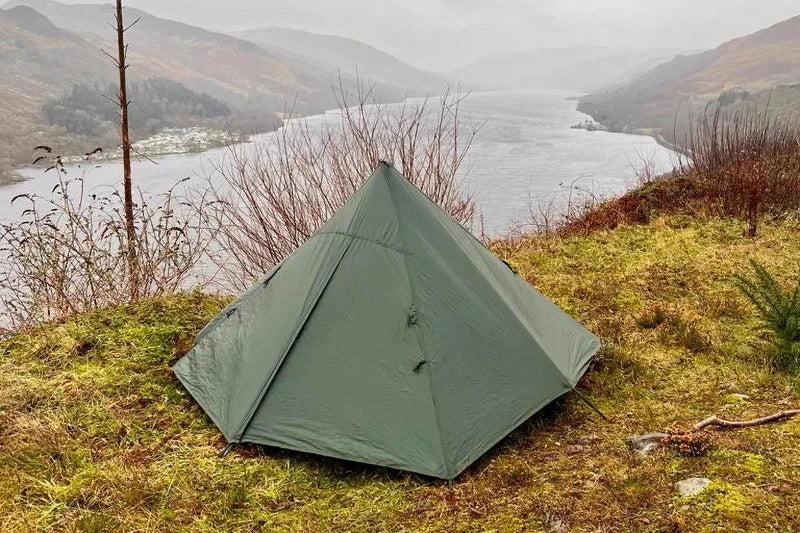
Also called pyramid tents or lavvu. Tipi tents are super popular in Denmark. They are so spacious that you can stand upright inside. You can even set up a wood stove in the middle and use the ventilation hole at the top of the tent as a chimney. A tipi tent also works really well as a "common room" if you are many people on a trip together. However, the downsides are that these tents are often very heavy and not always very protective against insects and wind.
Geodesic tents
This is a type of dome tent where several poles cross each other, making the tent so stable that it can withstand really extreme conditions. It is the strongest tent construction available. Therefore, you will often see this type of tent in base camps for large mountains. Geodesic tents often have a slightly larger vestibule than a dome tent, so it can be used for cooking on a gas stove. It is usually not recommended to have a fire inside your tent, not even in the vestibule, but on mountaineering expeditions it is often done anyway, as there are no other options. The downsides of this type of tent are that they are often very expensive, very heavy, and somewhat more difficult to pitch.
MATERIALS
A tent typically consists of an inner tent, rainfly, and poles, all naturally made from different materials with different properties. Here are the most common materials you will encounter, along with their advantages and limitations.
The tent itself
The most common materials used to make tents are nylon, polyester, and cotton (or a combination of these).
Nylon is a strong material that, compared to polyester, is more stretchable and can be woven to become very light, which makes it especially good for lightweight tents. Additionally, nylon is typically more resistant to mold, insects, and chemicals. It is also usually more durable.
Polyester is very strong and more resistant to heat and UV than nylon. Additionally, it dries somewhat faster but is also typically heavier.
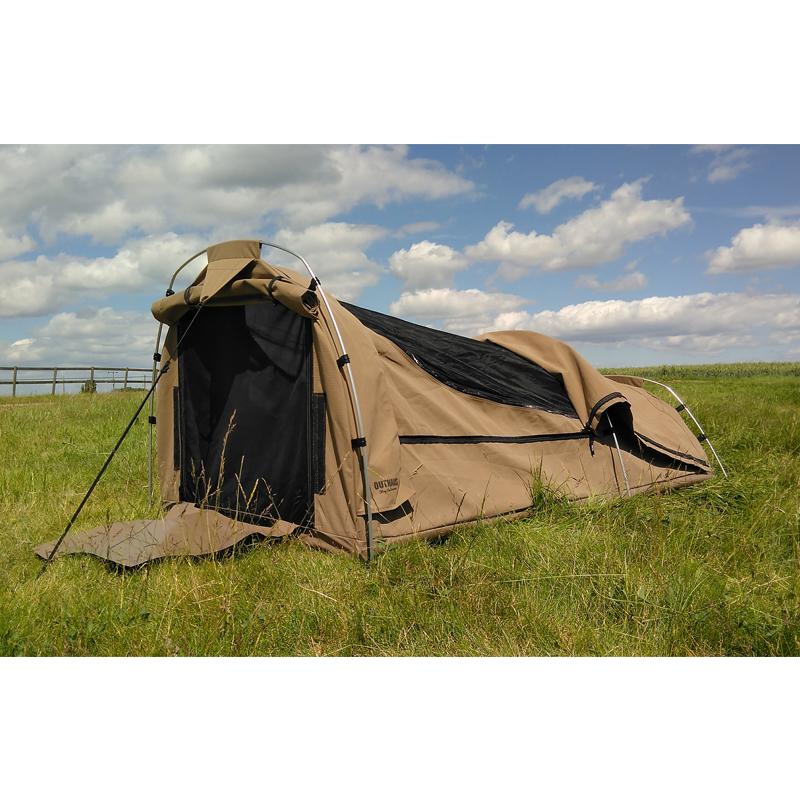
Cotton is a nice and soft material that has been used a lot for tents over time. Due to the material's breathability, it creates a better indoor climate as better ventilation reduces condensation. This also means that a cotton tent does not get as hot in the summer. It is important to remember to "water" your new cotton tent before using it for the first time, as it will only be completely waterproof after this. For example, you can pitch the cotton tent in the rain or rinse it with a hose before using it for the first time.
Coating
Besides the material the tent is made of, it is often also treated with a coating. This helps keep water out while making the tent more durable. The most common types of coating are polyurethane (PU) and silicone (SI). PU is the most economical solution, but because it sits on the outside of the fabric, it can wear off over time, for example if the tent is packed away while still wet. SI, on the other hand, penetrates the fabric, which means it cannot wear off. At the same time, SI makes the fabric more elastic, strong, and water-repellent, so it also dries quickly. Some tents are instead treated with polyvinyl chloride (PVC), which makes them extra strong and very waterproof, but it also adds weight and increases the risk of condensation.
Tent poles
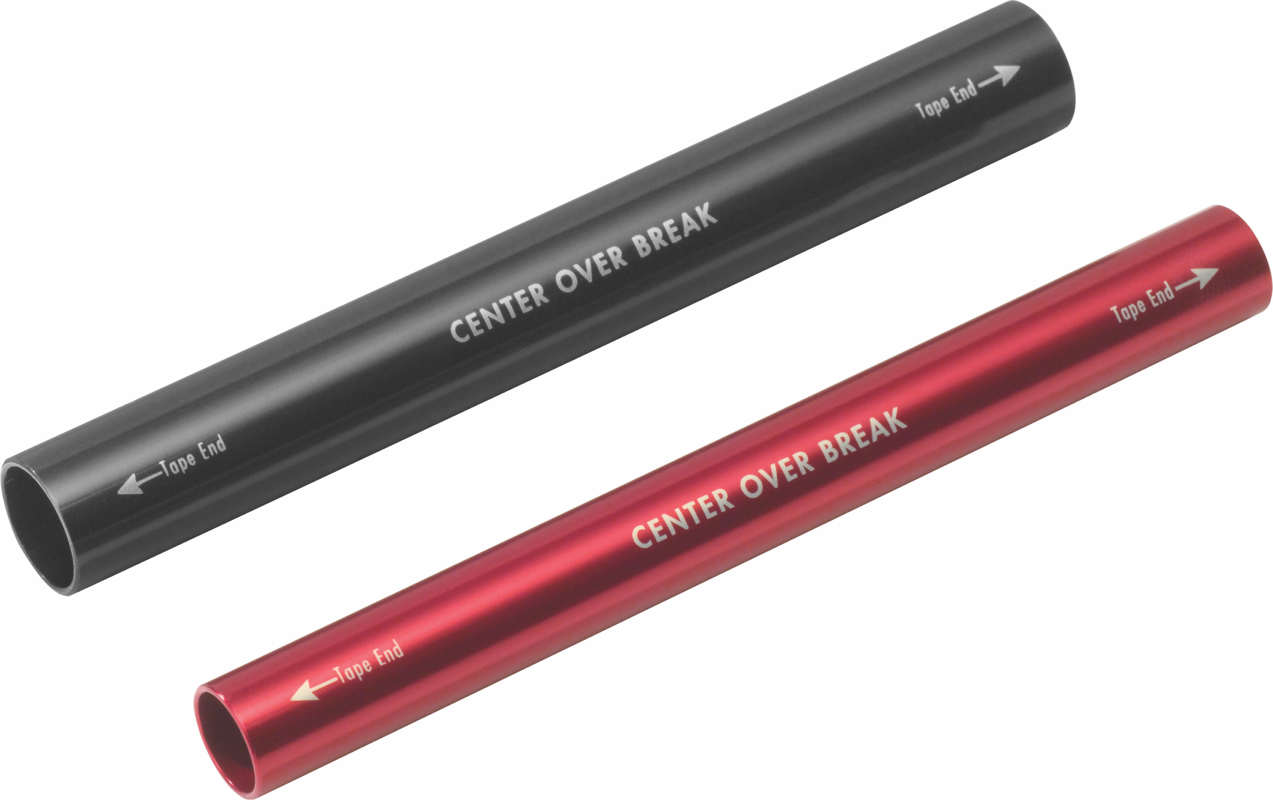
It is also relevant to look at what material the tent poles are made of, as these constitute an important part of the tent's structural integrity. Often, you have to compromise between the poles' strength, weight, and price. Fiberglass tent poles are usually the cheapest you can find. They don't weigh much but are also more prone to breaking. However, they can last a long time if you take good care of them. Aluminum poles are very strong relative to their weight. They are generally very light and do not break as easily. They are often used for lightweight hiking tents. Carbon fiber has the same properties as aluminum but is slightly lighter. They are also somewhat more expensive. Steel tent poles are probably the strongest and most reliable type. The downside of steel poles is that they are both bulky and heavy, so they are best suited for car camping, for example. A newer option is air tent poles. These are a kind of tube built into the tent that needs to be inflated. This type is typically quite expensive and mostly found in large family tents.
WATERPROOFING AND VENTILATION
Most people want their tent to be waterproof. However, it is not always straightforward to assess how waterproof a tent actually is, as several of the measurements given do not have a standardized definition for how they should be measured across different manufacturers. Therefore, you have to consider several factors, such as the tent’s materials, surface treatment, water column pressure, seams, and how well the tent is ventilated.
Water column pressure
Water column pressure indicates how many millimeters of water a square meter of material can withstand. As a rule of thumb, it is waterproof when the water column pressure is around 1500-2000 mm or more. A groundsheet should preferably have a somewhat higher value, as it must withstand water when pressed against wet ground. However, the way water column pressure is measured varies, and there are some things to be aware of when looking at these values. A tent with low water column pressure but a high-quality coating will remain waterproof longer. Conversely, a tent treated only with low-quality PU will quickly stop being waterproof as its coating wears off quickly, but it can still have a very high water column pressure. Therefore, it is important to look at water column pressure together with the tent’s materials to get a better idea of how waterproof it actually is.
cannot be taped and are instead sewn in a specific way. If the seams on your tent become worn, you can also apply new tape yourself to provide extra waterproofing or to protect against wear.
Condensation and ventilation
A tent can also get wet inside. The moisture often comes from breath and a damp ground surface. You can reduce condensation in your tent by using a groundsheet that separates the tent from the damp ground. Additionally, it is important to ensure good ventilation in the tent.
TENT CARE
Good tents are very durable and can last for many years. However, this only applies if you also maintain your tent. Therefore, we have provided some good tent care tips below that will extend its lifespan.
Do not pack a wet tent
Always make sure your tent is completely dry before packing it down. This is necessary to avoid mold and to prevent any PU coating from breaking down. If you have to pack a wet tent anyway, make sure to dry it as quickly as possible. You can dry your tent at home by setting it up in the garden or hanging it over a drying rack. Also, make sure to store it loosely at home and not compressed, as this ensures it gets more air, which extends its lifespan.
Clean the tent
Occasionally, you should wash your tent by hand with water and possibly mild soap (read the instructions for your tent as this can vary). Dirt and grime wear down the tent’s materials, so it lasts longer if it is cleaned.
Take care of the zippers
Zippers are often the first to break and need repair, but there are a few things you can do yourself to take better care of them. First and foremost, it is a good idea to be patient when using the zippers so they don’t wear out or get stuck. If dirt accumulates in the zippers, you can clean them with a small brush and possibly water and mild soap. You can even apply wax to your zippers for even better durability.
Use a tent footprint
It is much easier and cheaper to replace a tent footprint than a tent floor. A tent footprint helps protect the bottom of your tent from wearing down and also provides extra protection against water from below. Additionally, you can remove sharp stones, twigs, and similar from the spot where you want to pitch the tent, so they don’t damage it.
OTHER
These things are not necessarily the most important to consider, but they can contribute to a slightly better trip, and if the choice of tent ends up being a matter of details, it can be practical to consider them.
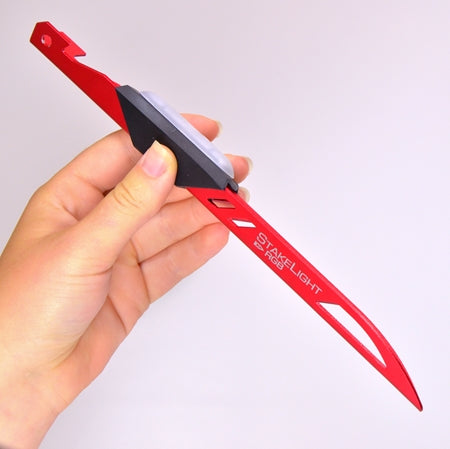
Consider if you need extra stakes
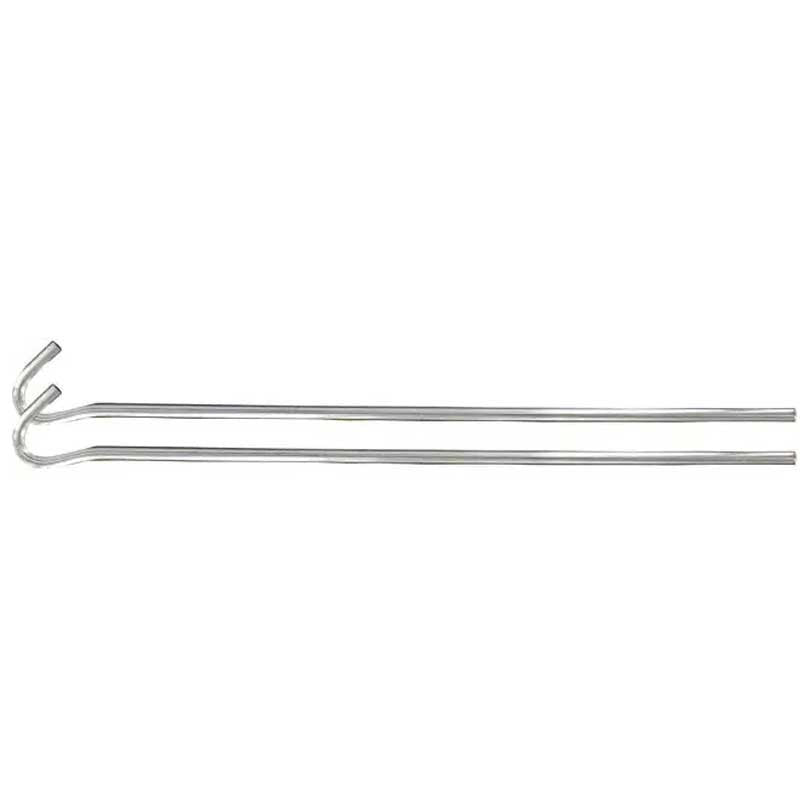
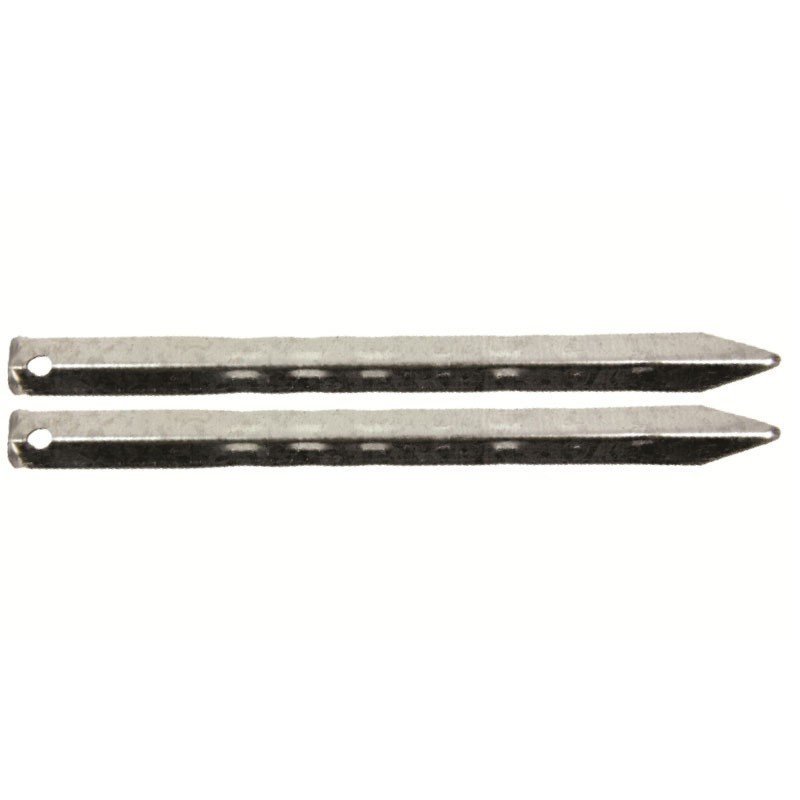
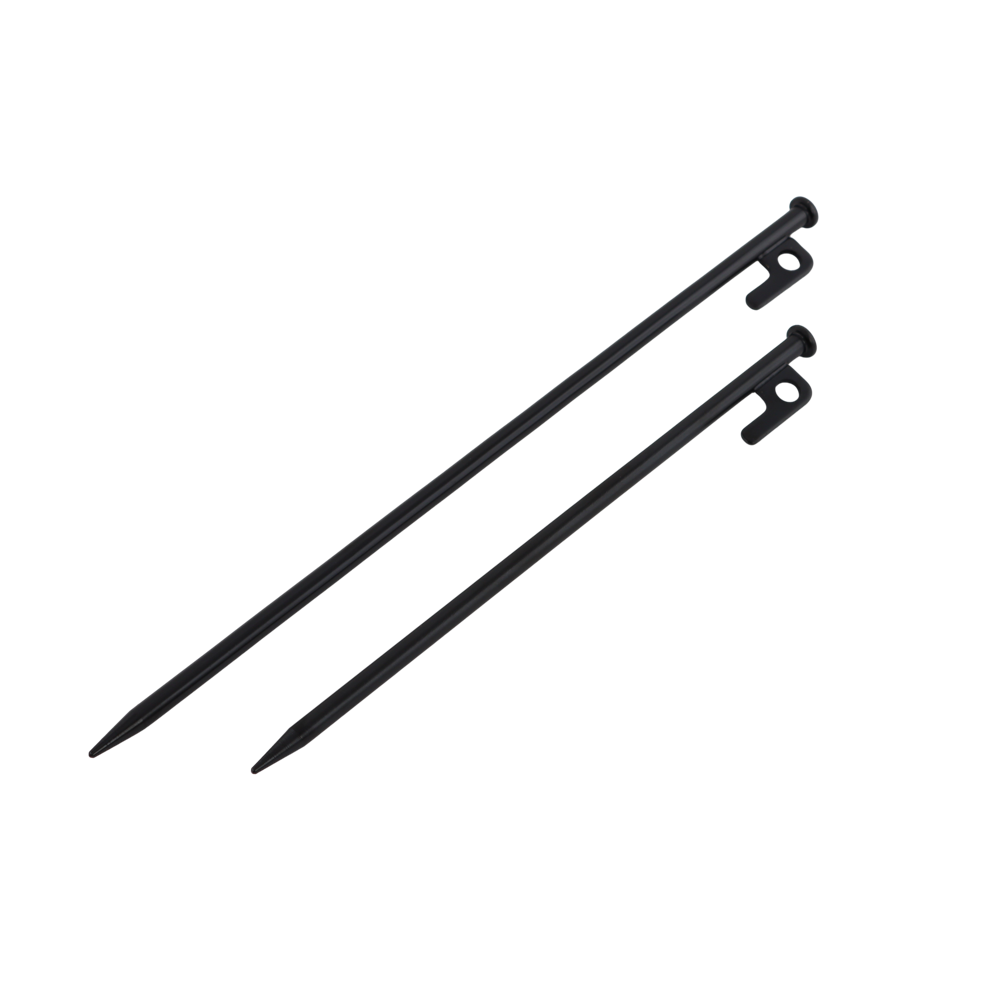
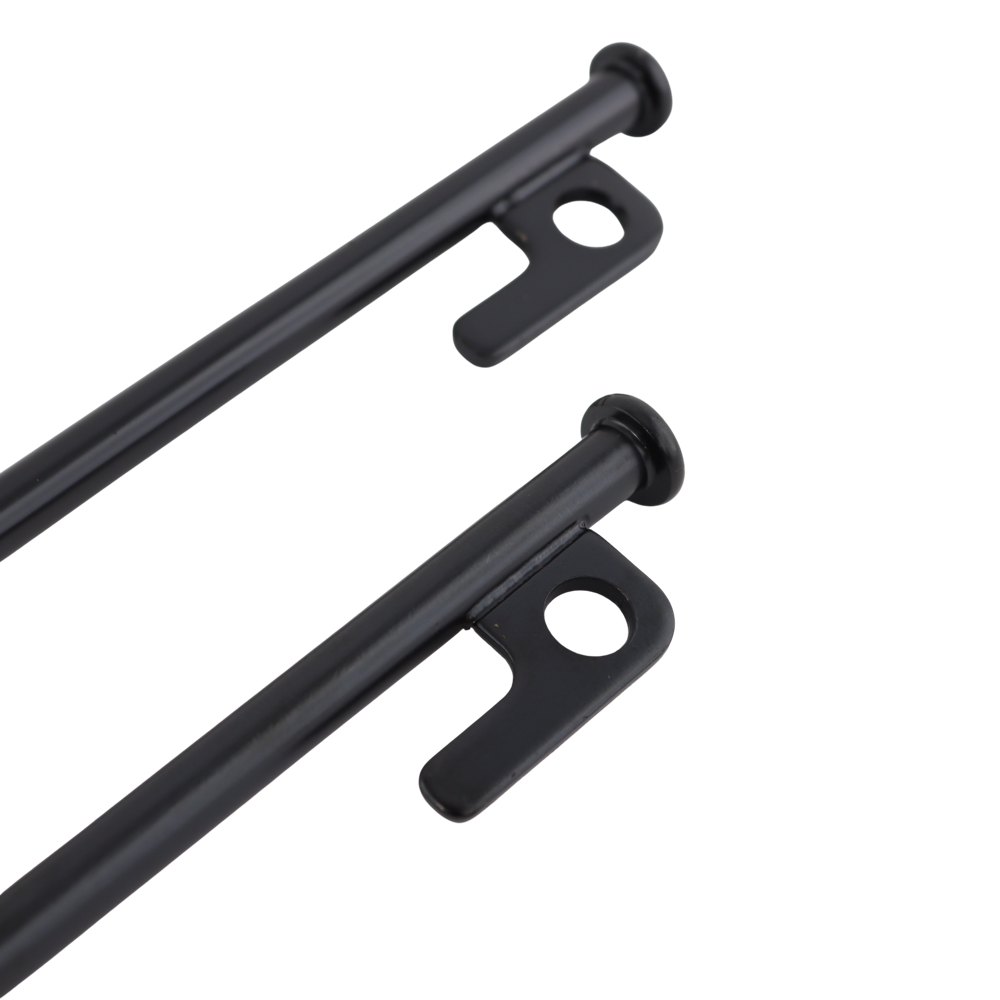
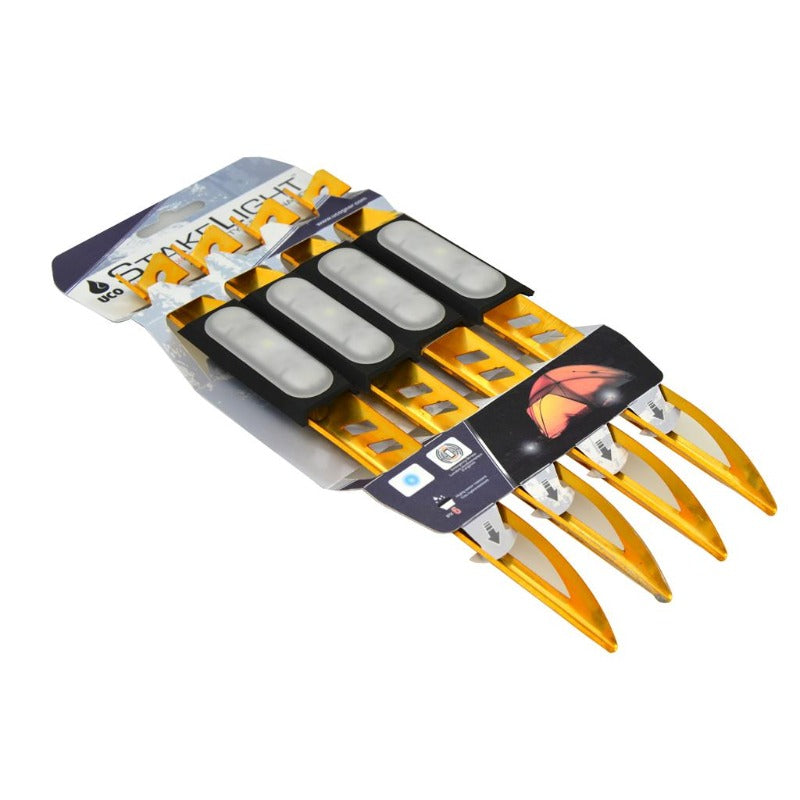
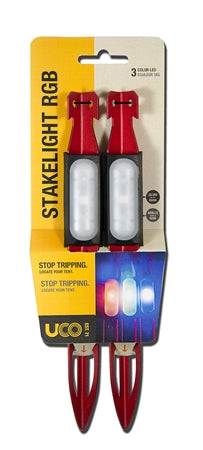
When you buy a tent, stakes usually come with it. However, they are often just a standard type that works fine for most soil types. But if you know, for example, that you will use the tent in sand or gravel, you should consider whether you also need stakes that are better suited for those soil types.
Vestibule
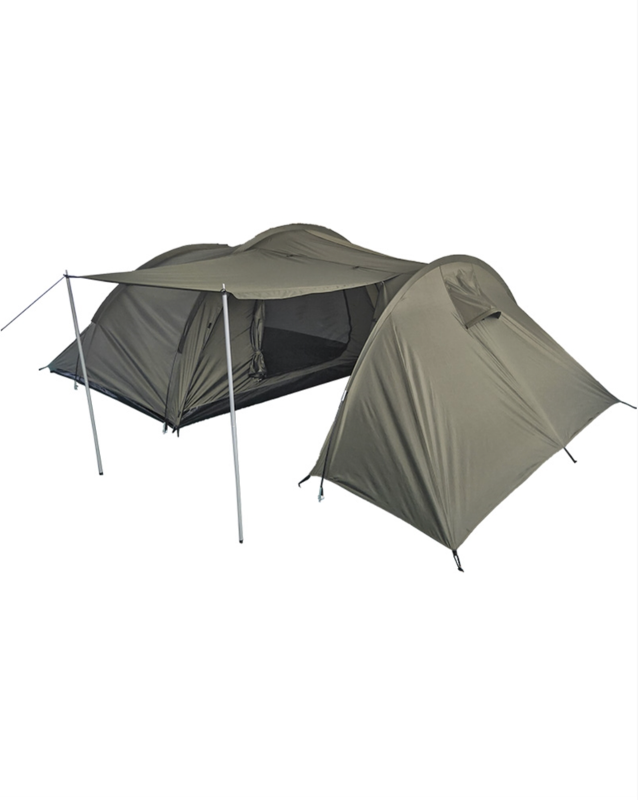
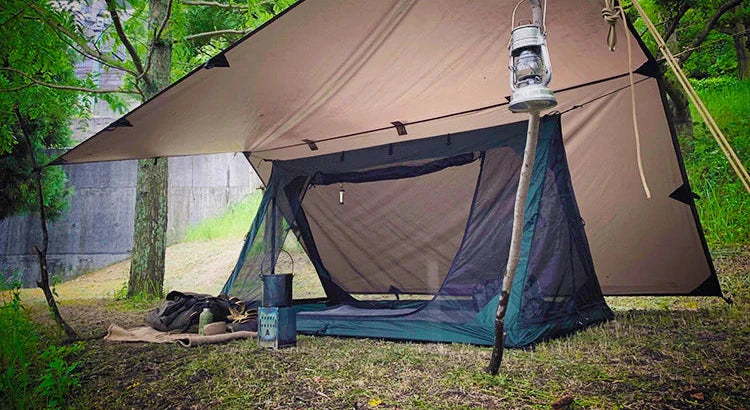
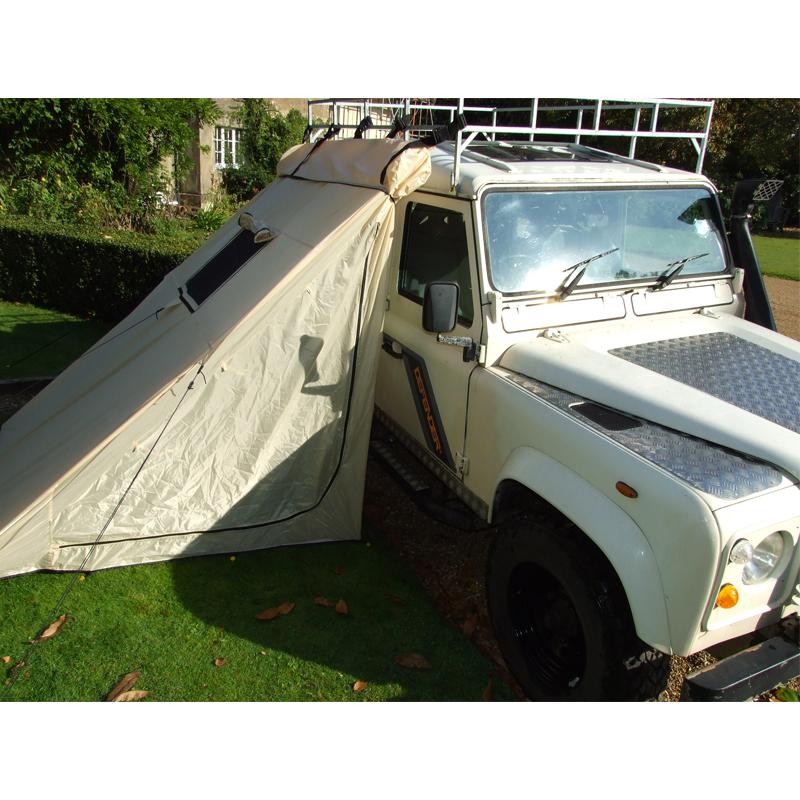
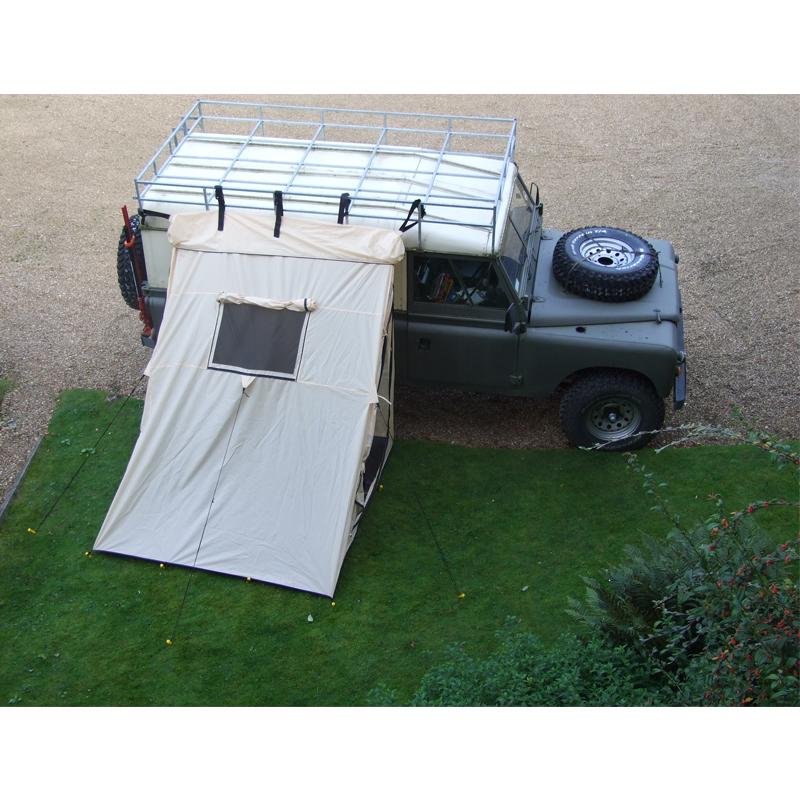
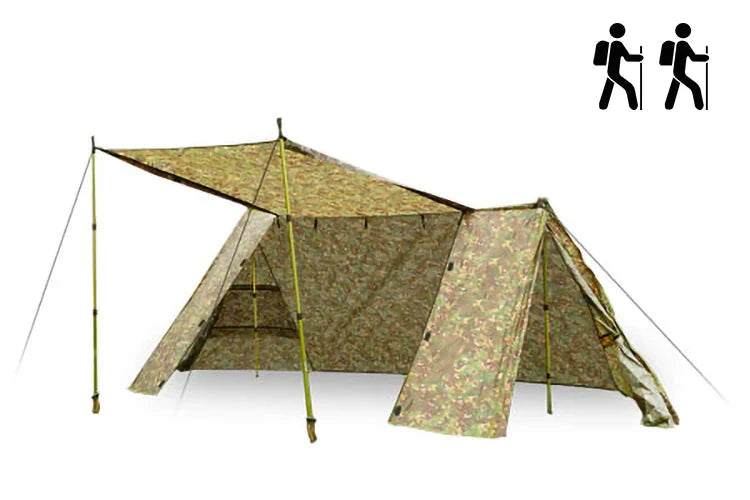
Many tents have a vestibule (also called an awning), where you can store equipment and if it is large enough, it can be used as a living space. A vestibule is very convenient to have, especially if there is limited space inside the sleeping area. So it is relevant to consider whether you want your new tent to have a vestibule.
Pockets and places to hang things, e.g., lamps
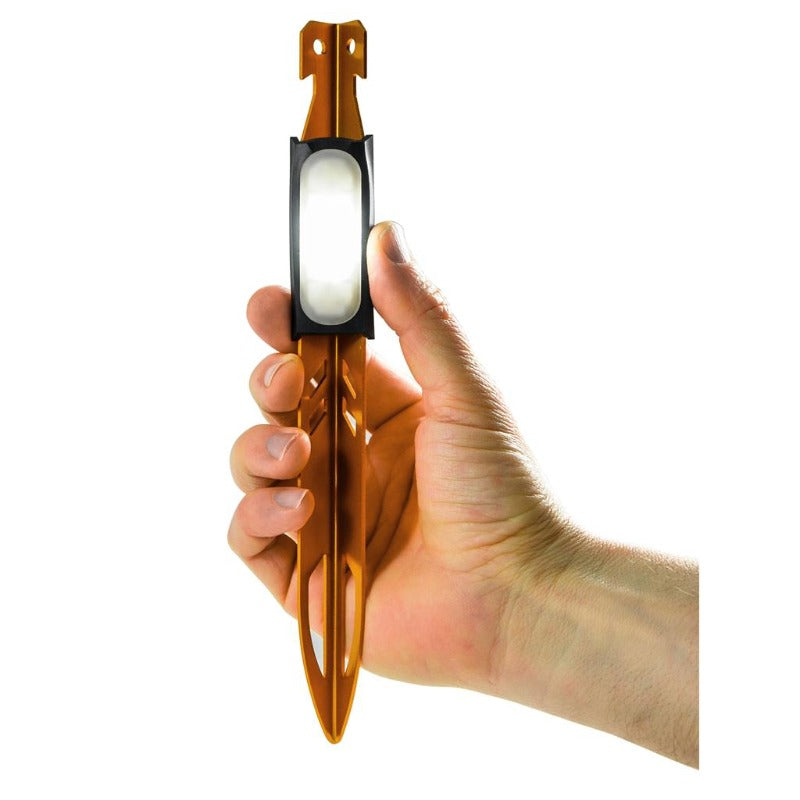
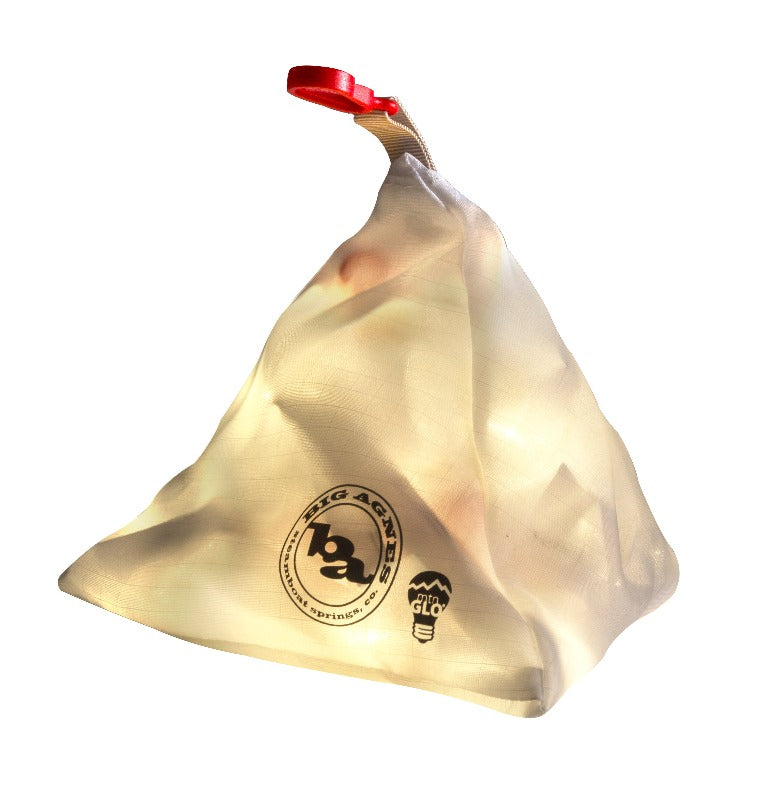
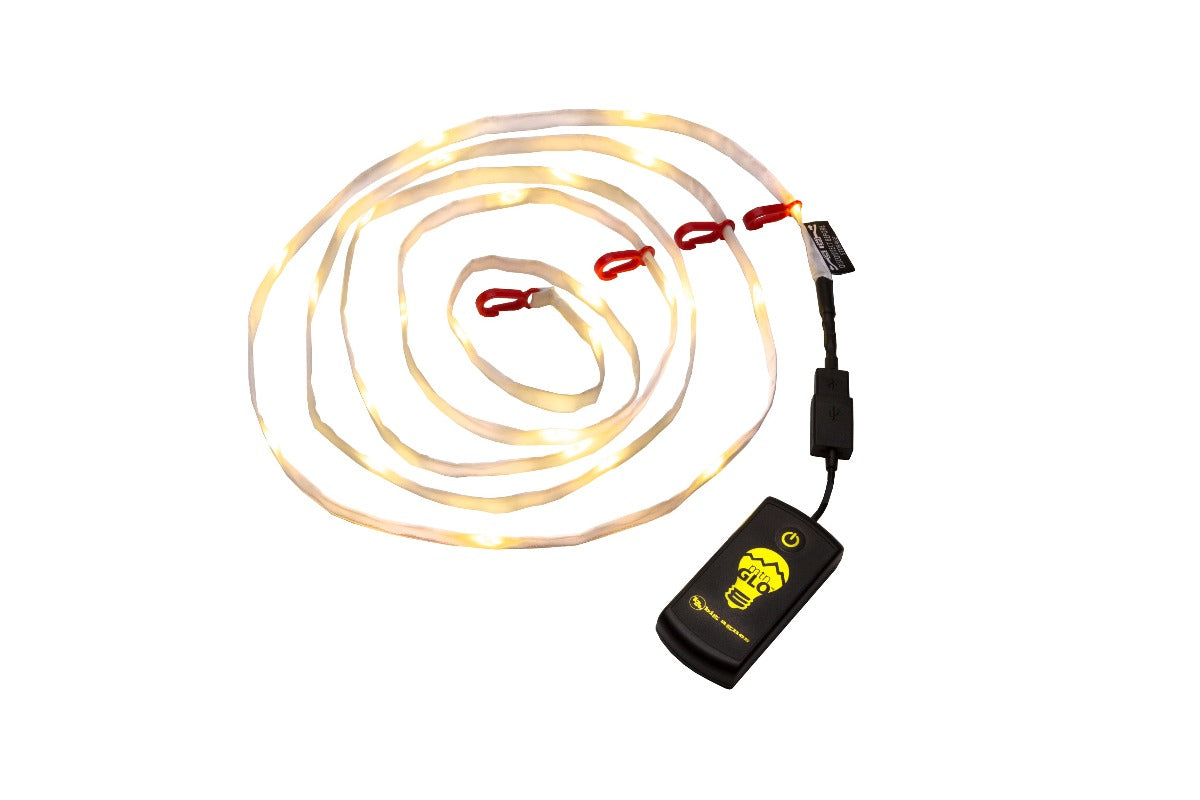
Another thing you can look for is whether there are loops, pockets, or other places where you can hang and/or store your things. Here you need to assess your needs and whether they match what is available in the tents you are considering.
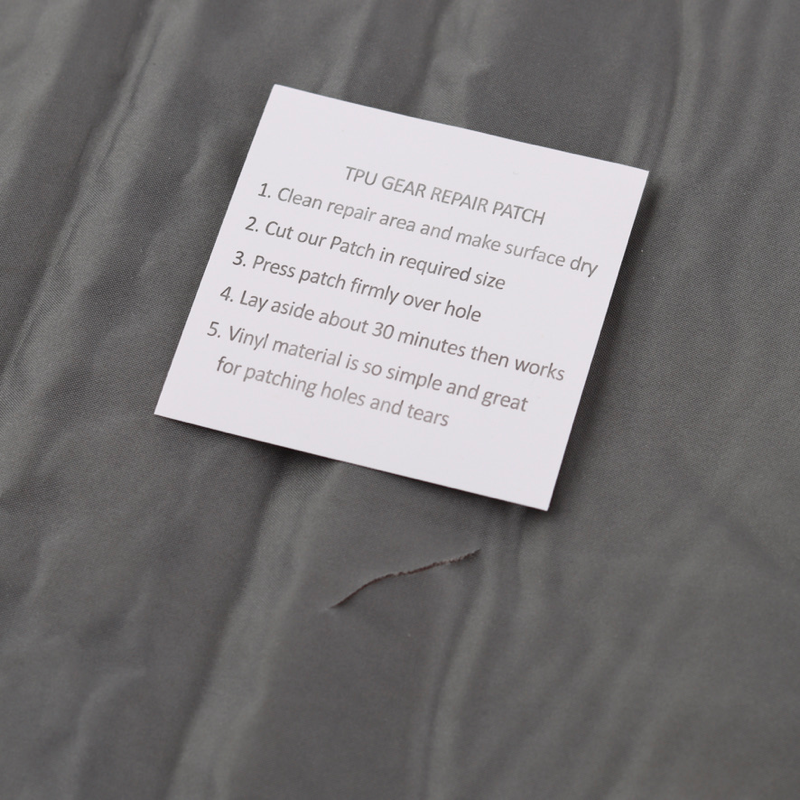
Bring a repair kit
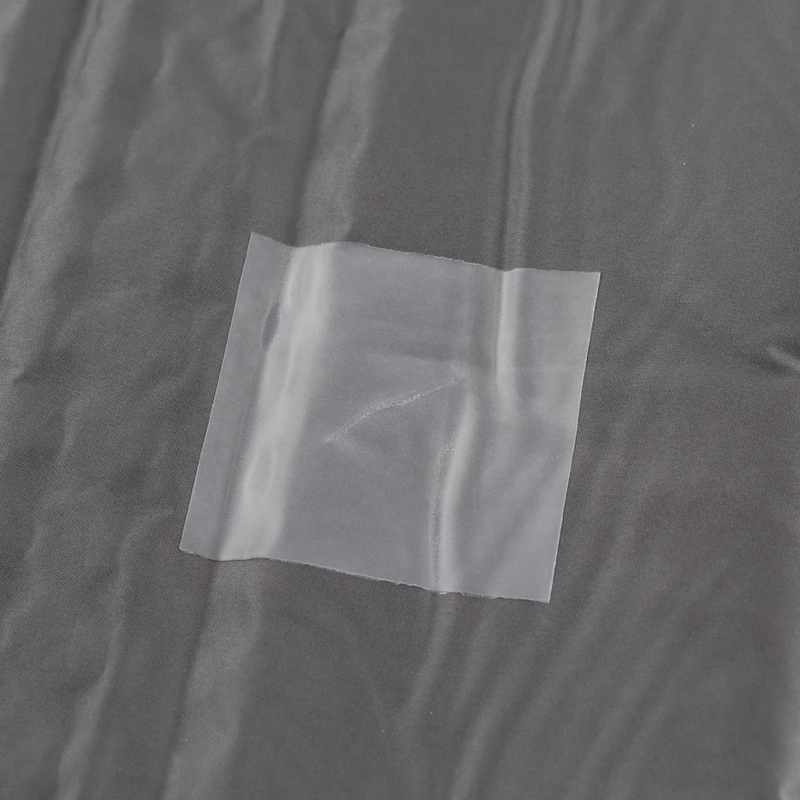
It is a good idea to get a repair kit for your tent that you can bring with you on trips, so you are prepared if it suddenly leaks somewhere. When buying a repair kit for your tent, it is important to understand what suits the material your tent is made of best, so the patches can stick properly.